
Introduction: Why Temperature Matters for Wine Storage
Wine is more than just a drink—it’s a delicate balance of flavors and aromas that deserves the right care. Storing your wine at the optimal temperature preserves its quality, taste, and longevity. That’s where a dual zone wine cooler comes in. Whether you’re a casual enthusiast or a serious collector, understanding wine cooler temperature zones can make all the difference in your wine experience.
For a deeper dive into choosing the right wine storage solution, check out our comprehensive Buying Guide for Wine Storage & Cooling Systems.
If you want to learn more about ideal wine storage temperatures, see our Wine Storage Temperature Guide.
If you’re curious whether a wine cooler is the right investment for your needs, our post on are wine coolers worth it offers a detailed breakdown.
Ready to find the perfect storage? Explore our full dual zone wine coolers collection for top-rated options, or browse our wine coolers collection for single zone, multiple zone, and specialty models.
What is a Dual Zone Wine Cooler?

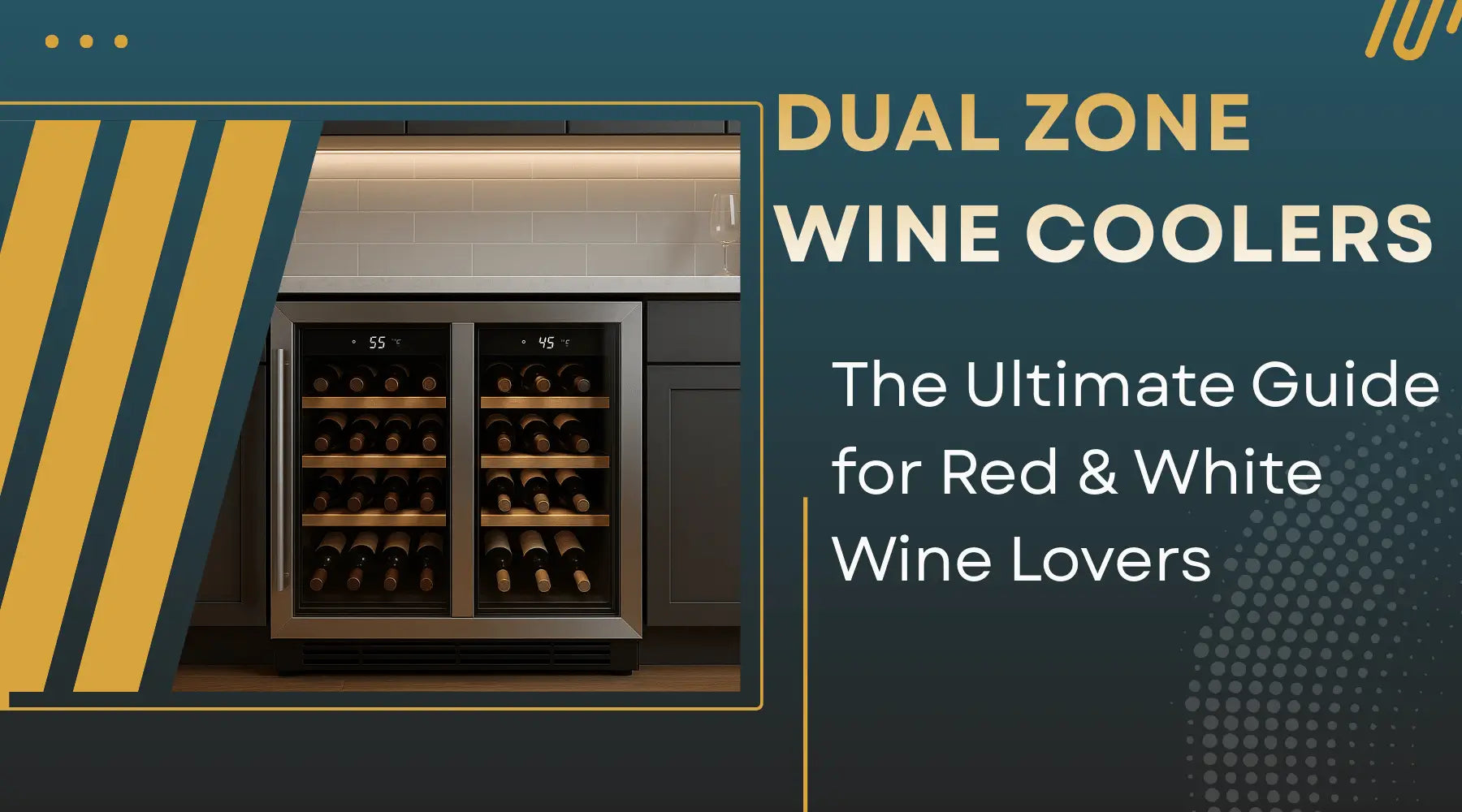
A dual zone wine cooler is a specialized wine fridge with two separate temperature compartments, each with its own thermostat. This design allows you to store red and white wines at their ideal serving temperatures within the same unit. For example, you can keep reds at a warmer 55–65°F and whites or sparkling wines at a cooler 40–50°F. If you’ve ever wondered, “what is a dual zone wine cooler?” or “how does a dual zone wine cooler work?”—it’s all about flexibility and precision.
For a focused comparison of cooling types, see single vs dual zone wine coolers.
If you’re interested in other types of wine coolers, browse our extensive wine coolers collection for single zone, multiple zone, and specialty models.
Dual Zone vs Single Zone Wine Cooler: What’s the Difference?
When choosing between a dual zone vs single zone wine cooler, it’s important to consider your wine preferences and storage needs. A single zone wine cooler maintains one consistent temperature throughout, making it suitable if you primarily store one type of wine. However, if you enjoy both reds and whites or want to serve and age wine at different temperatures, a dual zone model is the better choice.
Key Differences:
- Temperature Control: Dual zone wine coolers offer separate controls for each zone.
- Flexibility: Store red and white wine together, each at its ideal temperature.
- Convenience: Perfect for mixed collections or entertaining guests with varied tastes.
For an in-depth look at how these options compare, visit our single vs dual zone wine coolers guide.
To determine the ideal size for your needs, check out what size wine cooler do I need.
For more on the pros and cons, see our Built-In vs Freestanding Wine Coolers guide.
Do I Need a Dual Zone Wine Fridge?
If you’re asking, “do I need a dual zone wine fridge?” or “should I buy a dual zone wine fridge?”—consider your wine habits. A dual zone wine fridge is ideal if:
- You enjoy both red and white wines.
- You entertain guests with different preferences.
- You want the flexibility to age and serve wines at different temperatures.
- You’re growing your collection and want to store bottles for both short- and long-term enjoyment.
For collectors and serious enthusiasts, a dual zone wine fridge guide can help you make the best choice based on your unique needs.
If you’re weighing a fridge against a full cellar, check out our wine fridge vs wine cellar guide.
Benefits of Dual Zone Wine Coolers
The benefits of dual zone wine coolers go beyond simple convenience. Here’s why many wine lovers make the switch:
- Optimal Storage: Keep reds and whites at their recommended temperatures for maximum flavor. For more on ideal conditions, visit our Wine Storage Temperature Guide.
- Versatility: Some models also store beer, soda, or other beverages. See our wine and beverage centers for multi-purpose storage.
- Entertaining: Always have both red and white wines ready to serve.
- Preservation: Reduce risk of spoilage by avoiding temperature fluctuations.
For inspiration on integrating wine storage into your home, browse our best wine storage solutions for luxury kitchens.
How Does a Dual Zone Wine Cooler Work?

Dual zone wine coolers use advanced insulation and separate thermostats to maintain independent temperature zones within a single appliance. Typically, the upper zone is set for reds, while the lower zone is ideal for whites and sparkling wines. Digital controls, vibration dampening systems, and UV-protected glass doors are common features that help preserve your collection.
If you’re interested in the technology behind wine cooling, read our in-depth guides on Thermoelectric vs Compressor Wine Coolers, self-contained vs split wine cooling systems, and through-the-wall vs ducted wine cooling.
For glass-fronted or designer cellars, see our glass wine cellar cooling solutions.
Best Dual Zone Wine Cooler Features: What to Look For
When searching for the best dual zone wine cooler, consider these essential features:
- Capacity: Ranges from compact units for a dozen bottles to luxury dual zone wine coolers holding 100+ bottles. For recommendations by size, see our Best Wine Coolers by Bottle Capacity and shop by bottle capacity collections.
- Built-In vs. Freestanding: Built-in wine coolers blend seamlessly with your kitchen, while freestanding models offer placement flexibility. For space-saving, consider undercounter wine coolers.
- Temperature Range: Look for a wide range to accommodate both reds and whites.
- Shelving: Adjustable shelves and full-extension racks help fit various bottle sizes and make organizing easy.
- Lighting: 3-color LED lighting adds style and visibility to your collection.
- Energy Efficiency: An energy efficient dual zone wine cooler saves on utility bills and is better for the environment.
- Security: Features like door locks and alarms protect your investment.
- Noise & Vibration: Choose models with vibration dampening to prevent disturbing wine sediments. For the quietest options, check our silent wine cooling systems.
- Design: French door designs offer easy access and a modern look.
For advanced wine room solutions, browse our wine cellar cooling units and see our roundup of the best wine cellar cooling units by cellar type.
Curious about the costs involved? Our post on wine cellar cooling system cost breaks it down.
Brand and Product Comparisons
Choosing the right dual zone wine cooler often comes down to comparing the features and technologies of leading brands and models. Here’s how some of the top options stand out:
Explore premium brands for dual zone wine coolers: Allavino, Smith & Hanks, Lanbo, Cavavin, U-Line, Fulgor Milano, Hestan, Liebherr.
If you’re considering a full wine cellar setup, learn more about wine fridge vs wine cellar.
For help choosing the right unit, see our best wine cellar cooling units by cellar type.
Compressor vs. Thermoelectric: Which Cooling System is Best?
One of the first decisions you’ll face is whether to choose a compressor or thermoelectric wine cooler.
- Compressor systems are powerful, maintain colder temperatures, and work well for larger collections or warmer climates.
- Thermoelectric systems operate quietly, with less vibration, and are often more energy efficient—ideal for smaller spaces and delicate wines.
Download the Compressor vs. Thermoelectric Analysis (PDF)
Zephyr Presrv™ French Door Dual Zone Wine & Beverage Cooler
- 3-Color LED Lighting: Set the mood with customizable lighting in Cloud White, Deep Blue, or Amber.
- Active Cooling Technology: Maintains consistent temperatures throughout both zones.
- Adjustable, Transparent Gray Glass Shelves: Flexible storage for bottles and cans.
- Full-Extension, Black Wood Racks with Stainless Steel Trim: Easy access and premium aesthetics.
- PreciseTemp™ Temperature Control: Accurate digital controls for each zone.
- Vibration Dampening System: Protects wine by minimizing movement and sediment disturbance.
- French Door Design: Modern look and convenient access.
The Presrv™ French Door Wine & Beverage Cooler is the ultimate in sophisticated home party accessories, ready to store wine, beer, sodas and more. This large capacity cooler maintains two distinct temperature zones with PreciseTemp™ temperature control, Active Cooling Technology and boasts loads of other features — from an updated kickplate with lock to Full-Extension Wood Racks to a Vibration Dampening System, and more.
Allavino Reserva Series Coolers
- High Capacity: Designed for serious collectors, these coolers hold large numbers of bottles.
- Thermally-Isolated Zones: Independent temperature controls for each compartment.
- Digital Thermostats: Precision for both red and white wine storage.
- Shallow Depth Options: Space-saving models for tighter installations.
Two thermally-isolated cabinets with their own digital thermostats allow you to provide the perfect temperature for the diverse wines in your collection.
Other Key Features to Compare
- Wine Refrigerator Buying Guide: Many brands, like Vinotemp, offer comprehensive guides to help you choose the right model based on your collection size, space, and preferences.
- Security & Convenience: Features like door locks, alarms, and easy-to-read digital panels are common in premium models.
- Energy Efficiency: Look for ENERGY STAR® ratings or energy-saving technologies to reduce long-term costs.
When comparing dual zone wine coolers, focus on the features that matter most to you: storage capacity, cooling technology, ease of use, design elements, and noise/vibration levels. By weighing these factors and exploring detailed product guides, you can confidently choose the best dual zone wine cooler for your home or collection.
Common Questions and Concerns

Shopping for a dual zone wine cooler can bring up many questions and concerns, especially if you’re new to wine storage or considering an upgrade. Here are answers to some of the most frequent topics:
What are the benefits of independent temperature control in a dual zone wine cooler?
Independent temperature control lets you set different temperatures for each zone, so you can store red and white wines at their ideal serving conditions. This is essential for preserving the unique flavors and aromas of each wine type.
How do I know if I need a built-in or freestanding wine cooler?
- Built-in wine coolers are designed to fit seamlessly under counters or within cabinetry. Always refer to the built-in installation guide for proper ventilation and fit.
- Freestanding wine coolers can be placed anywhere with adequate space and ventilation. Use a freestanding installation guide for best practices.
What is the difference between compressor and thermoelectric cooling?
- Compressor-based coolers are powerful and effective at maintaining stable temperatures, even in warmer environments.
- Thermoelectric coolers operate quietly and with less vibration, making them ideal for smaller spaces and delicate wines. For a detailed comparison, consult a compressor vs. thermoelectric analysis.
How important are temperature zones and relative humidity?
Maintaining appropriate temperature zones is crucial for wine preservation. Most dual zone wine coolers let you set one zone for reds (typically 55–65°F) and another for whites (40–50°F). Relative humidity should generally be kept between 50% and 70% to prevent corks from drying out and to avoid oxidation.
What features should I look for in a dual zone wine cooler?
- 3-color LED lighting for ambiance and bottle visibility
- French door design for easy access and a modern look
- Adjustable shelves and full-extension racks for flexible storage
- Independent temperature control for optimal preservation
- Clear temperature displays for monitoring conditions
How do I find the right serving temperature for my wines?
Many manufacturers provide a wine serving temperature chart to help you set the ideal conditions for different varietals. Refer to these charts to make the most of your collection and enhance every pour.
Are dual zone wine coolers difficult to maintain?
Most models are designed for easy maintenance. Regularly clean the interior, check and replace filters as needed, and ensure the unit is properly ventilated. Adjustable shelves and full-extension racks also make cleaning and organizing your wine simple.
Choosing the Right Dual Zone Wine Fridge: A Guide
Not sure where to start? Here’s a quick dual zone wine fridge guide:
- Assess Your Collection: Count your bottles and consider future growth. If you plan a larger storage setup, our guide to sizing a wine cellar cooling unit can help.
- Measure Your Space: Decide between built-in or freestanding based on your kitchen or bar layout.
- Set Your Budget: Prices vary from affordable to luxury dual zone wine coolers. For cost breakdowns, visit our wine cellar cooling system cost article.
- Check Features: Prioritize energy efficiency, noise level, and shelving options.
- Match Your Style: Choose a finish and design that complements your decor. For undercounter options, explore our undercounter wine coolers.
If you’re planning a larger project, our how to build a wine cellar guide walks you through the process.
Looking to install your wine cooler in a garage or outdoor space? Read our Garage & Outdoor Wine Cooler Guide.
To avoid common pitfalls, don’t miss our wine cellar cooling mistakes guide.
Maintenance and Care Tips

To keep your wine fridge for red and white wine working at its best:
- Clean shelves and interior regularly.
- Replace carbon filters as needed.
- Monitor temperature zones and humidity.
- Ensure proper ventilation, especially for built-in units.
For more, see our Wine Cooler Cleaning and Maintenance guide.
To maximize the lifespan of your system, don’t miss our tips on wine cooling system lifespan.
For information about longevity and replacement, read about wine cooling system lifespan.
Where to Buy Dual Zone Wine Coolers
Ready to buy a dual zone wine cooler? Shop from reputable retailers and brands that offer warranties, customer support, and a variety of models. Browse our dual zone wine coolers collection, or explore wine beverage centers for versatile options. For advanced storage, see our wine cellar cooling units.
Conclusion

A dual zone wine cooler is a smart investment for anyone who appreciates wine at its best. By understanding the difference between single and dual zone wine coolers, considering your collection’s needs, and choosing the right features, you’ll enjoy perfectly preserved reds and whites, ready to serve at any time. Explore your options in our dual zone wine coolers collection, follow this dual zone wine fridge guide, and elevate your wine experience today!
For more advanced storage solutions, don’t miss our guides on wine cellar cooling system cost, wine cooling system lifespan, and how to build a wine cellar.