


📚 Frequently Asked Questions (FAQs)
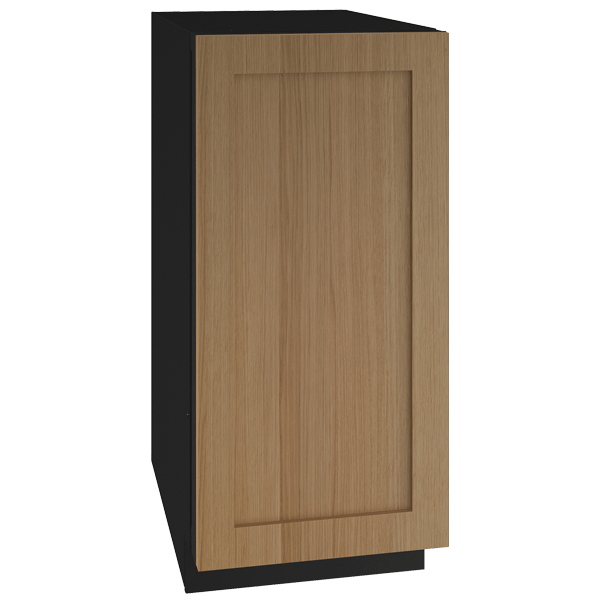
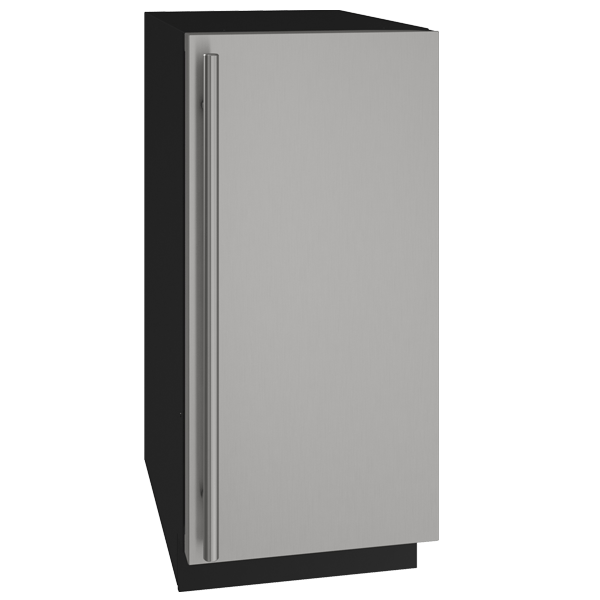
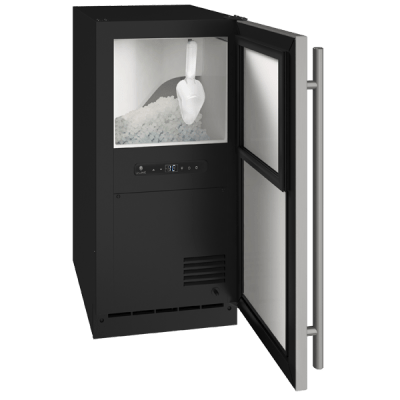
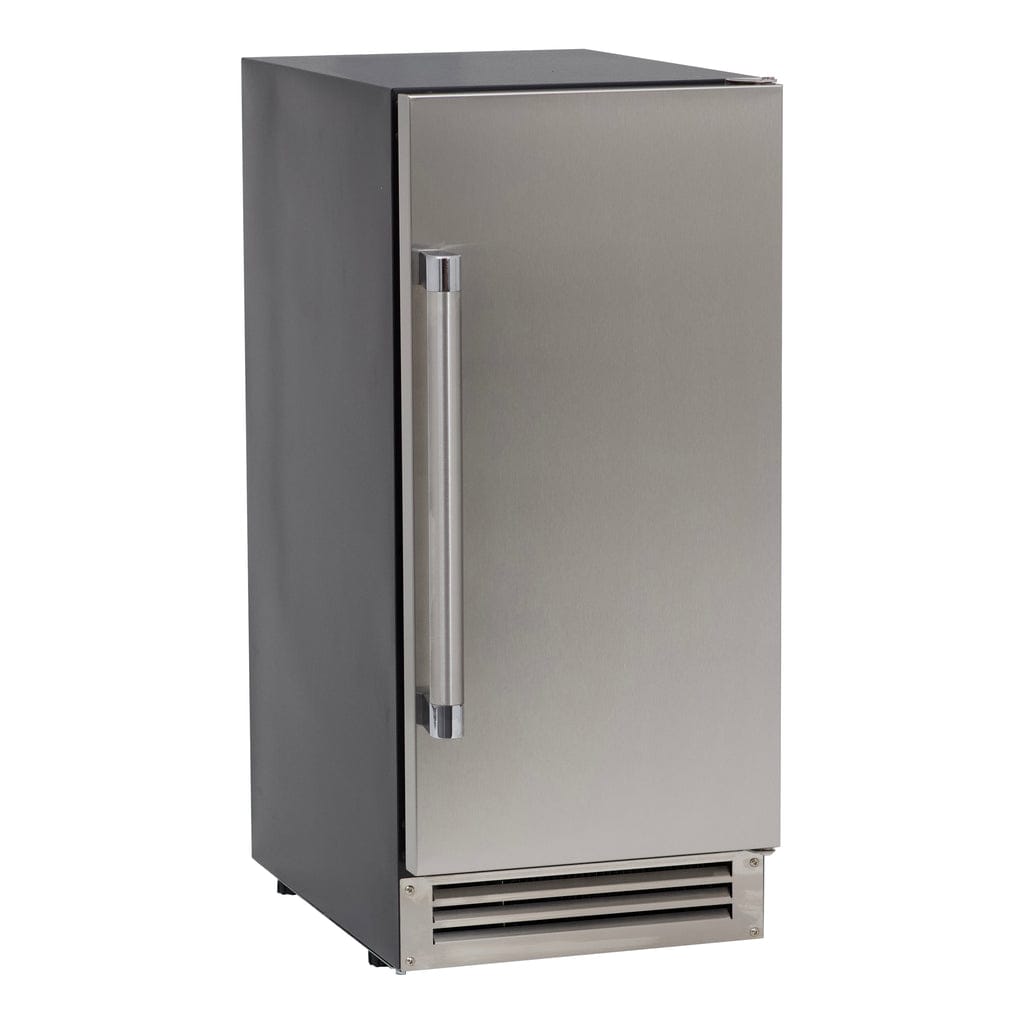
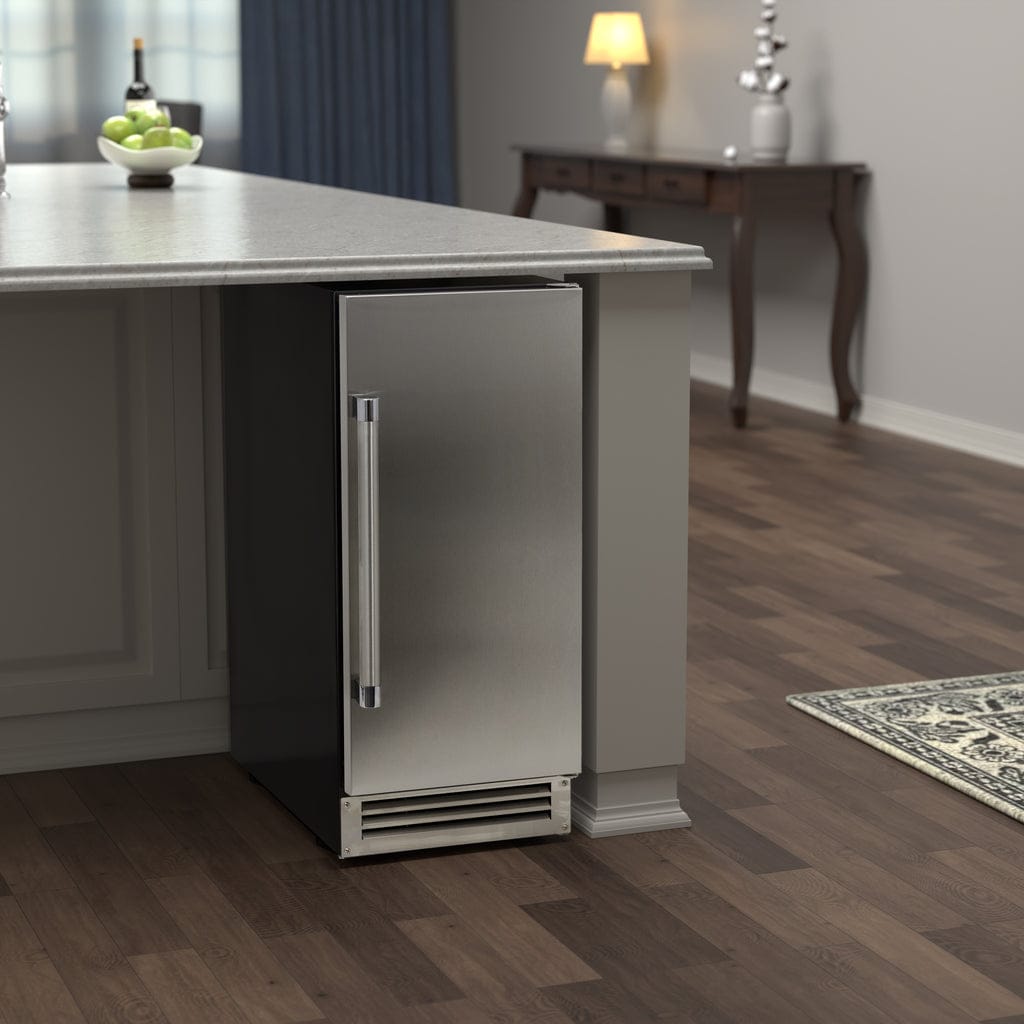
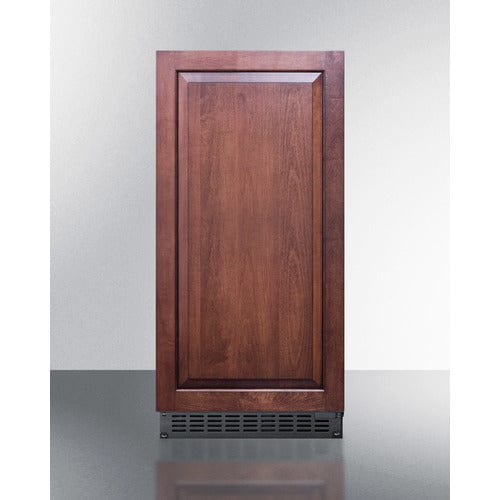
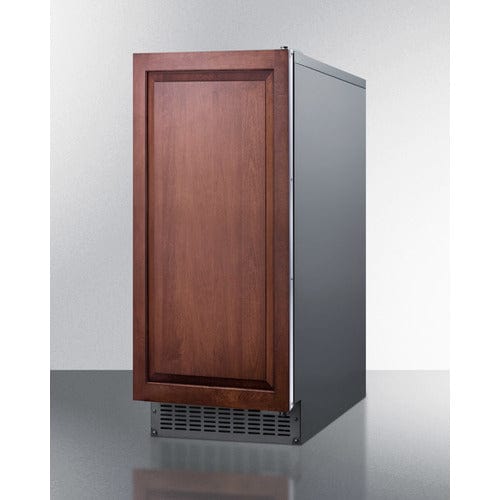
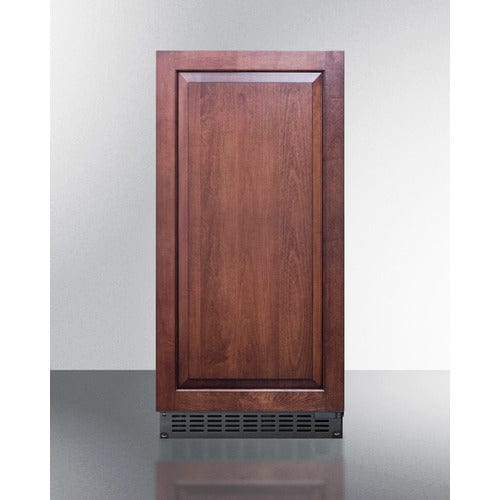
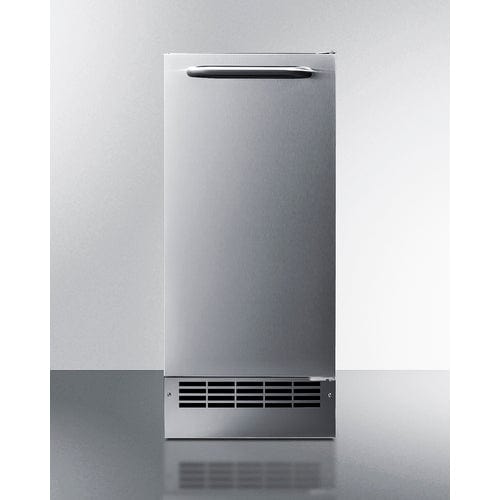
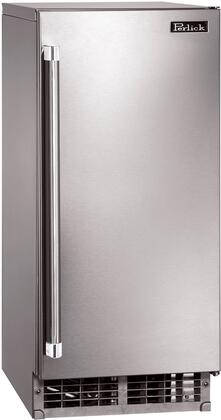
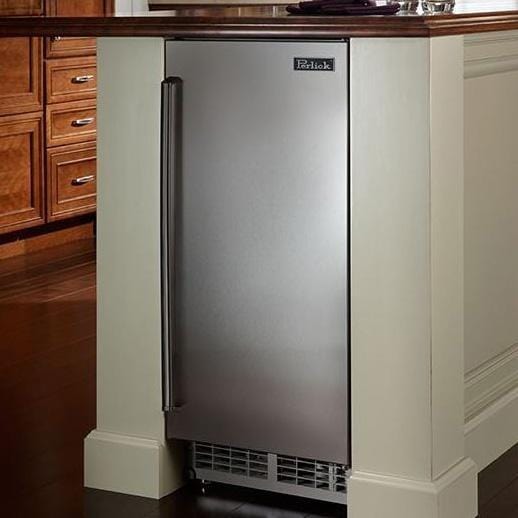
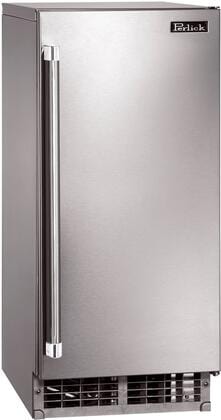
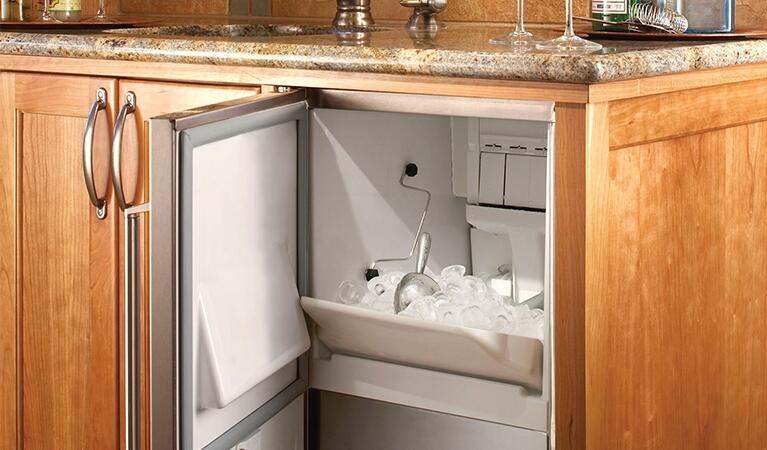
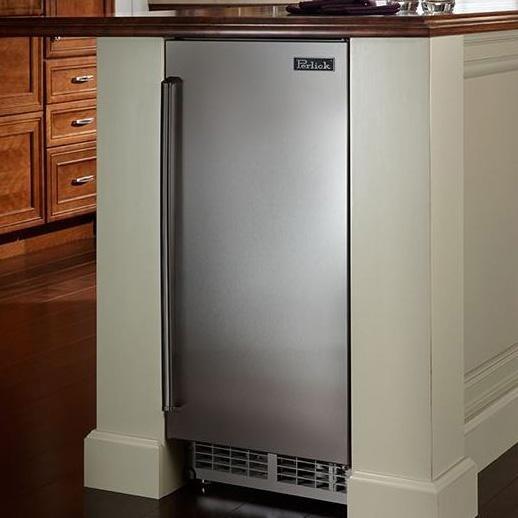
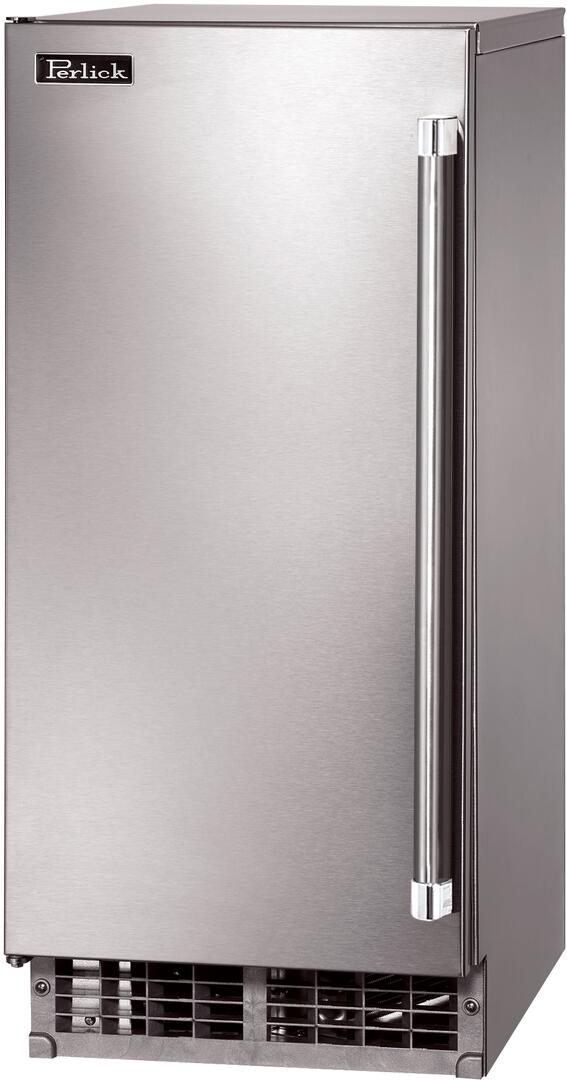
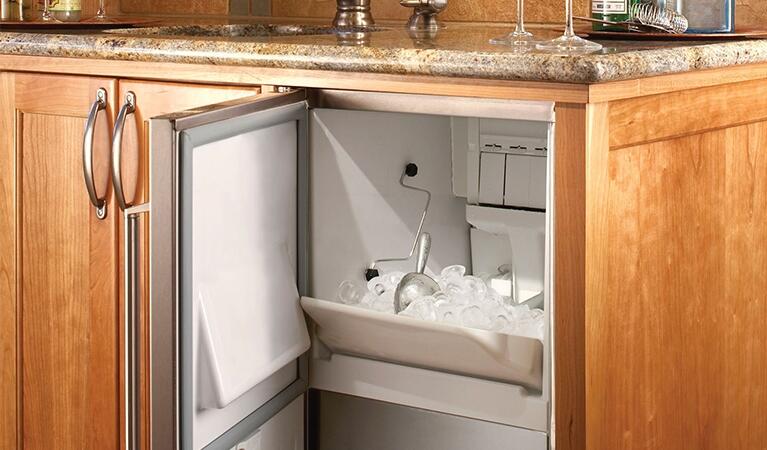
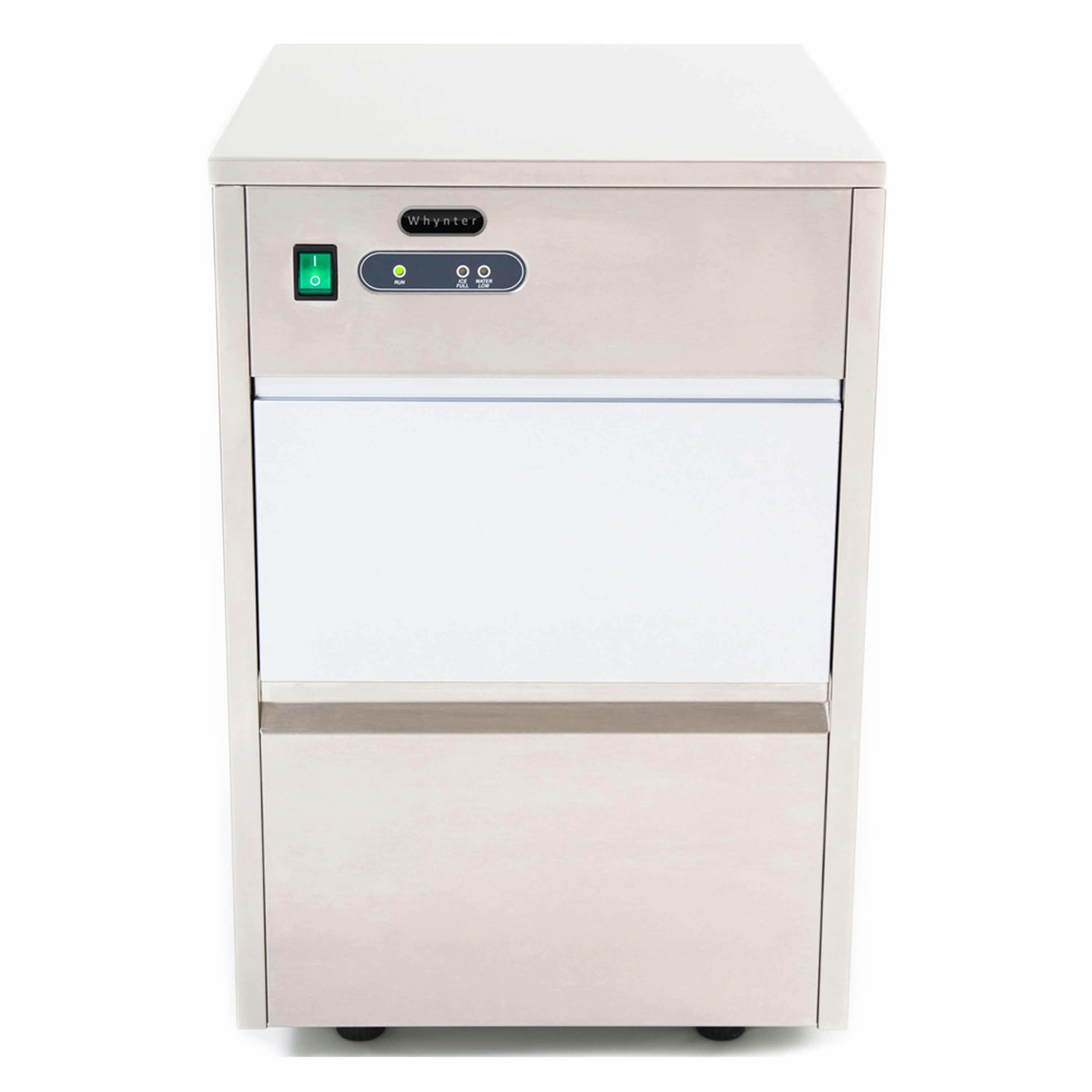
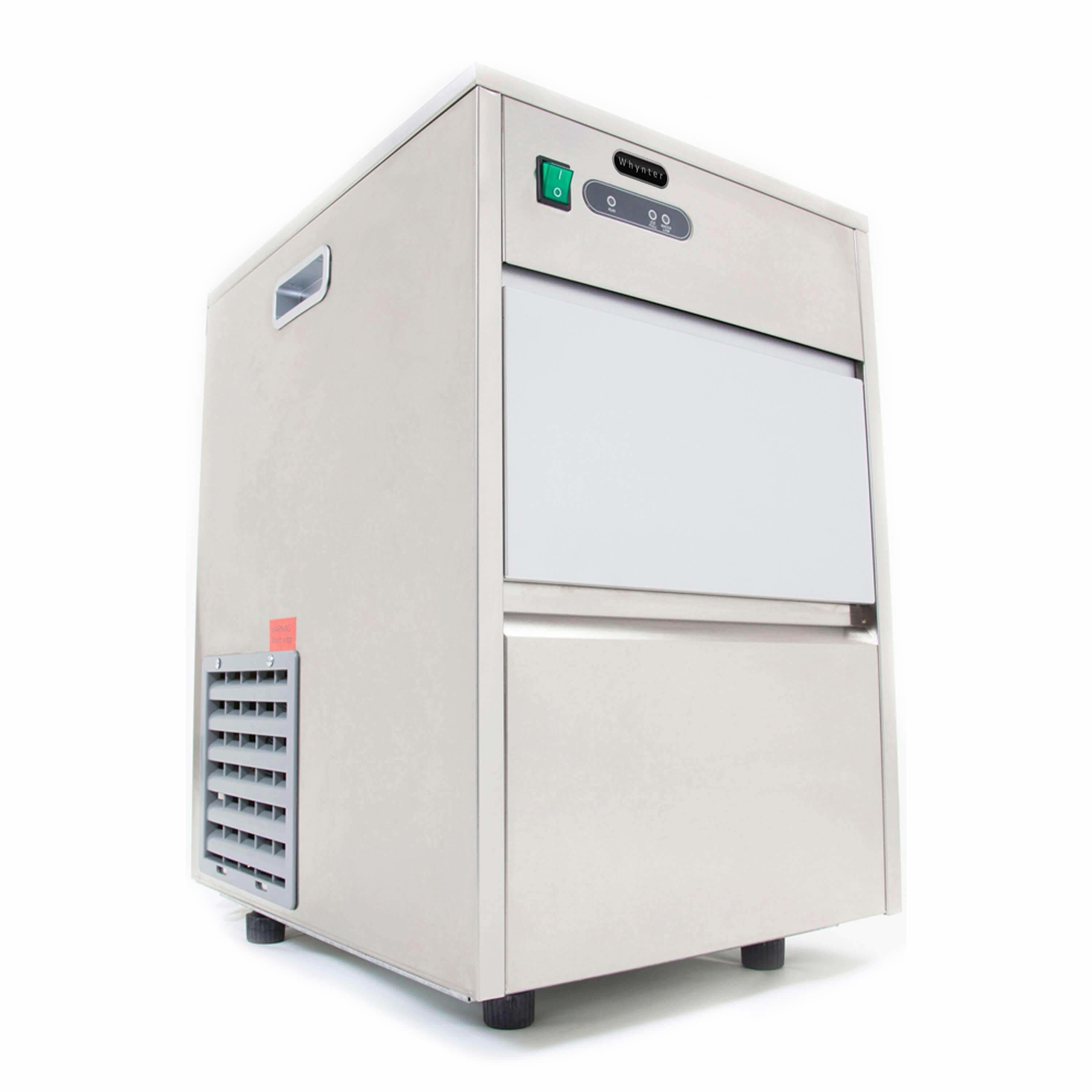
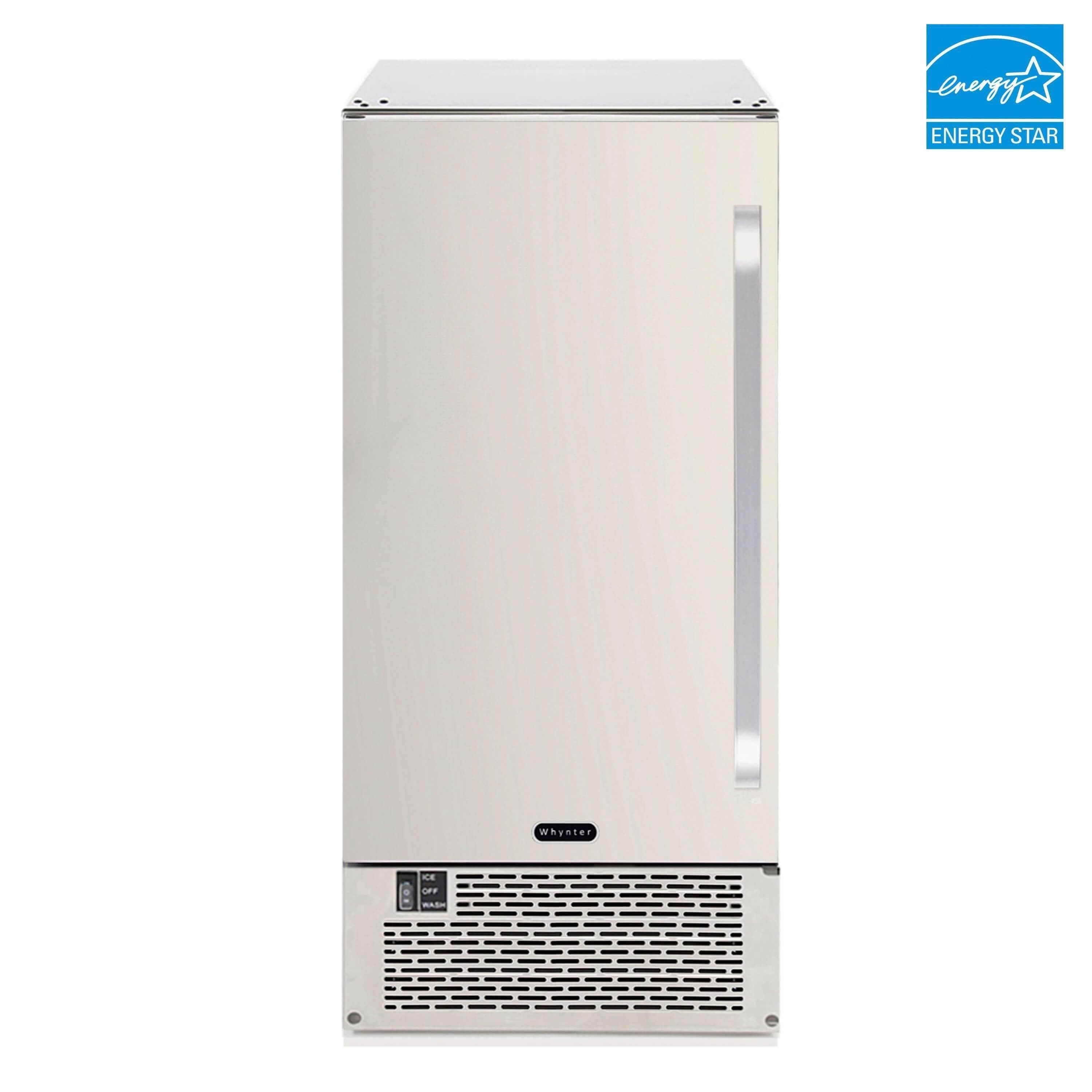
Built-in ice makers are designed for enclosed installation with front ventilation. Freestanding ice makers require open airflow clearance and will overheat if installed inside cabinetry.
Only outdoor-rated ice makers should be installed in patios or outdoor kitchens. Indoor models will fail prematurely when exposed to heat, humidity, or temperature fluctuations.
Most residential ice makers produce between 25 and 80 pounds of ice per day depending on size and compressor capacity. Large gatherings or commercial use usually require higher-capacity models with larger storage bins.
Many undercounter ice makers require either a gravity drain or pump drain for melted ice and cleaning cycles. Installing the wrong drain configuration can cause overflow or shutdown issues.
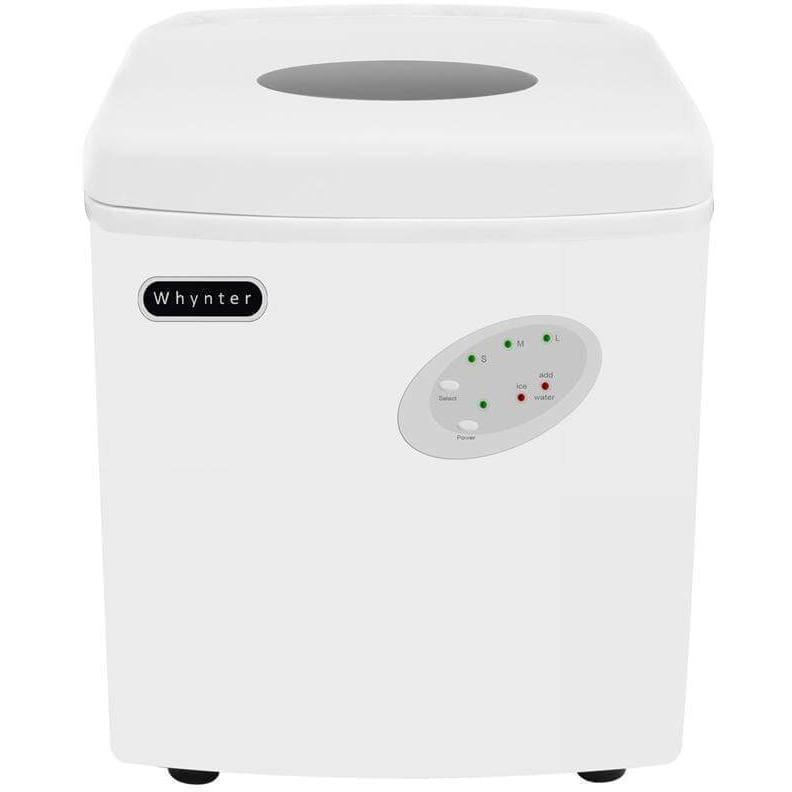
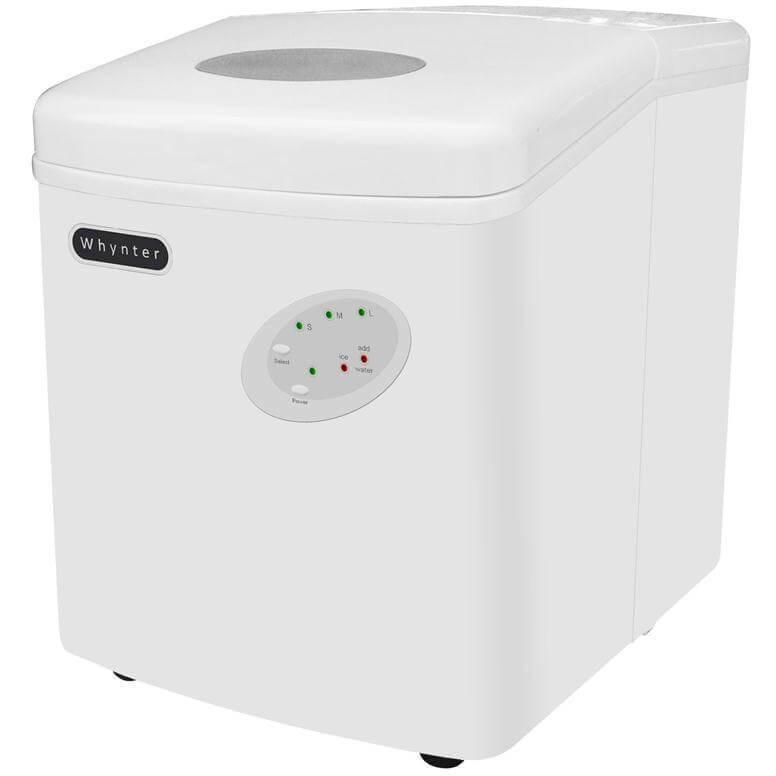
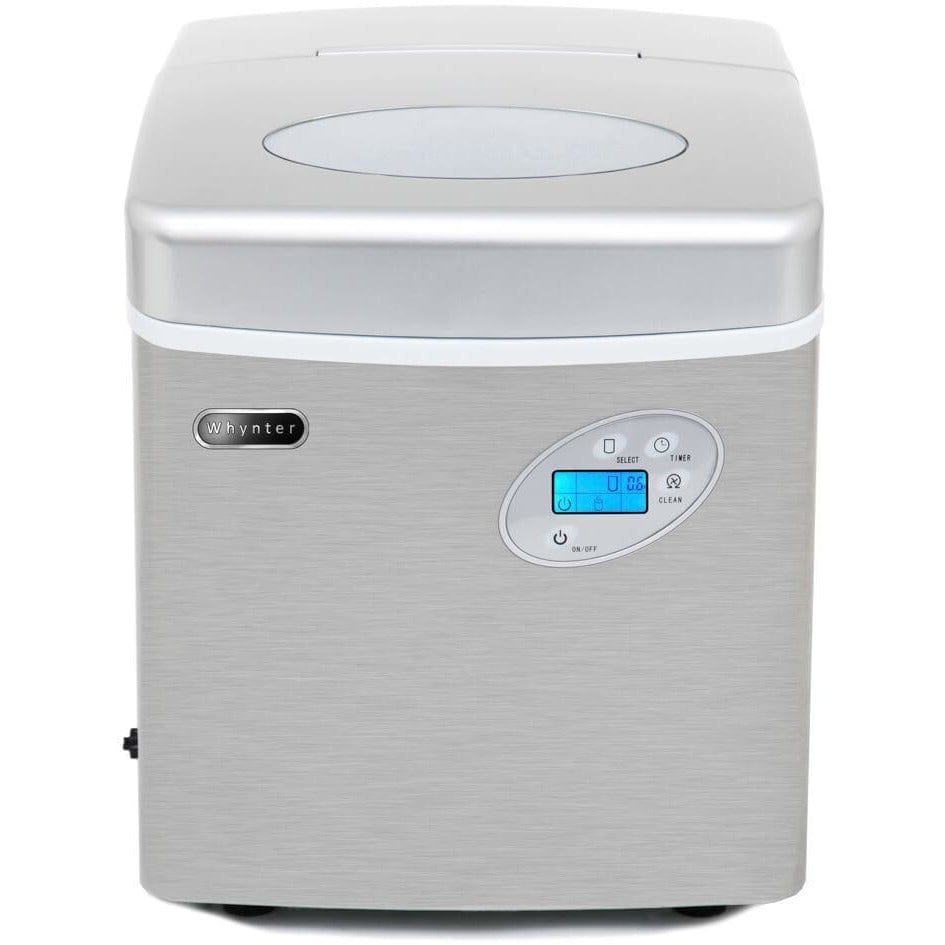
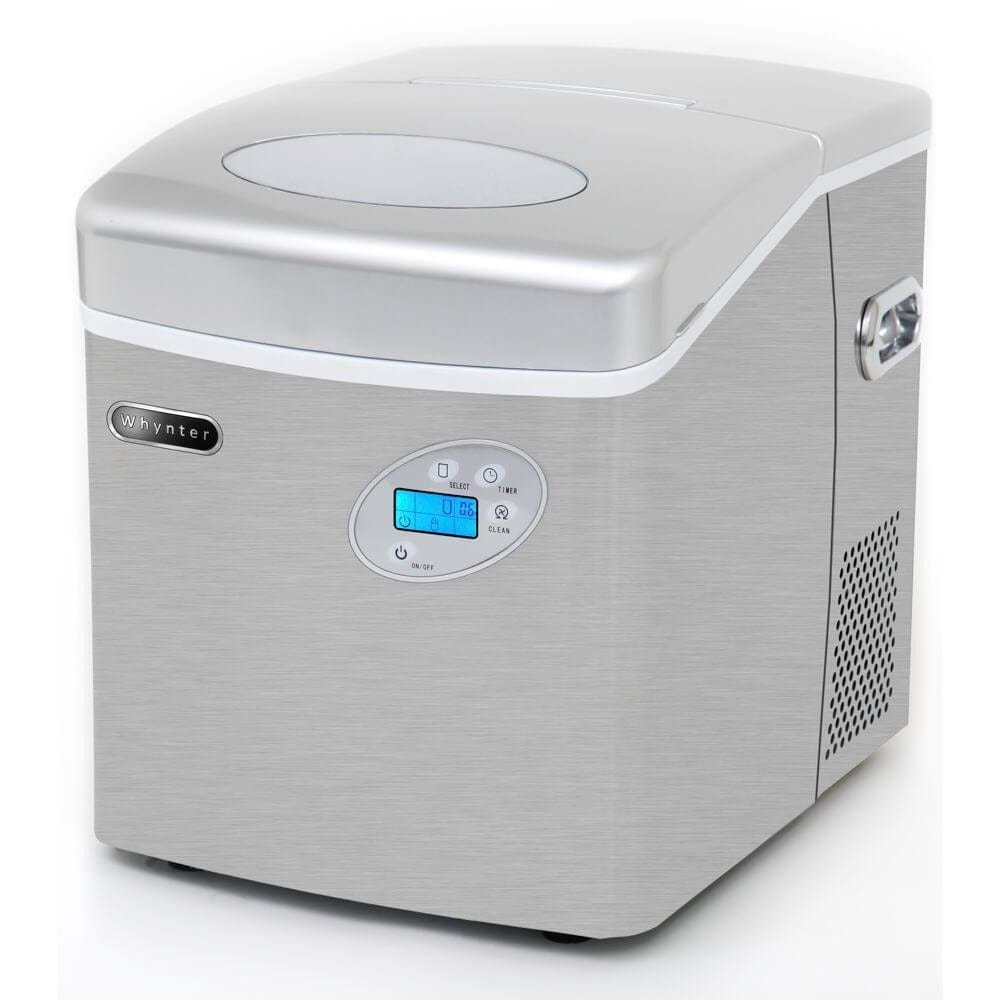
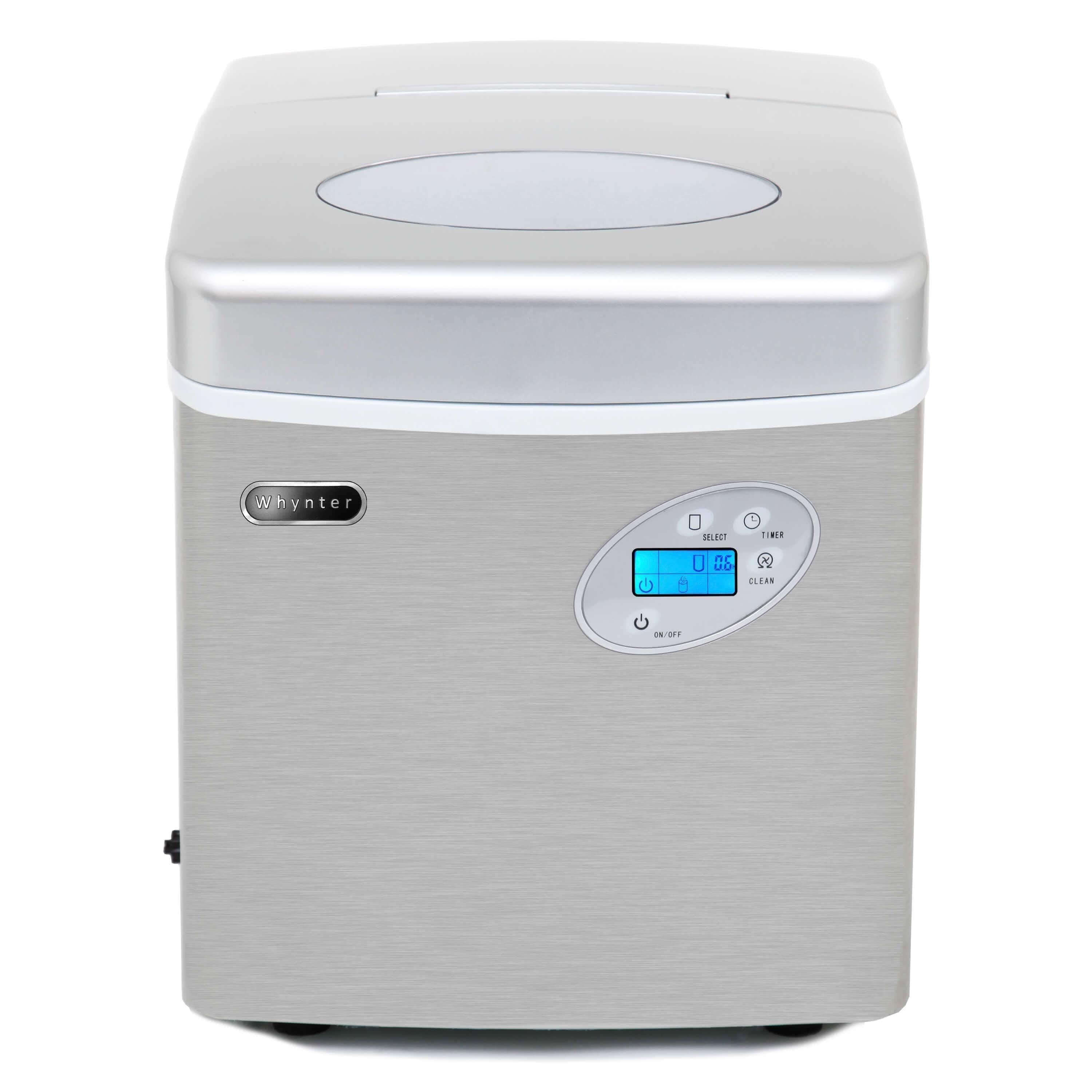
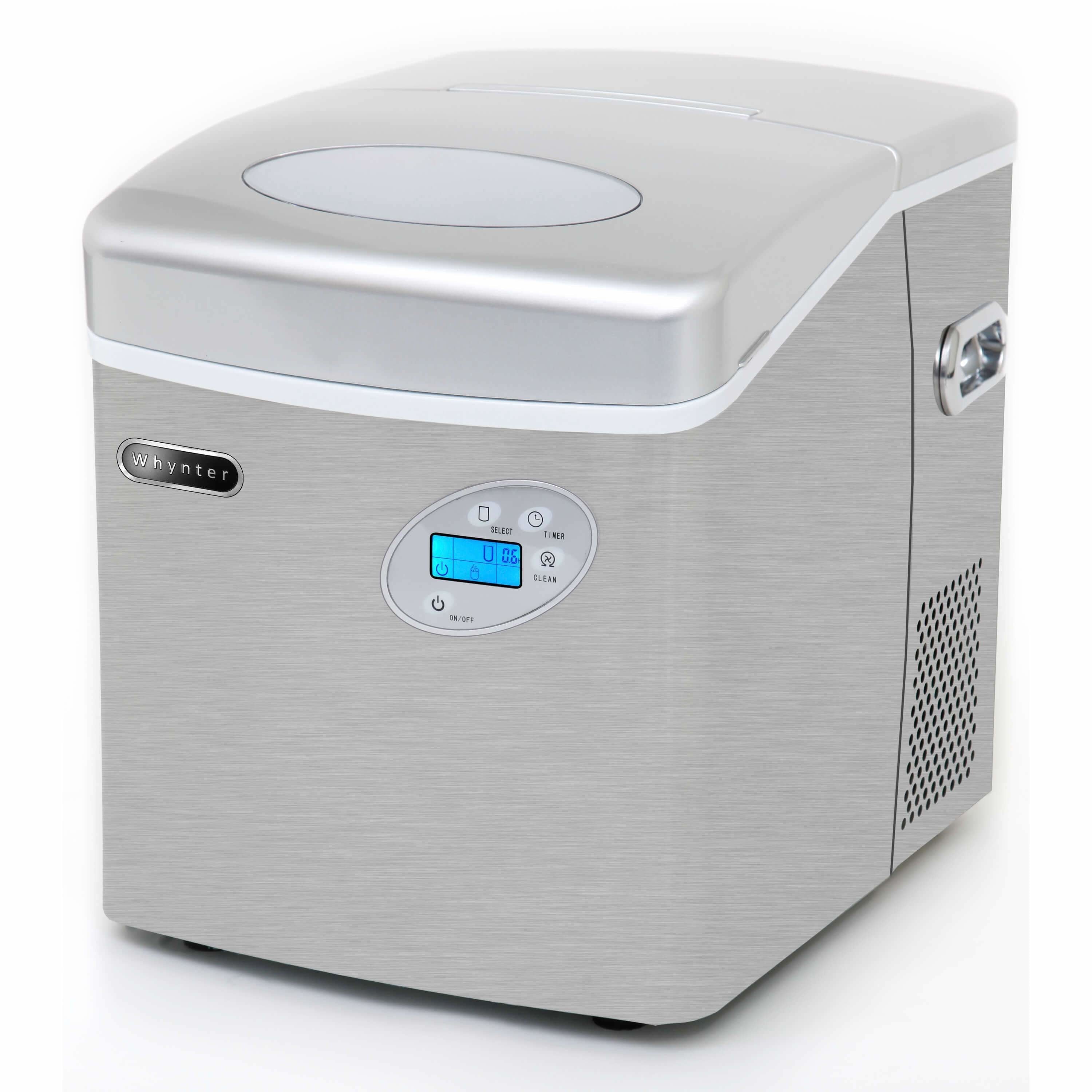
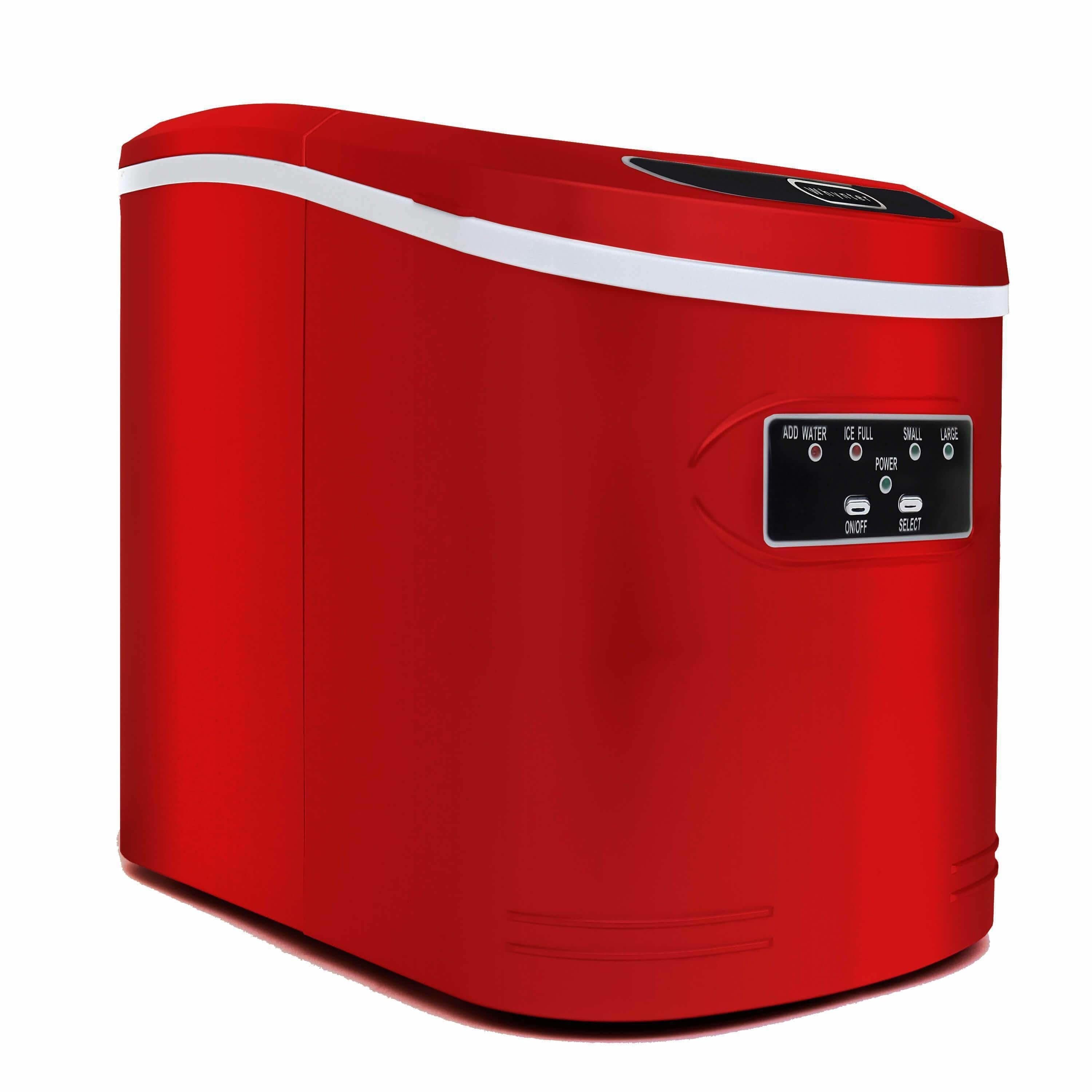
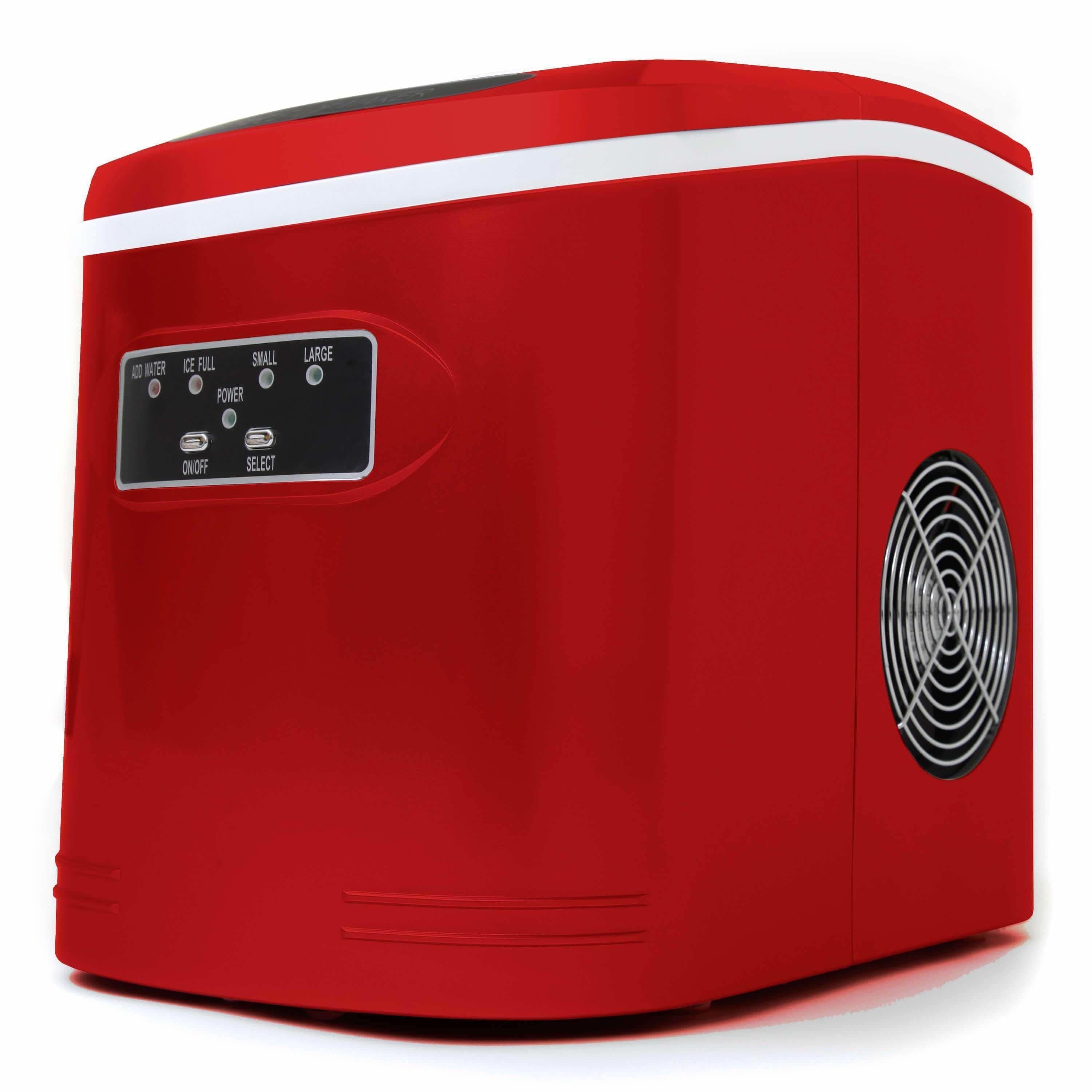
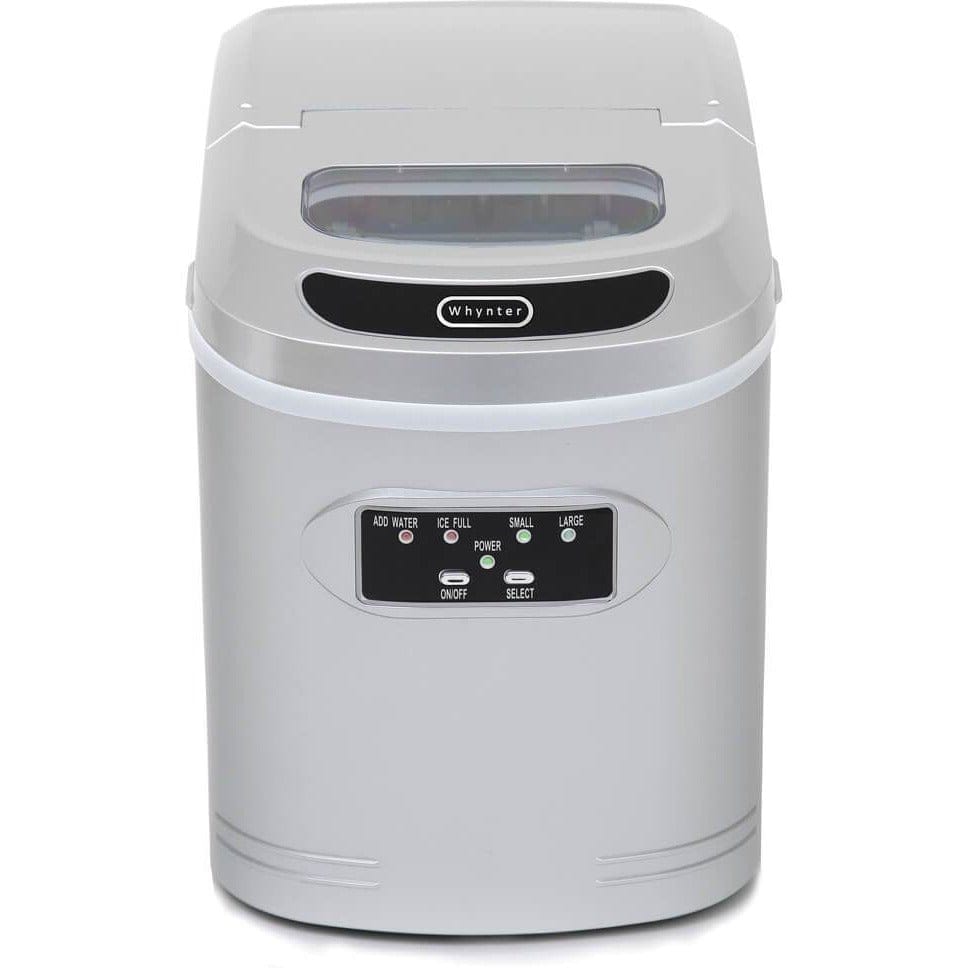
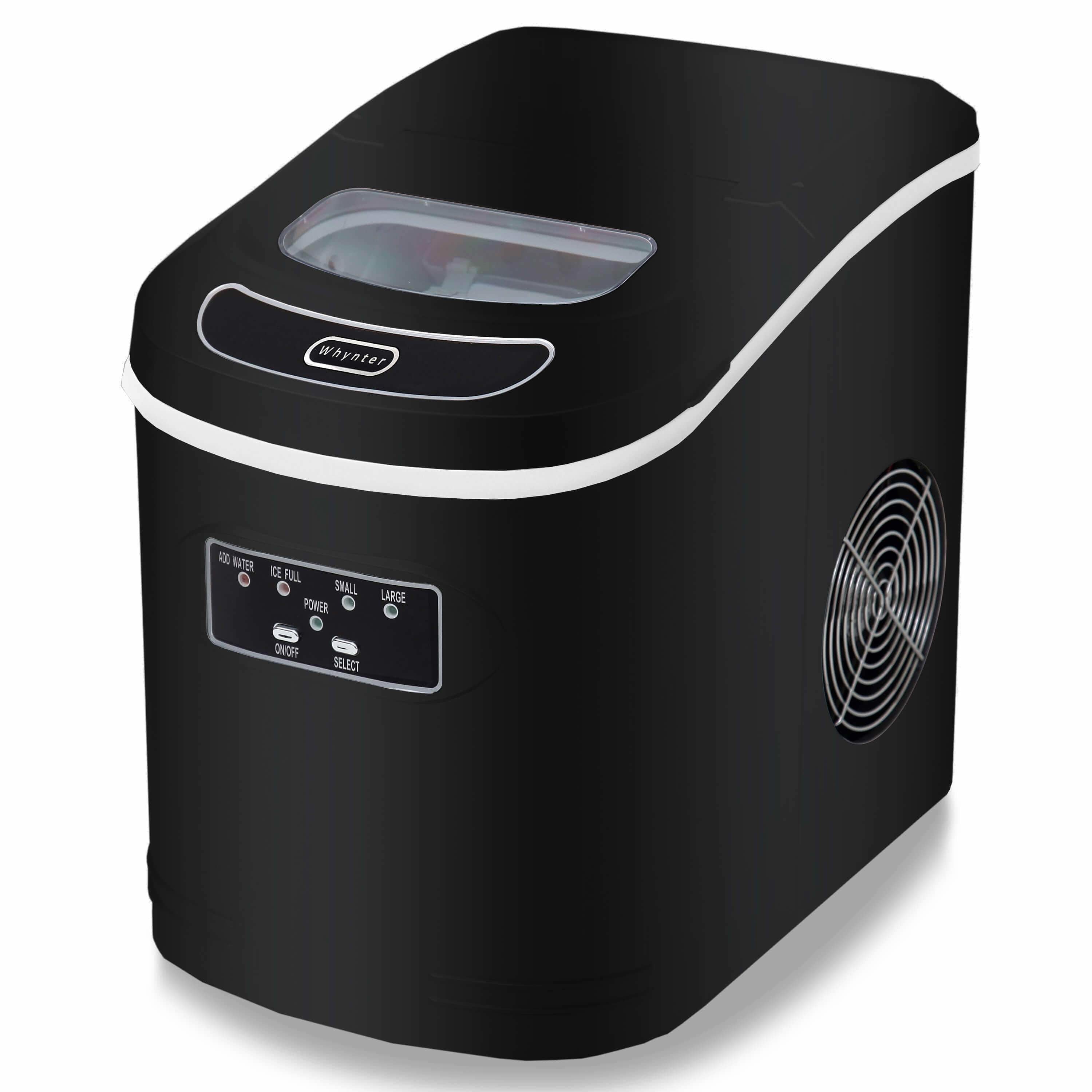
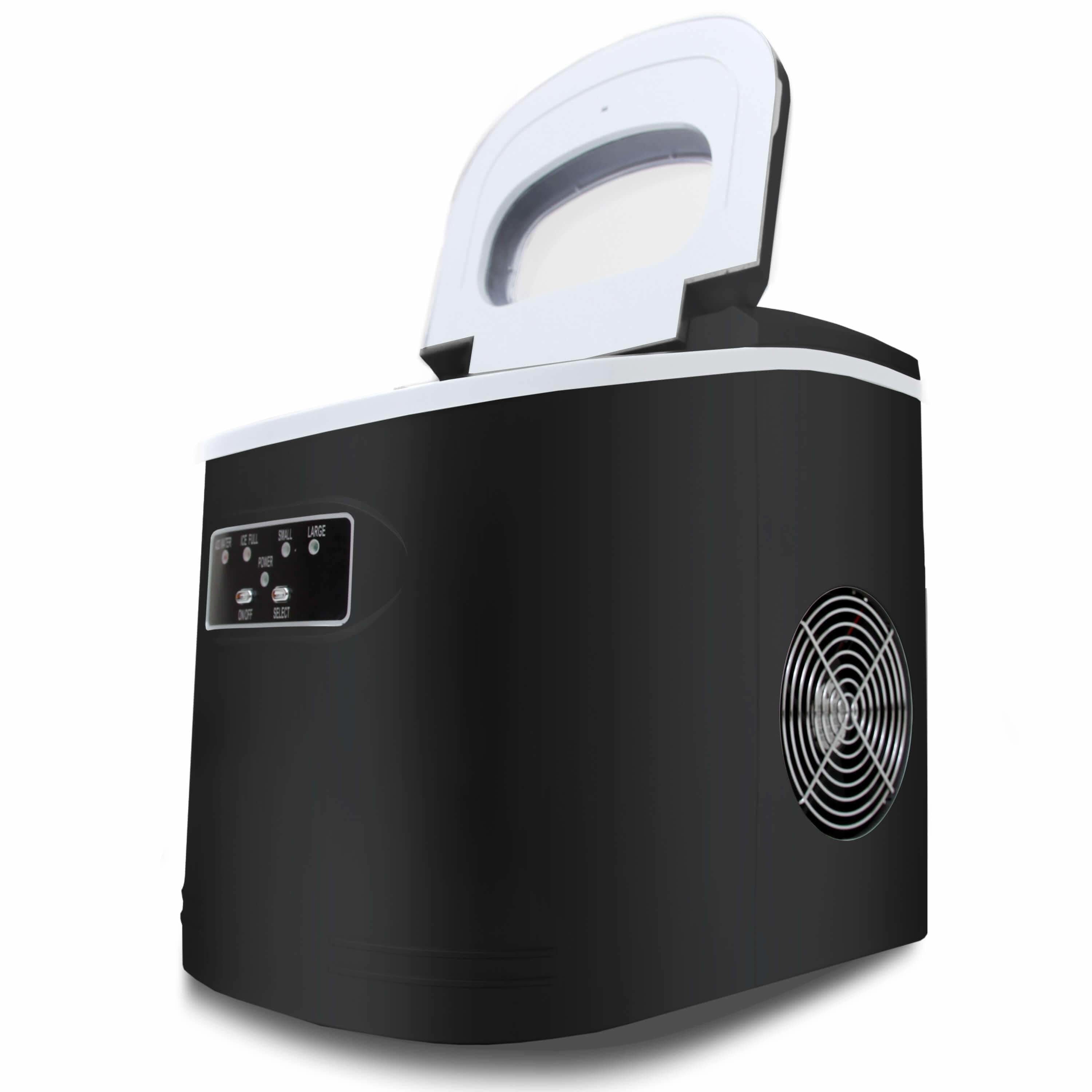
Countertop ice makers are portable appliances and should not be built into cabinetry. Restricted ventilation will reduce performance and shorten compressor lifespan.
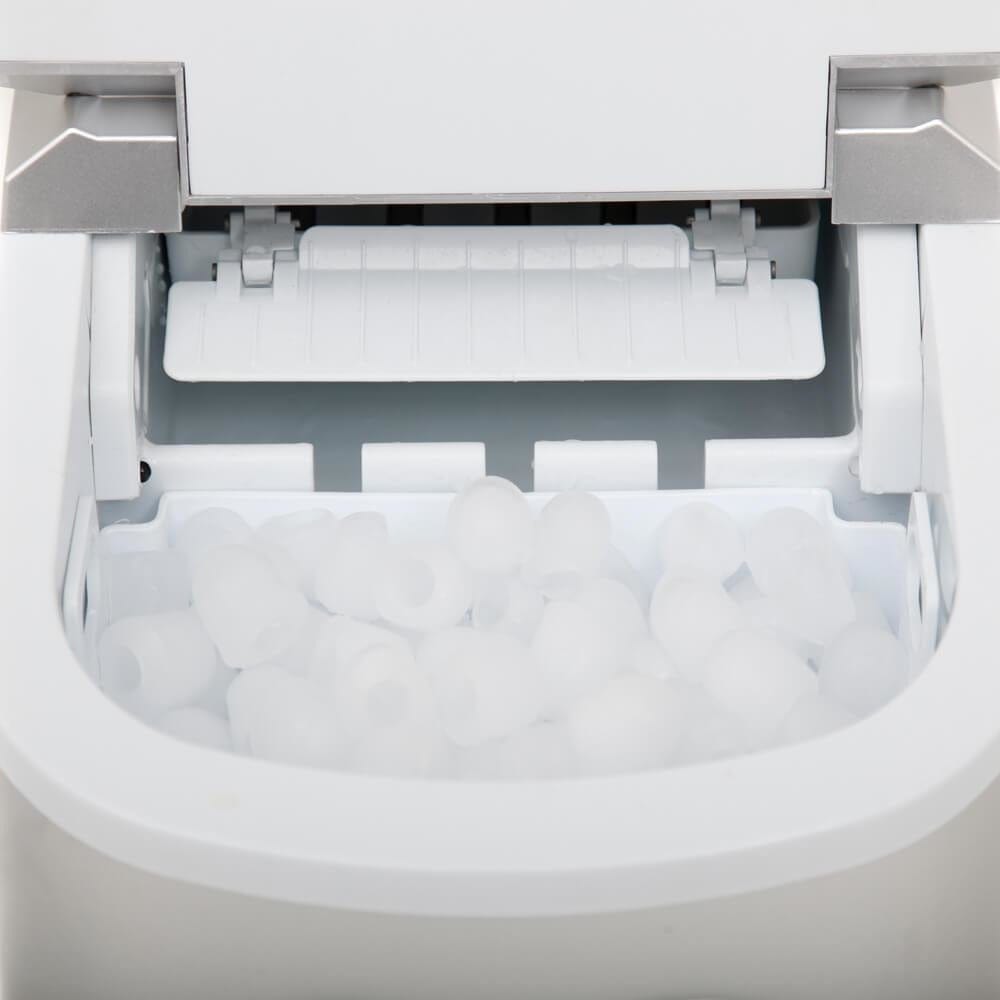
Clear cube ice melts slower and is preferred for cocktails and premium entertaining setups. Nugget ice is softer and designed for chewable ice applications and casual beverage use.
Do not install standard indoor ice makers in garages with extreme seasonal temperatures. High ambient heat and freezing conditions will reduce ice production and damage internal components.
Ice makers should be cleaned regularly to prevent mineral buildup, odor, and reduced ice clarity. Hard water environments usually require more frequent cleaning and filter replacement.