📚 Frequently Asked Questions (FAQs)
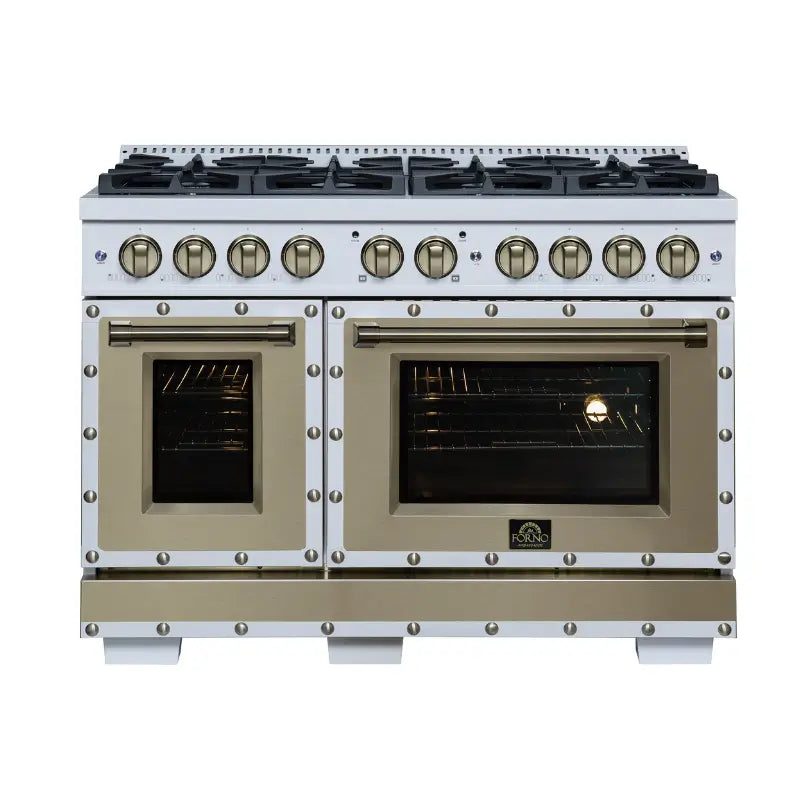
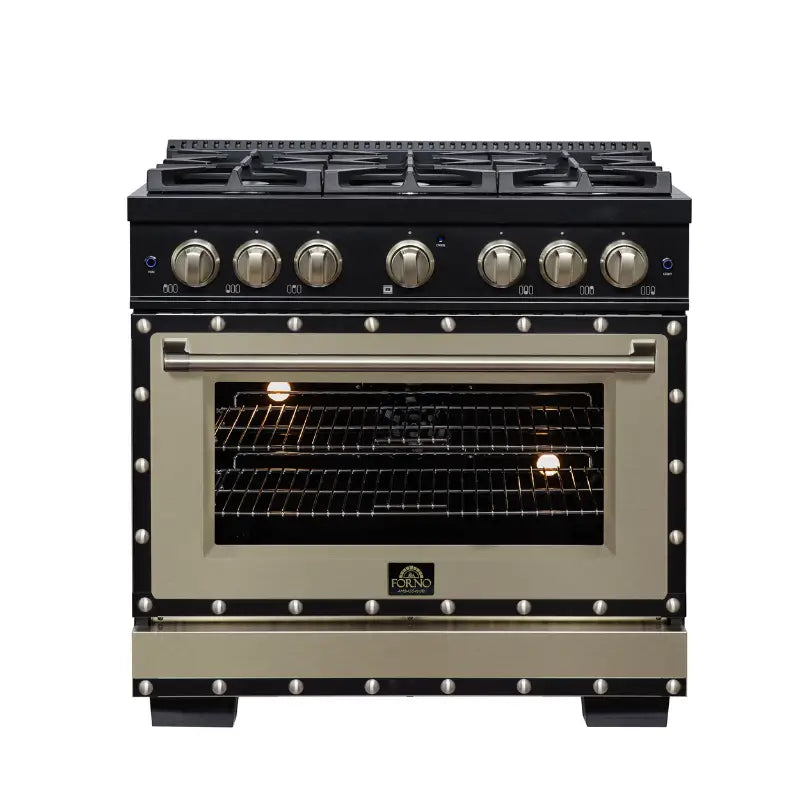
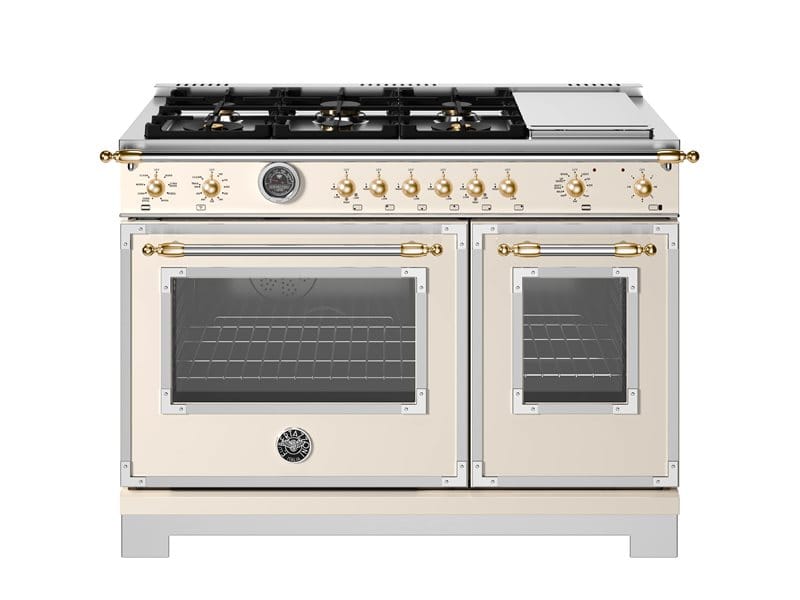
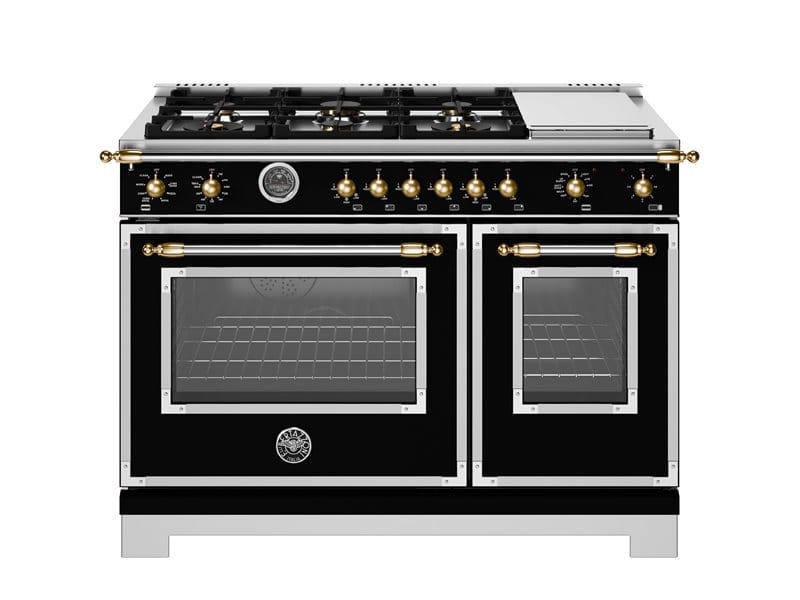
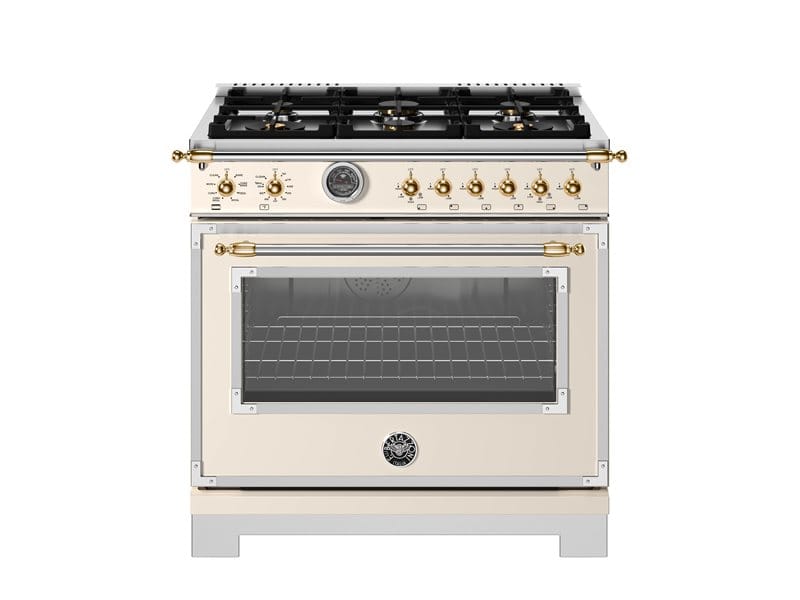
Yes. Dual fuel ranges use electric ovens, which provide more stable and even temperatures than gas ovens for baking and roasting.
Yes. Dual fuel ranges require both a gas connection and a 220–240V electrical outlet for the electric oven.
Choose a dual fuel range if you want fast gas burner control and consistent electric oven baking performance in one appliance.
Do not choose a dual fuel range if your kitchen only supports gas service. Installation requires a dedicated high-voltage electrical connection.
Yes. Dual fuel ranges require both gas and electrical hookups, which often increases installation complexity and cost.
Dual fuel ranges provide better baking consistency, while all-gas ranges typically offer simpler installation and lower operating costs.
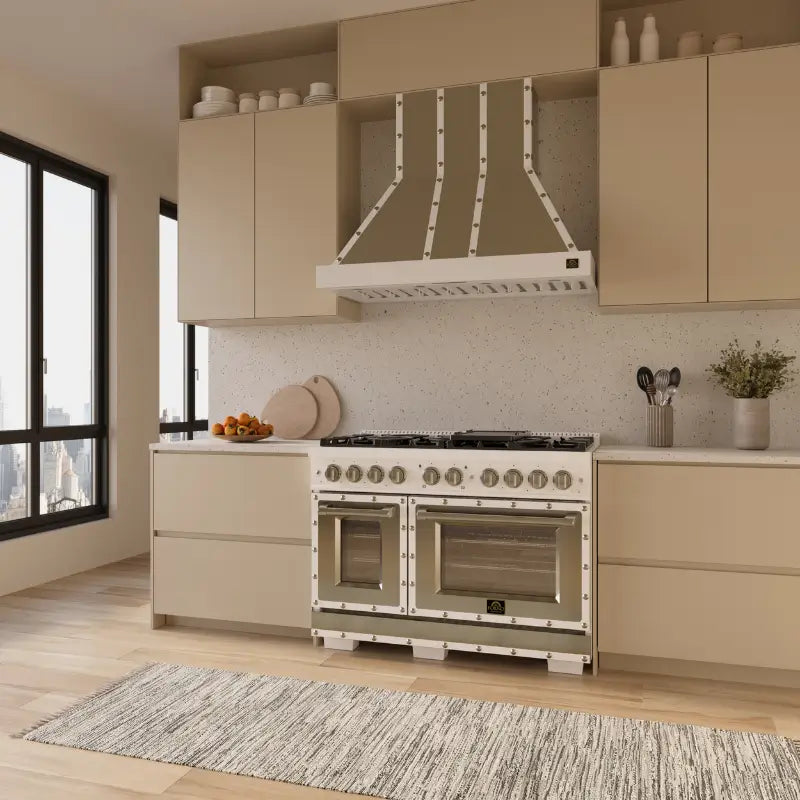
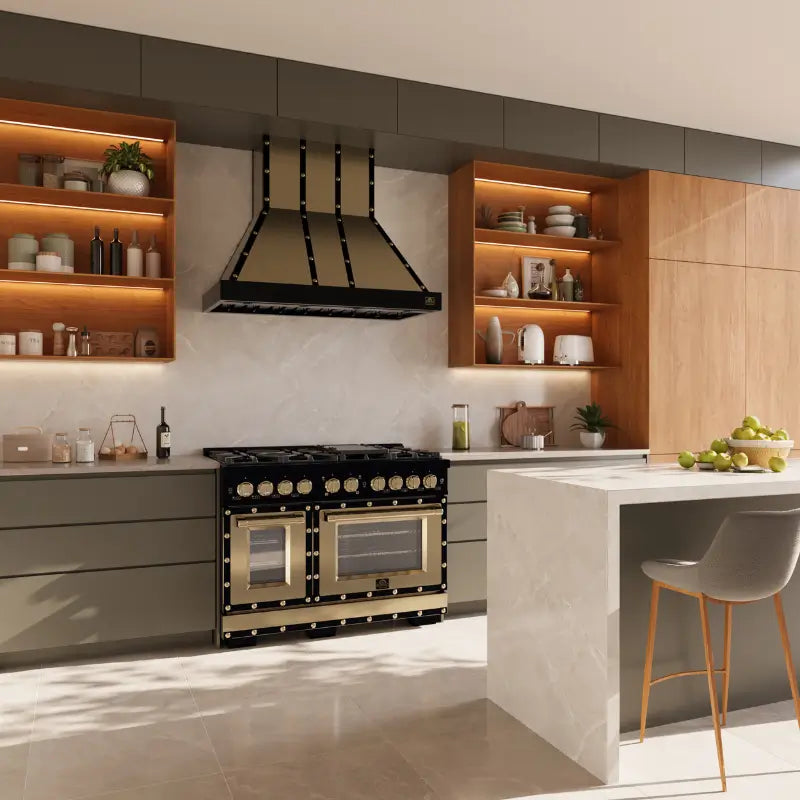
Yes. High-BTU dual fuel ranges should be paired with a properly sized range hood to remove heat, grease, and combustion gases.
Yes. Dual fuel ranges are ideal for serious cooks who frequently bake, roast, and cook multiple dishes simultaneously.