

📚 Frequently Asked Questions (FAQs)
Do not rely on cubic footage alone. Poor insulation, glass walls, or high ambient heat will require a larger system or multiple units.
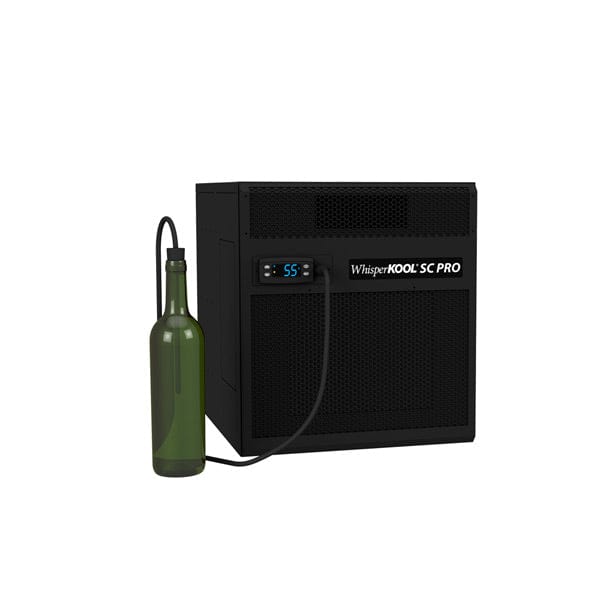
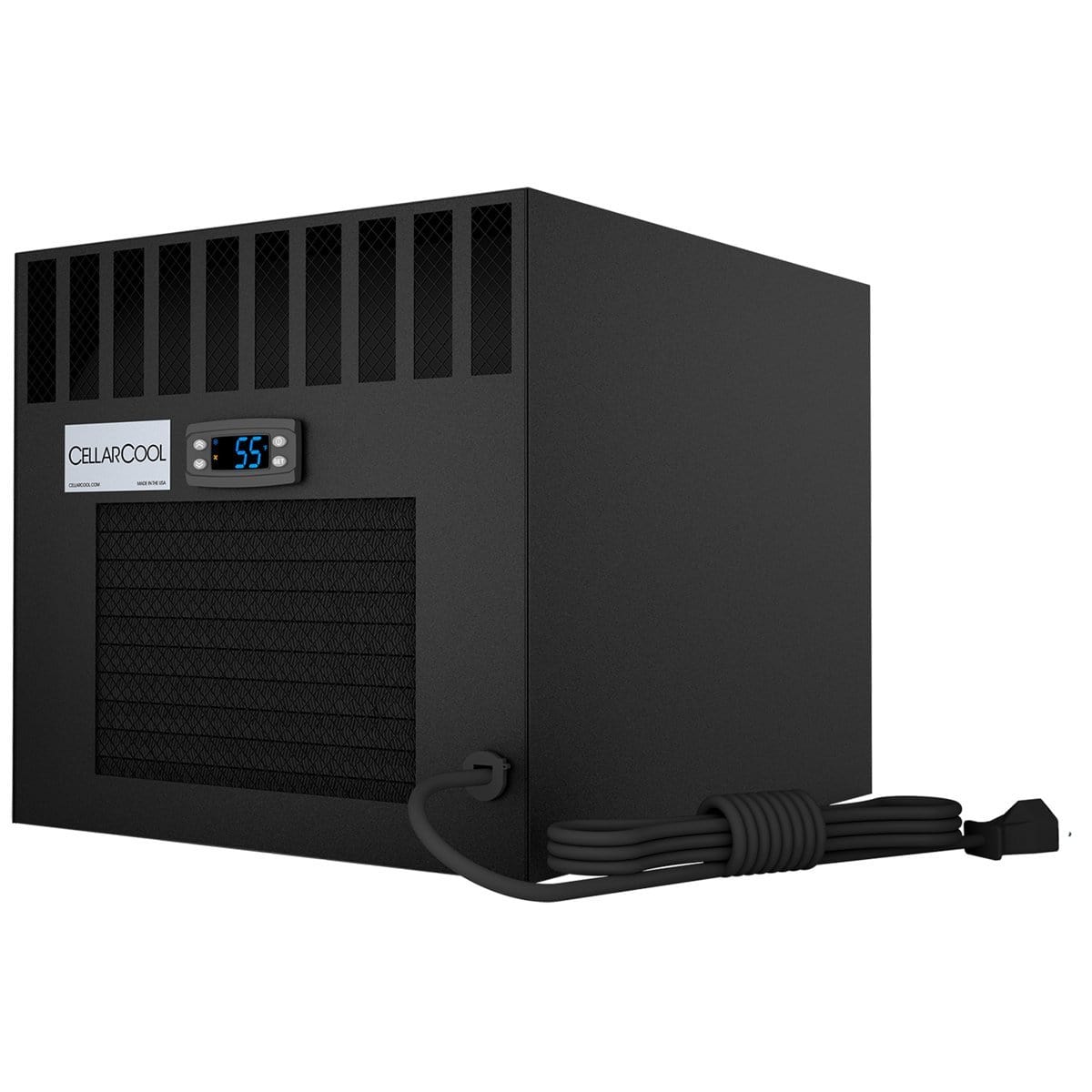
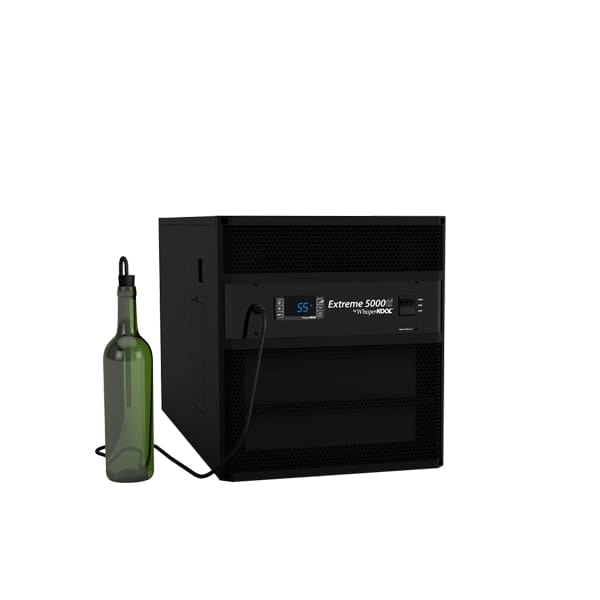
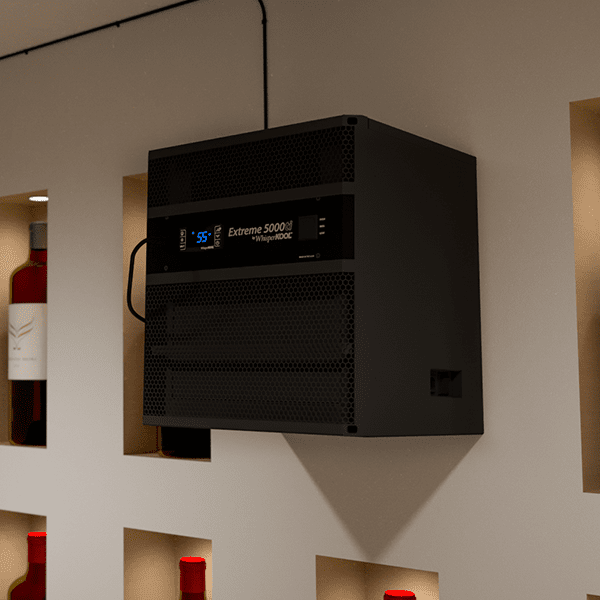
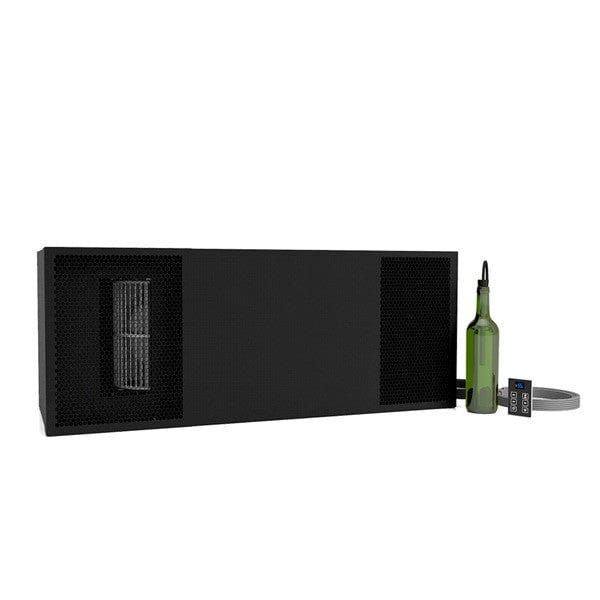
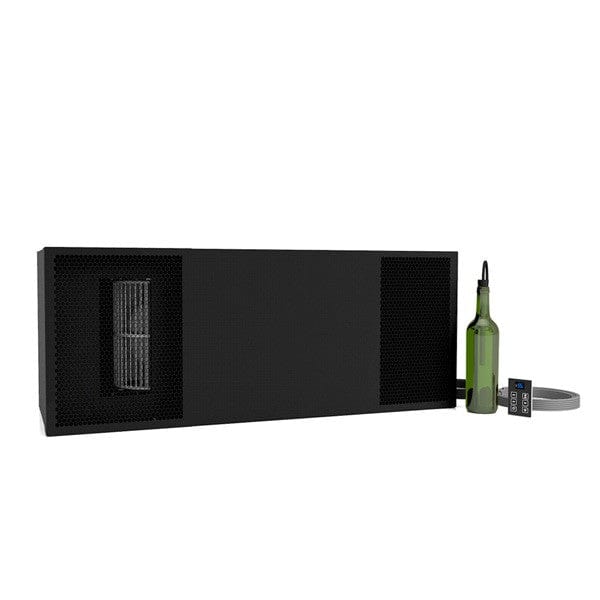
Do not use through-the-wall units for most cellars over ~1,000 cu. ft. They will struggle to maintain temperature and run continuously.
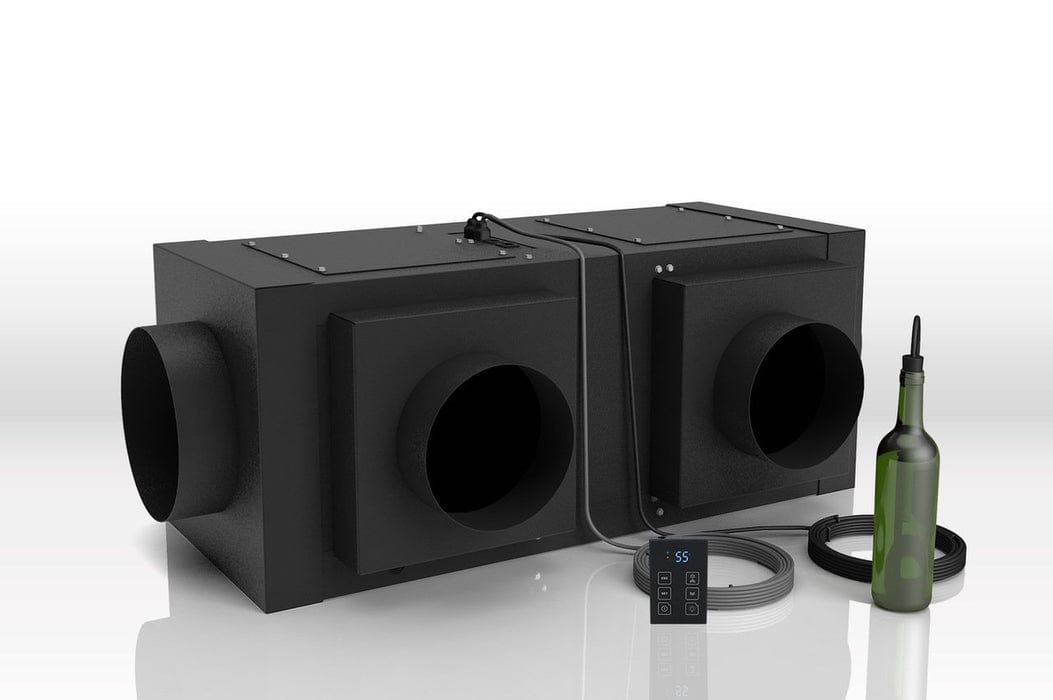
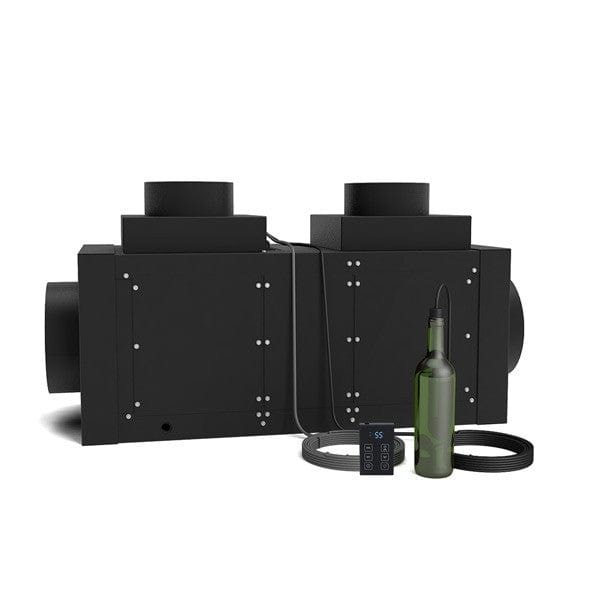
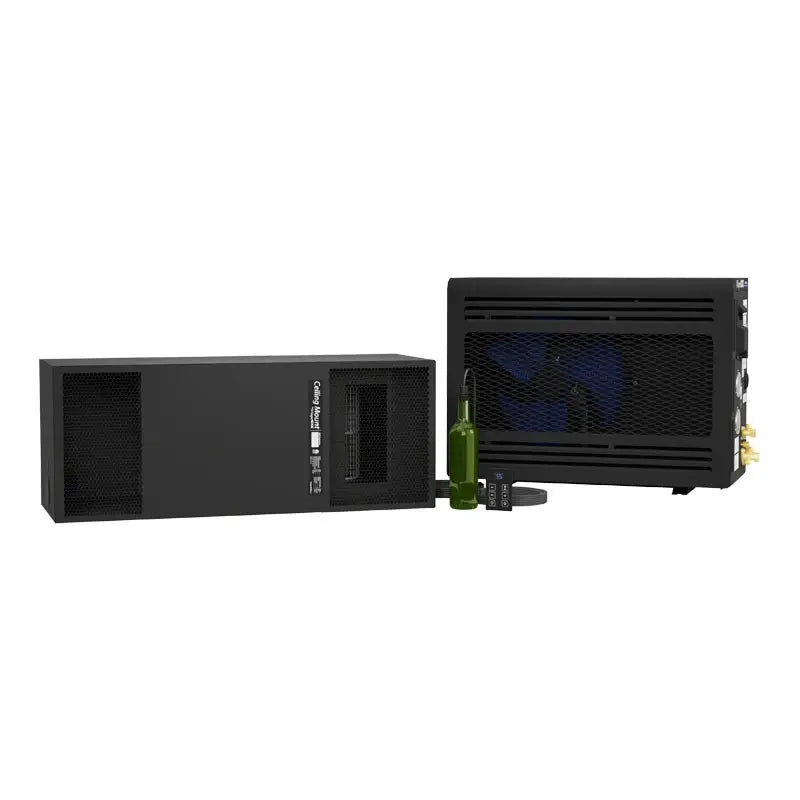
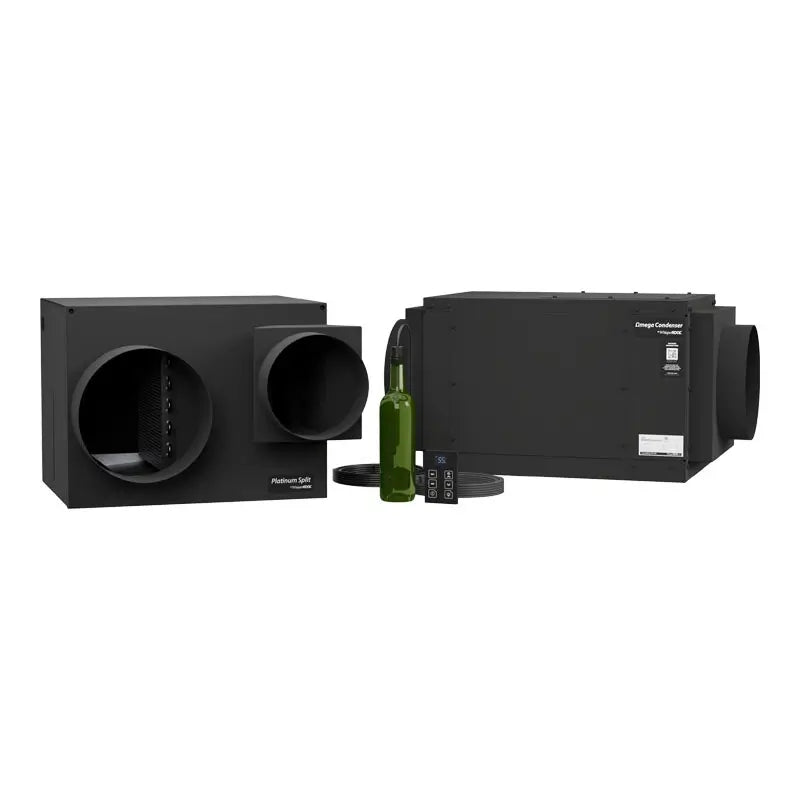
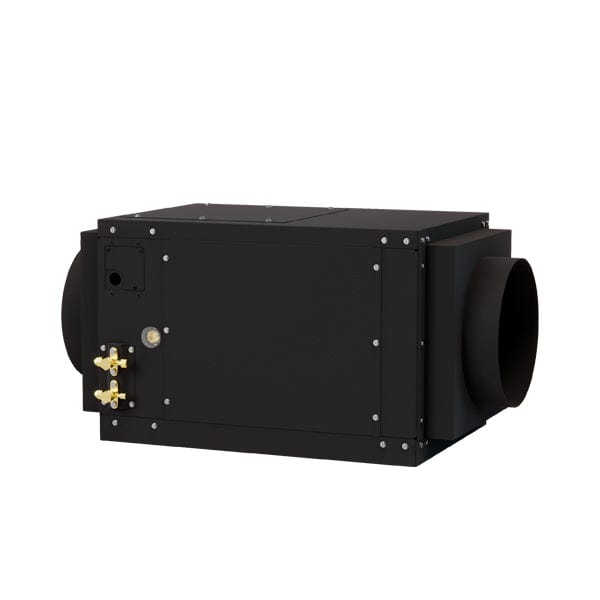
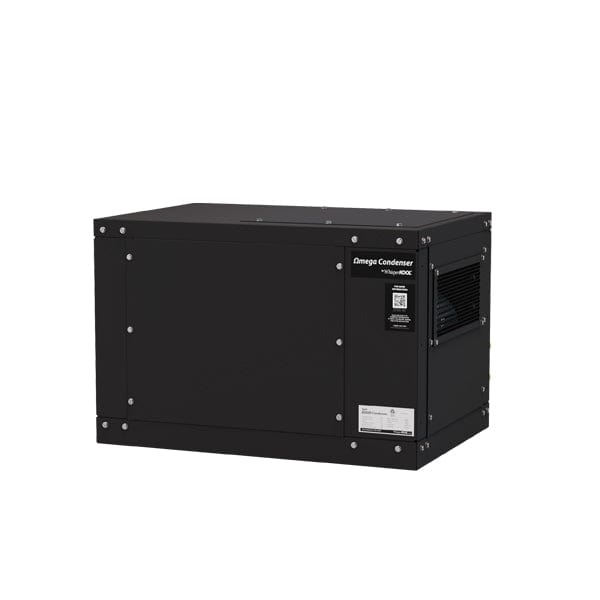
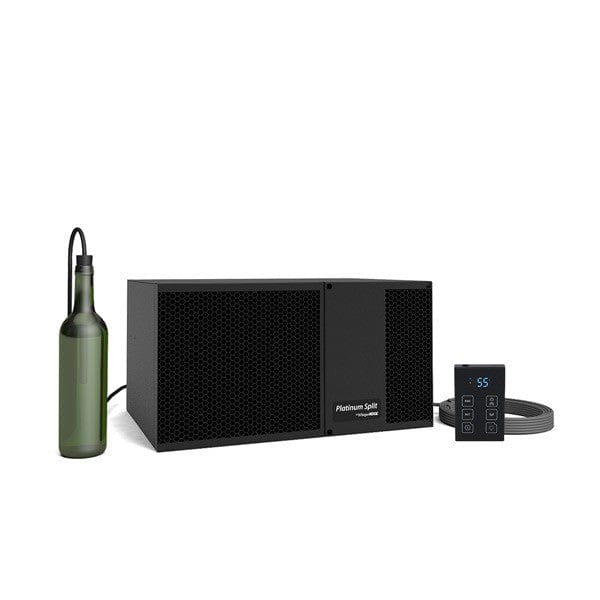
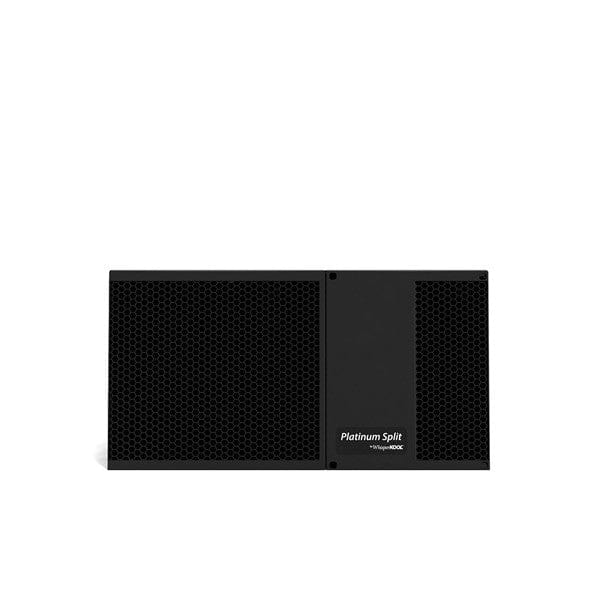
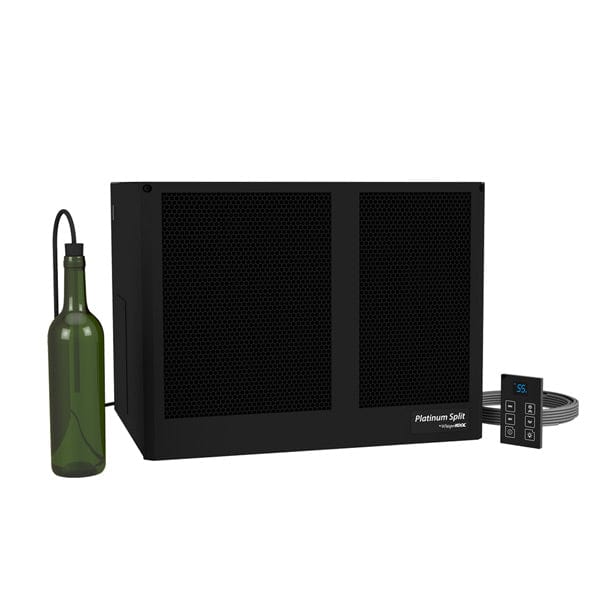
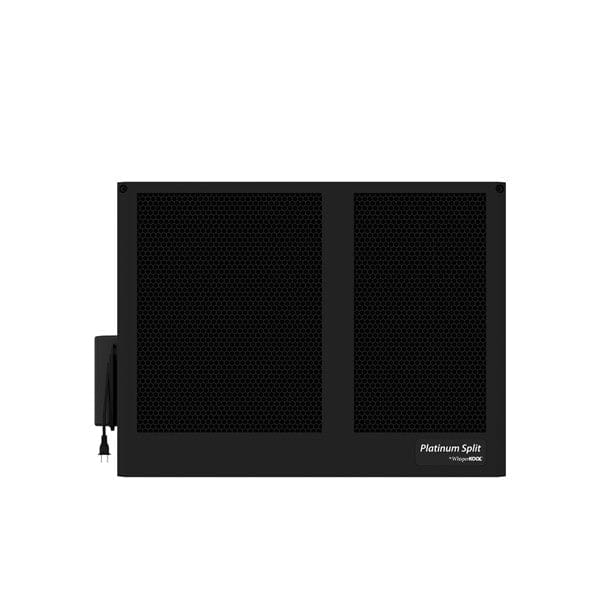
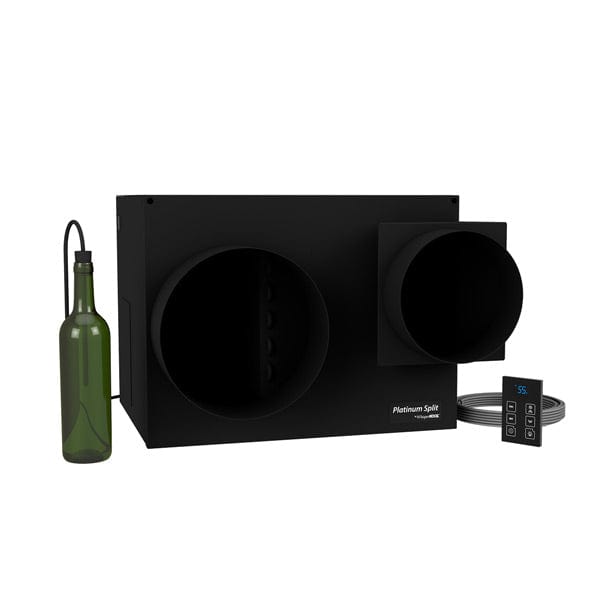
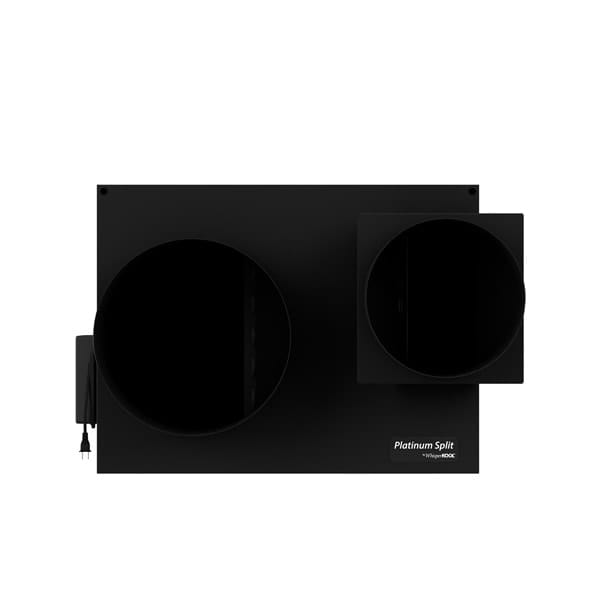
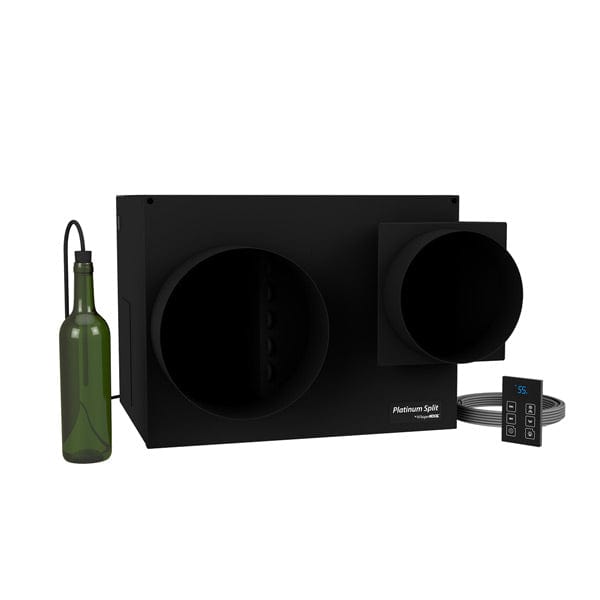
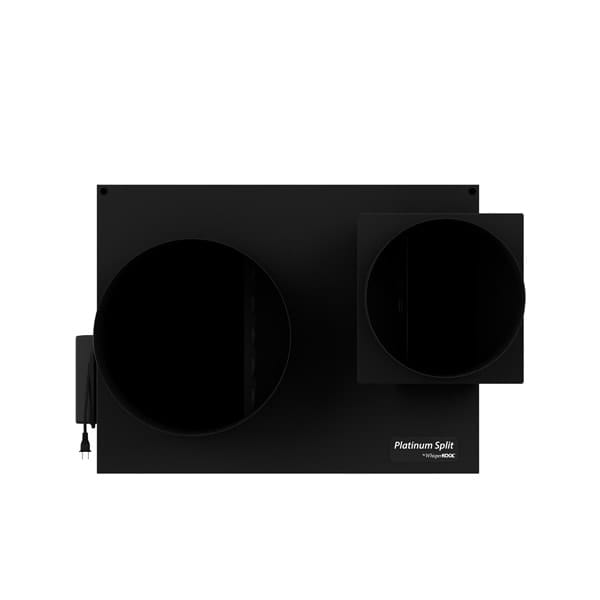
Choose a split or ducted system if you need quiet operation or have a large custom cellar. Self-contained systems will produce noticeable noise and heat in larger spaces.
An undersized unit will run constantly and fail to reach target temperature. This leads to premature system wear and unstable storage conditions.
Split and ducted systems require professional HVAC installation. Improper installation will reduce performance and may void manufacturer expectations.
Do not install in garages or hot environments without proper insulation and vapor barriers. The system will not maintain stable temperature under these conditions.