Custom Wine Cellar Design Support
Get expert help selecting the right cooling unit based on your cellar size, insulation, and layout.
- Cooling unit recommendations
- Room size + insulation guidance
- Support for builders & homeowners
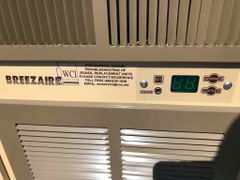
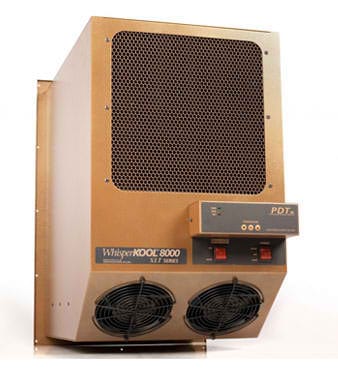
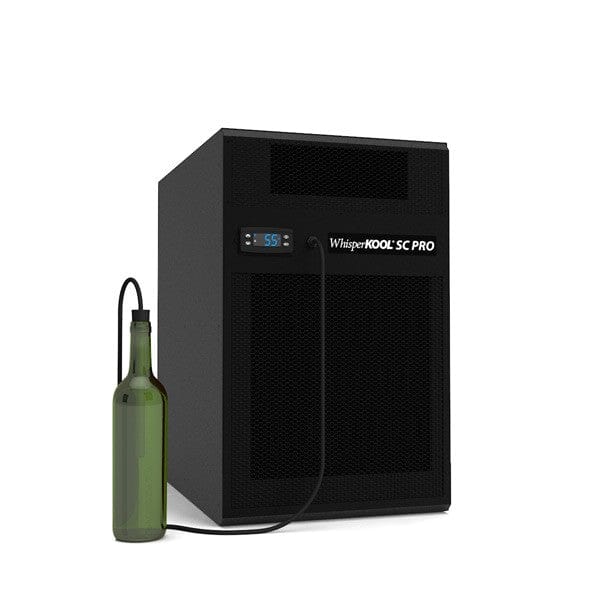
WhisperKOOL 2000 cu.ft. and Above - Wine Cellar Cooling Units
22 products
Showing 1 - 22 of 22 products
WhisperKOOL Wine Cooling Units for 2000+ Cu Ft Cellars
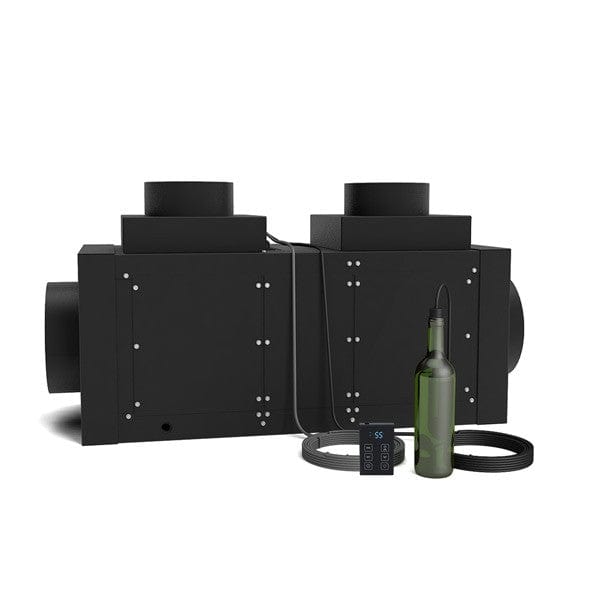
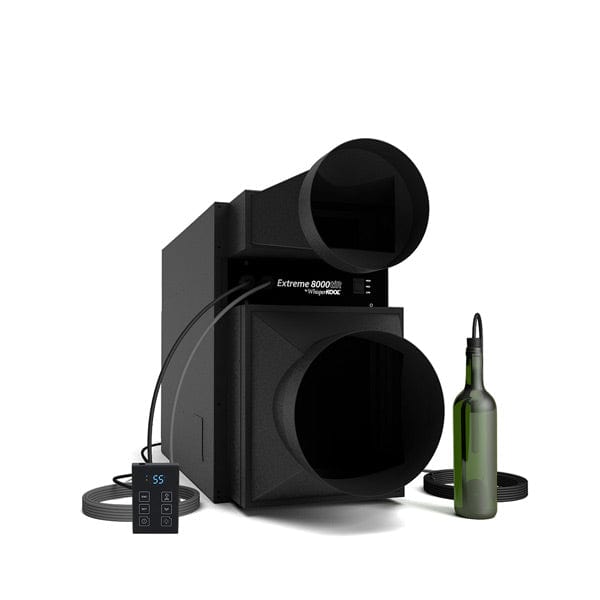
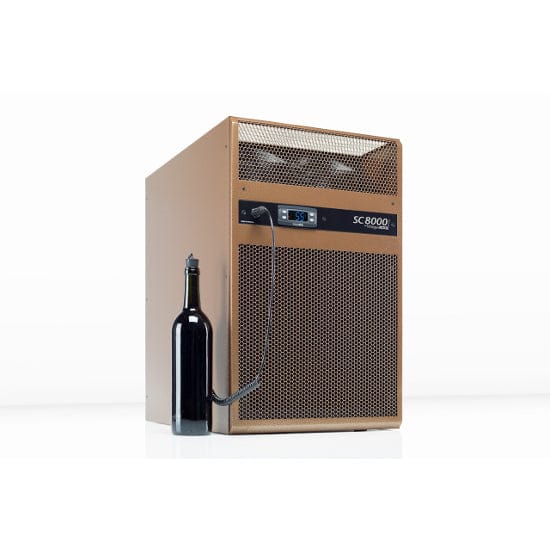
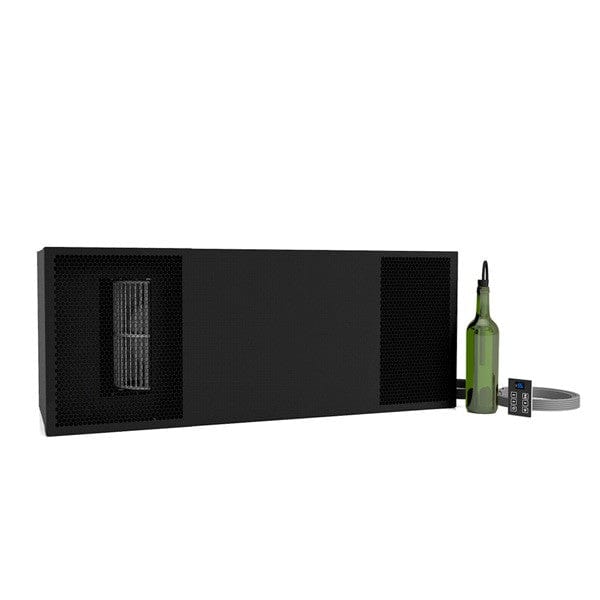
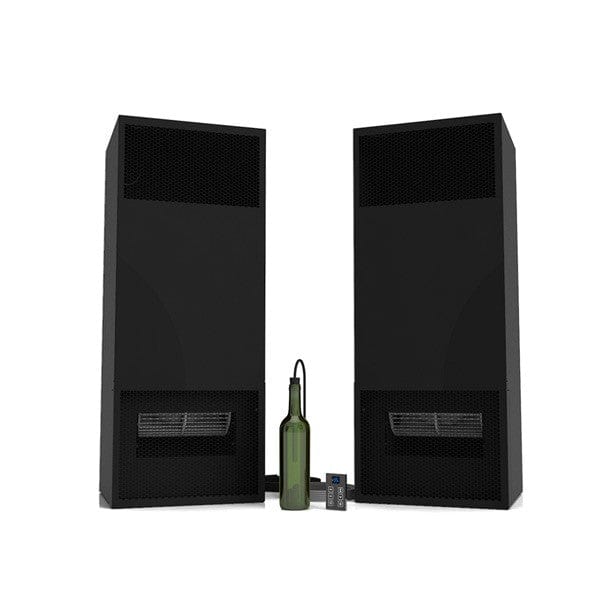
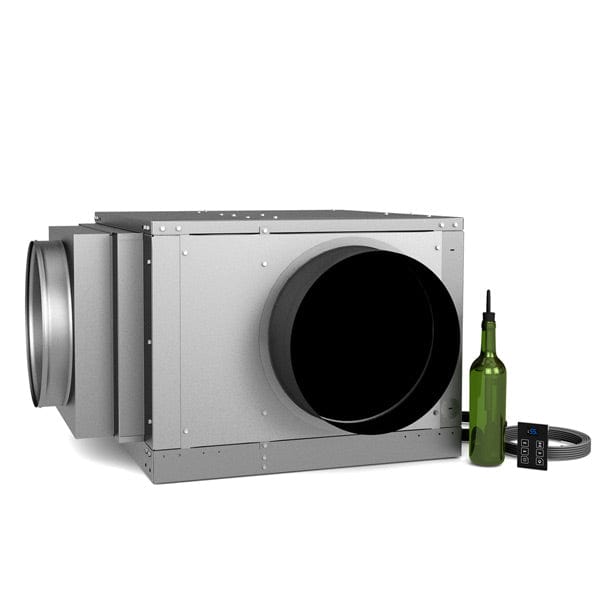
WhisperKOOL cooling units in this collection are designed specifically for wine cellars exceeding 2,000 cubic feet—where standard systems fail to deliver consistent temperature, airflow, and humidity control. These high-capacity solutions are engineered for large residential builds, commercial wine rooms, and collector-grade environments that require precise, stable conditions.
If you're unsure whether your cellar falls into this range, explore our full selection of wine cellar cooling units to compare system sizing and performance requirements across different capacities.
Who This Is For
- Collectors with Large Inventories: Designed for long-term storage where temperature fluctuation is not acceptable
- Luxury Homeowners: Custom wine rooms requiring quiet, high-performance cooling systems
- Builders & Contractors: Projects where system sizing, ducting, and installation must be engineered correctly
- Designers & Architects: High-end spaces where system visibility, airflow, and noise must be controlled
When You Need a 2000+ Cu Ft Cooling System
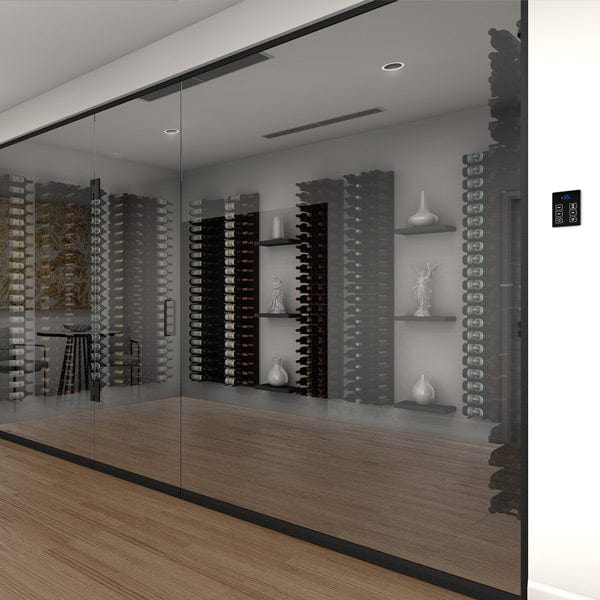
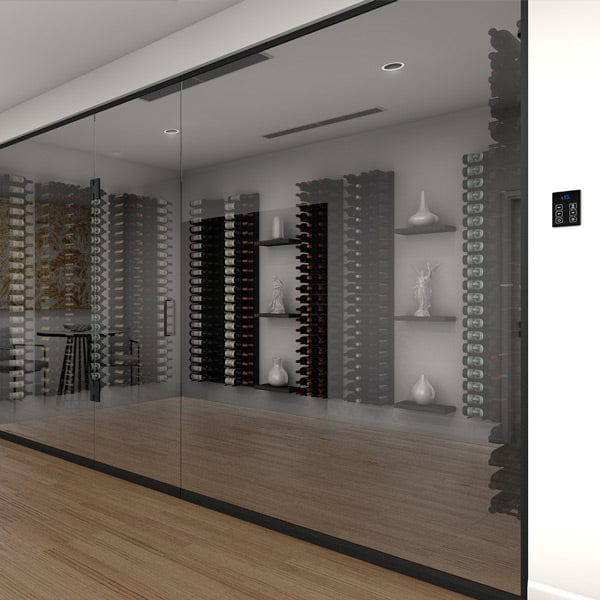
Use this category only if your cellar exceeds 2,000 cubic feet or includes additional heat loads such as glass walls, poor insulation, or high ambient temperatures. Large cellars require higher BTU output, controlled airflow distribution, and often split or ducted configurations to maintain stable conditions.
If your space is smaller, do not oversize your system. Review cooling units for 1000–1999 cu ft cellars to avoid inefficient cycling and poor humidity control.
System Types for Large Wine Cellars
Split Systems (Recommended for Most Large Cellars)
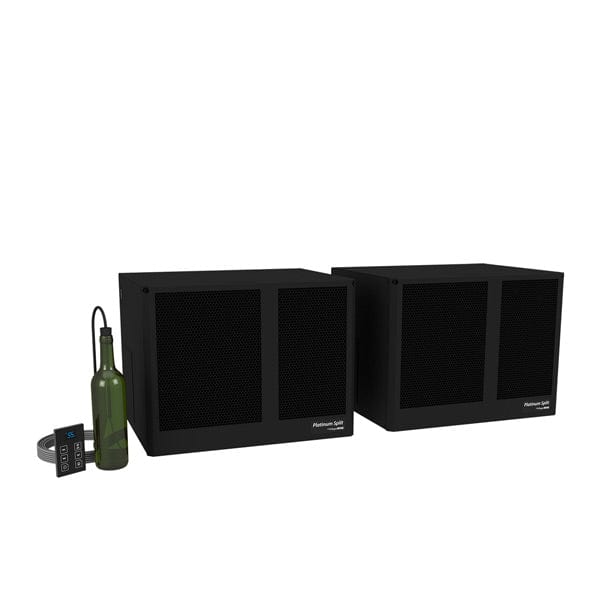
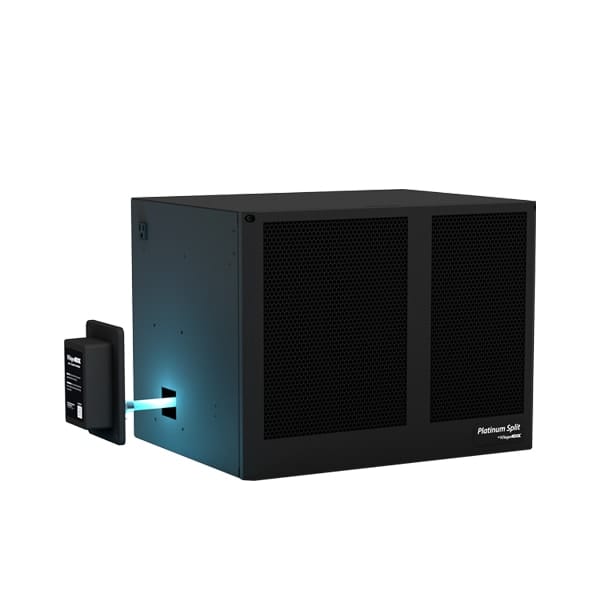
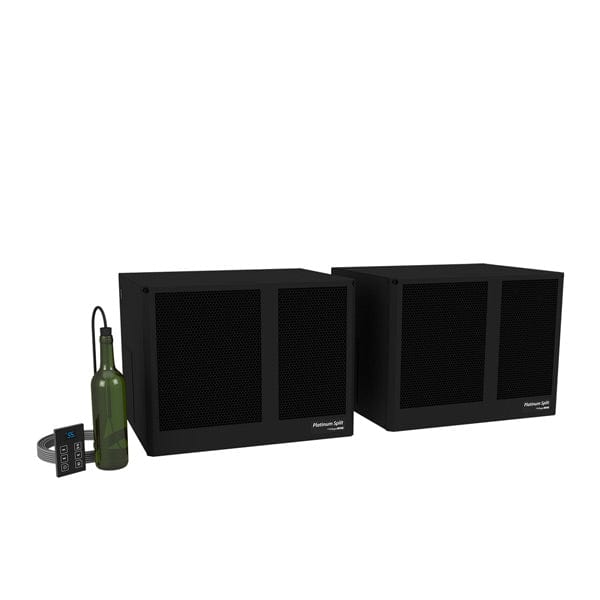
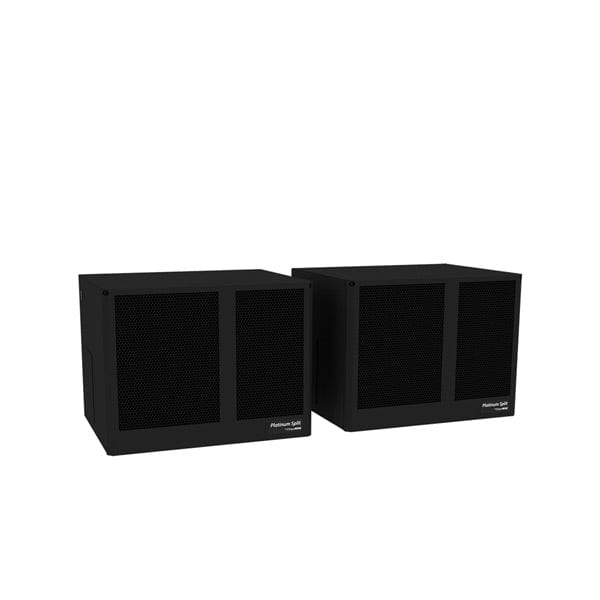
Split systems separate the evaporator and condenser, reducing noise and allowing flexible installation. They are the most common solution for large residential cellars. For advanced airflow distribution, consider ducted split wine cellar systems designed for multi-zone or extended layouts.
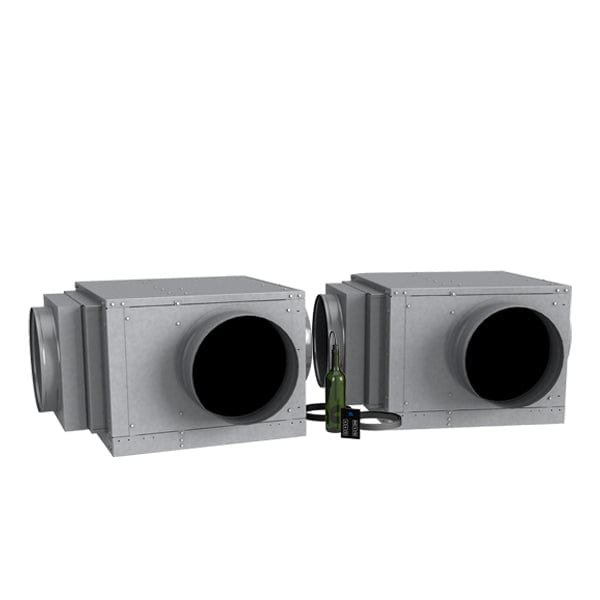
Ducted Systems (Best for Hidden Installations)
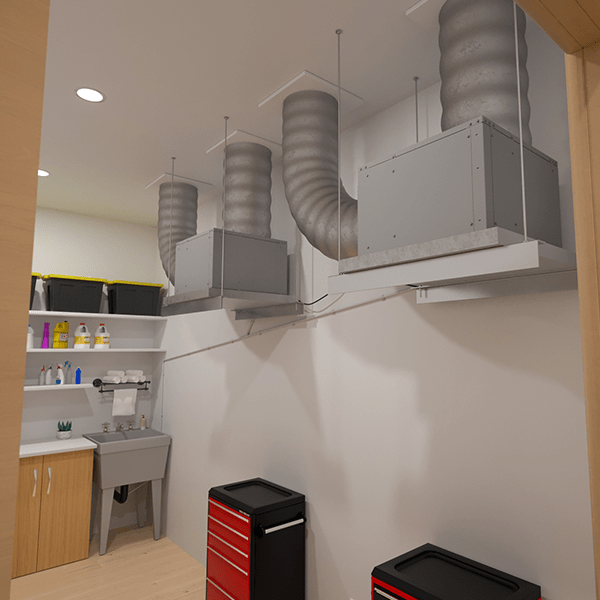
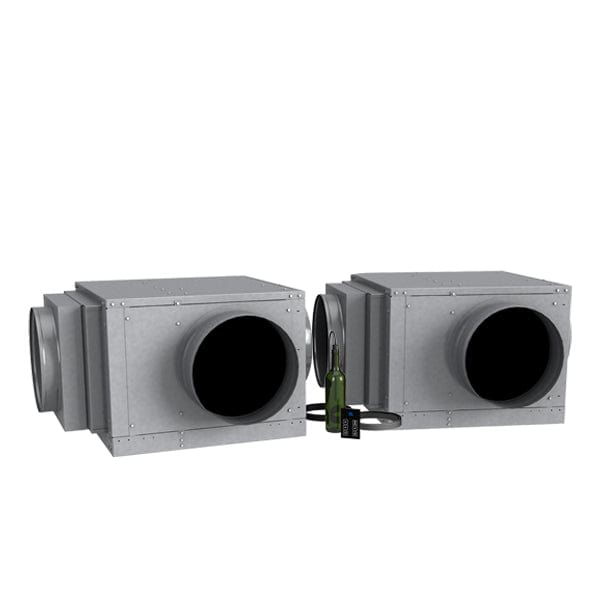
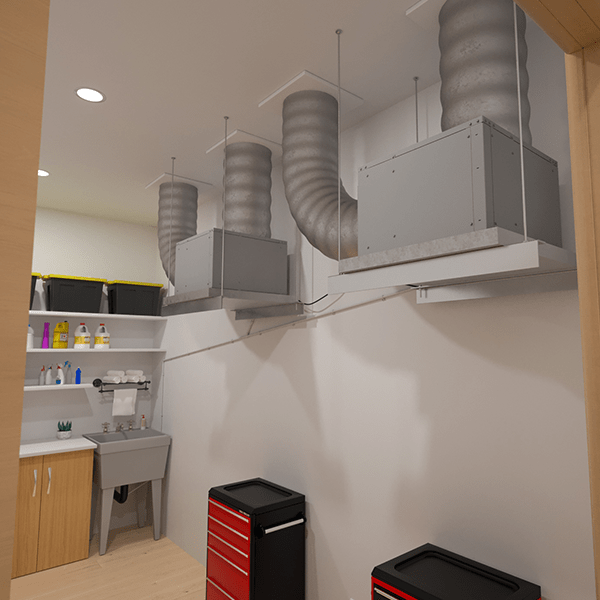
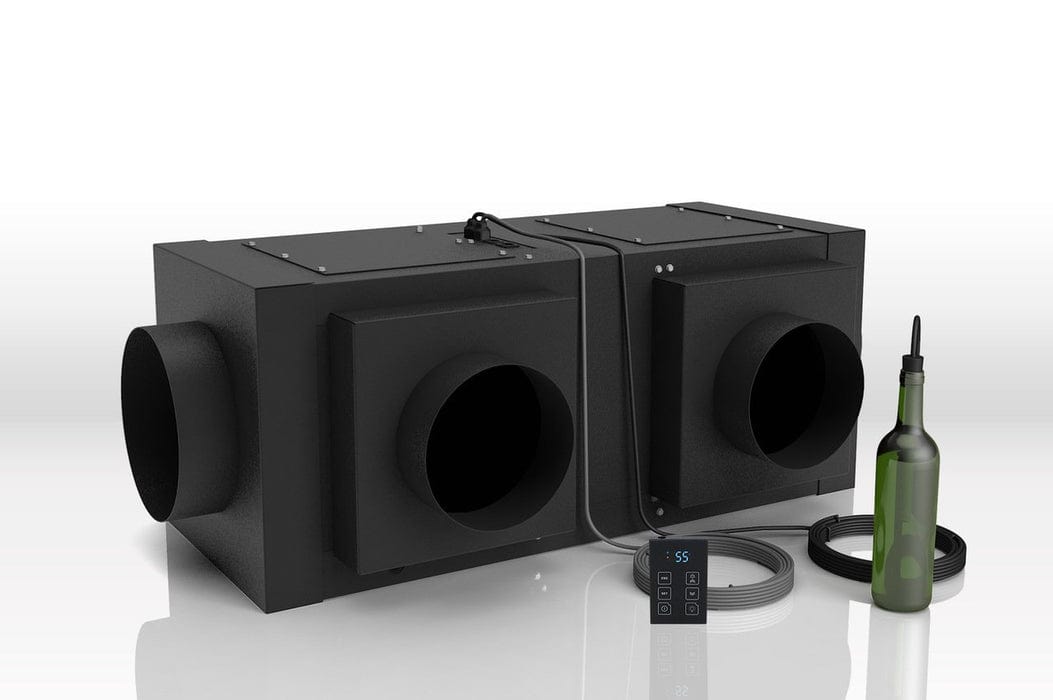
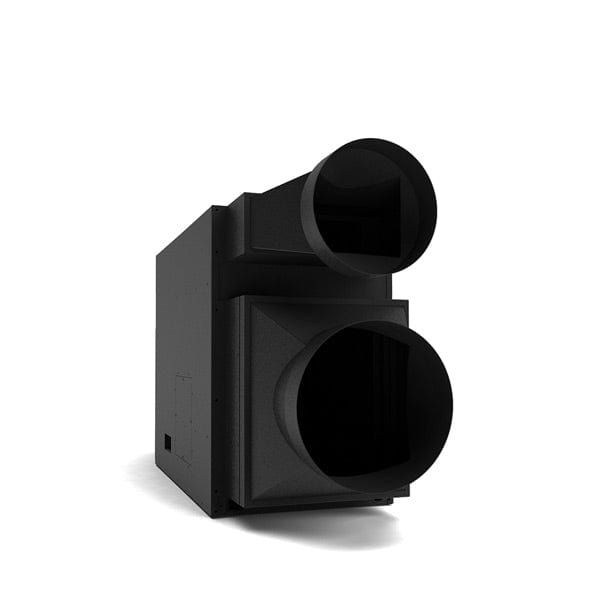
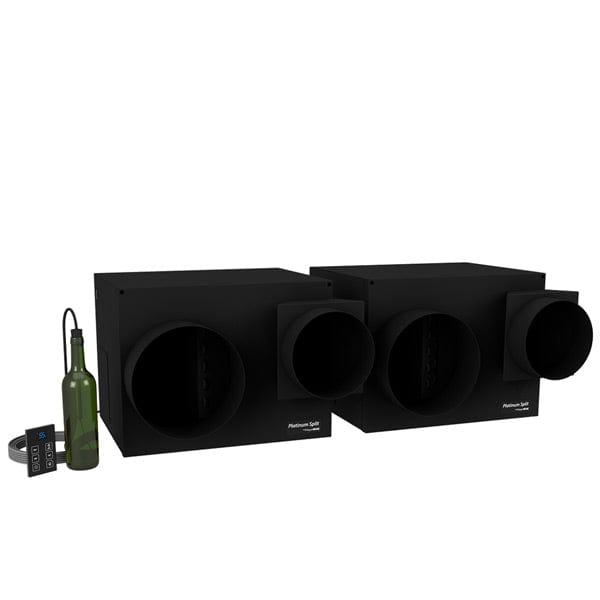
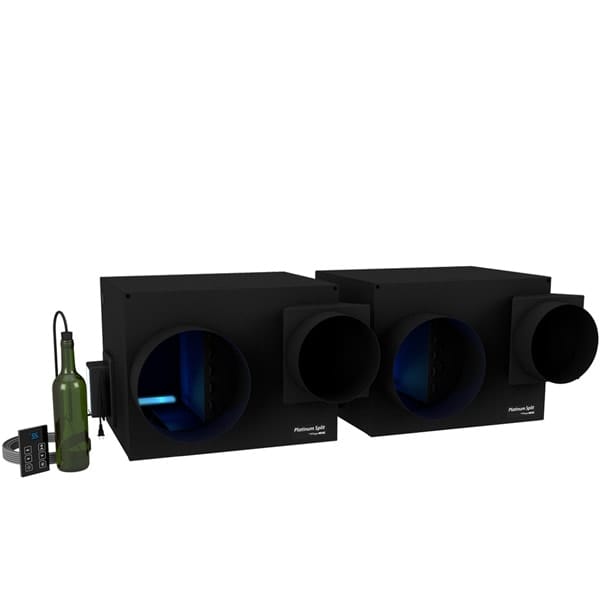
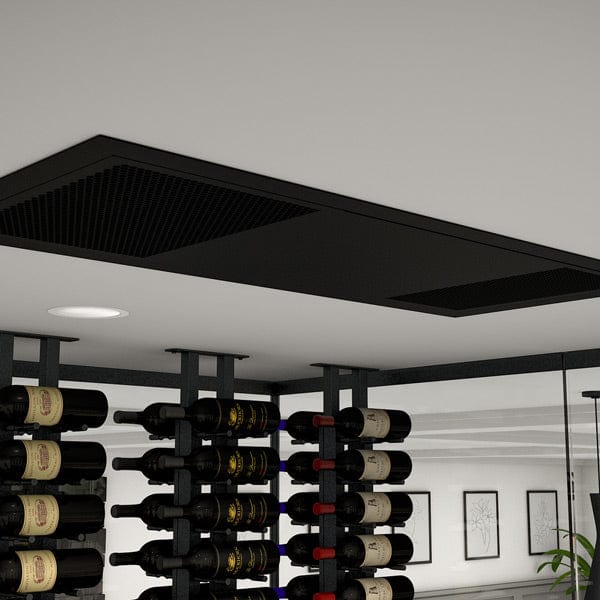
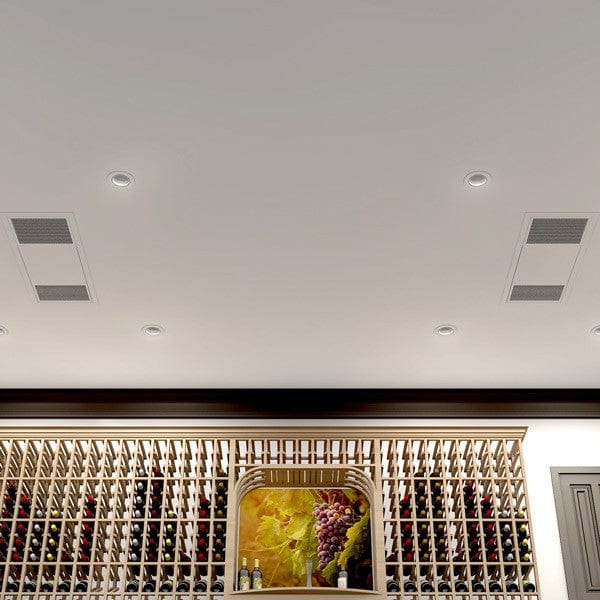
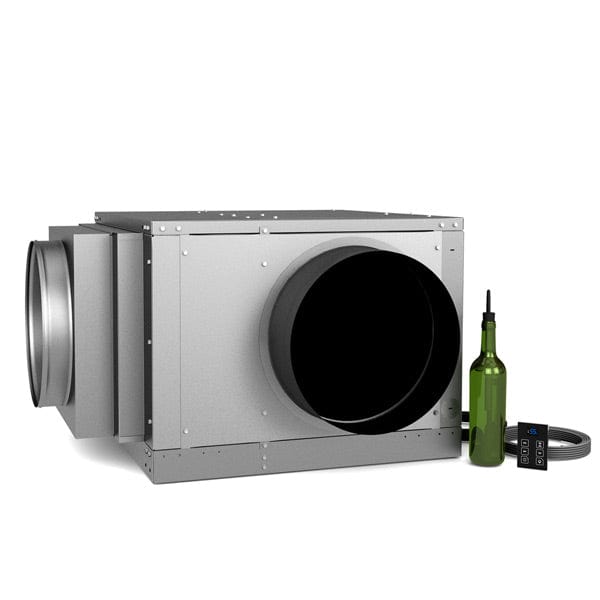
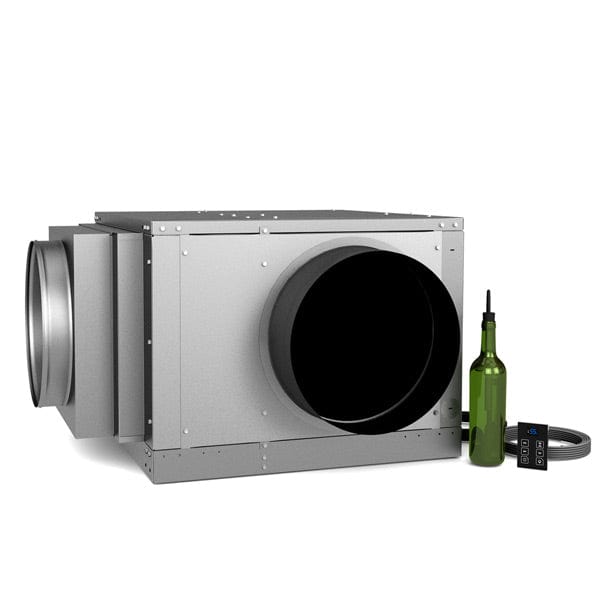
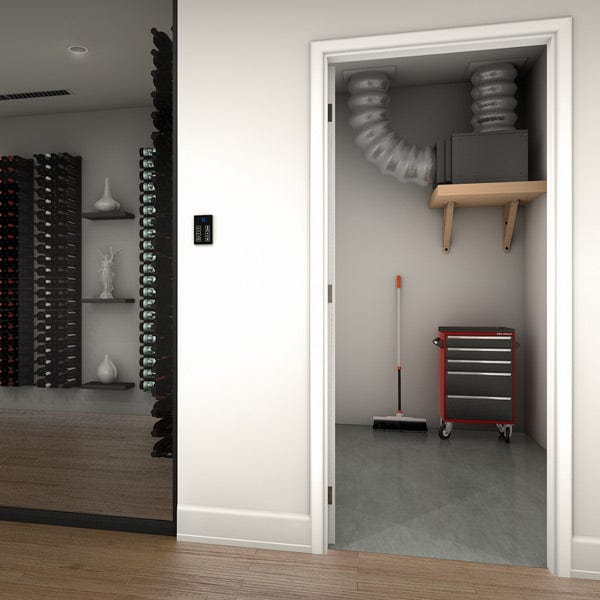
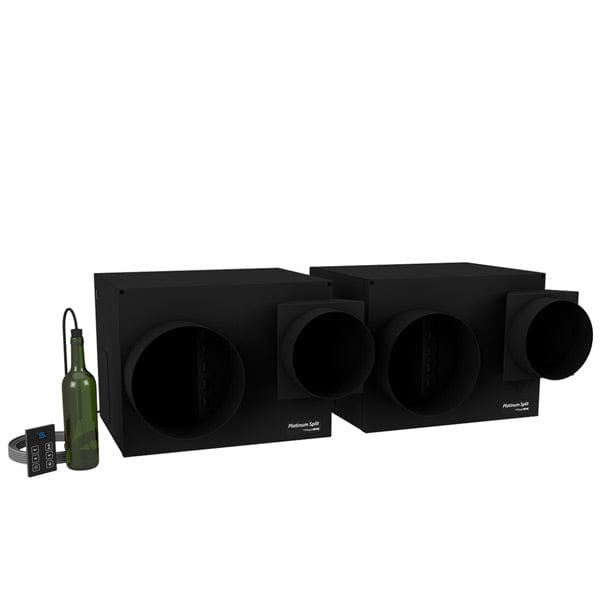
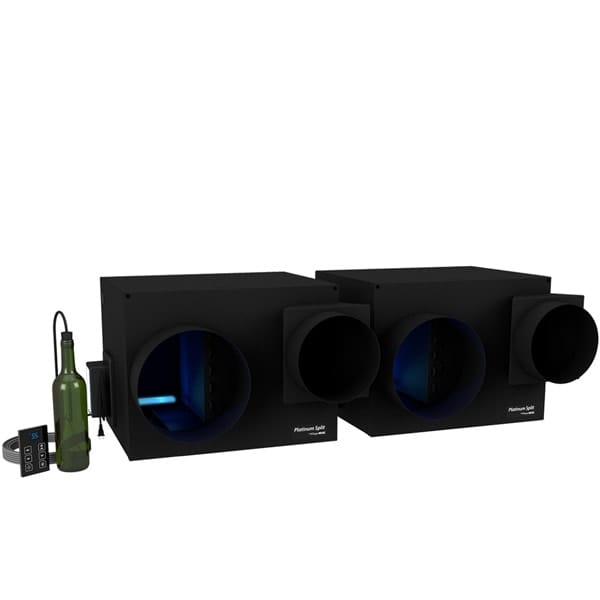
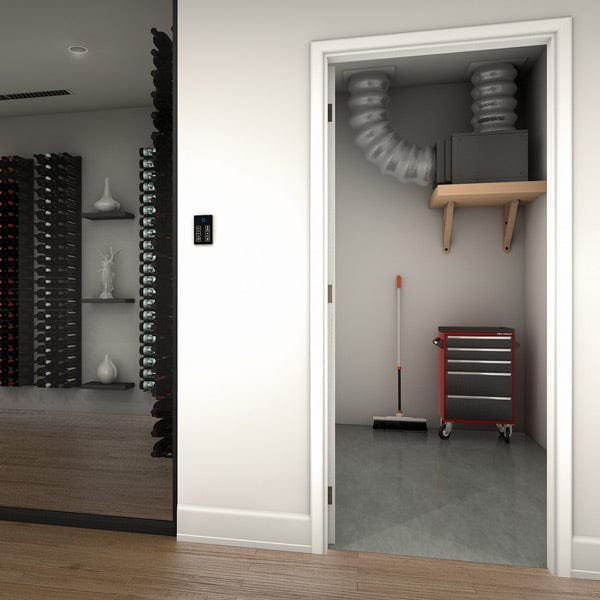
Ducted systems allow cooling equipment to be installed outside the cellar, preserving aesthetics and reducing noise. These systems are preferred in luxury designs where equipment visibility is not acceptable. Explore self-contained ducted systems for integrated solutions.
Ductless Split Systems (For Installation Constraints)
Ductless split systems provide flexibility when ducting is not possible. These systems are often used in retrofit applications or structural limitations. Compare available ductless split cooling units to determine fit.
Technical Specifications for High-Capacity Systems
- Coverage Capacity: 2,000+ cubic feet (must match actual heat load conditions)
- Cooling Power: High BTU output designed for large-volume air exchange
- Airflow Design: Engineered for even distribution across large spaces
- Humidity Control: Maintains proper moisture levels to protect cork integrity
- Noise Control: Split and ducted systems reduce audible operation in living spaces
- Installation Options: Remote condenser, ducted airflow, or hybrid configurations
Common Mistakes That Will Cause System Failure
- Using an undersized unit: Will run continuously and still fail to maintain temperature
- Oversizing the system: Causes short cycling and poor humidity control
- Ignoring insulation: Even high-end systems fail in unsealed environments
- Poor airflow planning: Leads to hot and cold zones inside the cellar
- Improper installation: Reduces system lifespan and performance immediately
How to Choose the Right System
Do not choose based on cubic footage alone. Proper system selection must account for insulation quality, vapor barriers, glass exposure, ceiling height, and ambient conditions. Most large cellars require split or ducted systems to maintain stable performance.
If you're evaluating models across configurations, browse the full WhisperKOOL collection to compare available systems and installation types.
Alternative Solutions (If This Category Is Not the Right Fit)
If your project does not require a full cellar system, consider wine coolers for smaller spaces or built-in wine coolers for kitchen or bar integration.
For multi-use entertaining spaces, wine and beverage centers provide flexible storage without requiring dedicated cellar construction.


📚 Frequently Asked Questions (FAQs)
Do not size based on cubic footage alone. Large cellars require systems matched to insulation, heat load, and airflow or temperature stability will fail.
No. Undersized units will run continuously and still fail to maintain temperature, leading to system damage and potential wine loss.
Yes in most cases. Large cellars require split or ducted systems to provide sufficient cooling power and installation flexibility.
Oversized systems will short cycle and fail to maintain proper humidity levels, which can damage wine over time.
Yes. High-capacity systems must be properly designed and installed. Incorrect installation will reduce performance and system lifespan.