Custom Wine Cellar Design Support
Get expert help selecting the right cooling unit based on your cellar size, insulation, and layout.
- Cooling unit recommendations
- Room size + insulation guidance
- Support for builders & homeowners
Self Contained Ducted Wine Cellar Cooling Units
11 products
Showing 1 - 11 of 11 products
Hidden, High-Performance Wine Cellar Cooling with Simplified Installation
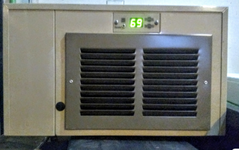
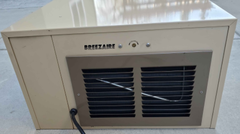
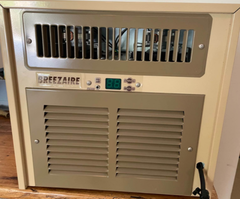
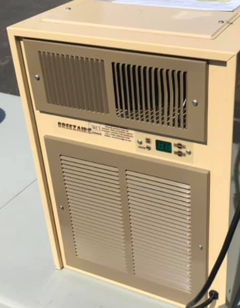
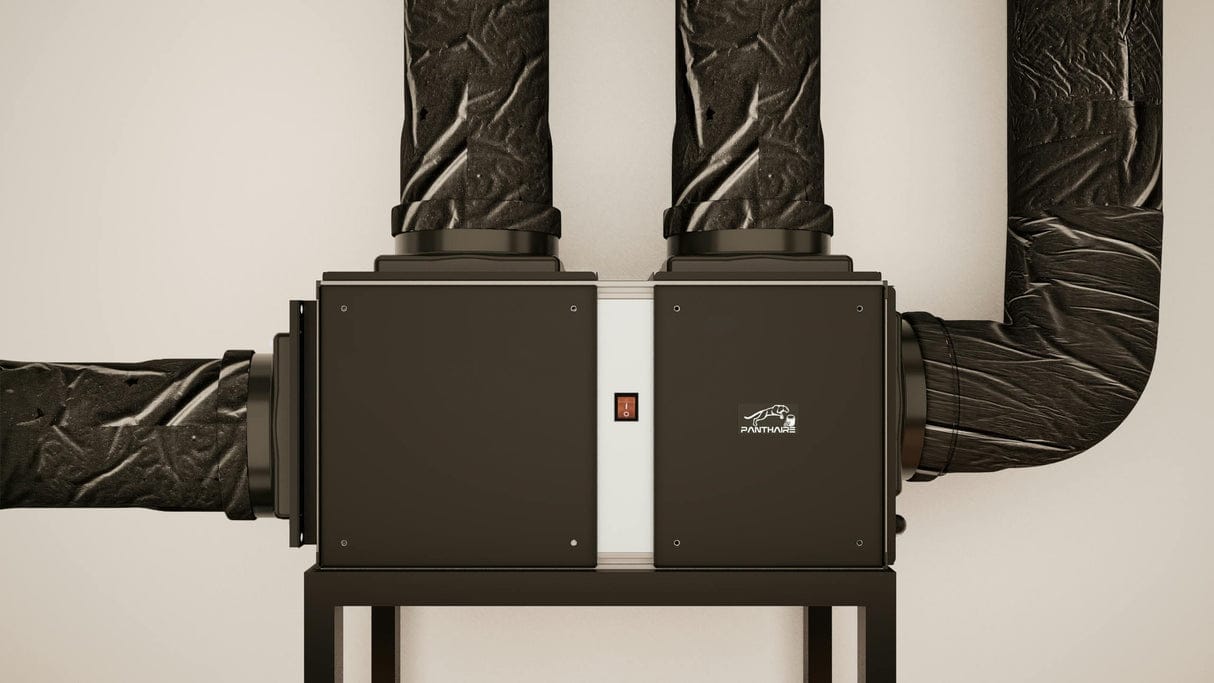
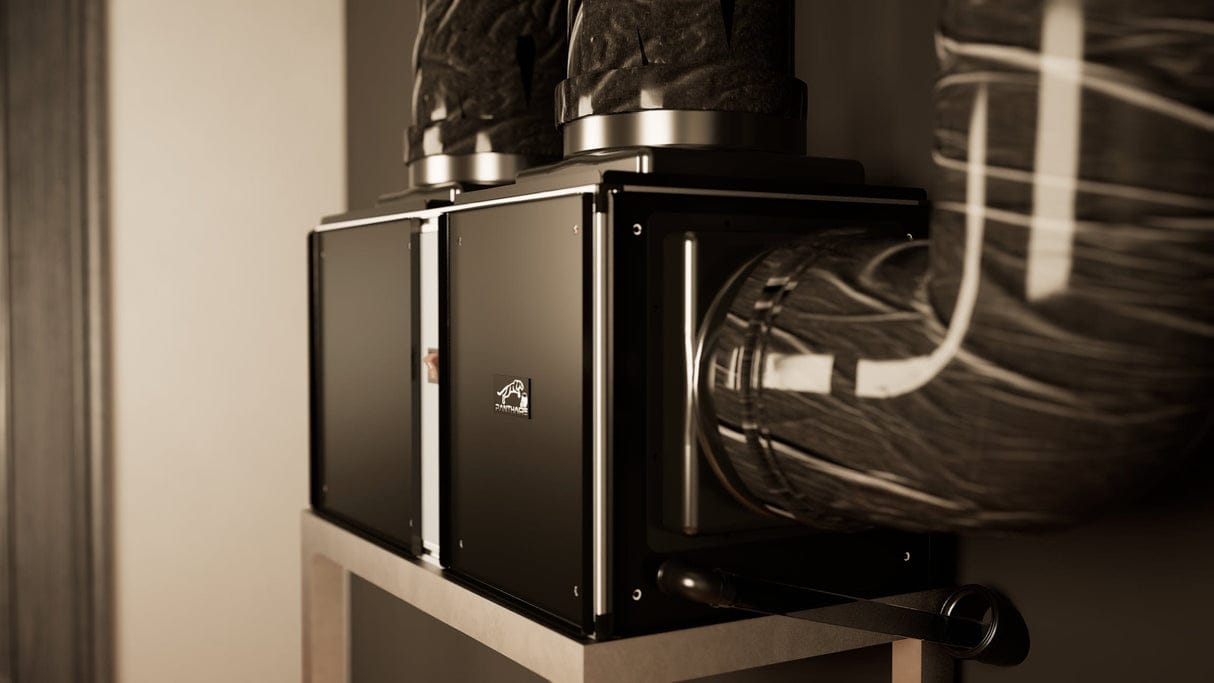
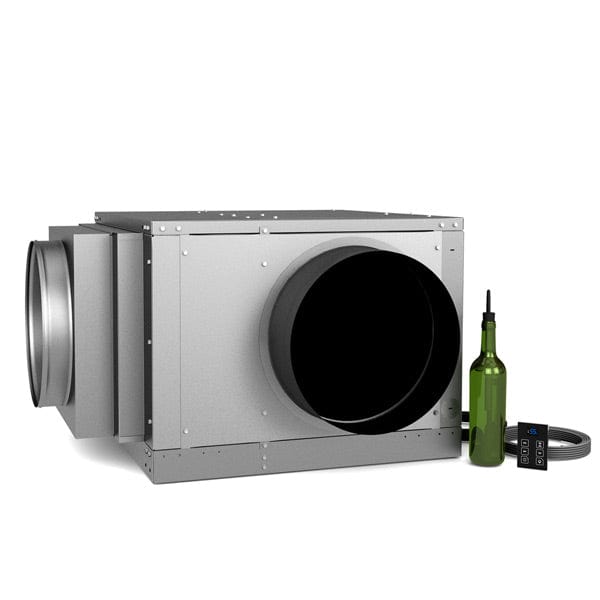
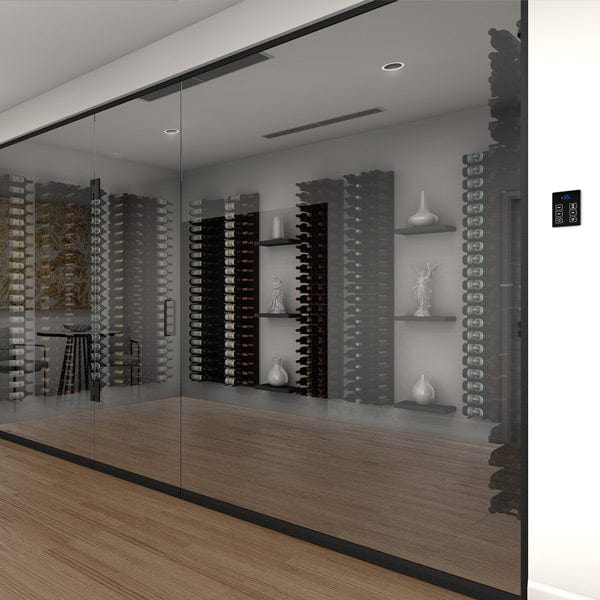
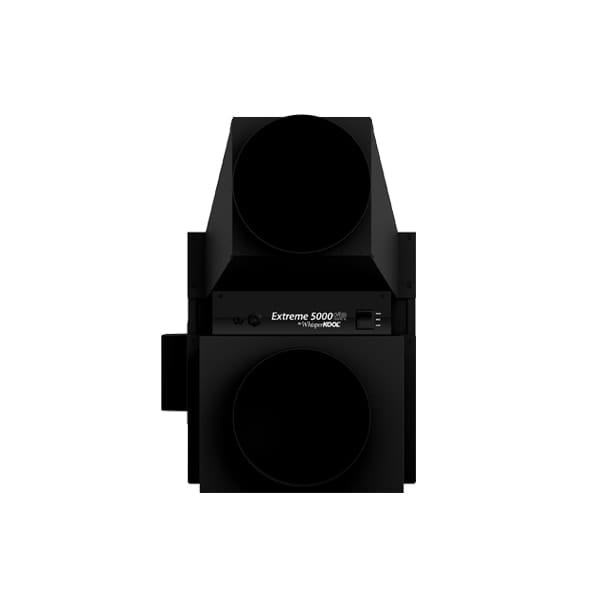
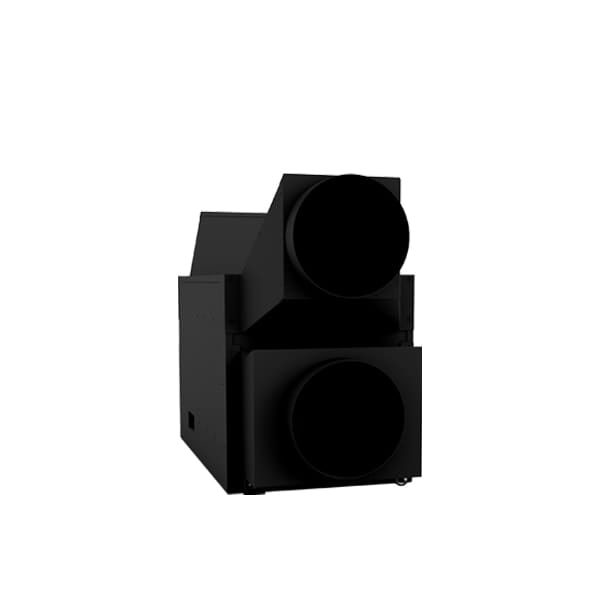
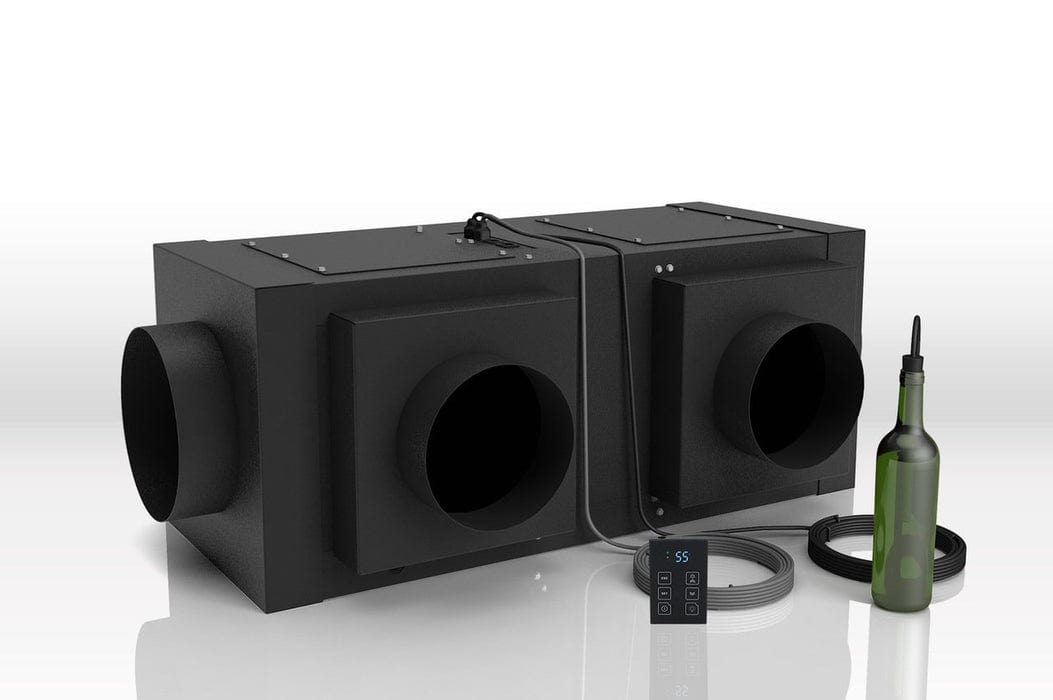
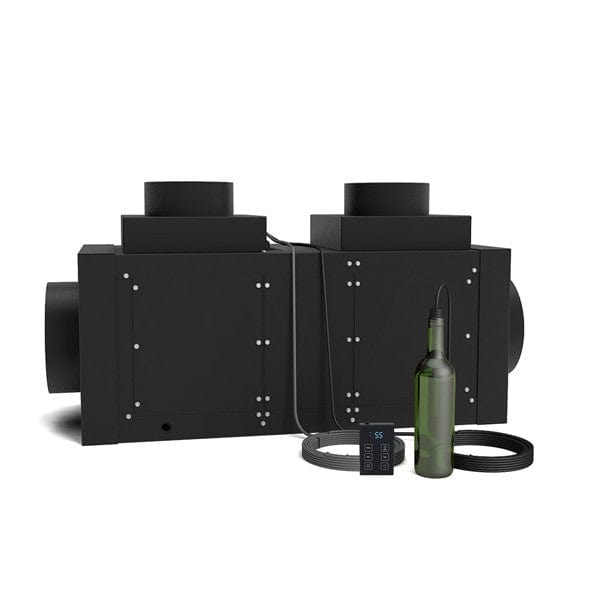
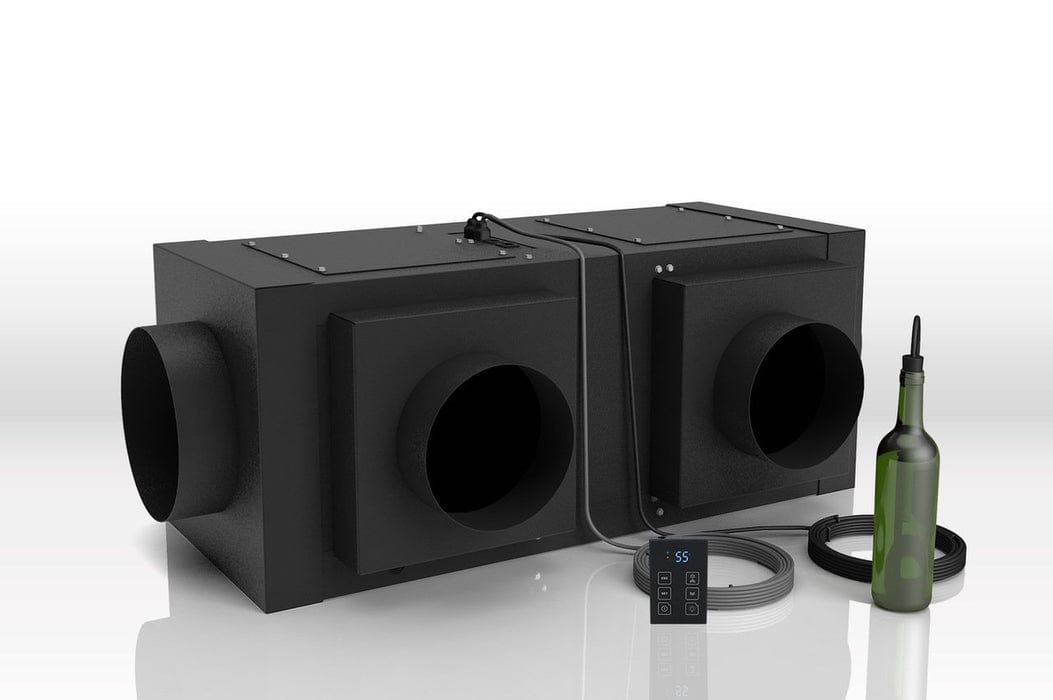
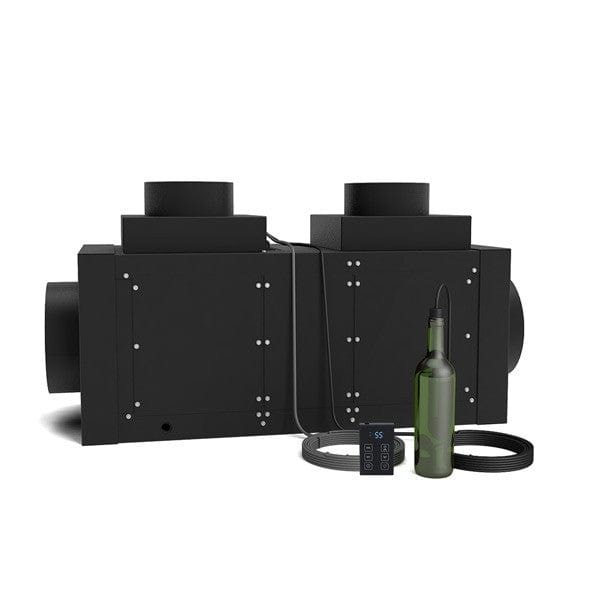
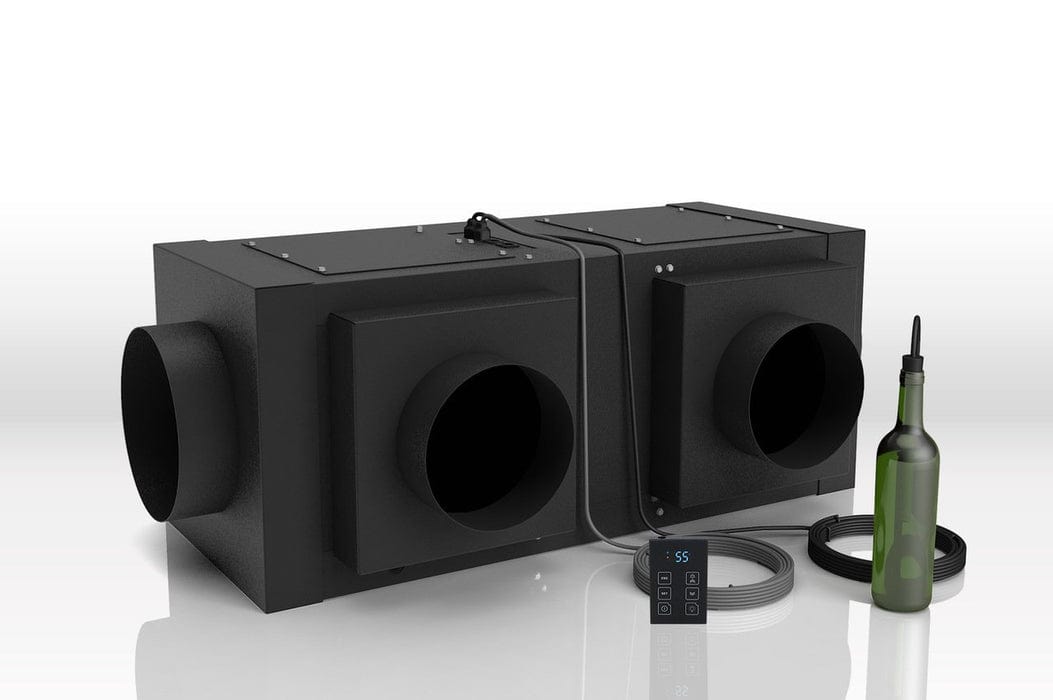
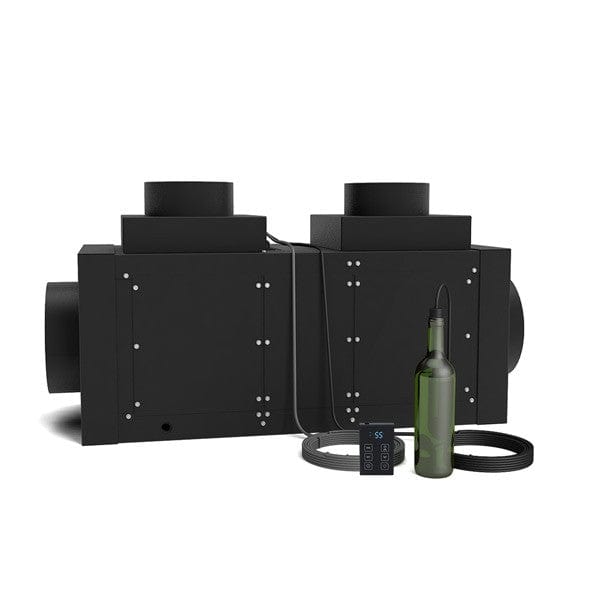
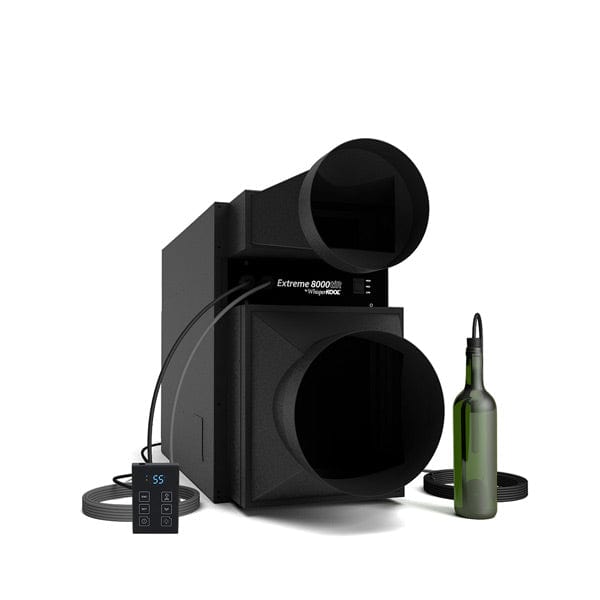
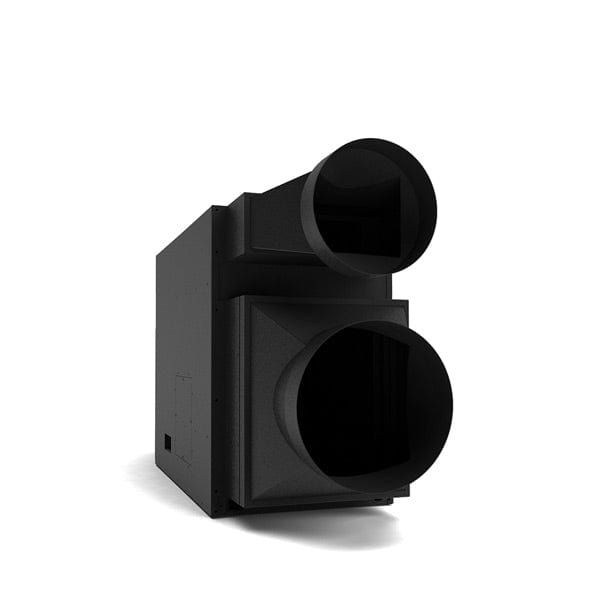
Self-contained ducted wine cellar cooling units are designed for wine cellars that require quiet, invisible climate control without the complexity of split systems. These systems house all components in a single unit while using ductwork to distribute conditioned air into the cellar, allowing for a clean, design-forward interior with no visible mechanical equipment.
Compared to ducted split wine cellar cooling units, self-contained ducted systems are easier to install and require fewer components, making them a practical solution for residential and light commercial wine storage projects.
If you're exploring all system types, browse our full range of wine cellar cooling units to compare configurations and performance levels.
What Is a Self-Contained Ducted Wine Cooling System?
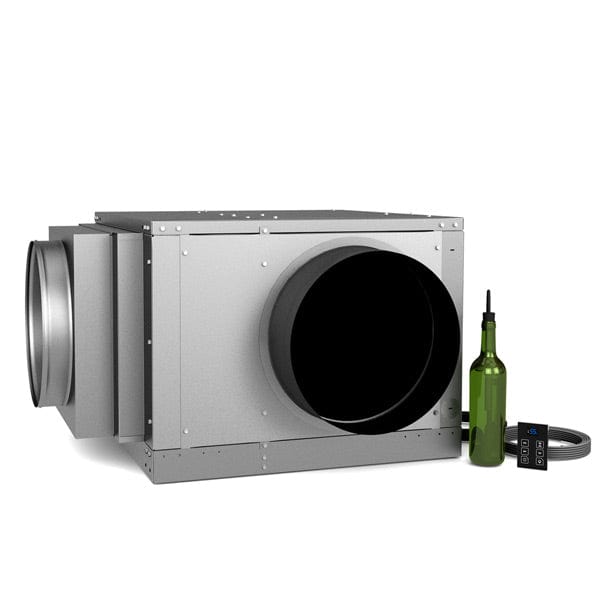
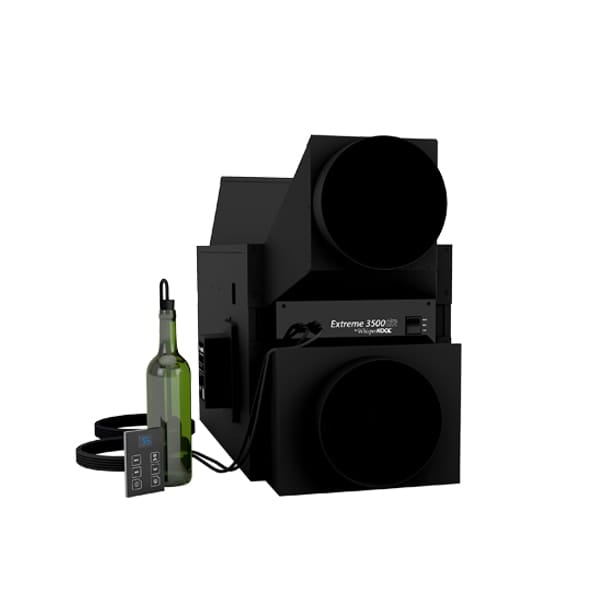
A self-contained ducted system integrates both the evaporator and condenser into a single unit, but instead of blowing air directly into the cellar, it uses supply and return ducts to circulate air.
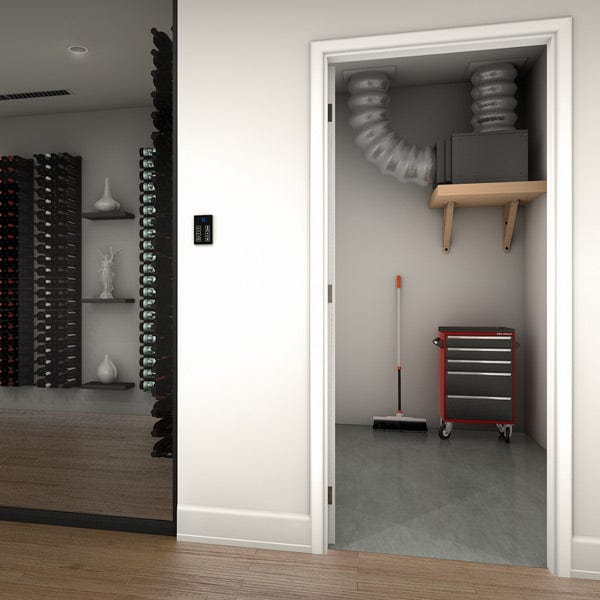
This setup allows the unit to be installed in adjacent mechanical rooms, ceiling cavities, or utility spaces while maintaining precise temperature and humidity inside the cellar.
For projects that require an alternative hidden approach, ceiling mount wine cellar cooling units offer another design-forward solution.
Who These Systems Are Best For
Homeowners
Choose this system if you want a quiet, clean wine cellar without visible cooling equipment and prefer a simpler setup than split systems.
Wine Collectors
Ideal for maintaining stable aging conditions with reduced vibration and consistent airflow.
Builders & Contractors
A strong choice when you need ducted airflow without refrigerant line installation, simplifying project timelines.
Designers & Architects
Best for glass wine walls, luxury cellars, and modern interiors where aesthetics cannot be compromised.
Commercial Applications
Suitable for restaurants and hospitality spaces needing reliable, hidden cooling with moderate installation complexity.
When to Choose a Self-Contained Ducted System
- You want no visible cooling unit inside the cellar
- You have space for duct routing and unit placement nearby
- You need quieter operation than through-wall systems
- You prefer simpler installation than split systems
- You want a cleaner alternative to through-the-wall wine cellar cooling units
These systems are especially useful when you want hidden performance but do not want the added complexity of ductless split wine cellar cooling units or fully split ducted configurations.
When Not to Use This System
- You cannot install ductwork
- You need long-distance system placement
- Your cellar exceeds standard residential size limits
- You want a plug-and-play installation
If simplicity is your priority, consider through-the-wall systems.
If you need maximum flexibility or performance, ducted split systems are better suited.
For small furniture-style applications, a cabinet cooling system is the correct choice.
Key Features & Benefits
Hidden Installation
All equipment is located outside the cellar, preserving a clean and uninterrupted interior.
Quiet Operation
Noise and vibration are isolated from the wine storage space.
Simplified Installation
No refrigerant line sets are required, making installation easier than split systems.
Controlled Airflow Distribution
Ducting allows for balanced air circulation and more even cooling.
Reliable Climate Control
Maintains consistent temperature and humidity for proper wine preservation.
System Comparison Guide
Self-Contained Ducted vs Ducted Split Systems
Ducted split systems offer greater flexibility and performance for larger cellars but require more complex installation. Self-contained ducted systems are easier to install but limited in placement range.
Self-Contained Ducted vs Through-the-Wall Systems
Through-the-wall systems are easier to install but visible and louder. Ducted systems provide a cleaner look and quieter operation.
Self-Contained Ducted vs Ceiling Mount Systems
Ceiling mount systems are ideal for fully concealed installations. Ducted systems are better when ceiling placement is not feasible.
Self-Contained Ducted vs Cabinet Systems
Cabinet systems are designed for smaller enclosures. Ducted systems are required for full wine rooms.
Technical Specifications & Installation Requirements
Before selecting a unit, confirm the following:
Cellar Size
- Match unit capacity to cubic footage
- Improper sizing will cause temperature instability
Insulation & Vapor Barrier
- Required for all wine cellars
- Poor insulation will cause system failure
Ducting Requirements
- Limited duct length varies by model
- Improper routing reduces airflow efficiency
Ambient Environment
- Unit location must be ventilated
- High ambient heat will reduce performance
Electrical Requirements
- Dedicated circuits may be required
- Confirm voltage and amperage before installation
Service Access
- Ensure clearance for maintenance
- Restricted access increases long-term service cost
Explore Related Wine Cooling Solutions


📚 Frequently Asked Questions (FAQs)
No. This system requires ducting to function properly. Without ductwork, airflow will fail and the unit will not cool the cellar correctly.
Choose this only if installation simplicity is the priority. Split systems are required for larger or more complex cellars.
Do not use this system for large commercial spaces. It will not maintain stable conditions at scale.
Install only in a ventilated space such as a mechanical room or ceiling cavity. Poor ventilation will cause overheating and failure.
Yes. Improper duct design or airflow setup will reduce performance and may cause system failure.
No. Use a cabinet cooling system for small enclosed spaces. This system is designed for full wine rooms.