Custom Wine Cellar Design Support
Get expert help selecting the right cooling unit based on your cellar size, insulation, and layout.
- Cooling unit recommendations
- Room size + insulation guidance
- Support for builders & homeowners
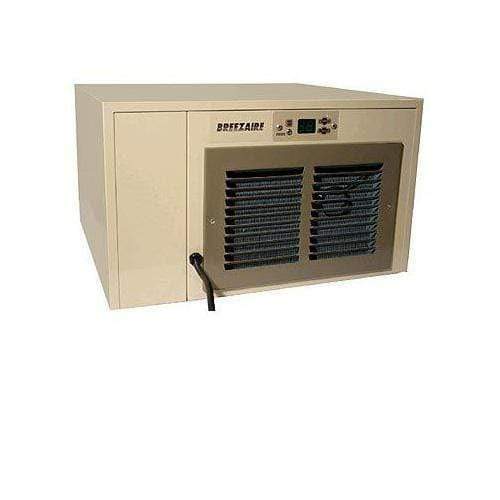
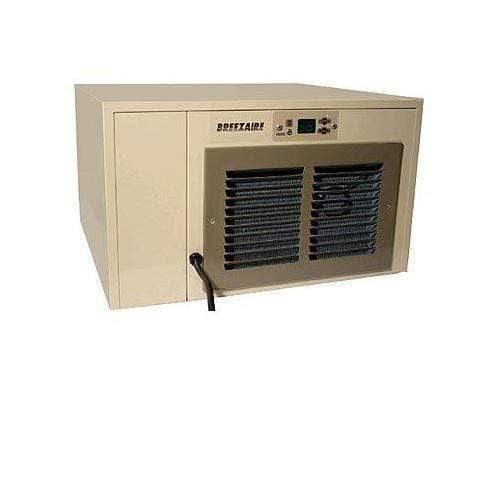
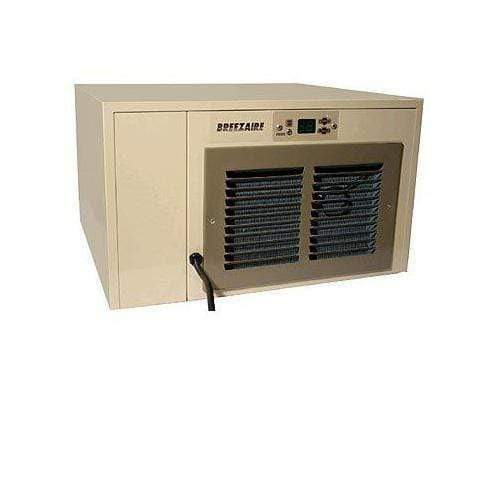
Cabinet System Wine Cellar Cooling Units
7 products
Showing 1 - 7 of 7 products
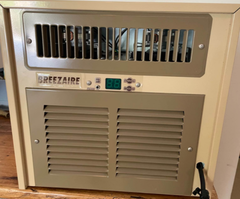
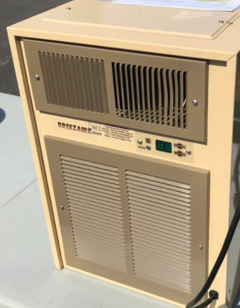
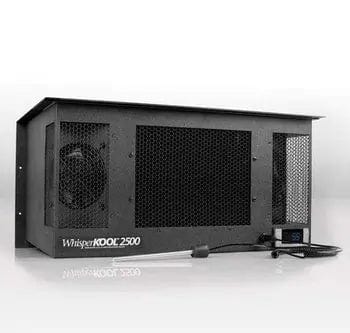
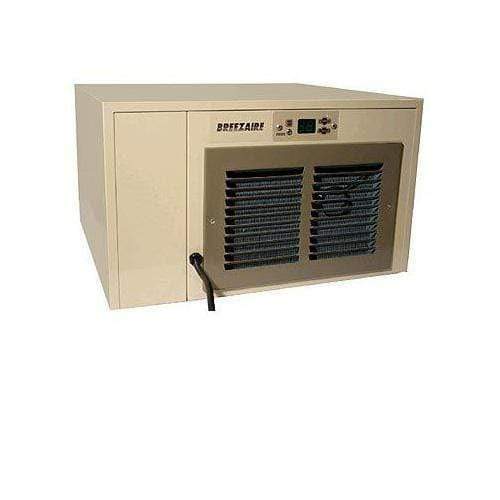
Cabinet Wine Cooling Units for Enclosed Wine Cabinets & Furniture
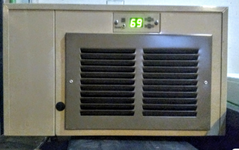
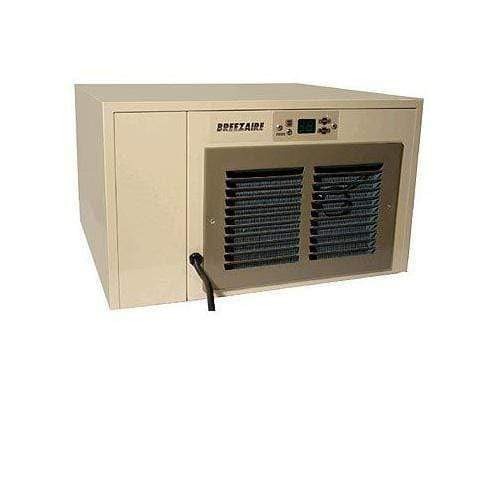
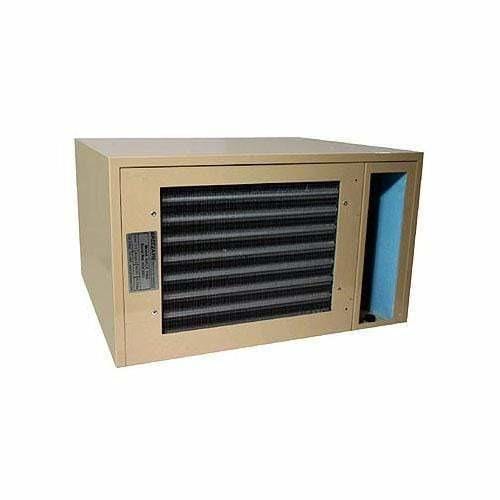
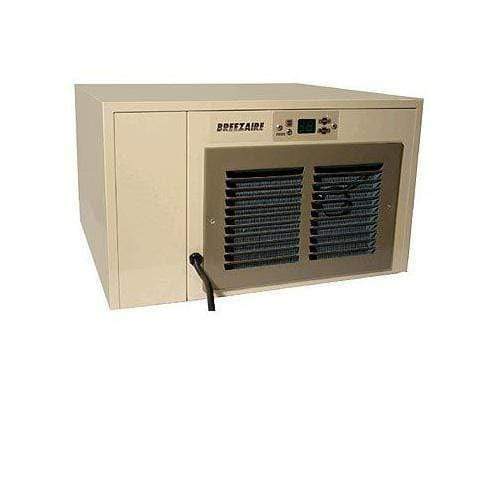
Cabinet system wine cellar cooling units are designed specifically for sealed wine cabinets, furniture-style storage, and compact enclosures where standard wine cellar cooling systems will fail.
These systems provide precise, stable temperature control in tightly enclosed environments, making them the right solution for custom cabinetry, retrofitted wine furniture, and small sealed storage builds.
If your project involves a fully enclosed cabinet with limited airflow, this is the correct category. If not, you should explore alternative cooling solutions below.
When to Choose a Cabinet Wine Cooling Unit
Cabinet systems are not general-purpose cooling systems. They are built for very specific installation conditions.
- The wine storage space is fully sealed
- The enclosure is furniture-based or built into cabinetry
- There is limited depth or airflow clearance
- You need a compact, self-contained cooling solution
If your space is larger or ventilated, consider through-the-wall wine cooling units for simple room cooling, self-contained ducted systems for flexible installations, or ducted split wine cooling systems for high-end, hidden applications.
Who This Is For
Cabinet wine cooling units are best suited for buyers who need cooling inside small, enclosed, furniture-style wine storage rather than a full cellar system.
- Custom wine cabinets and built-in furniture
- Kitchen-integrated wine storage
- Interior design projects requiring hidden cooling
- Retrofit cabinet cooling upgrades
Who Should Not Use a Cabinet Cooling System
Do not use a cabinet wine cooling unit if the enclosure is not fully sealed, if you are cooling a walk-in cellar, or if the project exceeds cabinet-scale dimensions.
For those applications, a better fit may be ceiling mount cooling systems for discreet cellar installations or full wine cellar cooling systems for larger wine rooms.
Why Standard Wine Cooling Systems Fail in Cabinets
Most wine cooling systems are designed for ventilated rooms, not enclosed furniture. Installing them inside a cabinet often leads to overheating, inconsistent temperature control, and premature system failure.
For example, through-the-wall units require open air exchange, while ducted split systems rely on external airflow routing that enclosed cabinetry cannot provide.
Cabinet cooling systems are engineered to operate in tight, sealed environments, maintain stable internal temperatures, and fit within compact cabinet dimensions.
Cabinet Cooling vs Other Wine Cooling Systems
| System Type | Best Use Case | Visibility | Installation |
|---|---|---|---|
| Cabinet System | Sealed cabinets and furniture | Hidden | Low |
| Through-the-Wall | Small wine rooms | Visible | Low |
| Self-Contained Ducted | Medium spaces | Hidden | Medium |
| Ducted Split | Large luxury cellars | Hidden | High |
If you are comparing configurations, browse all wine cellar cooling system options to find the right fit for your installation.
Key Features & Technical Specifications
Cabinet wine cooling systems are engineered with application-specific performance requirements that support enclosed wine storage.
Compact System Design
Built to fit inside cabinetry or enclosed furniture, these systems require far less installation space than full-scale cellar cooling units.
Self-Contained Cooling Technology
No external condenser or ducting is required, which simplifies installation and makes cabinet systems practical for compact projects.
Optimized Airflow Management
These units are designed to function in restricted environments and help prevent overheating or airflow imbalance inside sealed cabinetry.
Precision Temperature Control
Stable cooling performance supports proper wine preservation and more consistent long-term storage conditions.
Low-Noise Operation
Because these systems are often installed in kitchens, living spaces, or design-driven interiors, quieter operation is a key advantage.
Installation Requirements
Cabinet cooling systems will fail if installed incorrectly. Before purchasing, confirm that the enclosure is fully sealed and insulated, that the unit has adequate ventilation clearance, and that the system is properly sized for the cabinet volume.
If your project requires more flexibility or larger capacity, review ducted cooling systems for more adaptable airflow routing or split systems for larger applications.
Alternative Solutions for Small Wine Storage
If your space is not fully enclosed, a wine cooler may be a better solution than a cabinet cooling system.
- Built-in wine coolers for flush cabinetry integration
- Undercounter wine coolers for compact installations
- Wine and beverage centers for multi-use storage
These options are often better for non-sealed environments and buyers who need simpler installation without cabinet-specific cooling requirements.
Why Buyers Choose Cabinet Cooling Systems
Cabinet wine cooling units solve a problem that standard wine coolers and full cellar systems cannot. They are designed for projects where appearance, space efficiency, and enclosed storage performance all matter at the same time.
For homeowners, designers, and contractors building high-end cabinetry or furniture-integrated wine storage, this category offers a focused solution that helps protect wine in environments where the wrong cooling system will not perform correctly.


📚 Frequently Asked Questions (FAQs)
No. It will fail due to restricted airflow and improper heat dissipation.
No. They require fully sealed environments or temperature control will fail.
No. They are designed only for small, enclosed cabinet-scale applications.
No. They are self-contained but still require proper ventilation clearance.
The system will not maintain temperature and will operate inefficiently or fail.
No. Use a dedicated wine cellar cooling system designed for larger spaces.