
Save 26%


Sale price$1,758.00
Regular price$2,373.30
Allavino Reserva Series 36 Bottle Dual Zone Wine Refrigerator VSW3634FD-2SAllavino
Save 26%
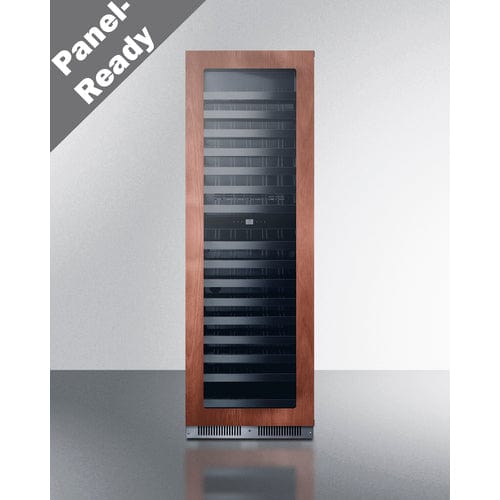
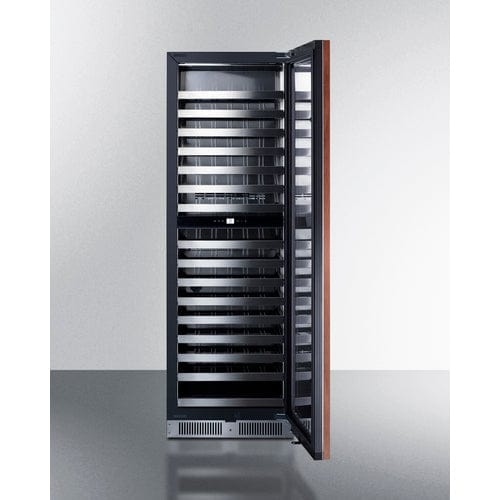
Sale priceFrom $4,185.00
Regular price$5,649.75
Summit 24-inch Panel Ready Dual Zone Wine Coolers SDHWC98PNSummit
Save 26%
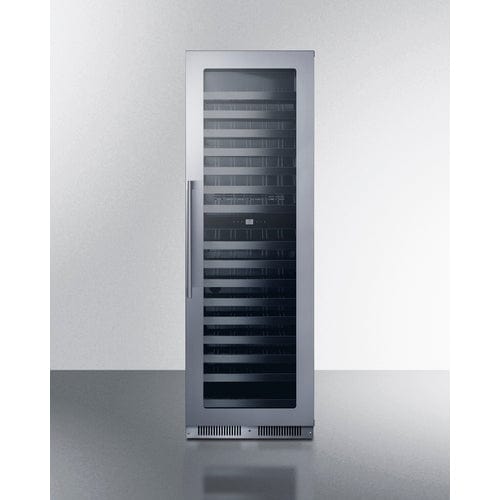
Sale priceFrom $4,110.00
Regular price$5,548.50
Summit 24-inch Wide Dual Zone Wine Cellar SDHWC98Summit
Save 22%
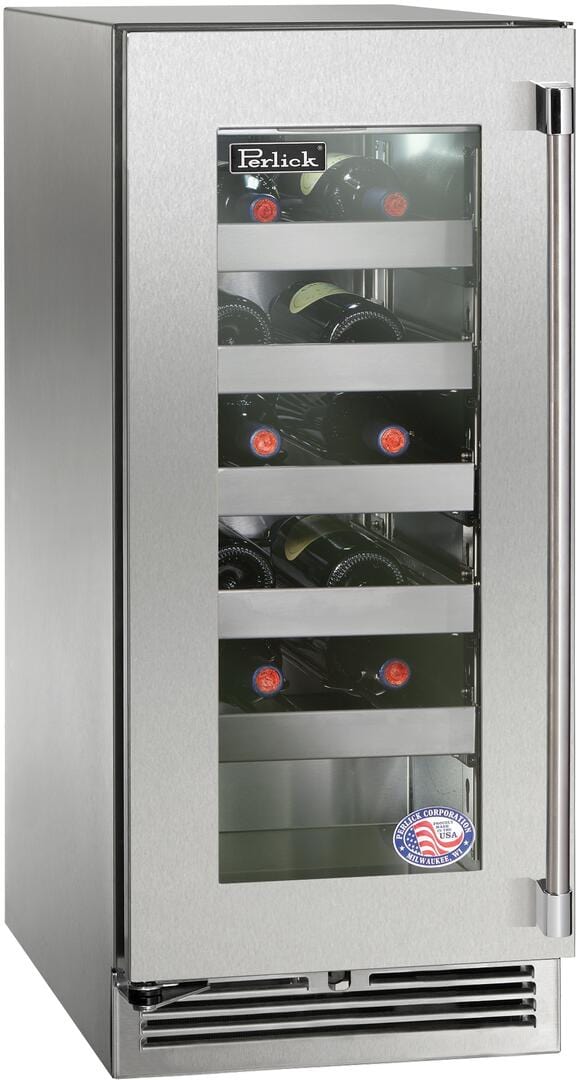
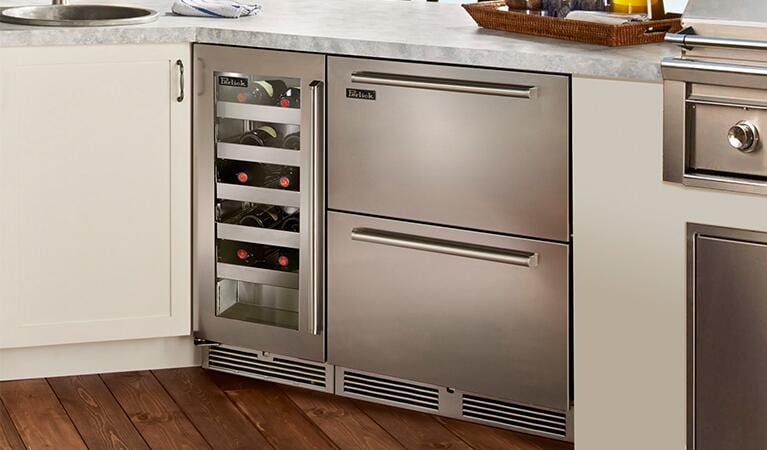
Sale priceFrom $8,177.40
Regular price$10,524.32
Perlick 15 inch Signature Series 20 Bottle Wine Cooler HP15WM-4-3Perlick
Save 22%
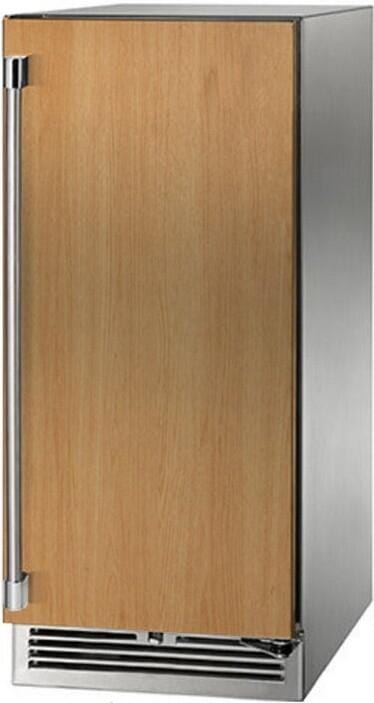
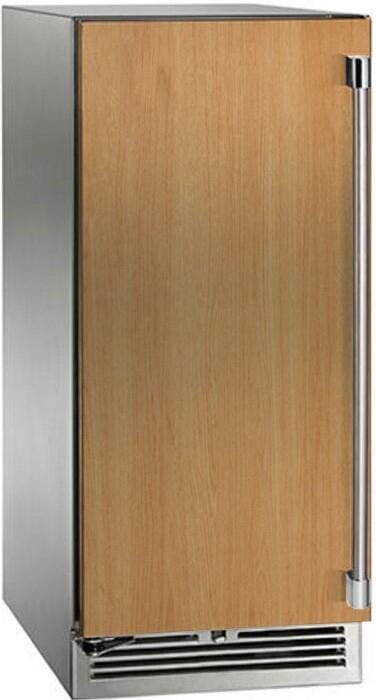
Sale priceFrom $7,692.30
Regular price$9,900.00
Perlick 15 inch Signature Series 20 Bottle Wine Cooler HP15WM-4-2Perlick
Save 22%
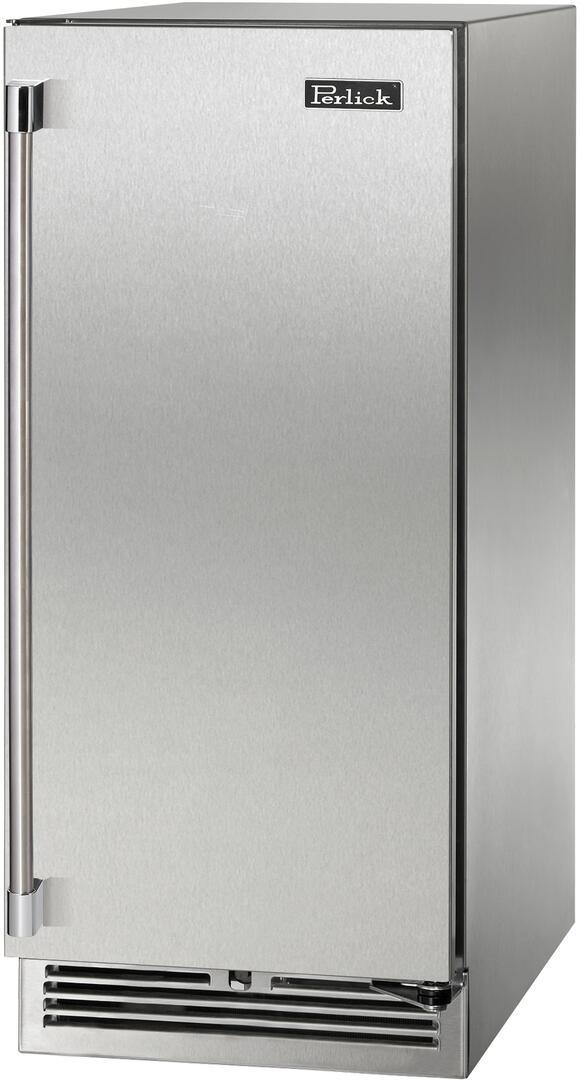
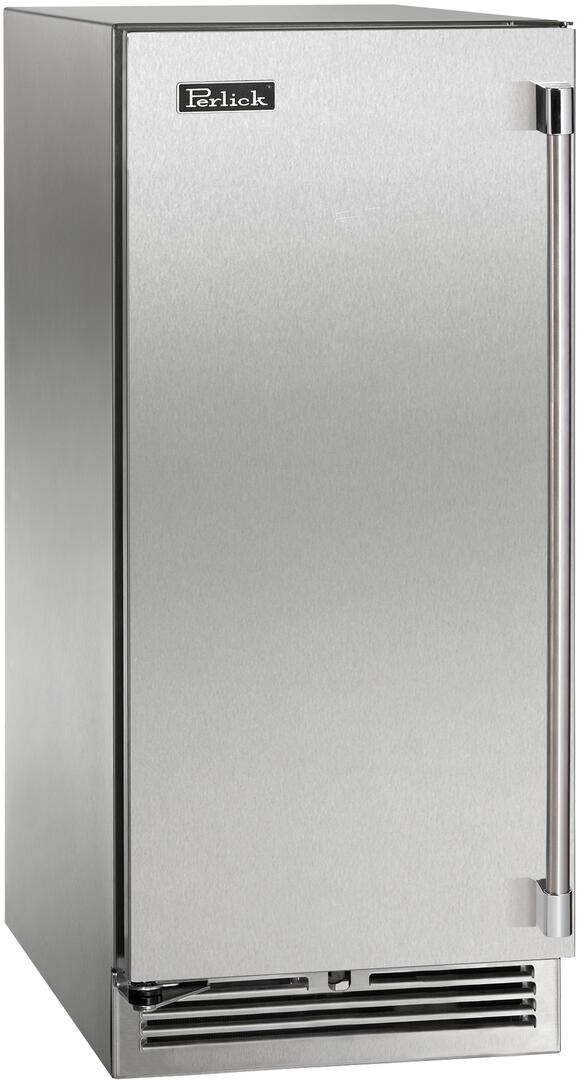
Sale priceFrom $7,906.50
Regular price$10,175.68
Perlick 15 inch Signature Series 20 Bottle Wine Cooler HP15WM-4-1Perlick
Save 22%
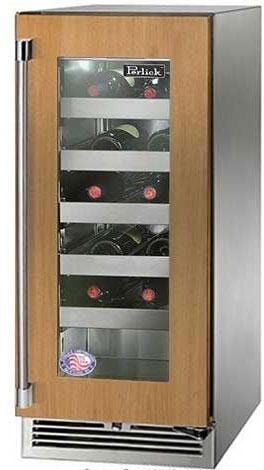
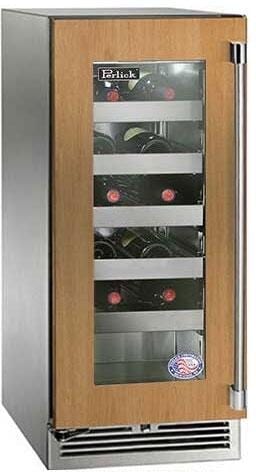
Sale priceFrom $7,956.90
Regular price$10,240.54
Perlick 15 inch Signature Series 20 Bottle Wine Cooler HP15WM-4-4Perlick
Save 22%
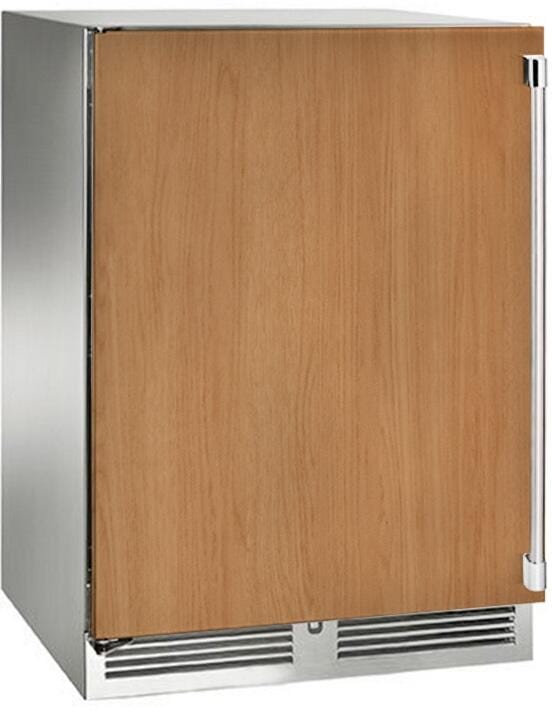
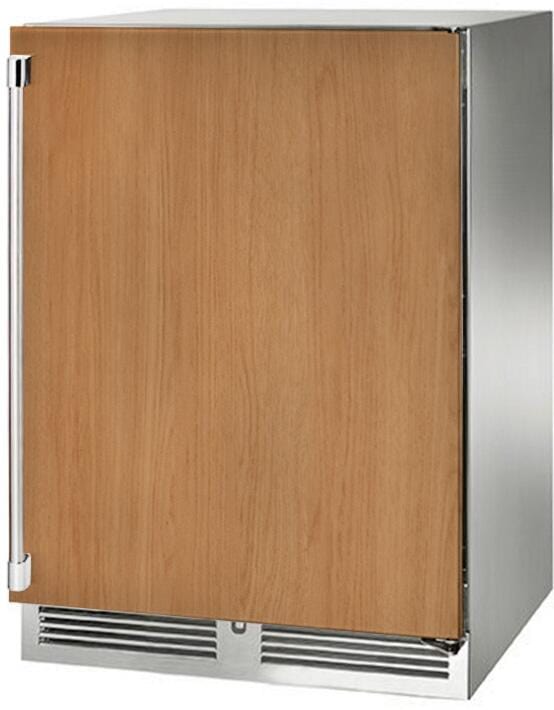
Sale price$8,706.60
Regular price$11,205.41
Perlick Signature Series 24" Built-In Wine Cooler with 32 Bottle Capacity Dual Zone in Panel Ready HP24DM-4-2Perlick
Save 22%
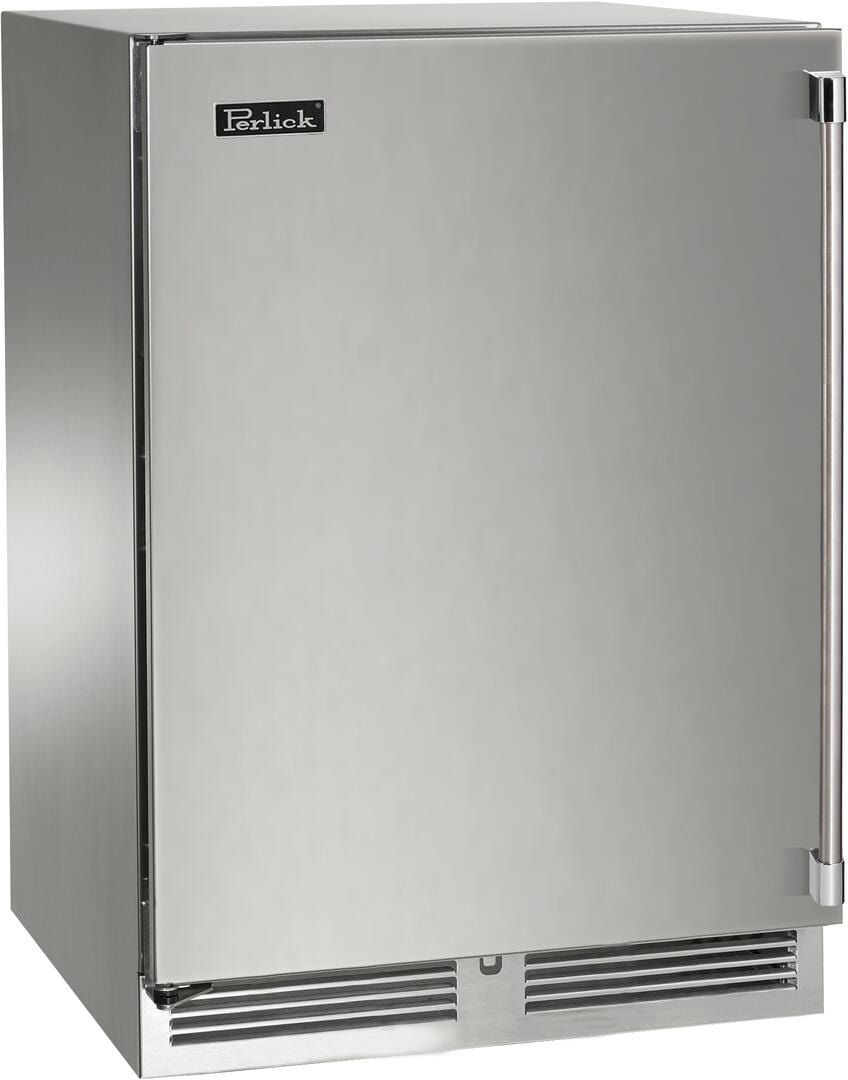
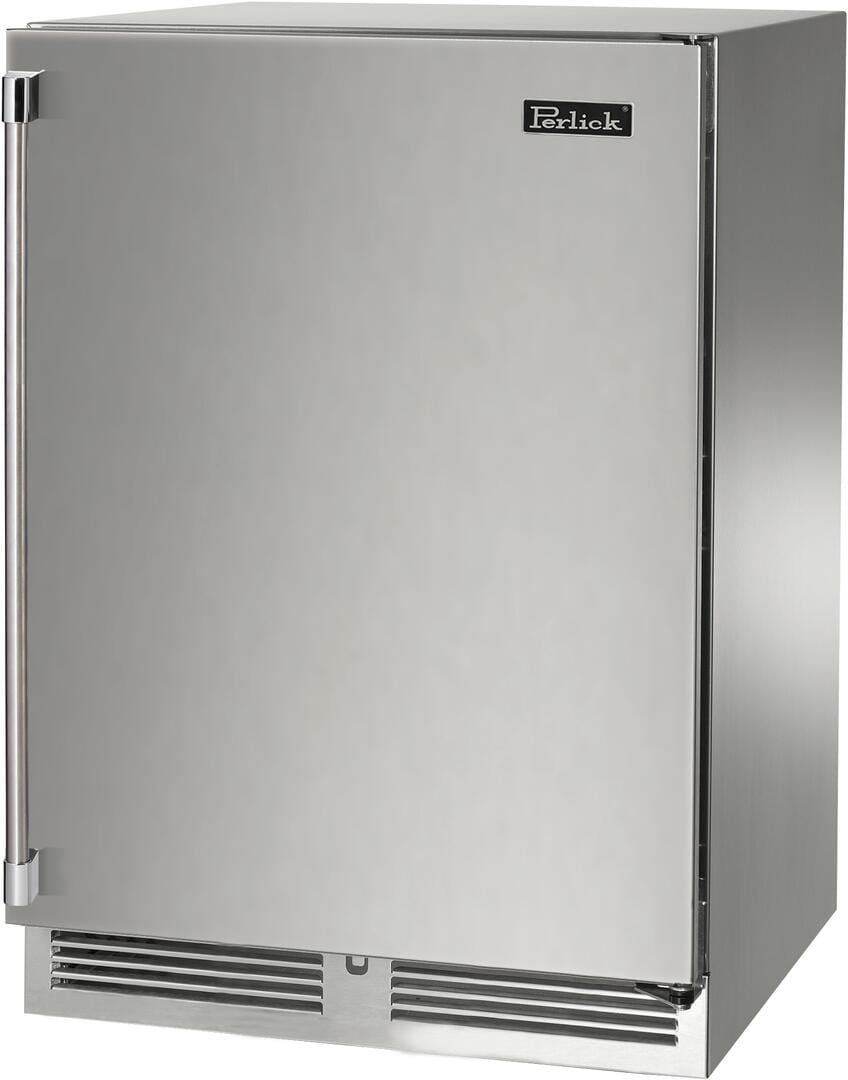
Sale price$8,927.10
Regular price$11,489.19
Perlick 24" Signature Series Built-In Wine Cooler with 32 Bottle Capacity Dual Zone in Stainless Steel HP24DM-4-1Perlick
Save 22%
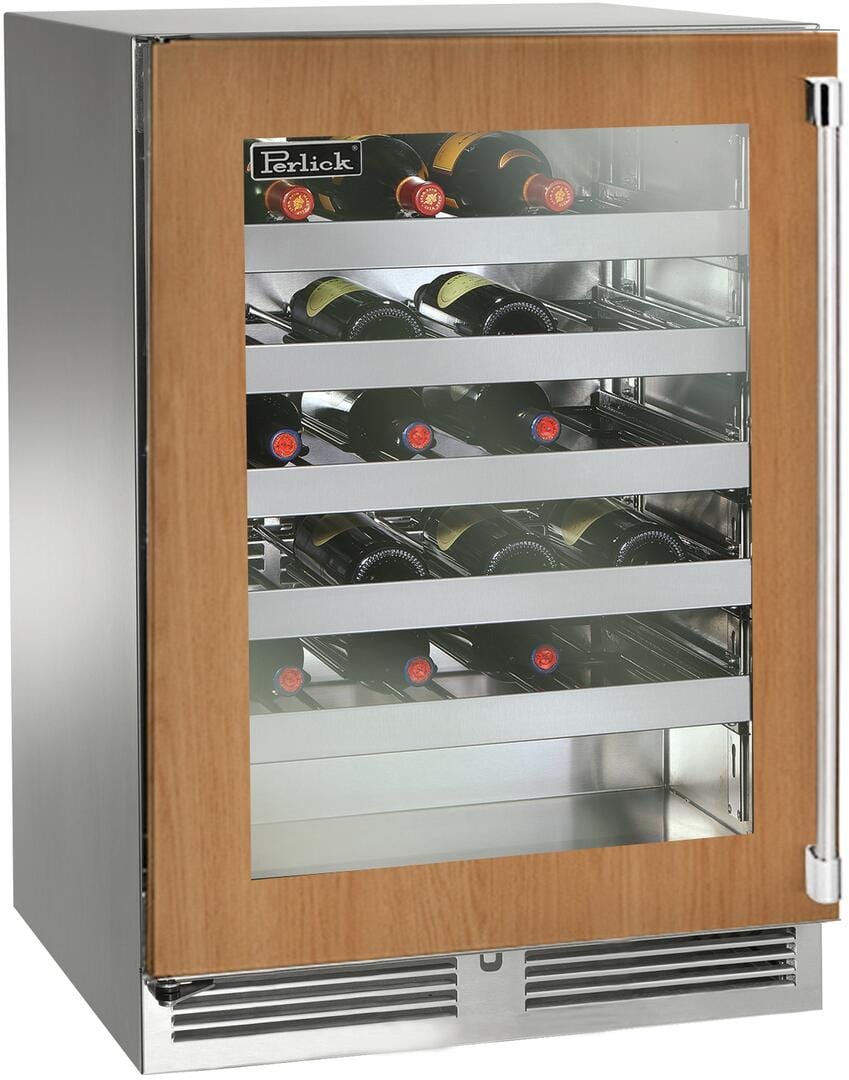
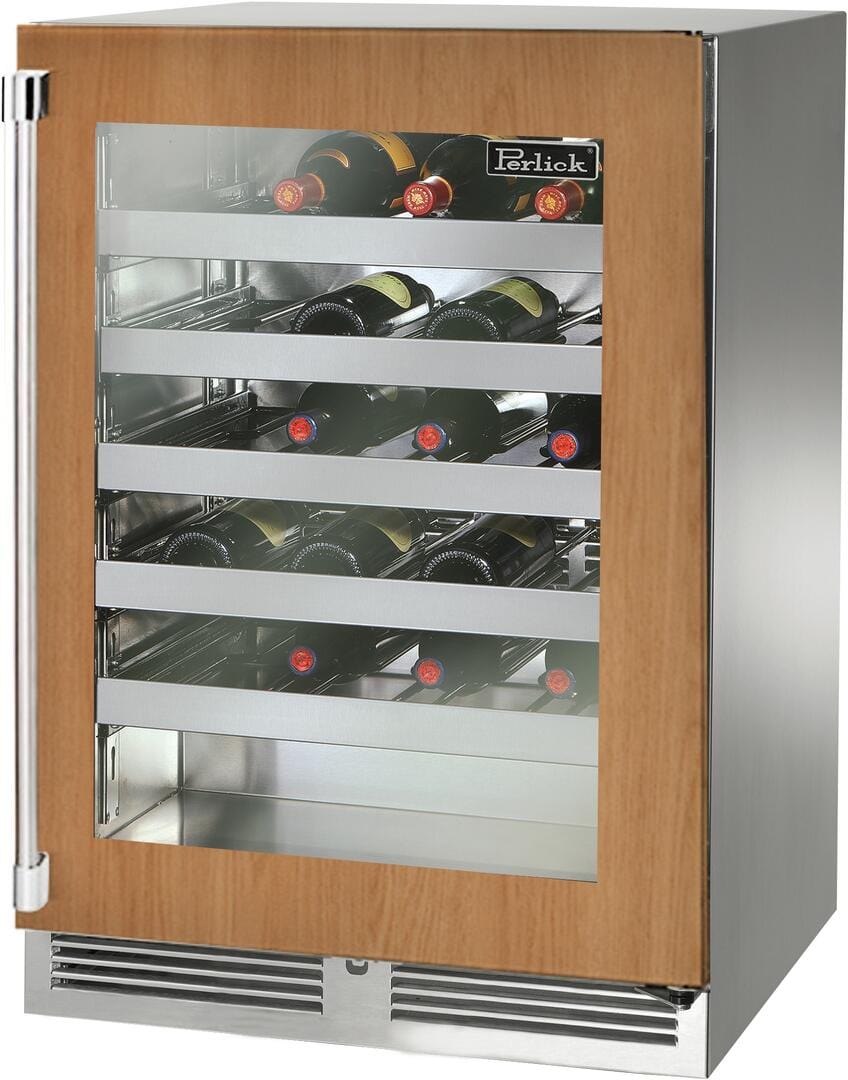
Sale price$8,542.80
Regular price$10,994.59
Perlick Signature Series 24" Built-In Wine Cooler with 45 Bottle Capacity Single Zone with Glass Door in Panel Ready HP24WM-4-4Perlick
Save 22%
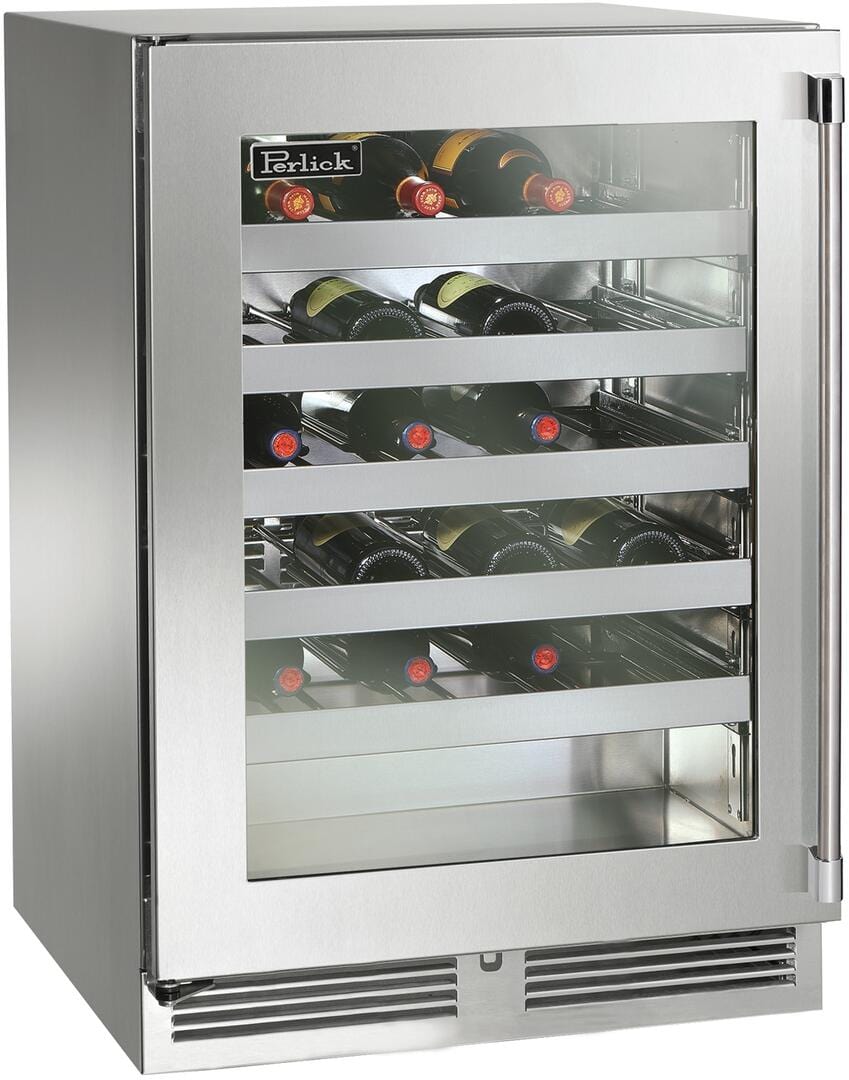
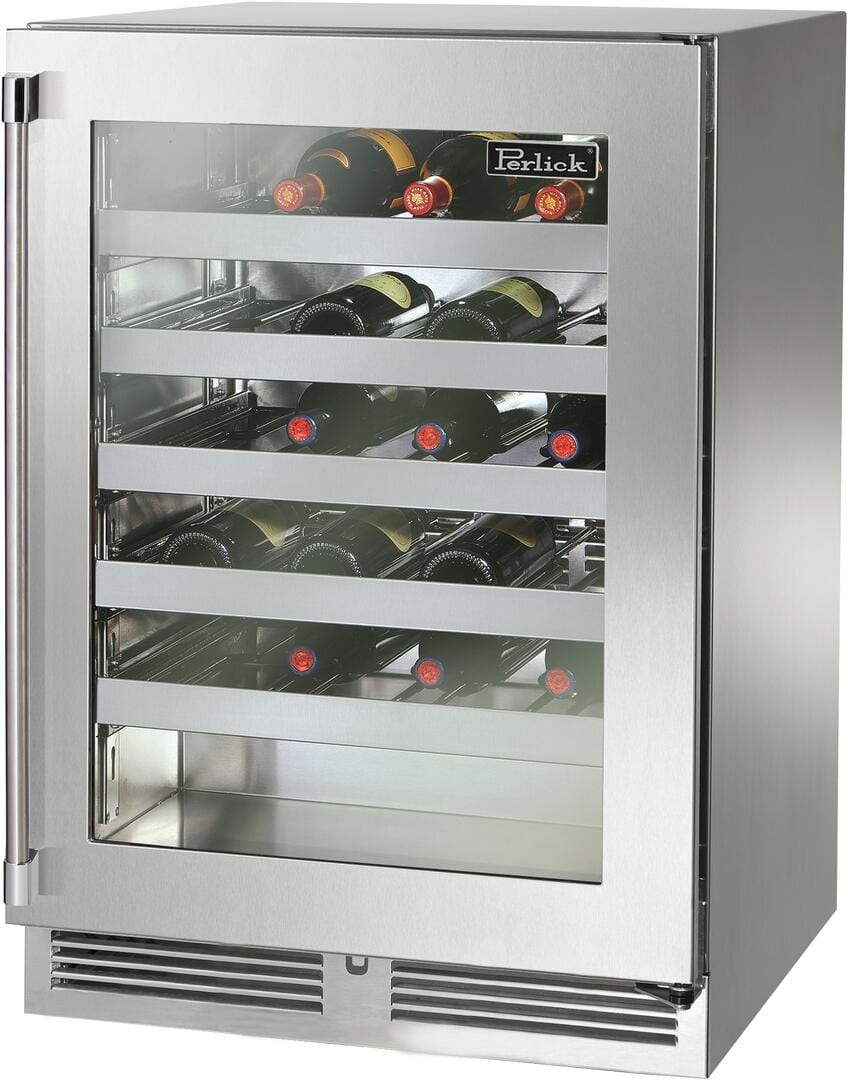
Sale price$8,738.10
Regular price$11,245.95
Perlick Signature Series 24" Built-In Wine Cooler with 45 Bottle Capacity Single Zone with Glass Door in Stainless Steel HP24WM-4-3Perlick
Save 22%
Sale price$8,492.40
Regular price$10,929.73
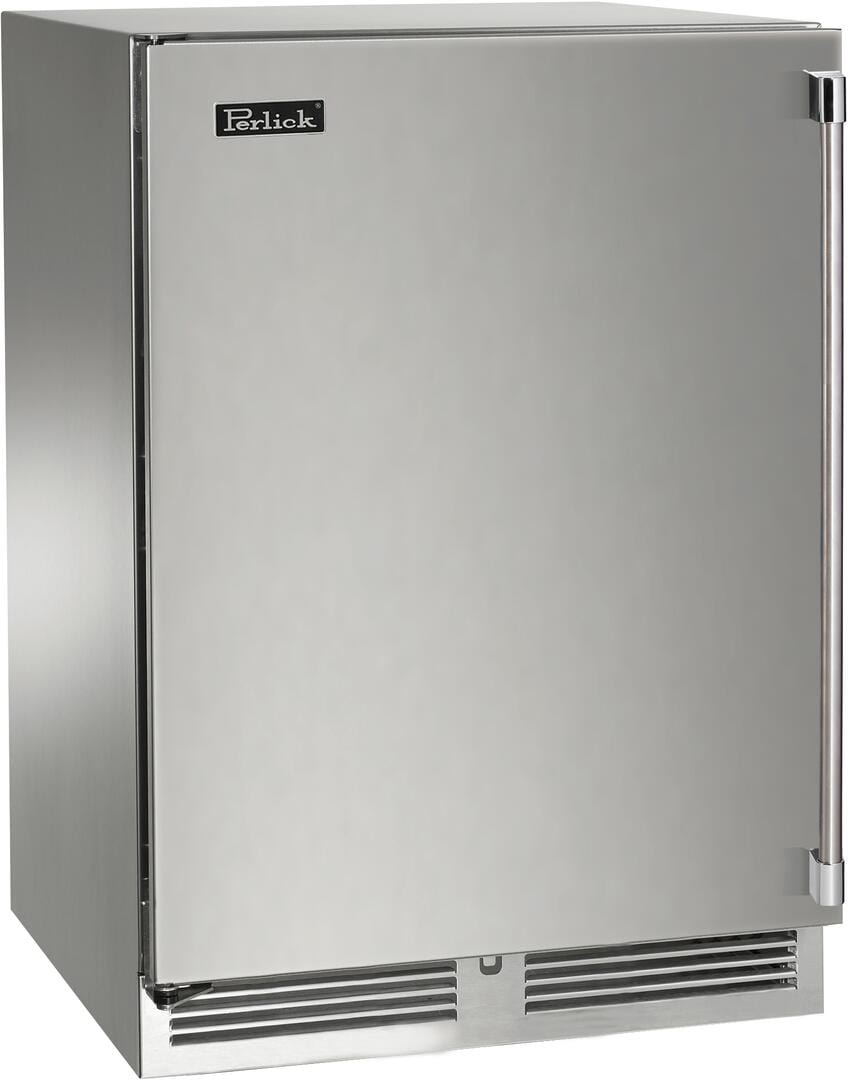
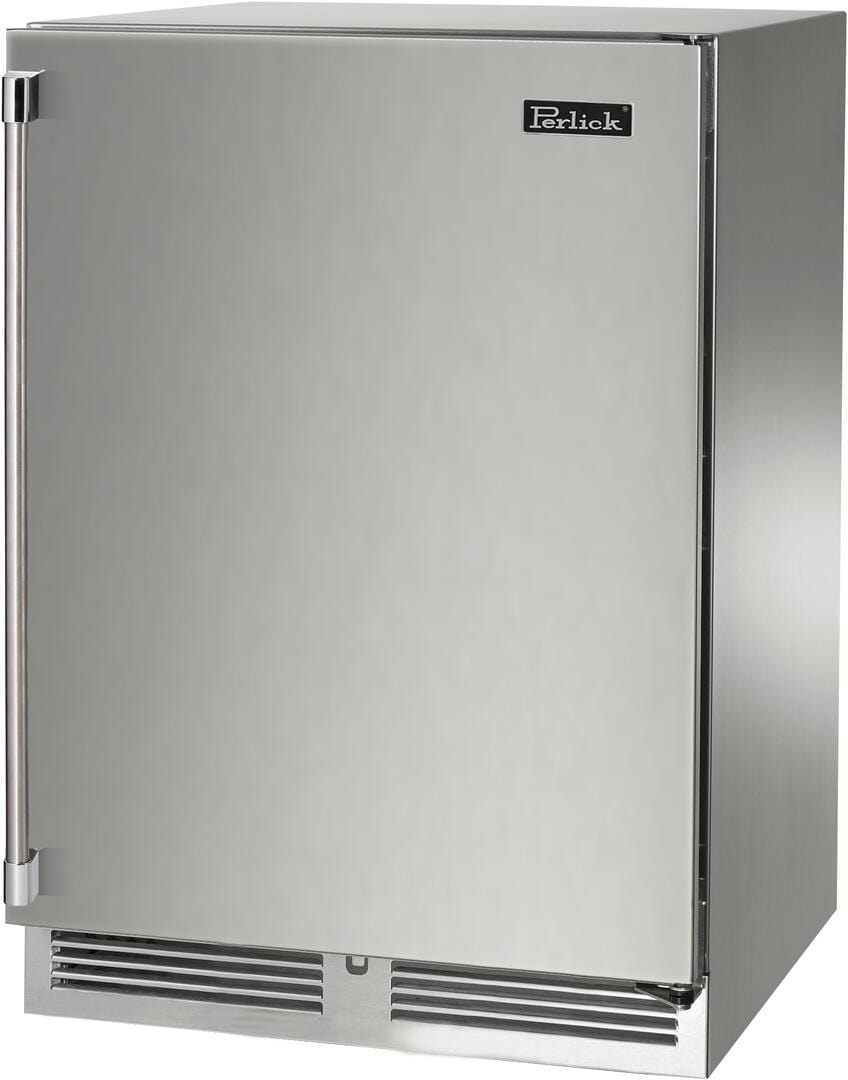
Perlick Signature Series 24" Built-In Wine Cooler with 45 Bottle Capacity Single Zone with Solid Door in Stainless Steel HP24WM-4-1Perlick
Save 22%
Sale price$13,354.74
Regular price$17,187.57
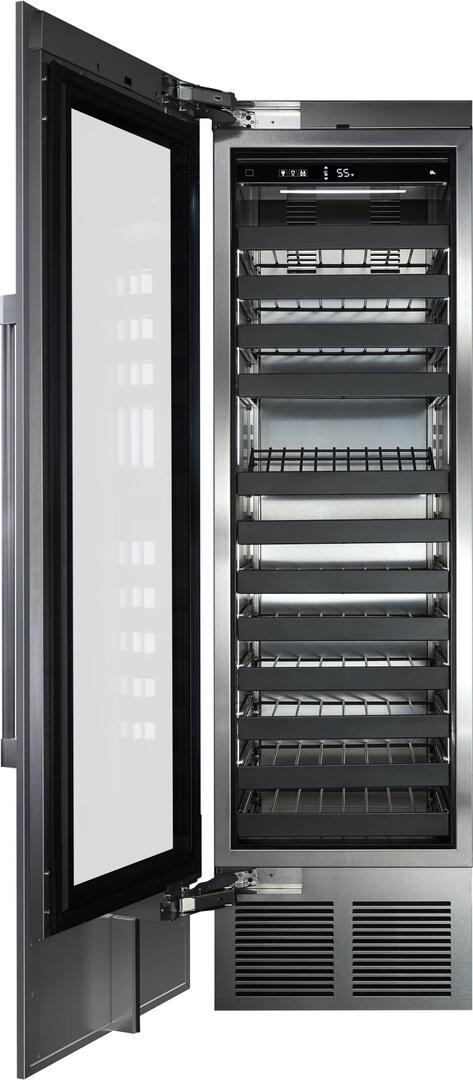
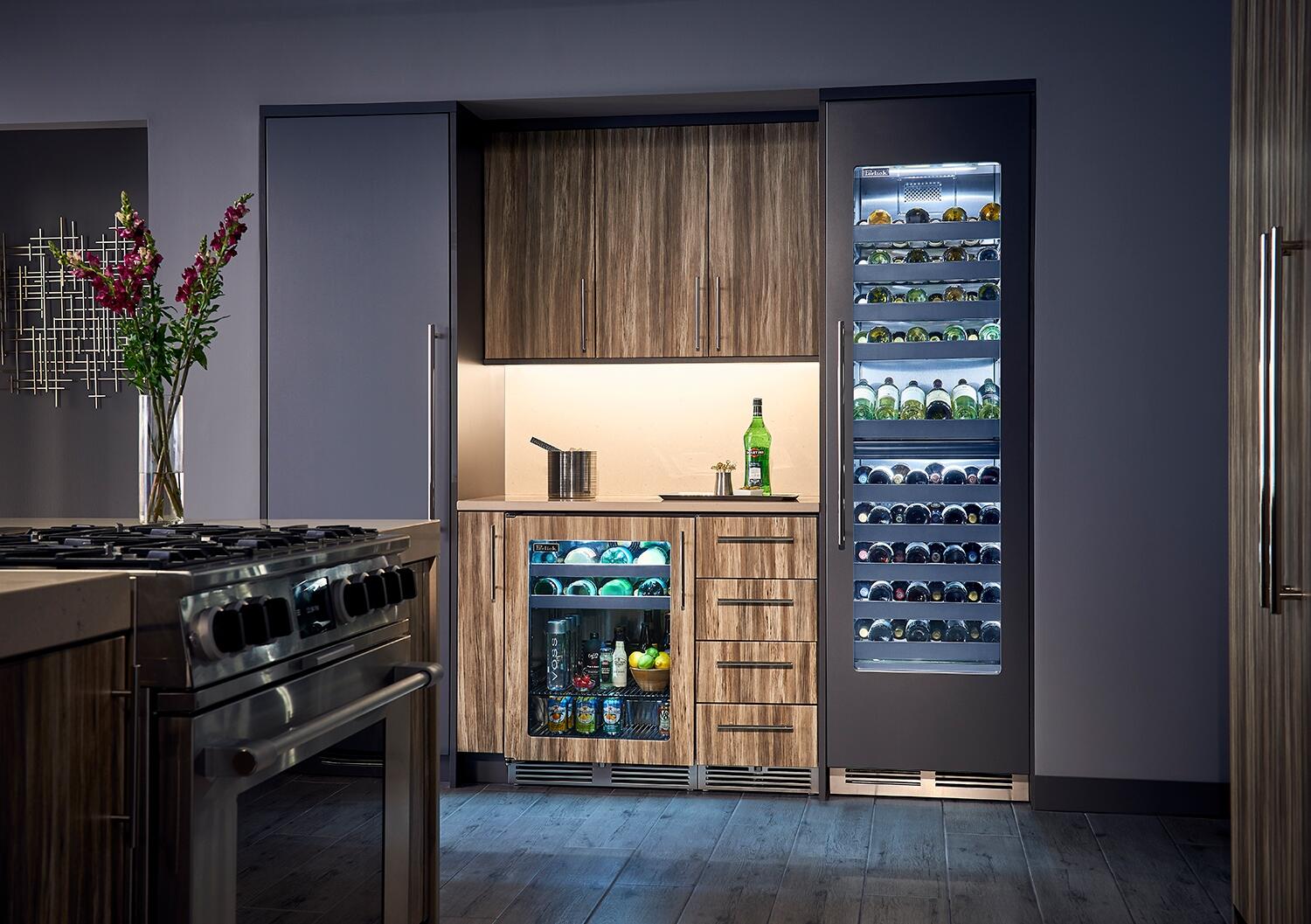
Perlick 24-Inch Built-In Single Zone Wine Cooler with 94 Bottle Capacity, Panel Ready, with Glass Window Opening, Star-K Certification CR24W-1-4Perlick
Save 22%
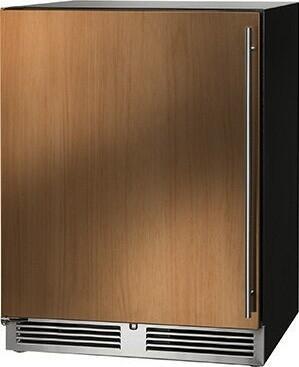
Sale priceFrom $4,460.40
Regular price$5,740.54
Perlick 24 inch Series Single Zone Wine Cooler HA24WB-4-2Perlick
Save 22%
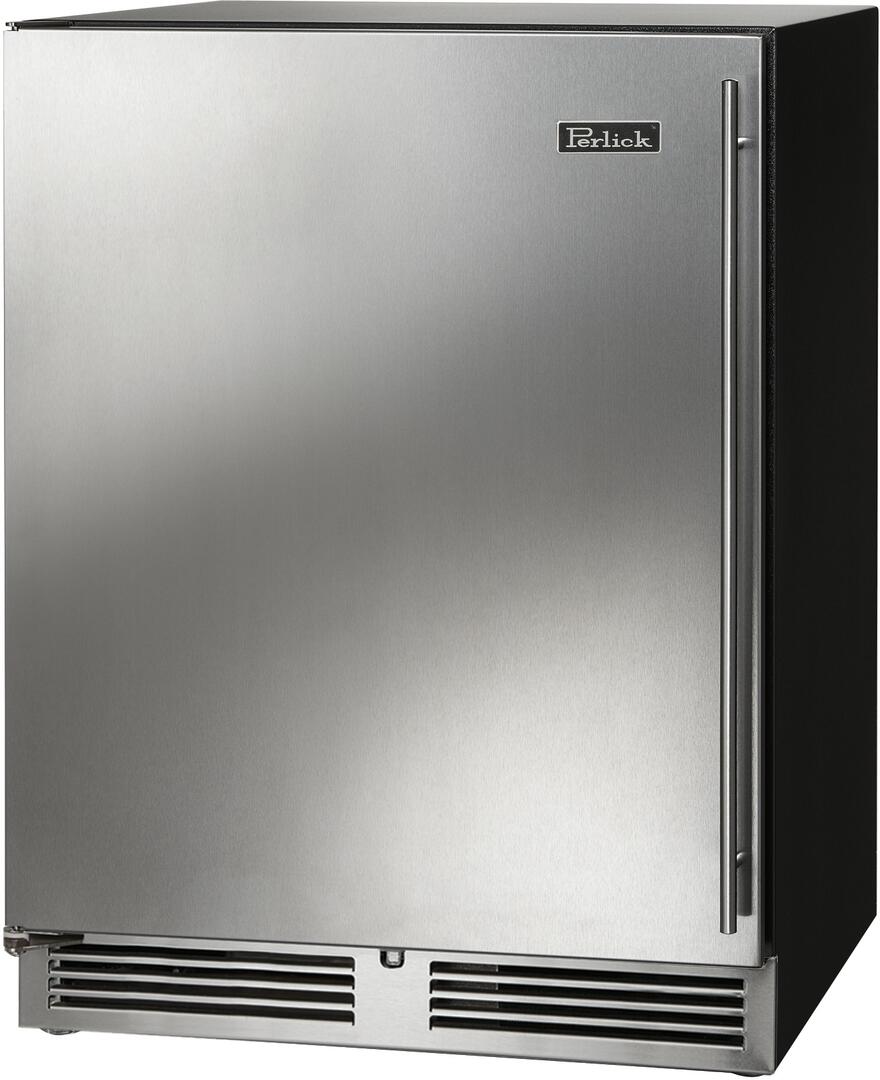
Sale priceFrom $4,674.60
Regular price$6,016.22
Perlick 24 inch Series Single Zone Wine Cooler HA24WB-4-1Perlick
Save 22%
Sale priceFrom $5,619.60
Regular price$7,232.43
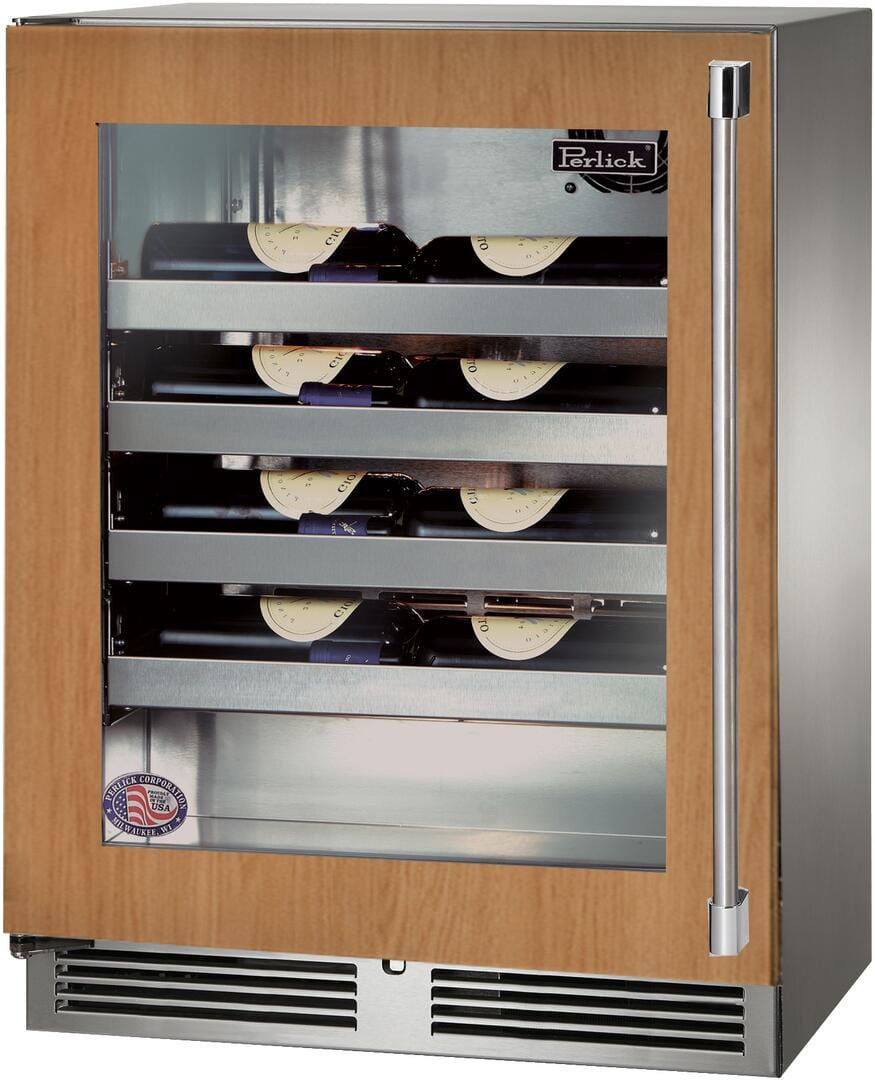
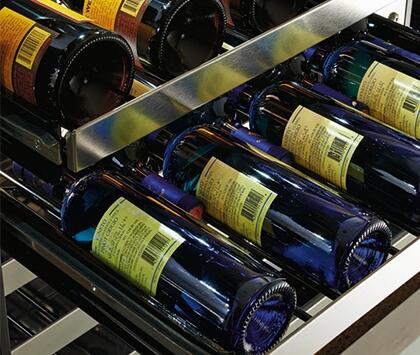
Perlick 24 inch Signature Series 20 Bottle Wine Cooler HH24WO-4-4Perlick
Save 22%
Sale priceFrom $5,840.10
Regular price$7,516.22
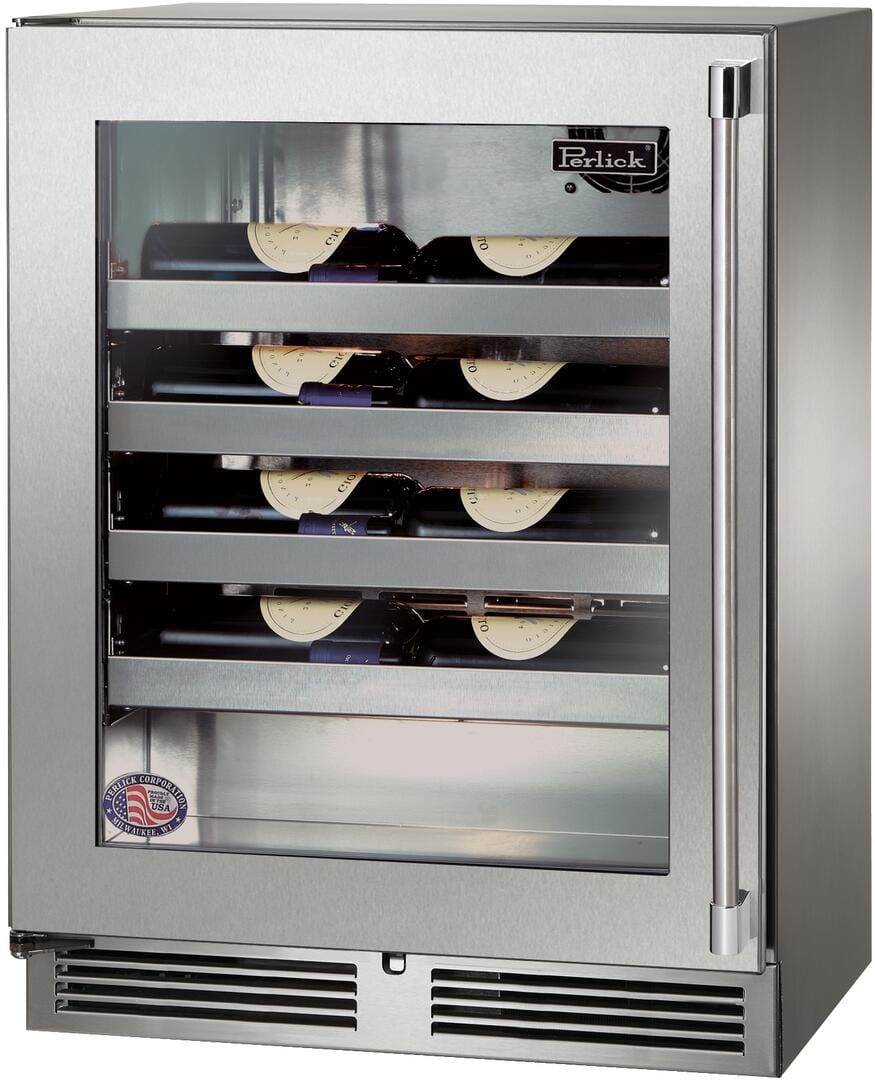
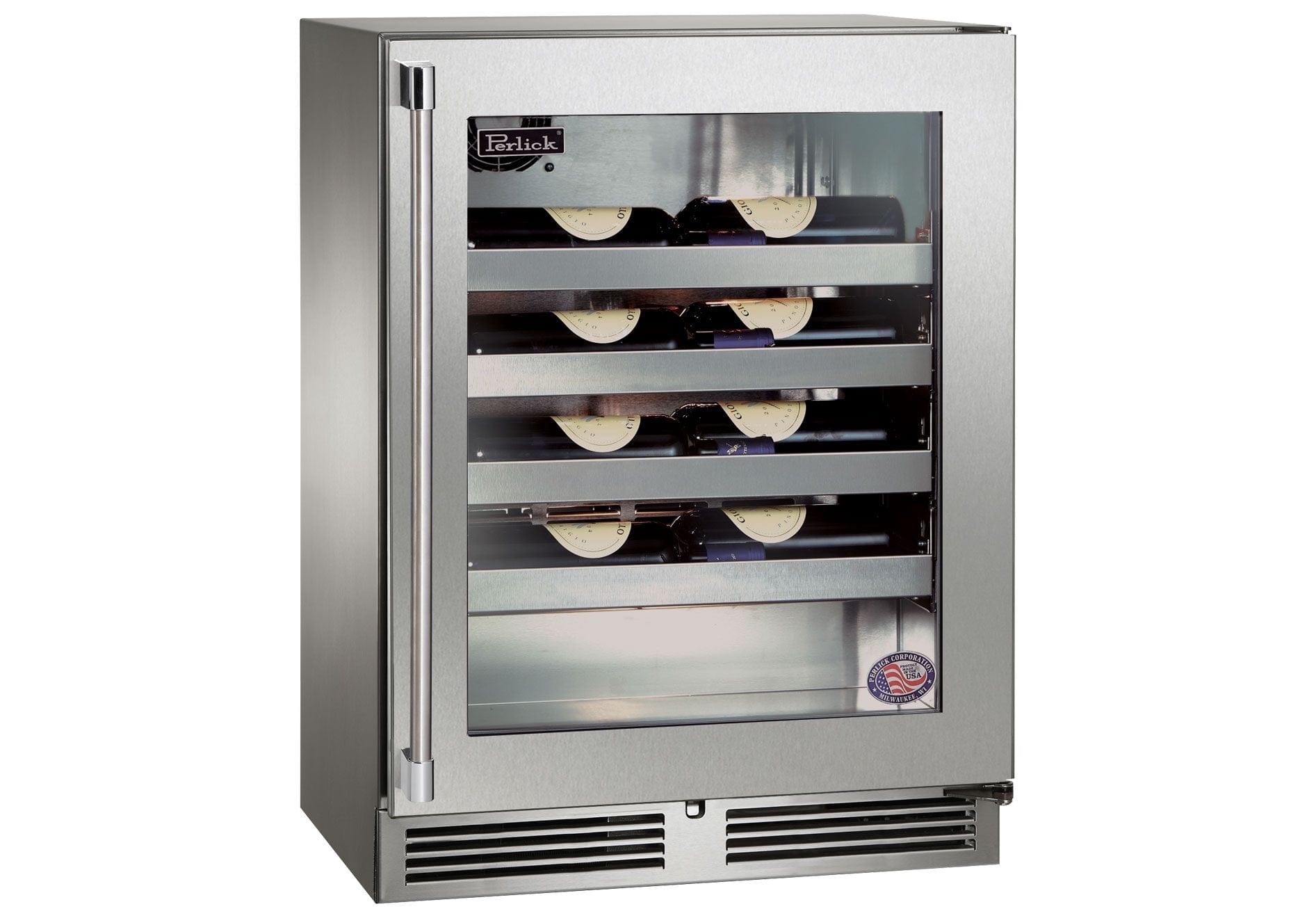
Perlick 24 inch Signature Series 20 Bottle Wine Cooler HH24WO-4-3Perlick
Save 22%
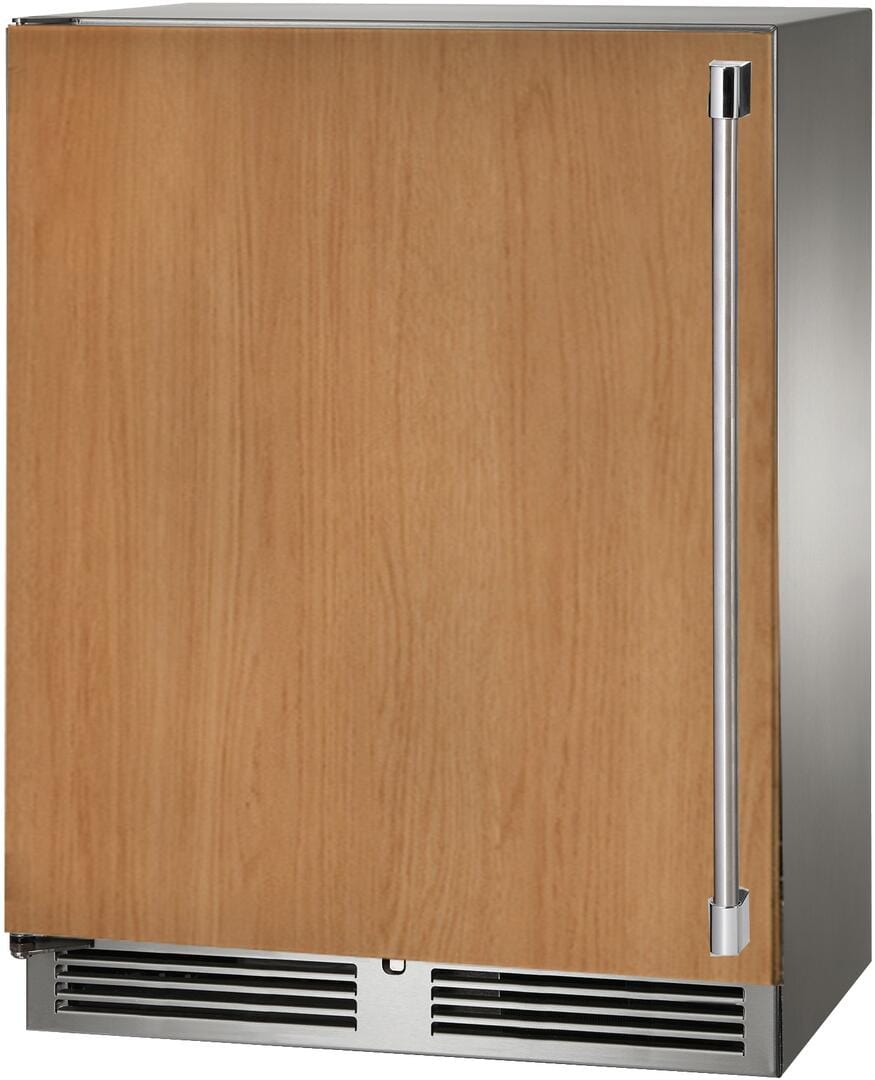
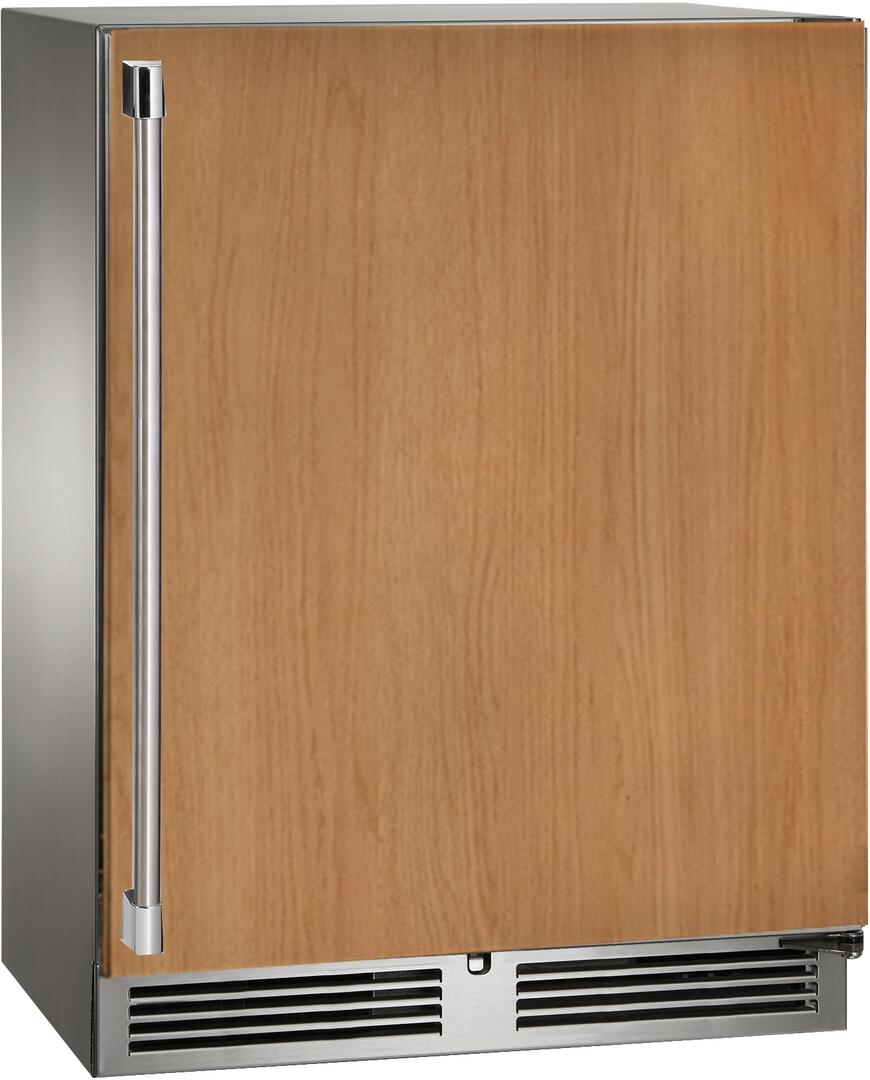
Sale priceFrom $5,367.60
Regular price$6,908.11
Perlick 24 inch Signature Series 20 Bottle Wine Cooler HH24WO-4-2Perlick
Save 22%
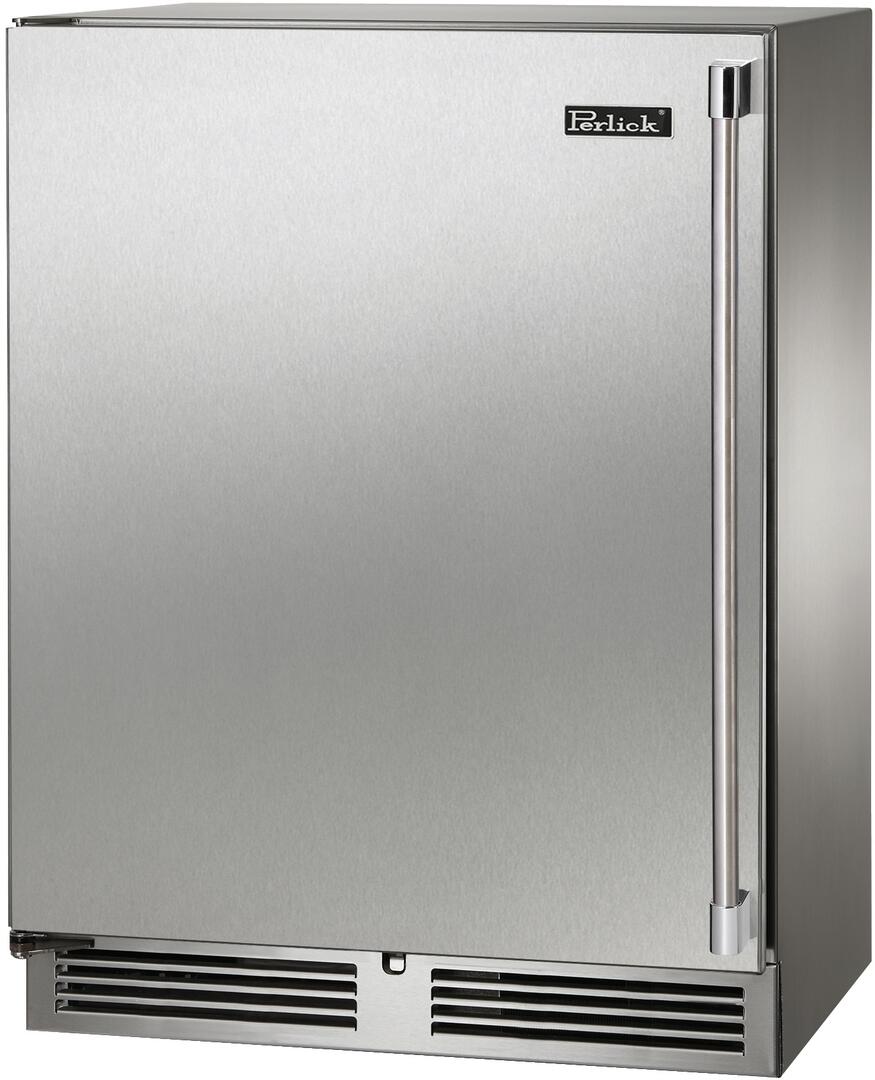
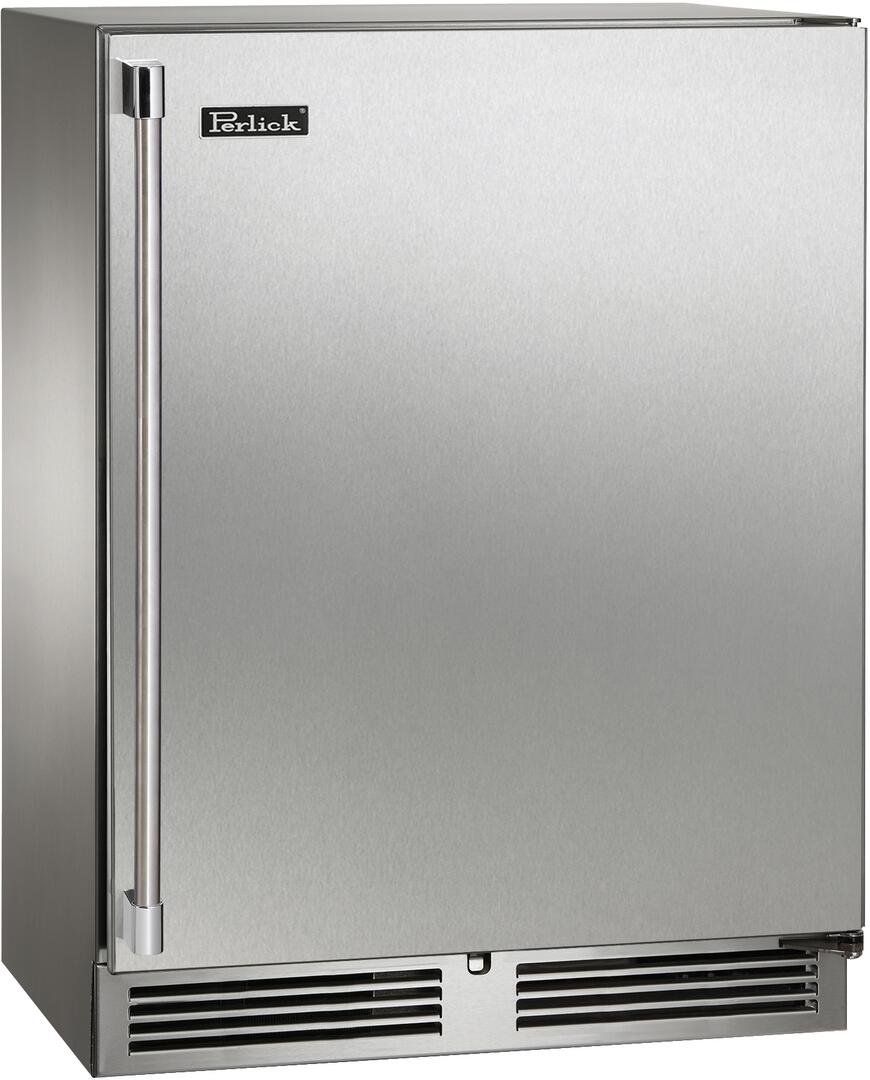
Sale priceFrom $5,588.10
Regular price$7,191.89
Perlick 24 inch Signature Series 20 Bottle Wine Cooler HH24WO-4-1Perlick
Save 22%
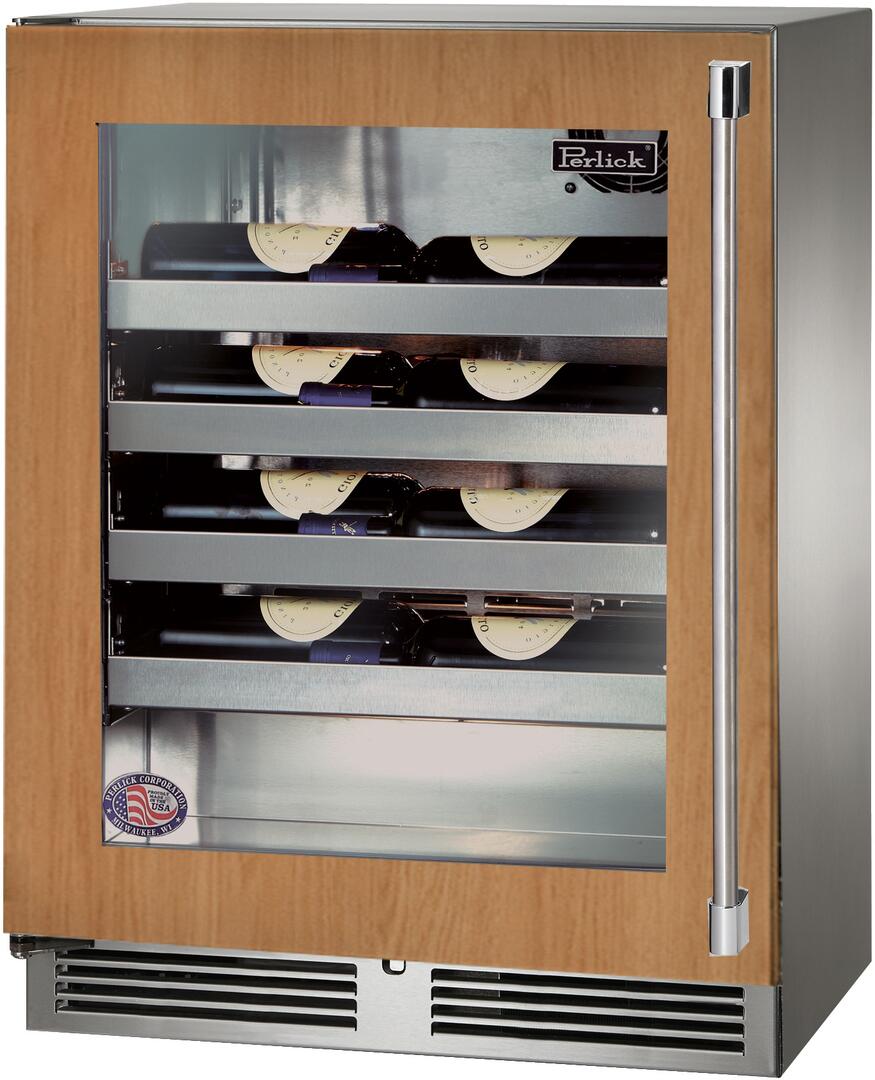
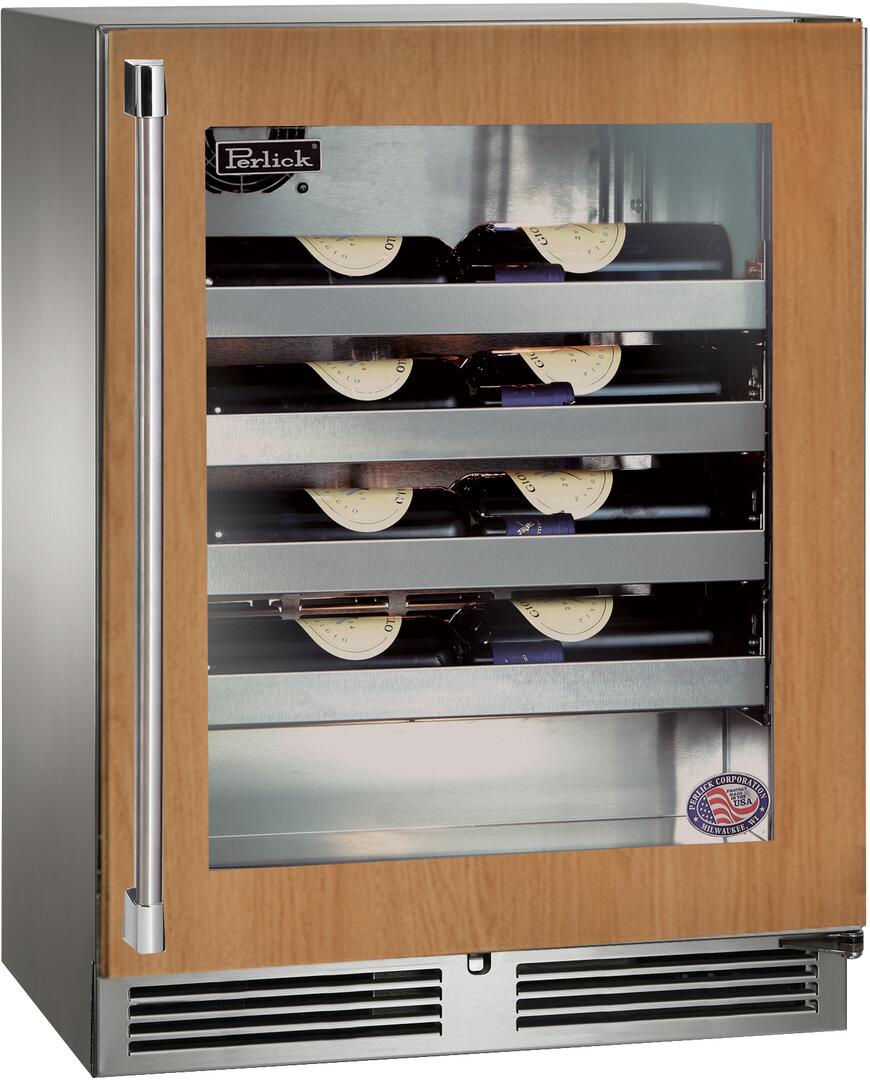
Sale priceFrom $5,184.90
Regular price$6,672.97
Perlick 24 inch Signature Series 20 Bottle Wine Cooler HH24WS-4-4Perlick
Save 22%
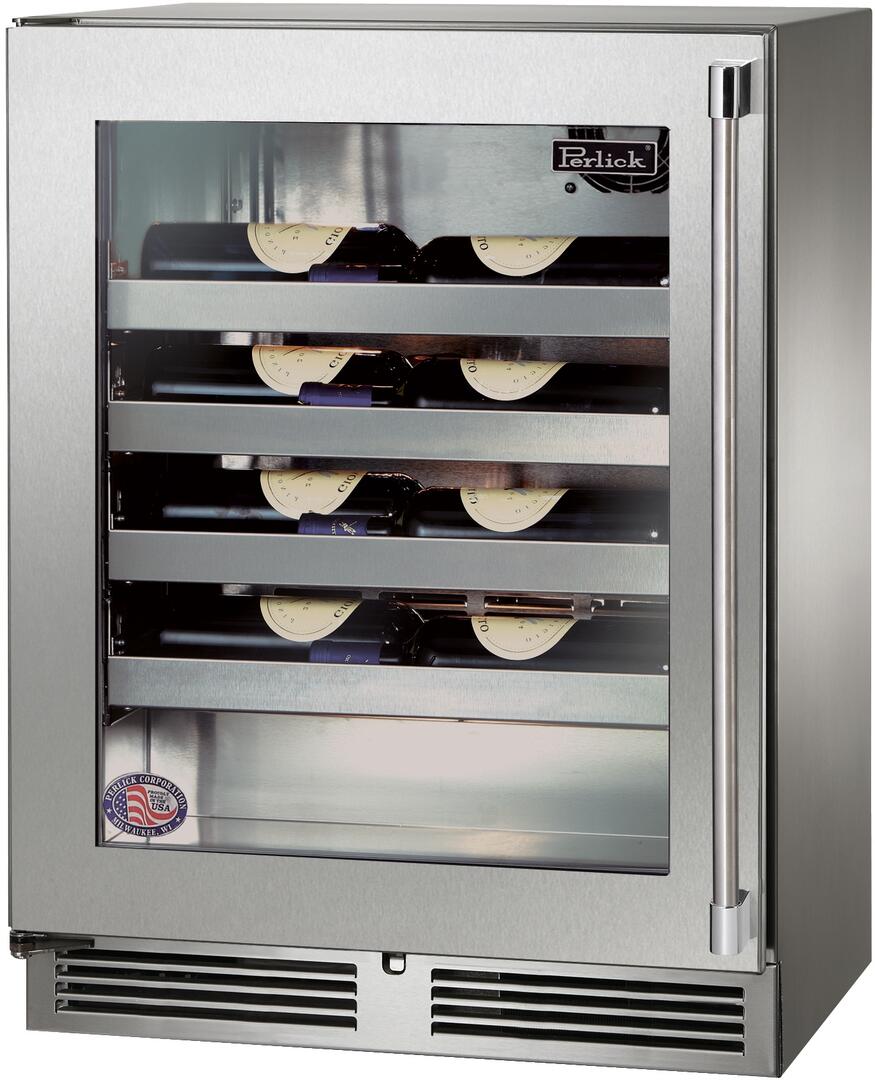
Sale priceFrom $5,399.10
Regular price$6,948.65
Perlick 24 inch Signature Series 20 Bottle Wine Cooler HH24WS-4-3Perlick
Save 22%
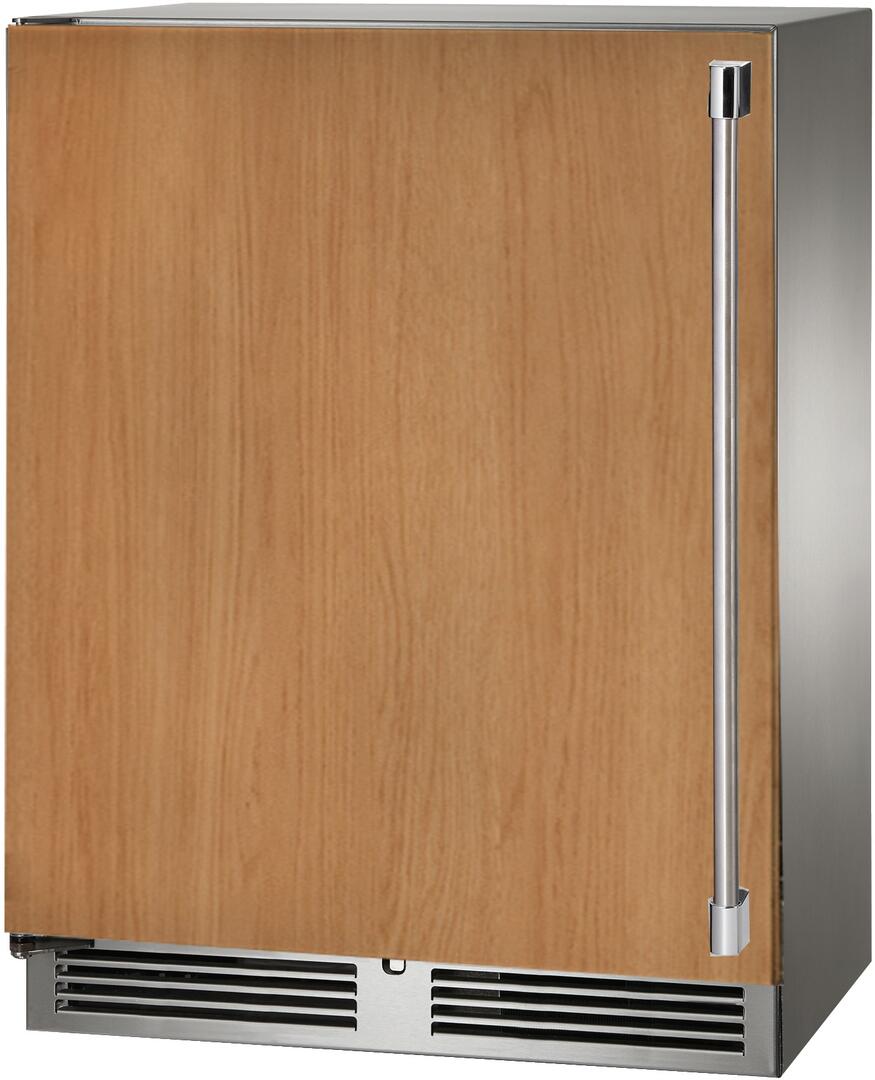
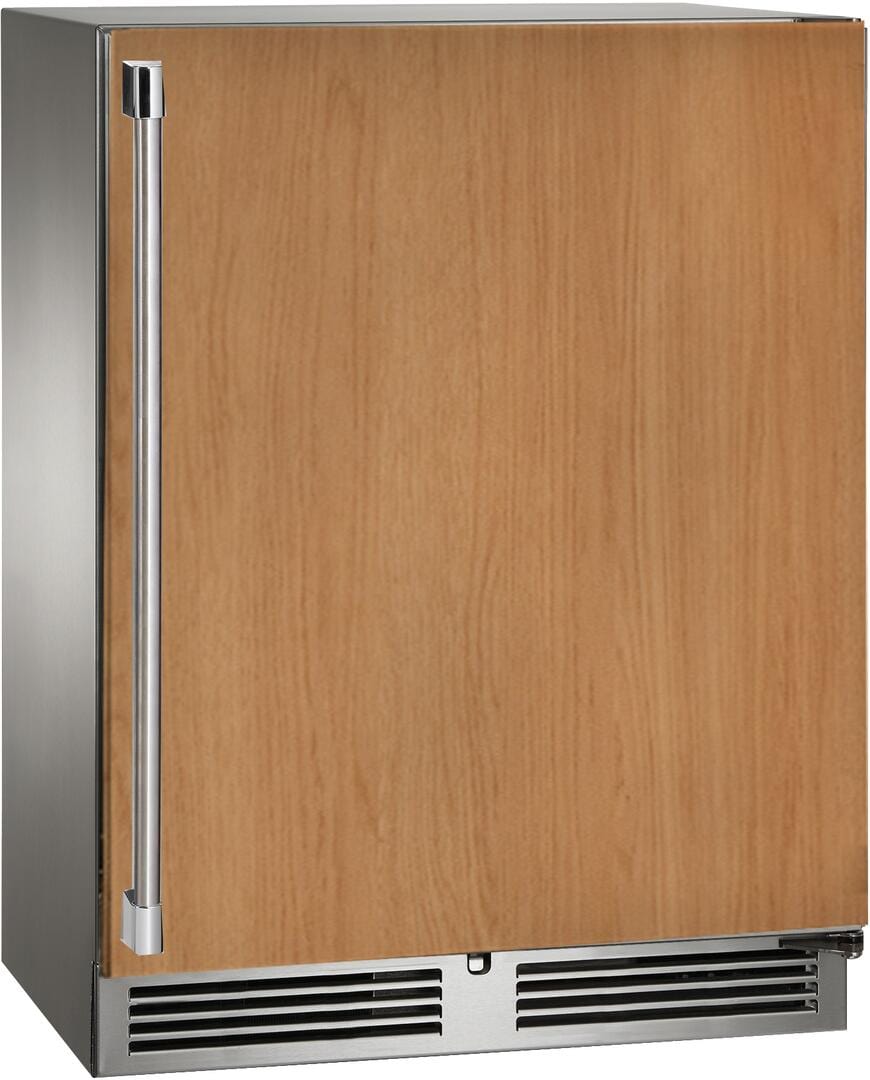
Sale priceFrom $4,932.90
Regular price$6,348.65
Perlick 24 inch Signature Series 20 Bottle Wine Cooler HH24WS-4-2Perlick
Save 22%
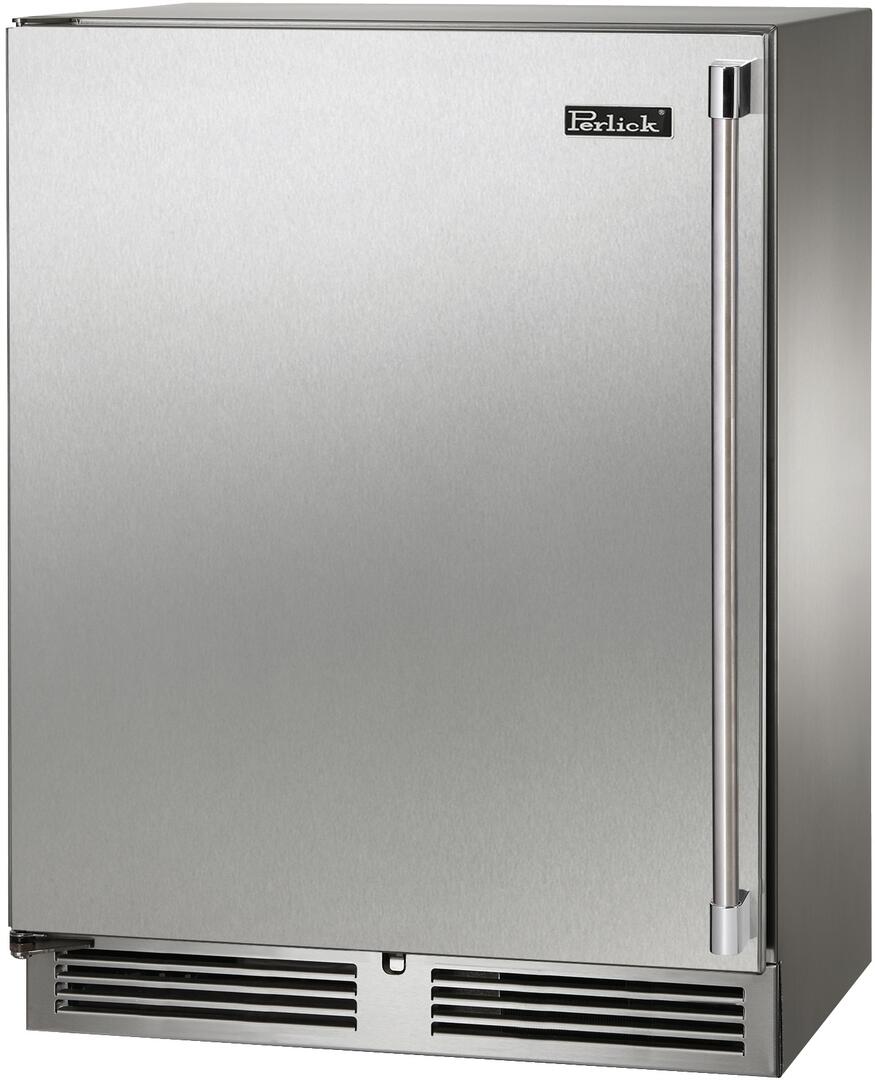
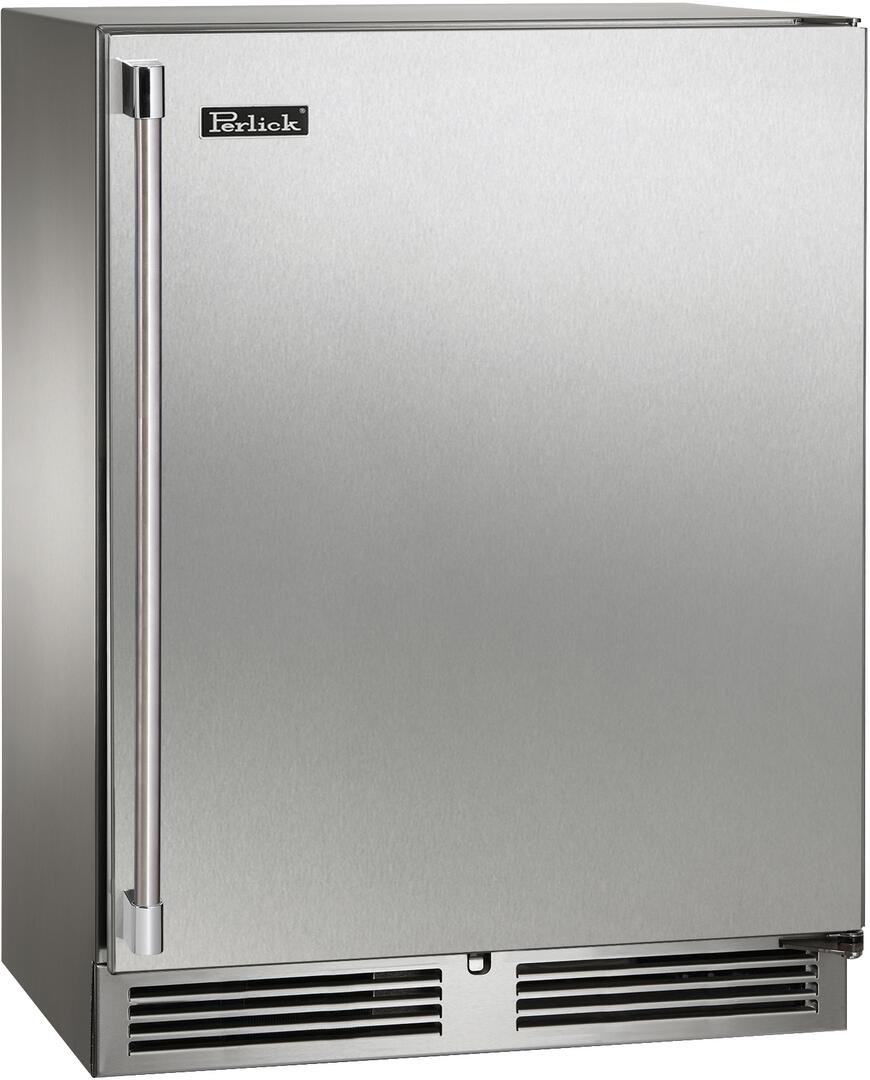
Sale priceFrom $5,147.10
Regular price$6,624.32
Perlick 24 inch Signature Series 20 Bottle Wine Cooler HH24WS-4-1Perlick
Save 22%
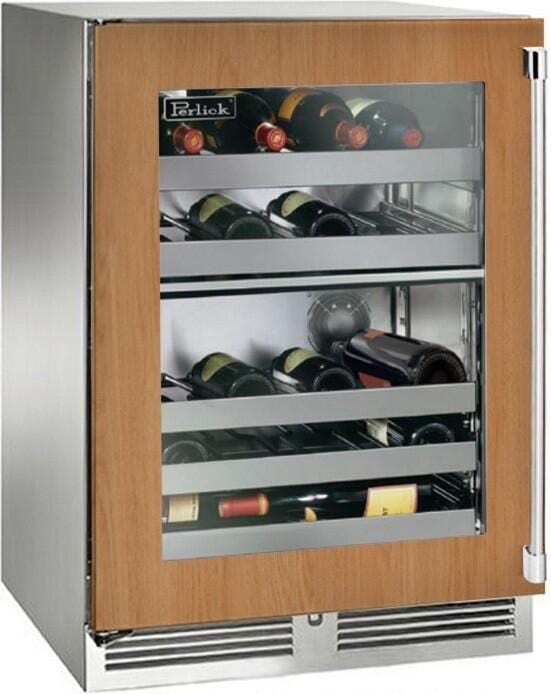
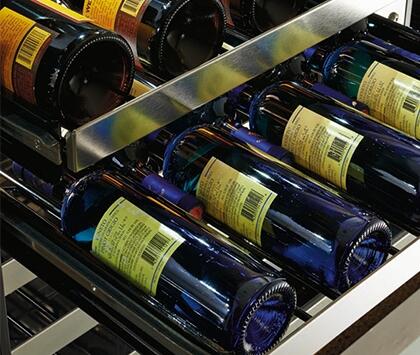
Sale priceFrom $7,415.10
Regular price$9,543.24
Perlick 24 inch Signature Series 32 Bottle Wine Cooler HP24DO-4-4Perlick
📚 Frequently Asked Questions (FAQs)
Do not use residential wine coolers for long-term aging. They will not maintain stable humidity and temperature for cellar conditions.
Only install built-in models inside cabinetry. Freestanding units will overheat without proper ventilation.
Choose dual zone only if storing different wine types. Single zone units are sufficient for uniform storage.
Do not install residential wine coolers outdoors. They will fail in fluctuating temperatures and humidity.
Do not use residential units for large collections over ~300 bottles. They cannot maintain consistent conditions at scale.
Residential wine coolers are designed for low-noise operation. Do not use commercial units in living spaces due to higher noise levels.


