Save 26%
Sale price$9,399.00
Regular price$12,688.65
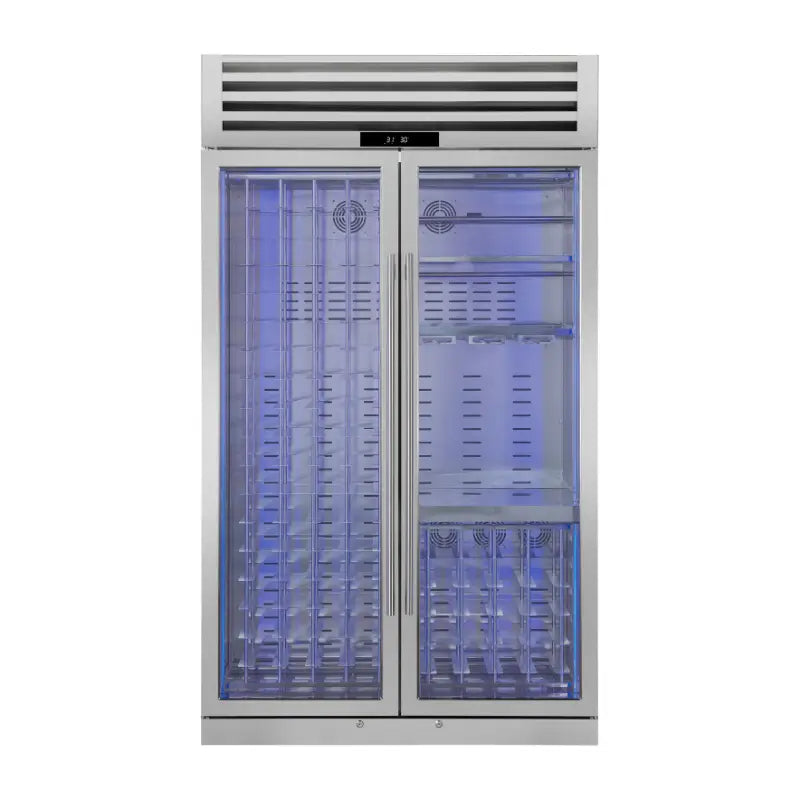
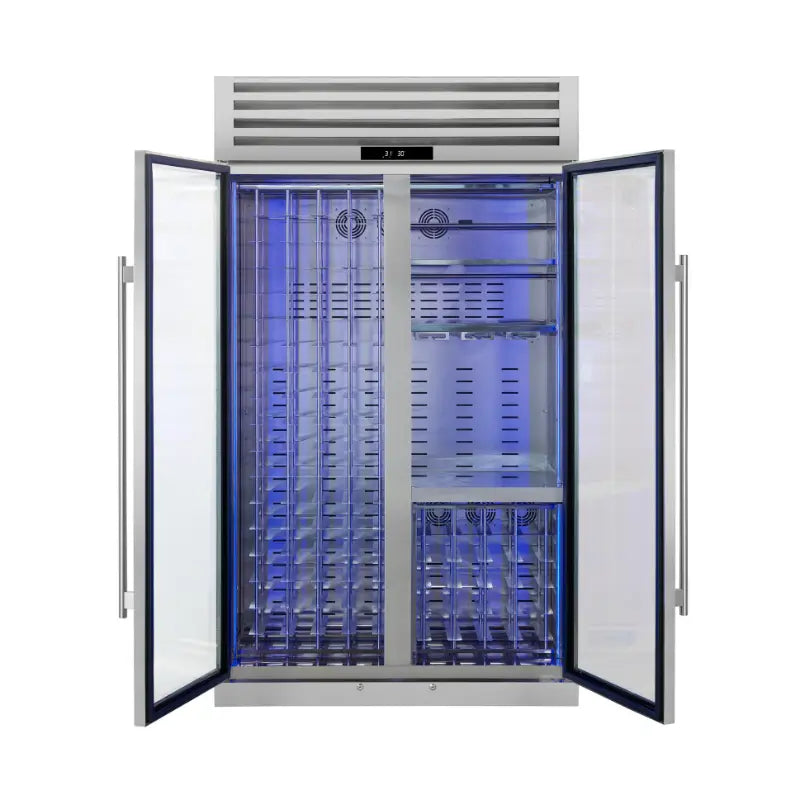
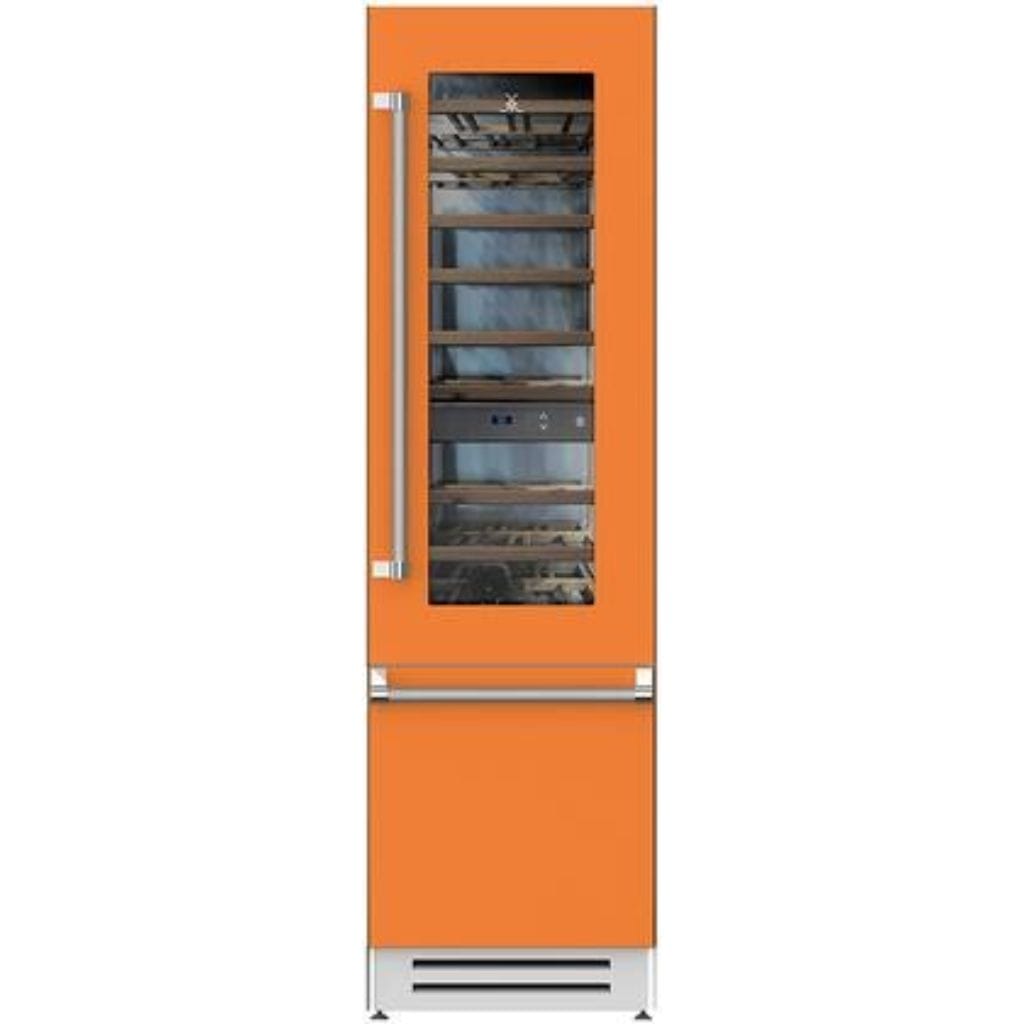
FORNO Abruzzo FWCDR6680-48S 48-Inch Dual Zone Wine Cooler – 30 Cu. Ft., 130 BottlesForno
Save 26%
Save 26%
Sale price$3,445.20
Regular price$4,655.68
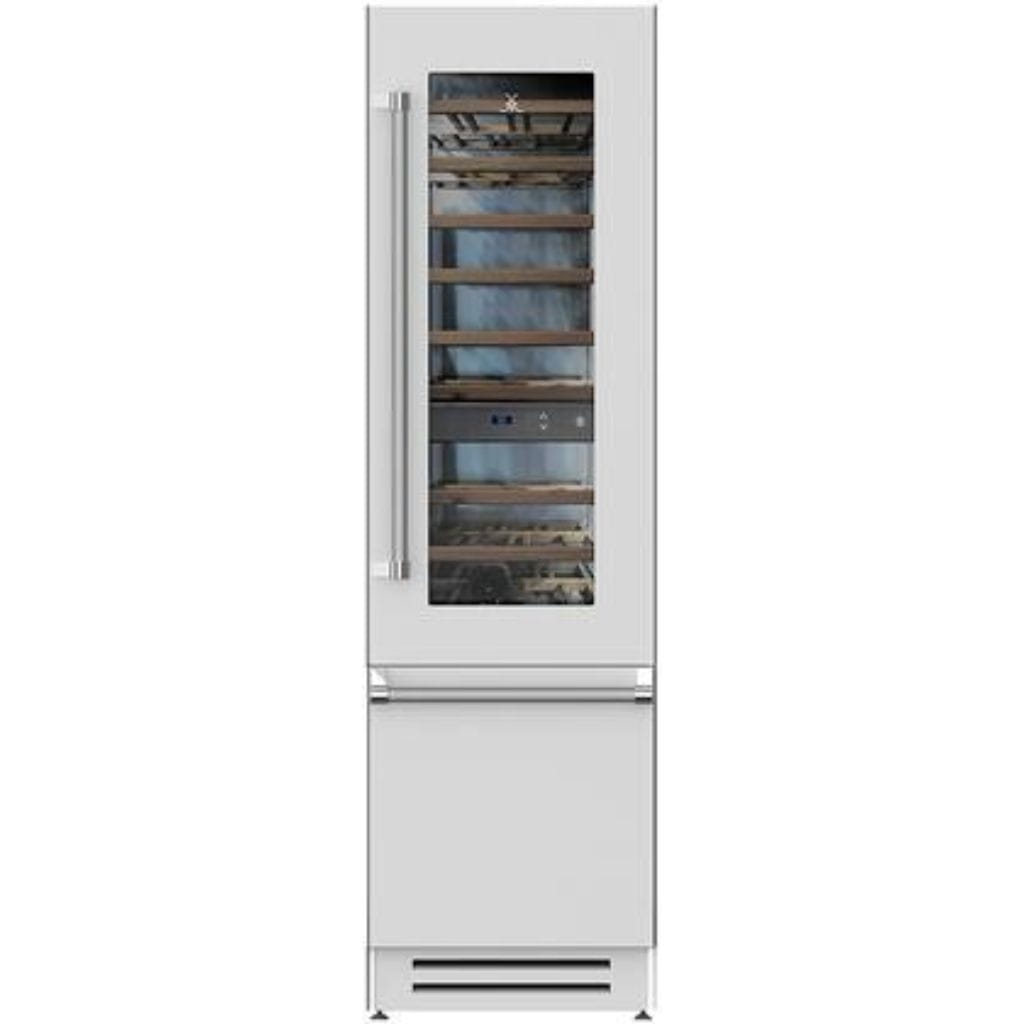
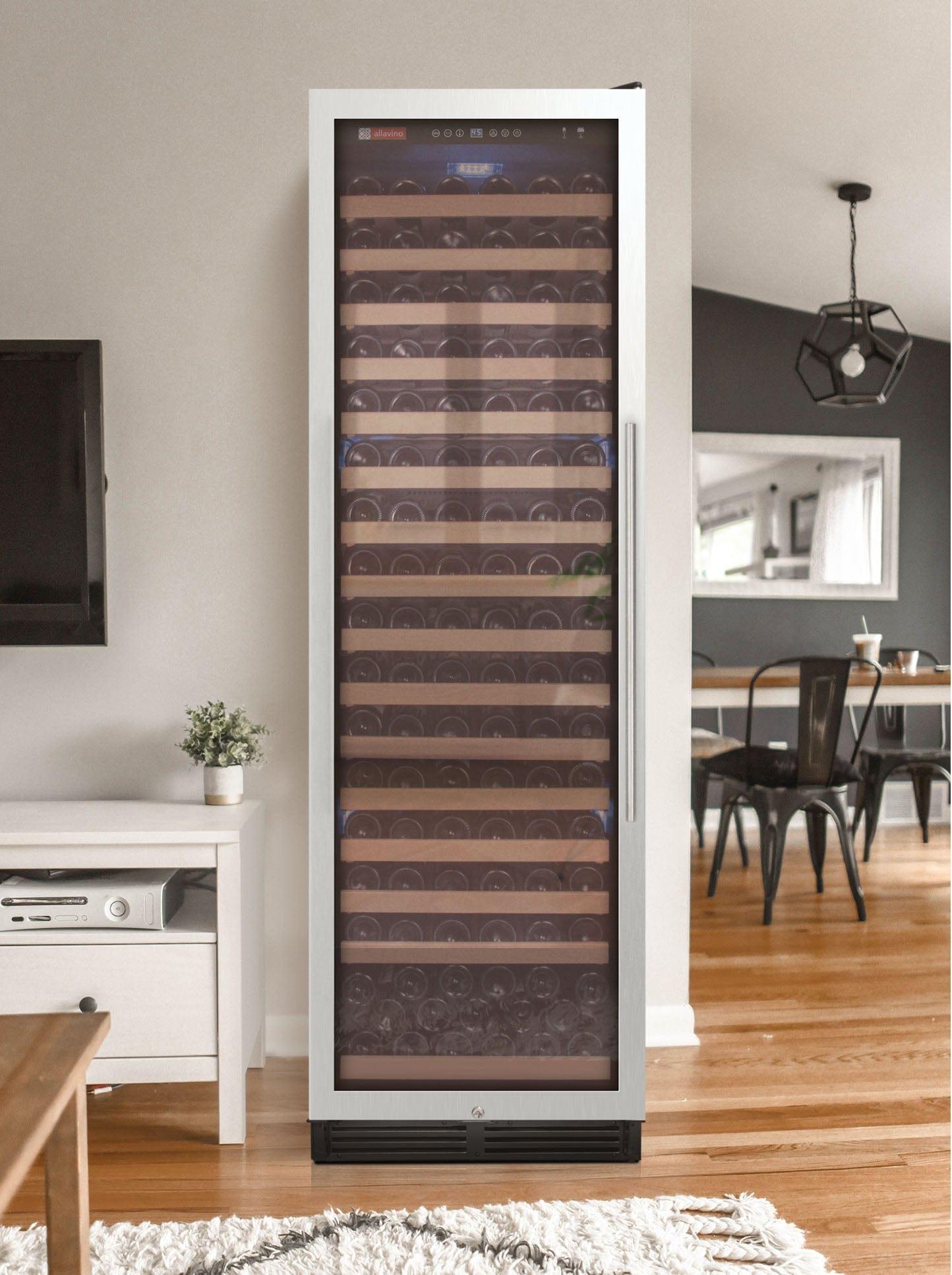
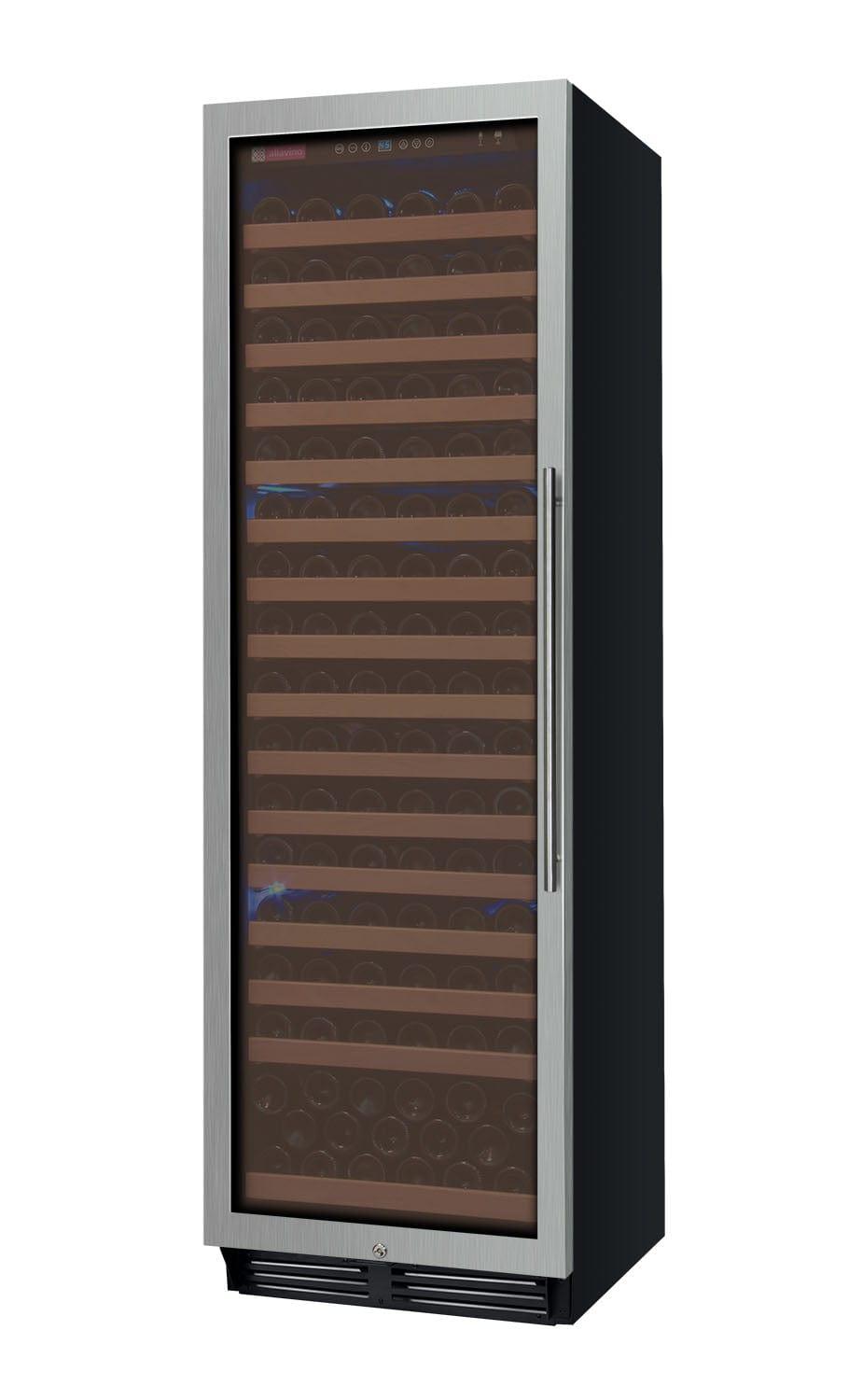
Allavino FlexCount Classic II Tru-Vino 174 Bottle Single Zone Stainless Steel Left Hinge Wine Fridge YHWR174-1SL20Allavino
Save 26%
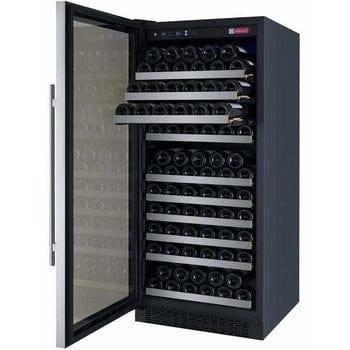
Sale price$2,258.10
Regular price$3,051.49
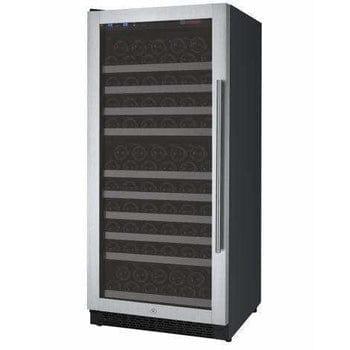
Allavino FlexCount II Tru-Vino 128 Bottle Single Zone Stainless Steel Left Hinge Wine Fridge VSWR128-1SL20Allavino
Save 26%
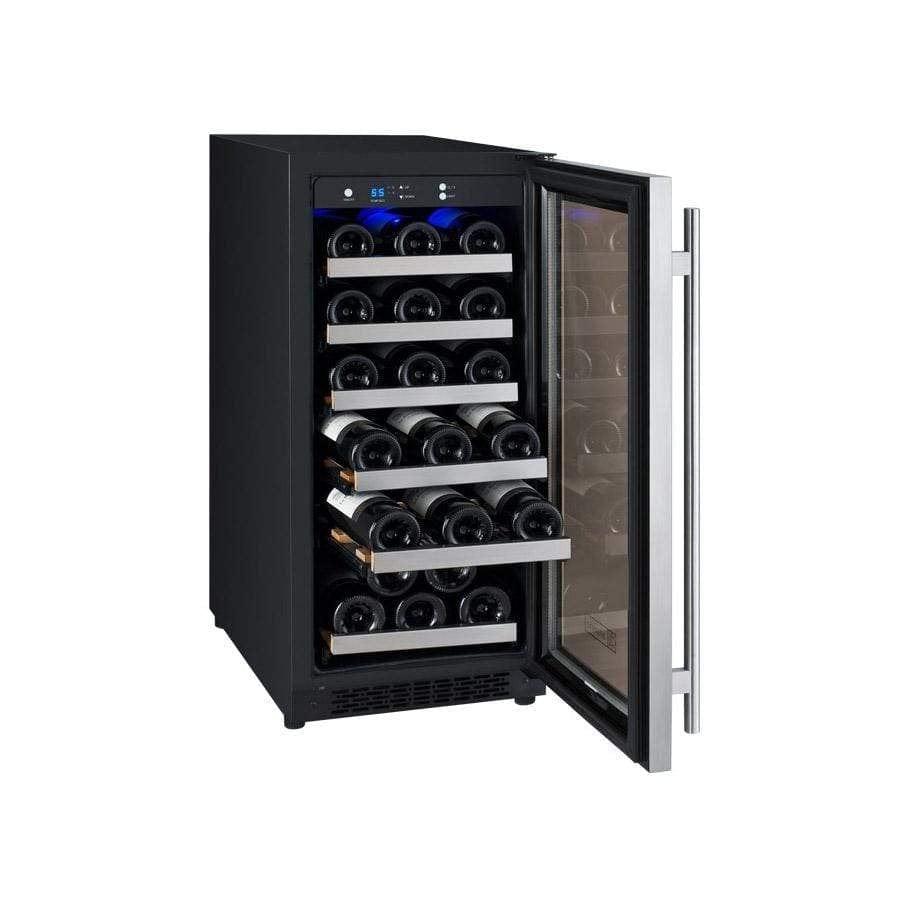
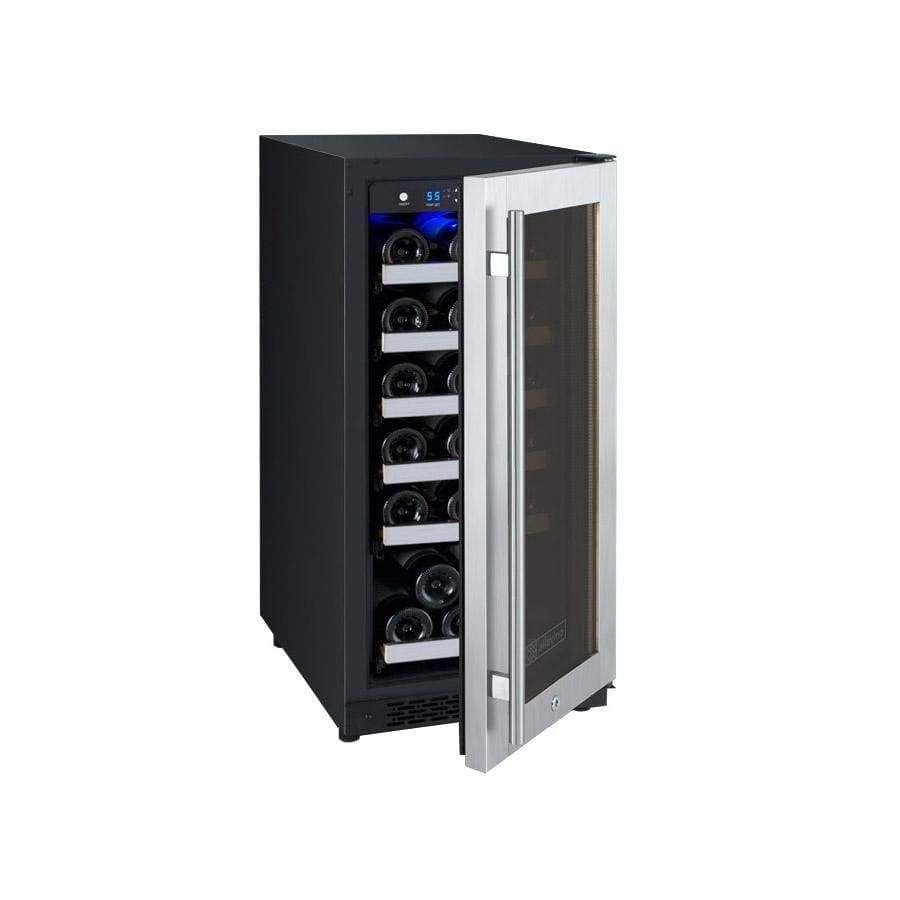
Sale priceFrom $1,375.40
Regular price$1,858.65
Allavino FlexCount II Tru-Vino 30 Bottle Single Zone Stainless Steel Right Hinge Wine FridgeAllavino
Save 26%
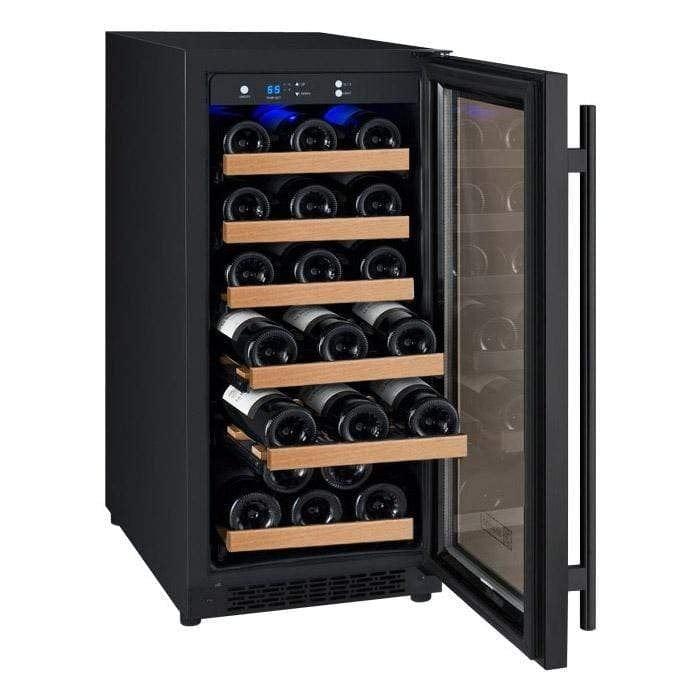
Sale priceFrom $1,388.40
Regular price$1,876.22
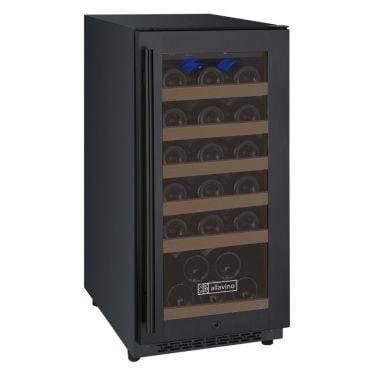
Allavino FlexCount II Tru-Vino 30 Bottle Single Zone Black Wine Fridge VSWR30-1BR20Allavino
Save 26%
Sale priceFrom $1,375.40
Regular price$1,858.65
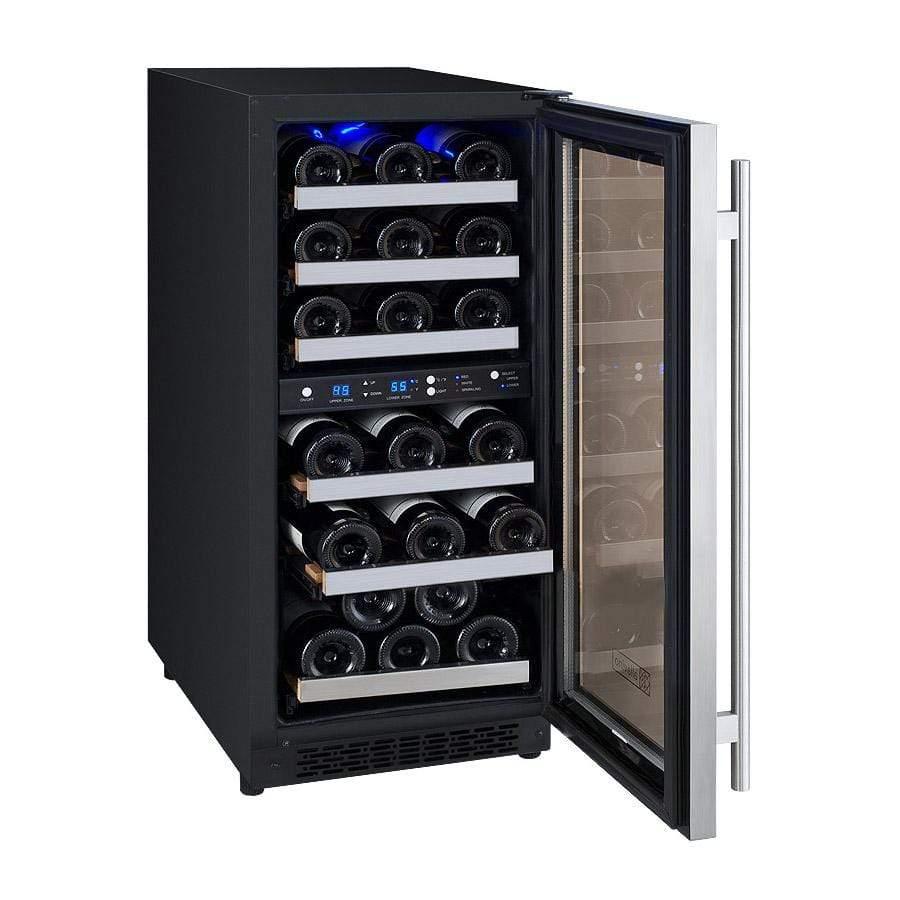
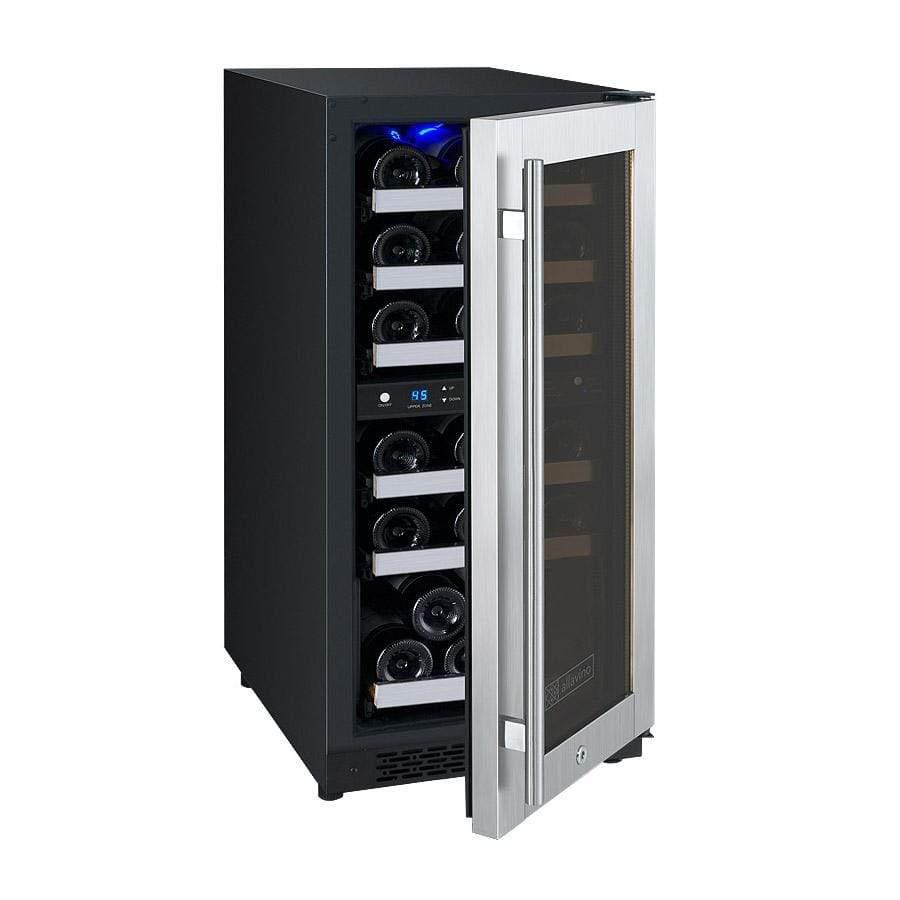
Allavino FlexCount II Tru-Vino 30 Bottle Dual Zone Stainless Steel Right Hinge Wine Fridge VSWR30-2SR20Allavino
Save 26%
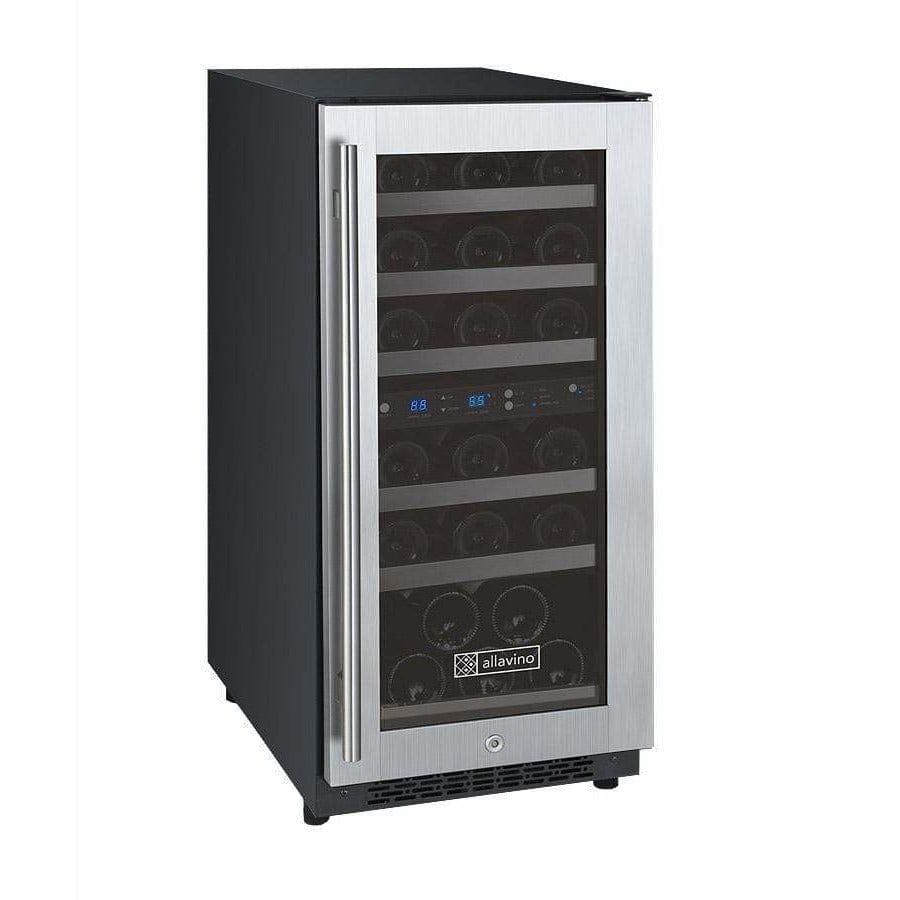
Sale price$1,298.00
Regular price$1,754.05
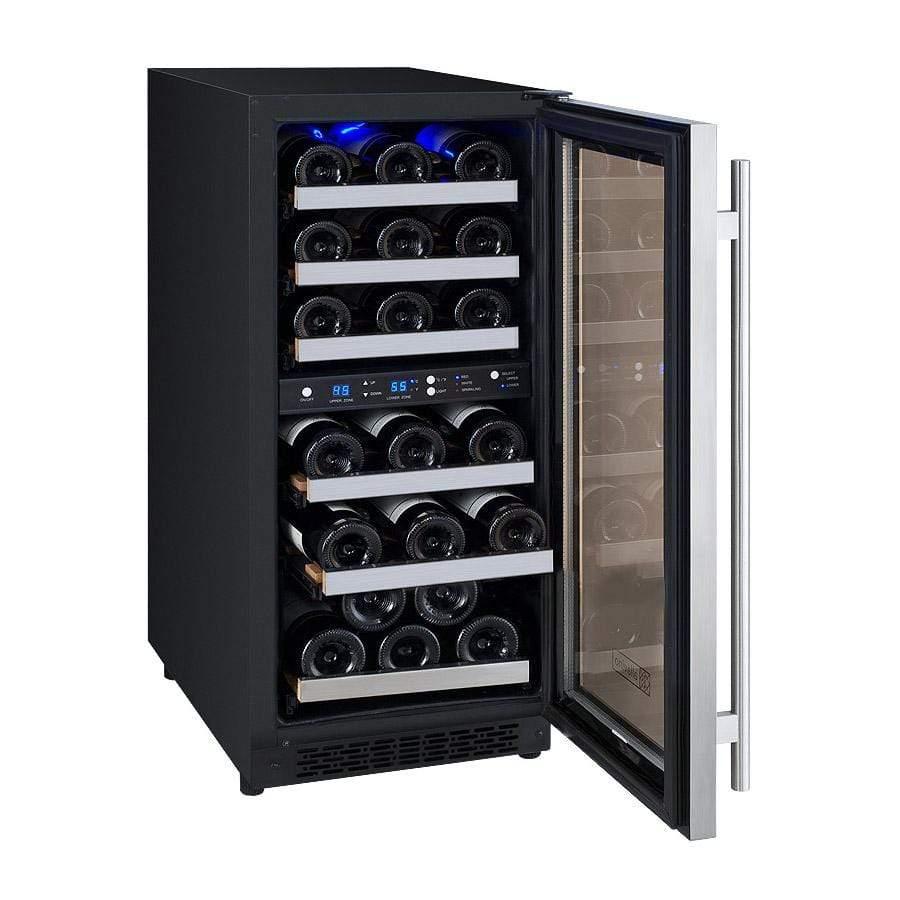
Allavino FlexCount II Tru-Vino 30 Bottle Dual Zone Stainless Steel Left Hinge Wine Fridge VSWR30-2SL20Allavino
Save 26%
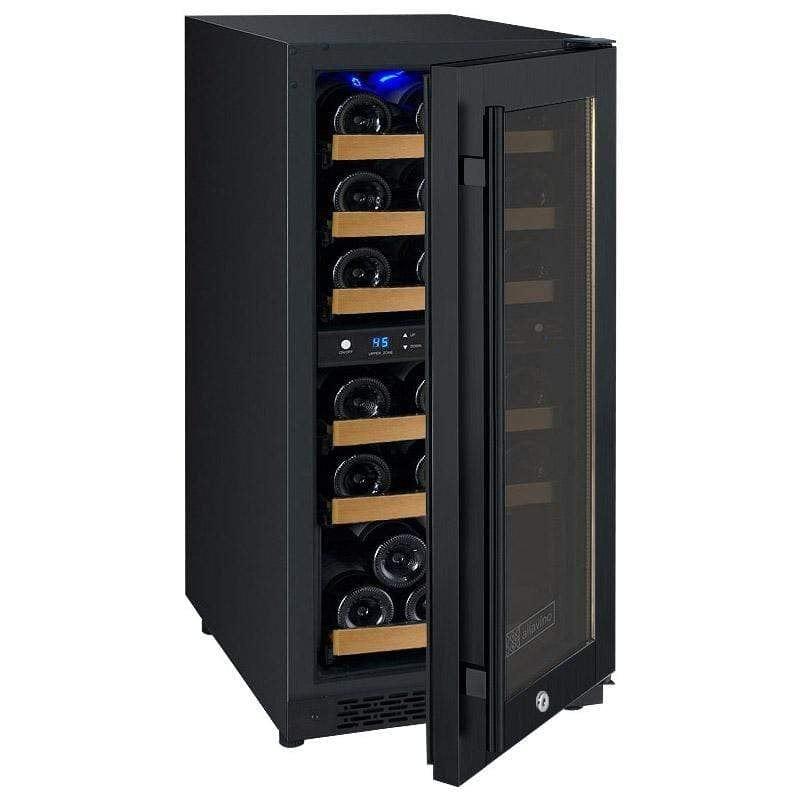
Sale price$1,411.80
Regular price$1,907.84
Allavino FlexCount II Tru-Vino 30 Bottle Dual Zone Black Wine Fridge VSWR30-2BR20Allavino
Save 26%
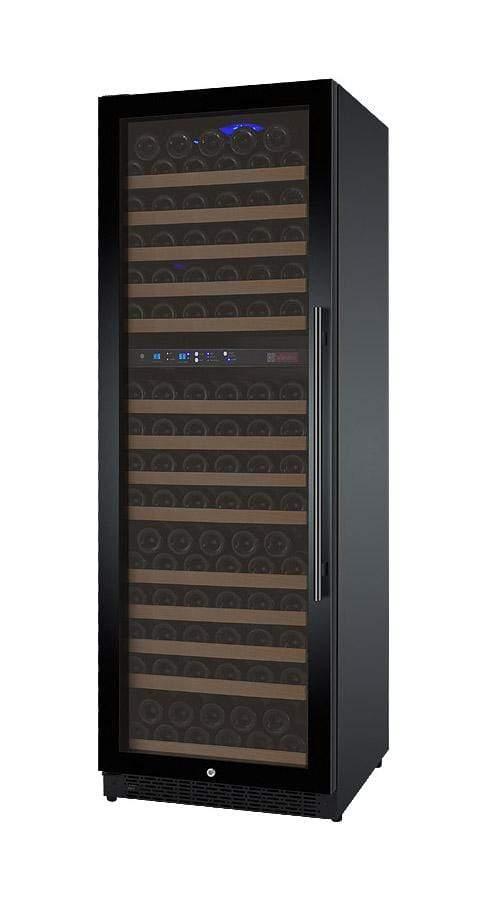
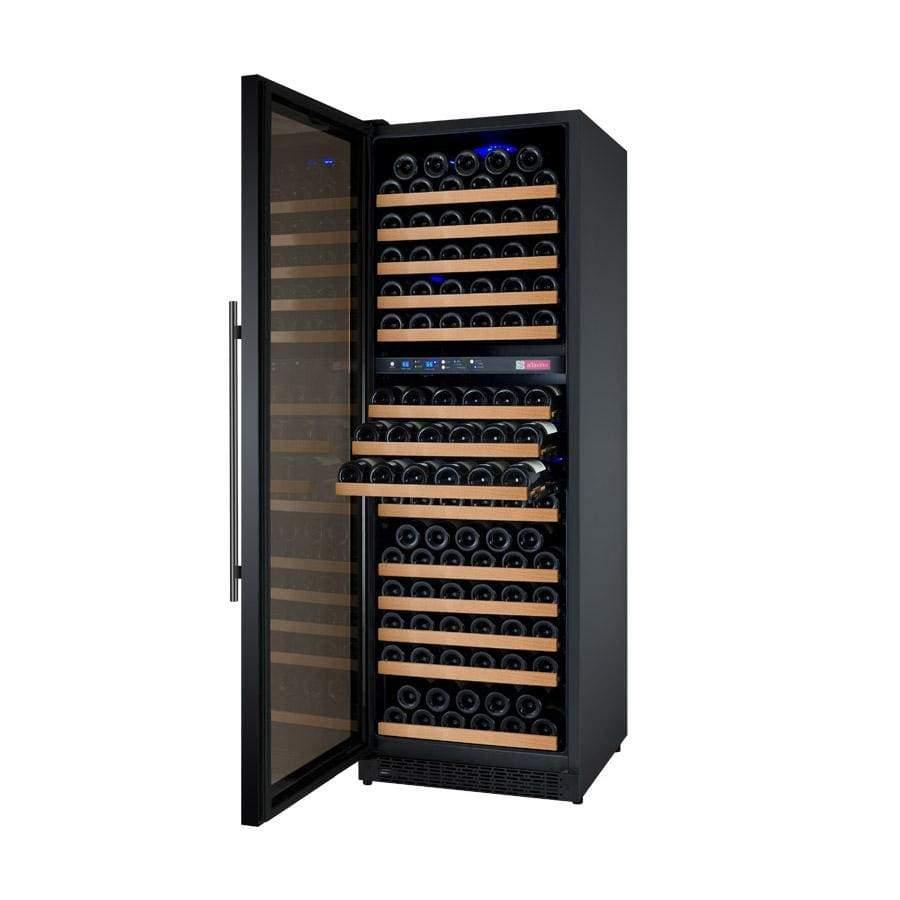
Sale price$3,498.00
Regular price$4,727.03
Allavino FlexCount II Tru-Vino 172 Bottle Dual Zone Black Left Hinge Wine Fridge VSWR172-2BL20Allavino
Save 26%
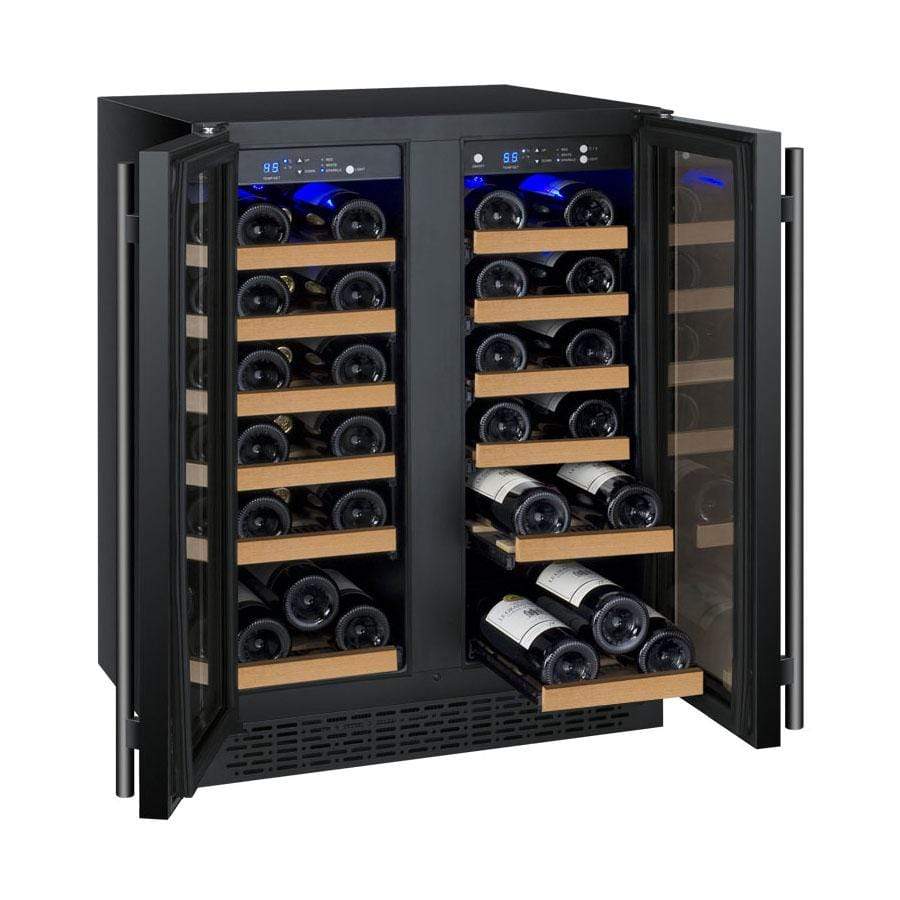
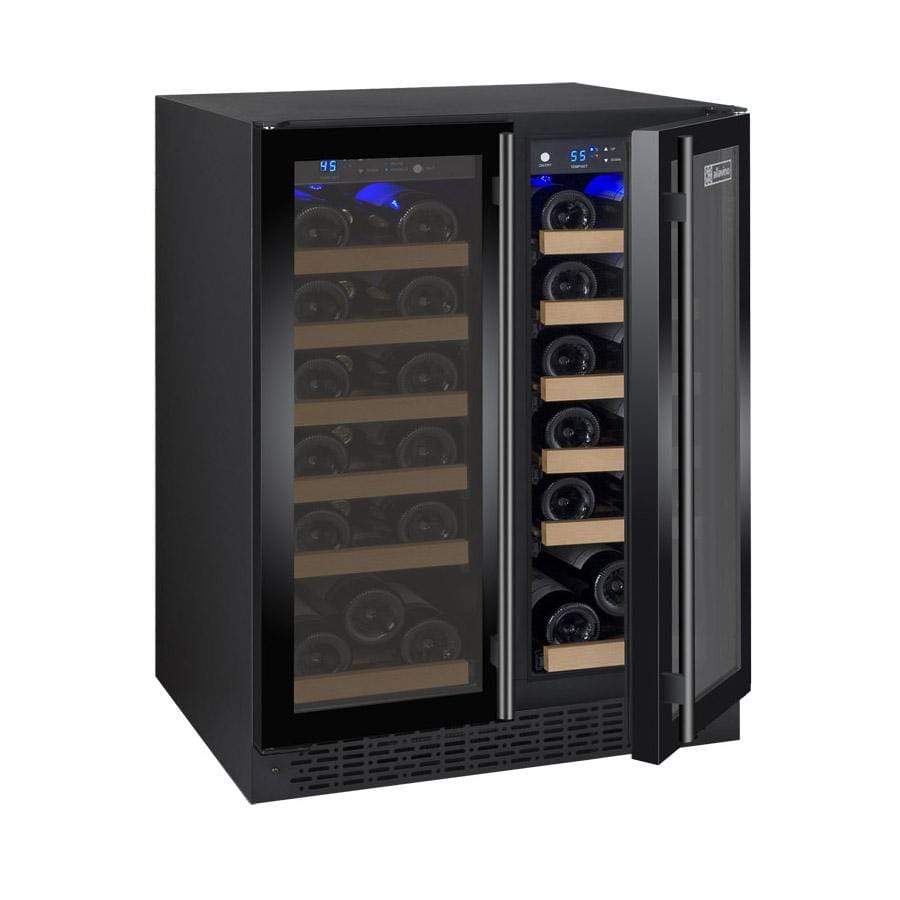
Sale price$1,894.10
Regular price$2,559.59
Allavino FlexCount II Tru-Vino 36 Bottle Dual Zone Black Wine Fridge VSWR36-2BF20Allavino
Save 26%
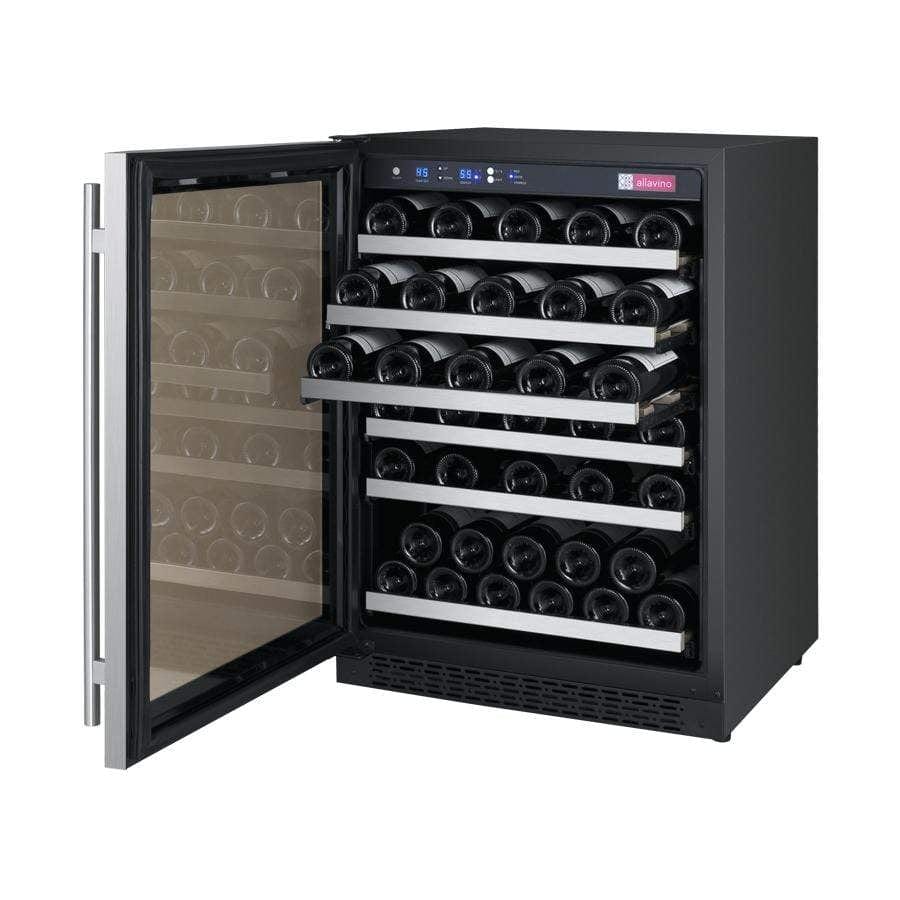
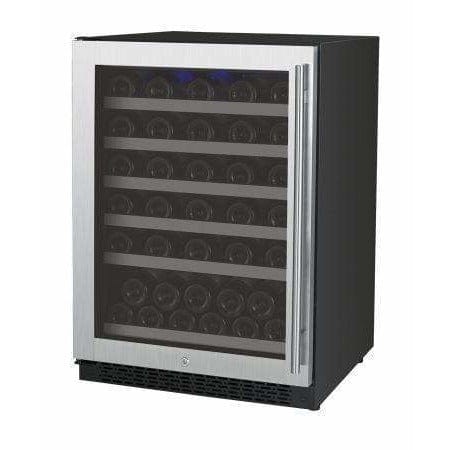
Sale price$2,218.00
Regular price$2,997.30
Allavino FlexCount II Tru-Vino Series 56 Bottle Stainless Steel Left Hinge Wine Fridge VSWR56-1SL20Allavino
Save 26%
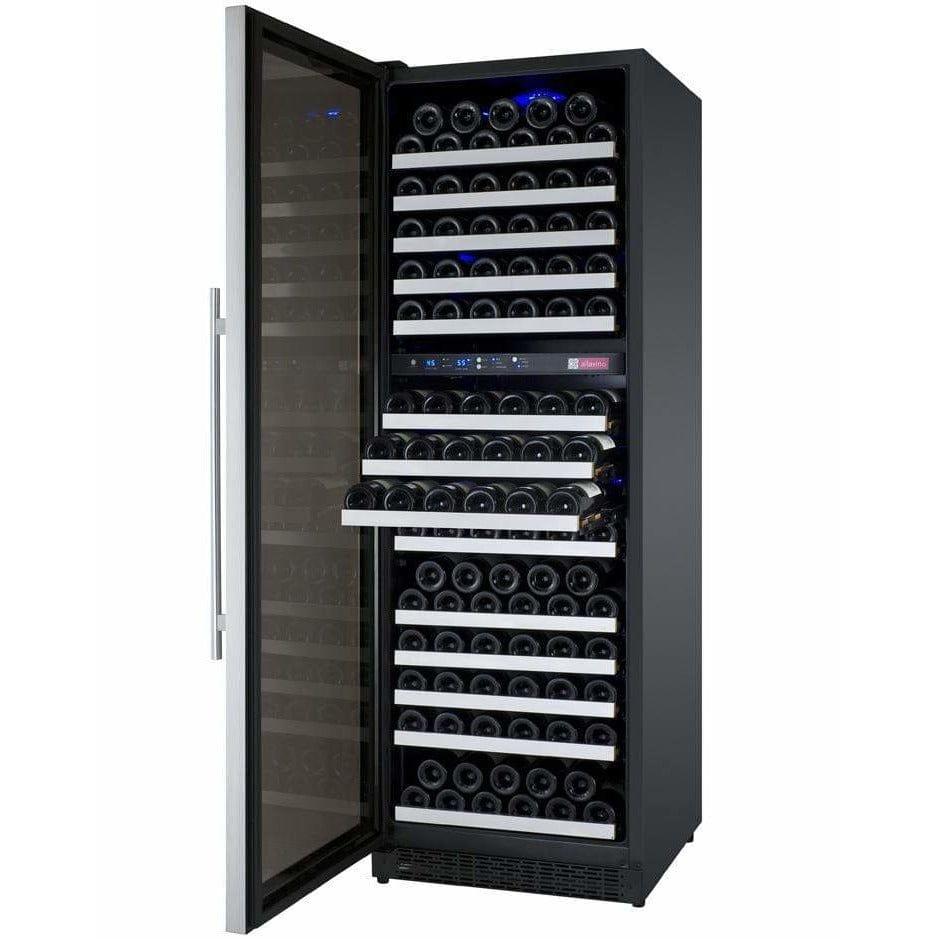
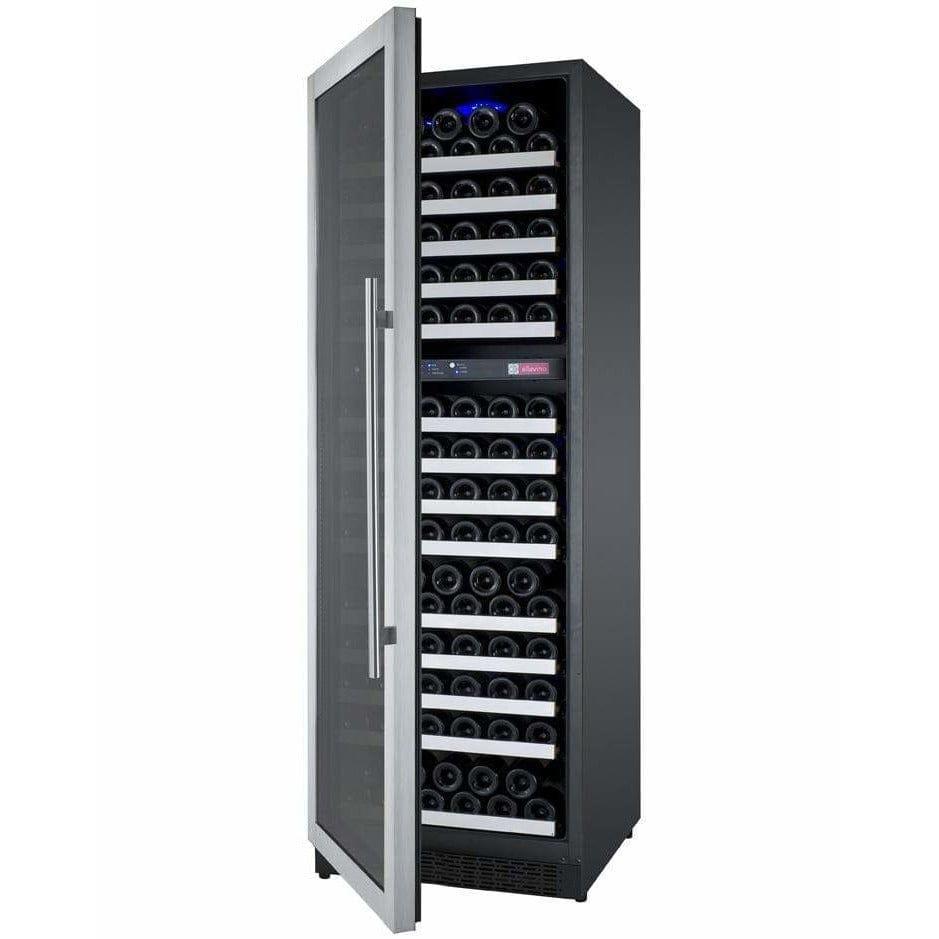
Sale price$3,498.00
Regular price$4,727.03
Allavino FlexCount II Tru-Vino 172 Bottle Dual Zone Stainless Steel Left Hinge Wine Fridge VSWR172-2SL20Allavino
Save 26%
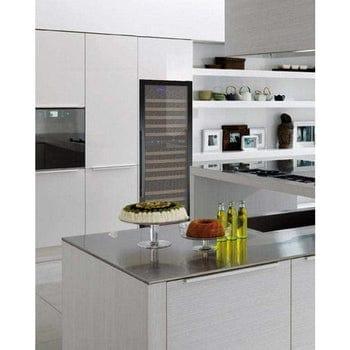
Sale price$3,498.00
Regular price$4,727.03
Allavino FlexCount II Tru-Vino 172 Bottle Black Right Hinge Wine Fridge VSWR172-2BR20Allavino
Save 26%
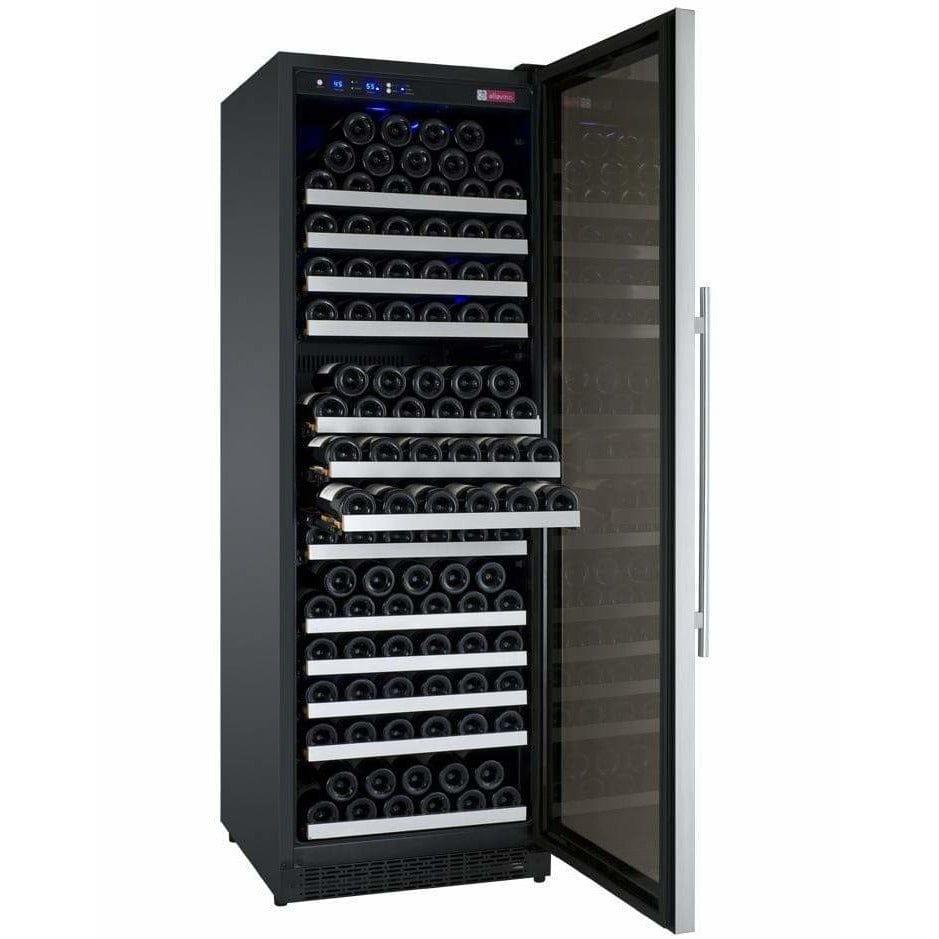
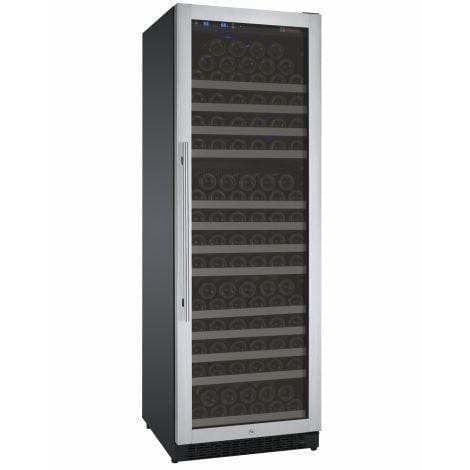
Sale price$3,398.00
Regular price$4,591.89
Allavino FlexCount II Tru-Vino 177 Bottle Wine Fridge VSWR177-1SR20Allavino
Save 26%
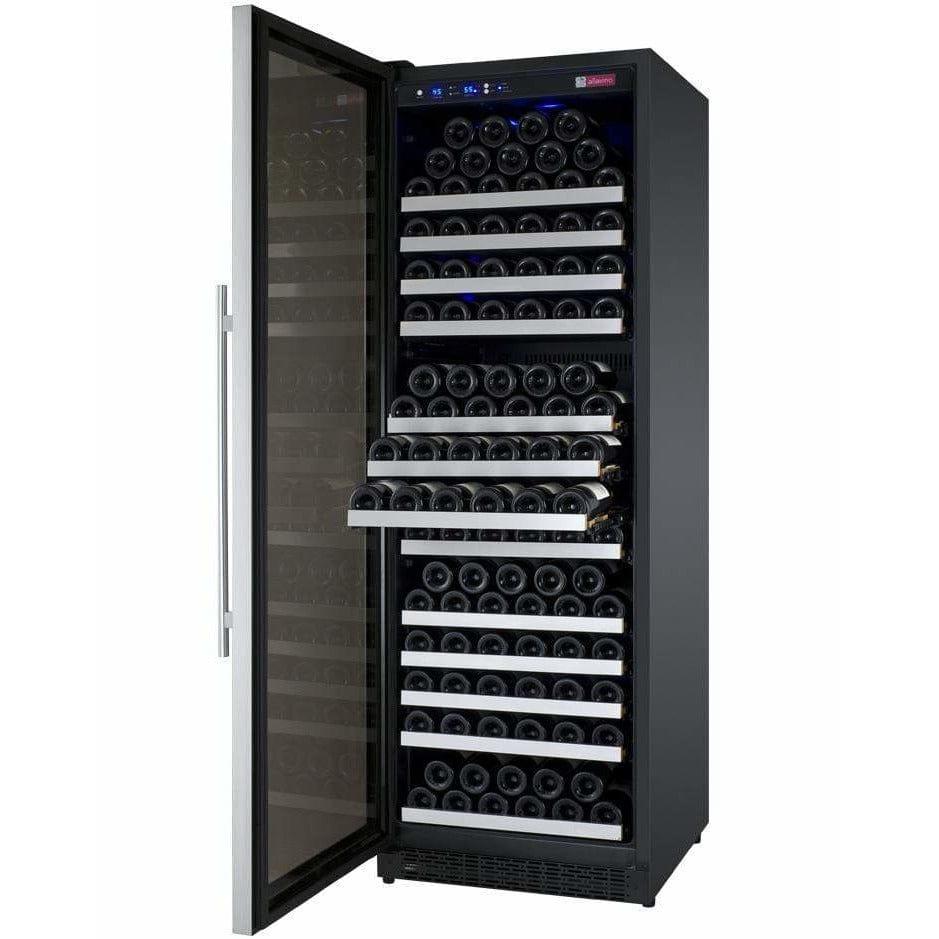
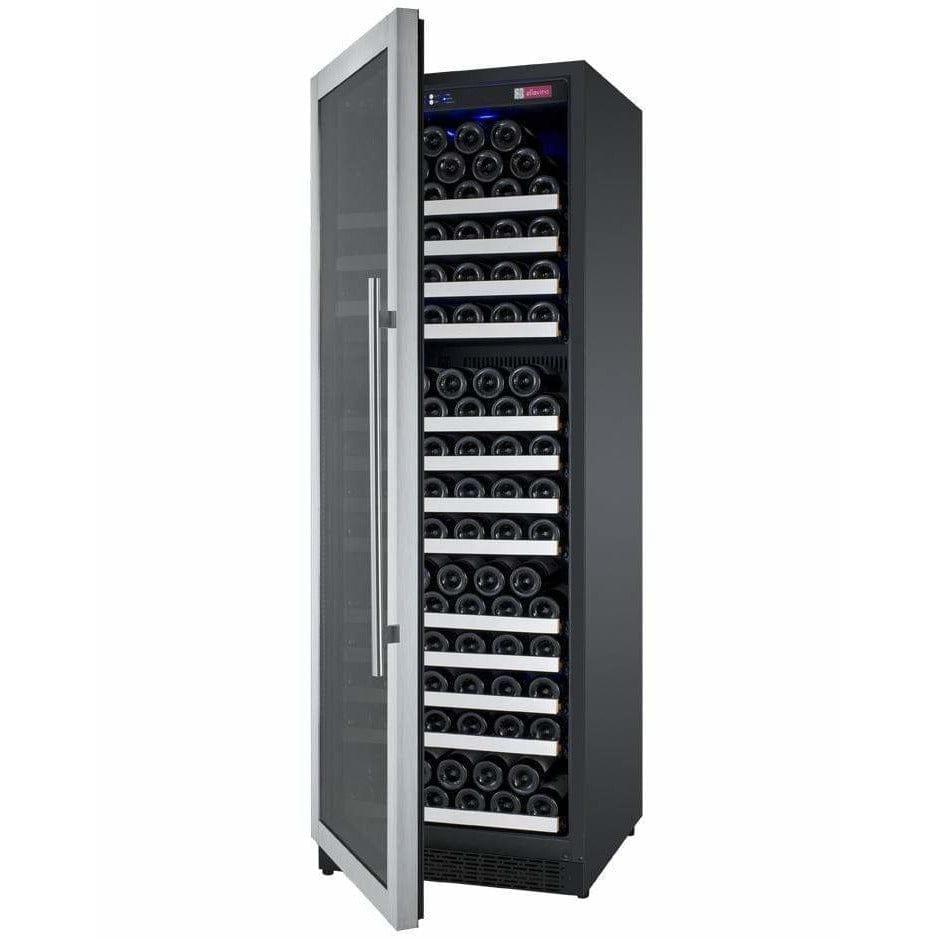
Sale price$3,398.00
Regular price$4,591.89
Allavino FlexCount II Tru-Vino 177 Bottle Stainless Steel Left Hinge Wine Fridge VSWR177-1SL20Allavino
Save 26%
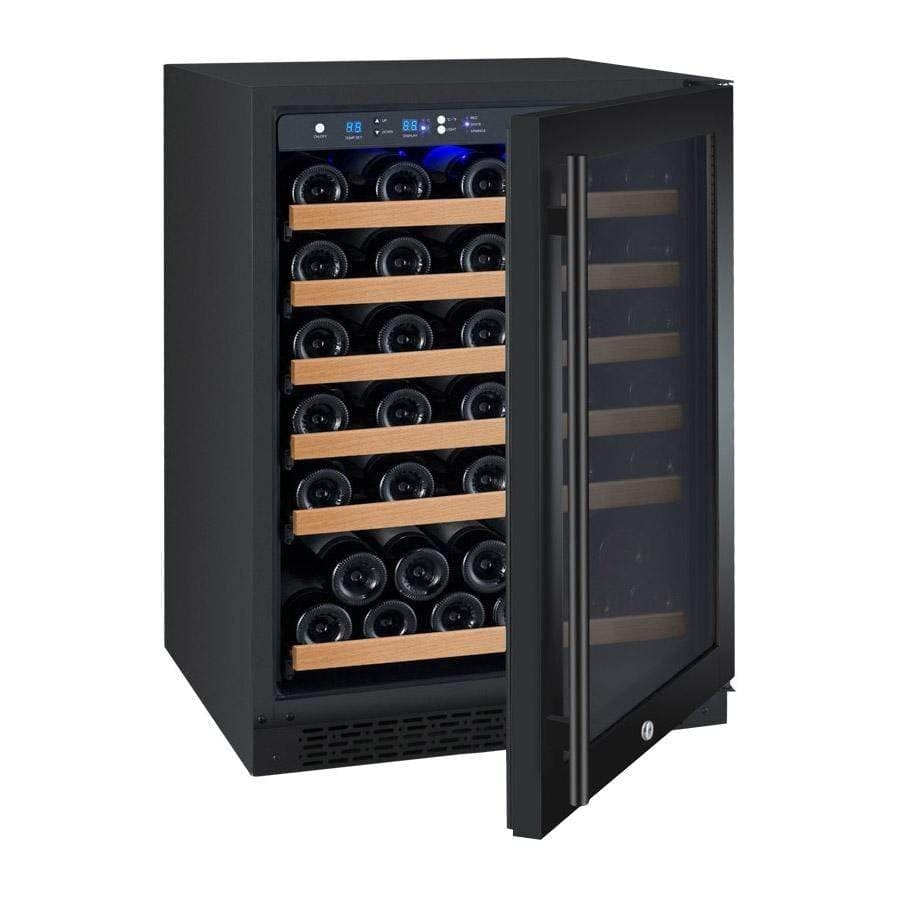
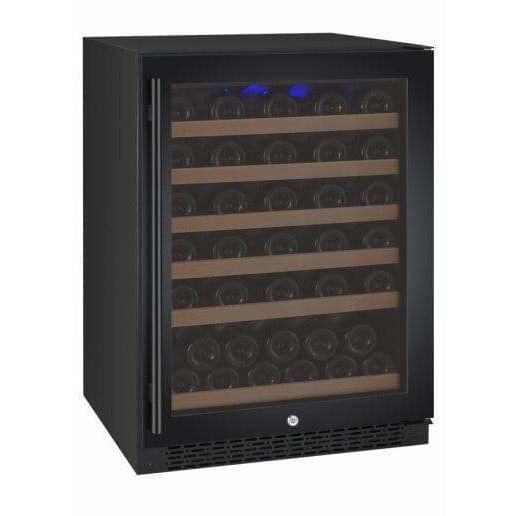
Sale price$1,986.23
Regular price$2,684.09
Allavino FlexCount II Tru-Vino 56 Bottle Black Right Hinge Wine Fridge VSWR56-1BR20Allavino
Save 26%
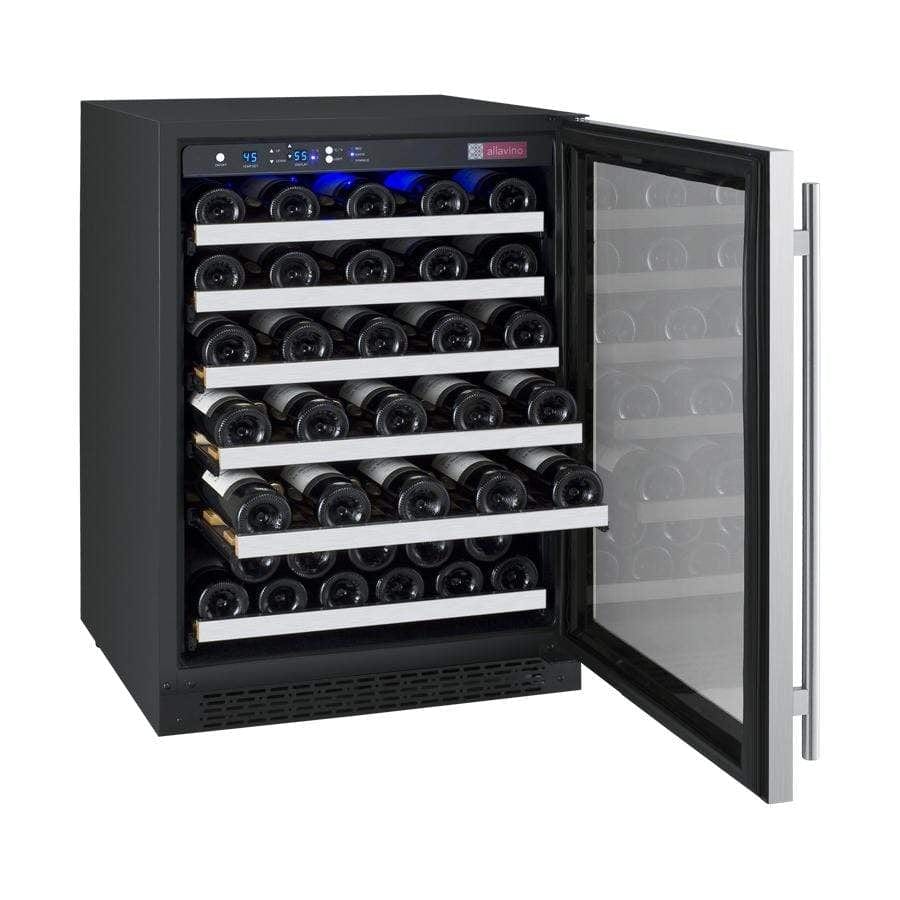
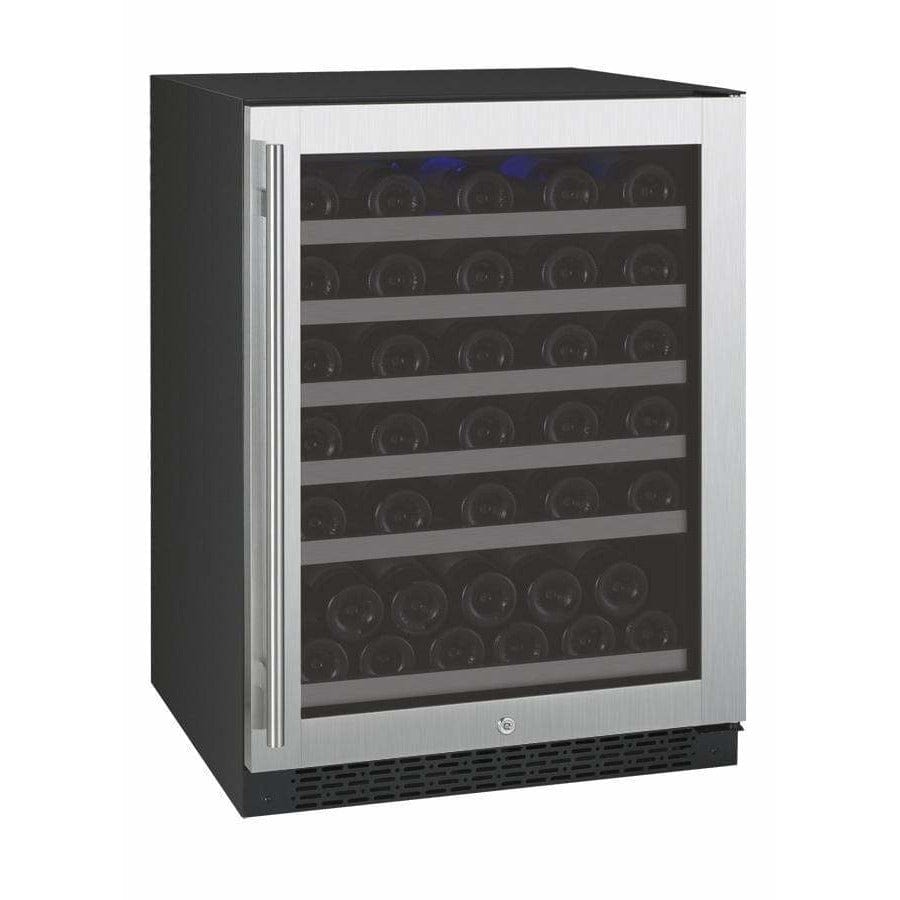
Sale price$2,218.00
Regular price$2,997.30
Allavino FlexCount II Tru-Vino 56 Bottle Stainless Steel Right Hinge Wine Fridge VSWR56-1SR20Allavino
Save 26%
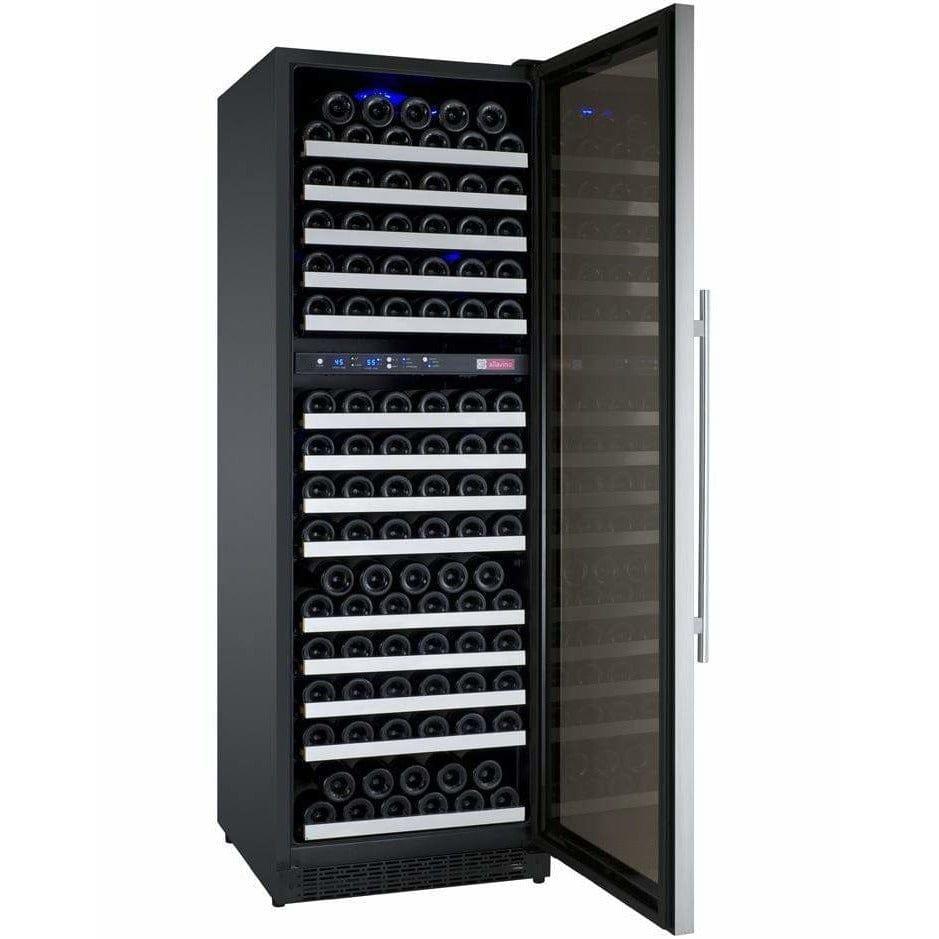
Sale price$3,498.00
Regular price$4,727.03
Allavino FlexCount II Tru-Vino 172 Bottle Dual Zone Stainless Steel Right Hinge Wine Fridge VSWR172-2SR20Allavino
Save 26%
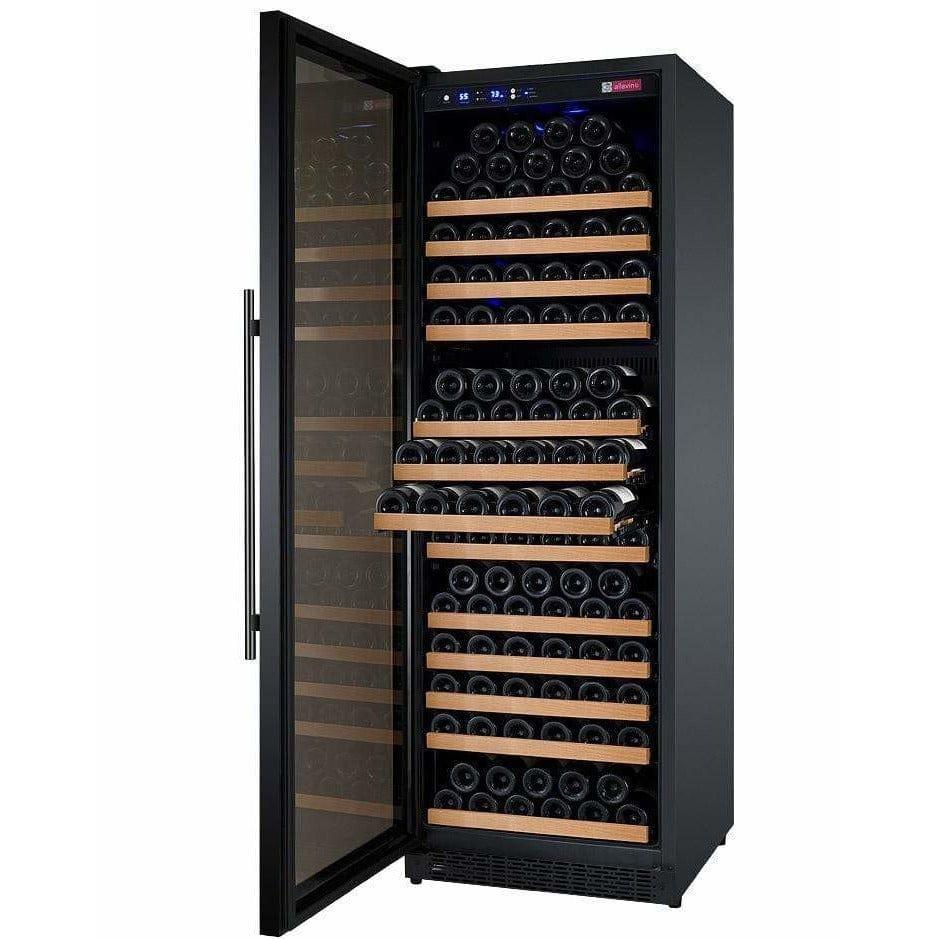
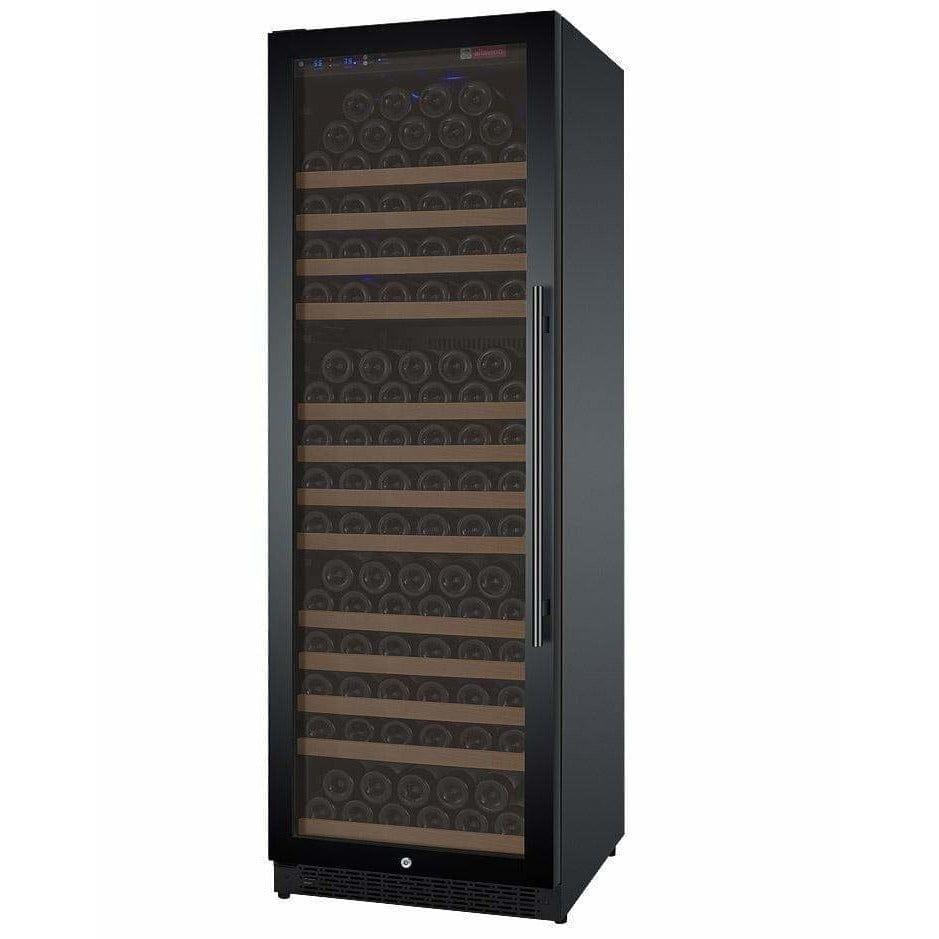
Sale price$3,398.00
Regular price$4,591.89
Allavino FlexCount II Tru-Vino 177 Bottle Black Left Hinge Wine Fridge VSWR177-1BL20Allavino
Save 26%
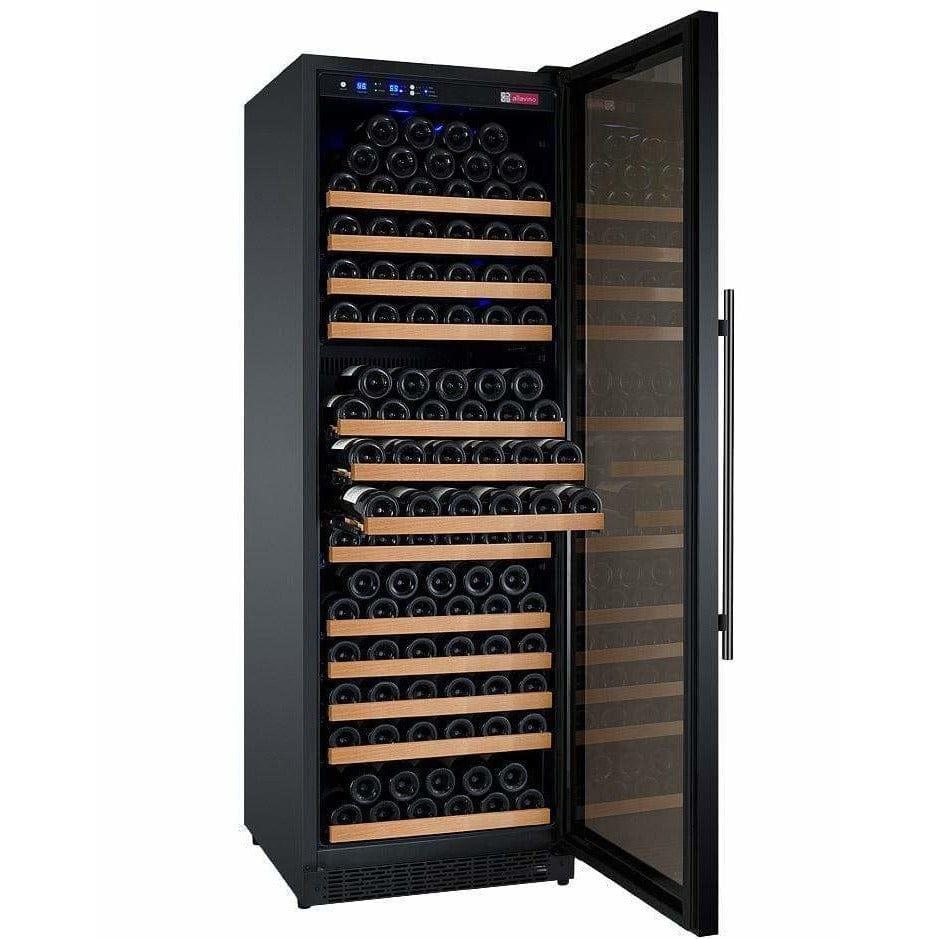
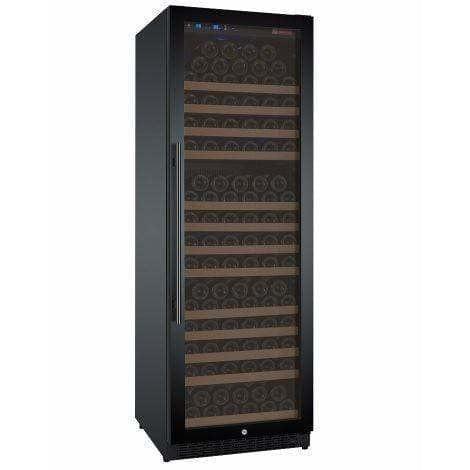
Sale price$3,398.00
Regular price$4,591.89
Allavino FlexCount II Tru-Vino 177 Bottle Black Right Hinge Wine Fridge VSWR177-1BR20Allavino
Save 26%
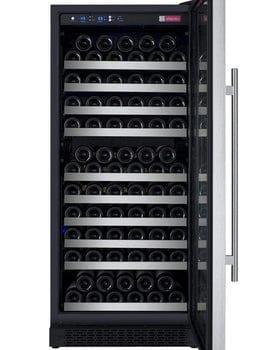
Sale price$2,258.10
Regular price$3,051.49
Allavino FlexCount II Tru-Vino 128 Bottle Single Zone Stainless Steel Right Hinge Wine Refrigerator VSWR128-1SR20Allavino
Save 26%
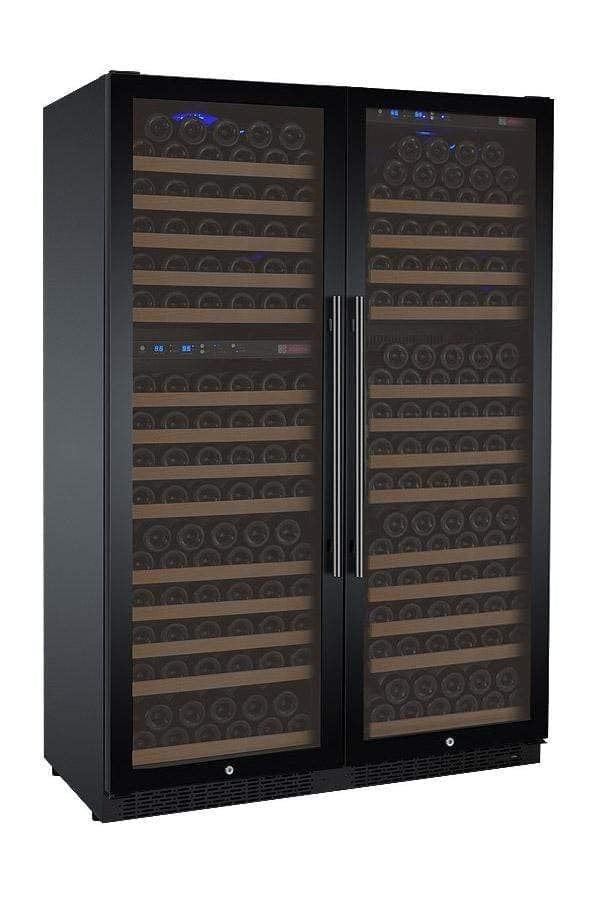
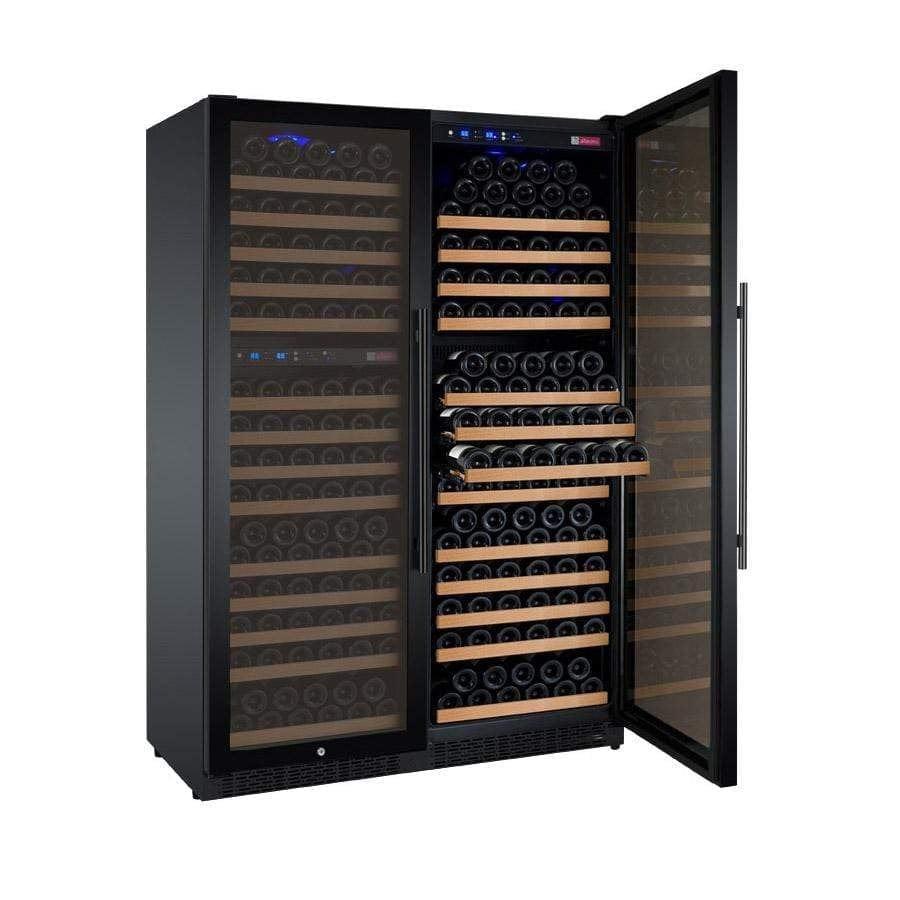
Sale price$6,498.00
Regular price$8,781.08
Allavino FlexCount II Tru-Vino 349 Bottle Three Zone Black Wine Refrigerator 3Z-VSWR7772-B20Allavino
Save 26%
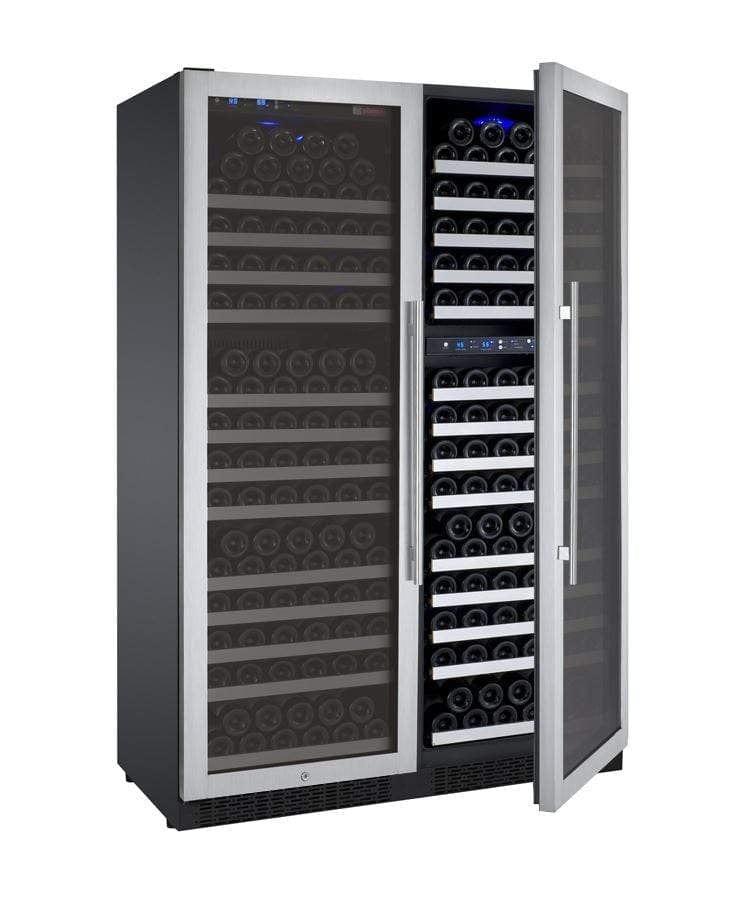
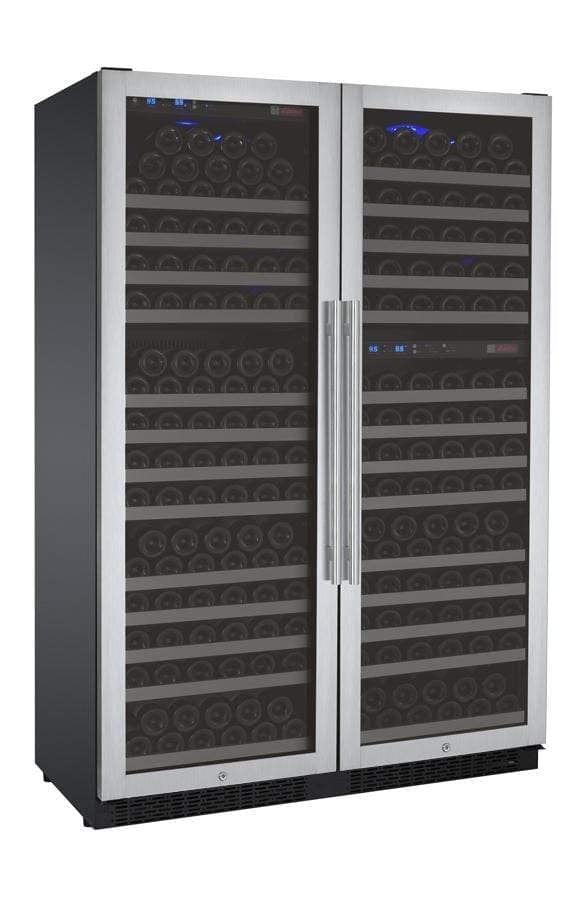
Sale price$6,498.75
Regular price$8,782.09
Allavino FlexCount II Tru-Vino 349 Bottle Three Zone Stainless Steel Wine Refrigerator 3Z-VSWR7772-S20Allavino
📚 Frequently Asked Questions (FAQs)
No. Freestanding units require external airflow and will overheat if enclosed.
Built-in units are front-venting for enclosed installation. Freestanding units require open airflow and cannot be enclosed.
Choose dual-zone only if storing red and white wines separately. Single-zone units are sufficient for uniform storage.
No. Wine coolers do not control humidity and are not suitable for long-term aging.
Blocked airflow will cause overheating, poor cooling performance, and compressor failure.