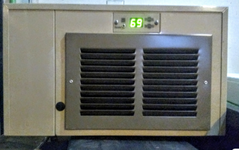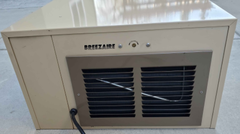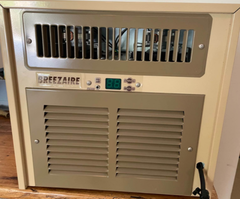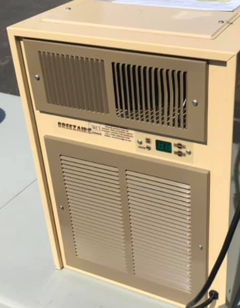
Custom Wine Cellar Design Support
Get expert help selecting the right cooling unit based on your cellar size, insulation, and layout.
- Cooling unit recommendations
- Room size + insulation guidance
- Support for builders & homeowners
Left Hinge Wine Coolers
140 products
Showing 25 - 48 of 140 products
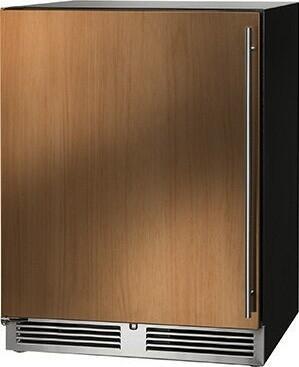
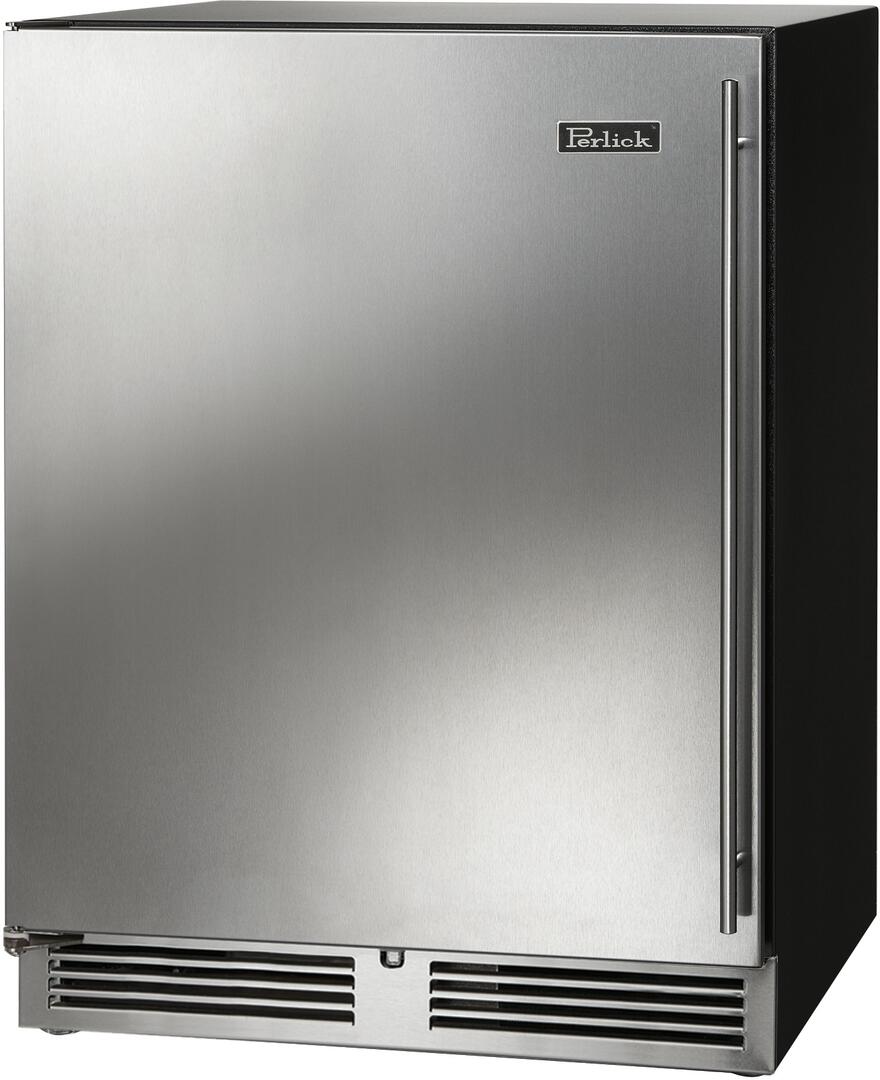
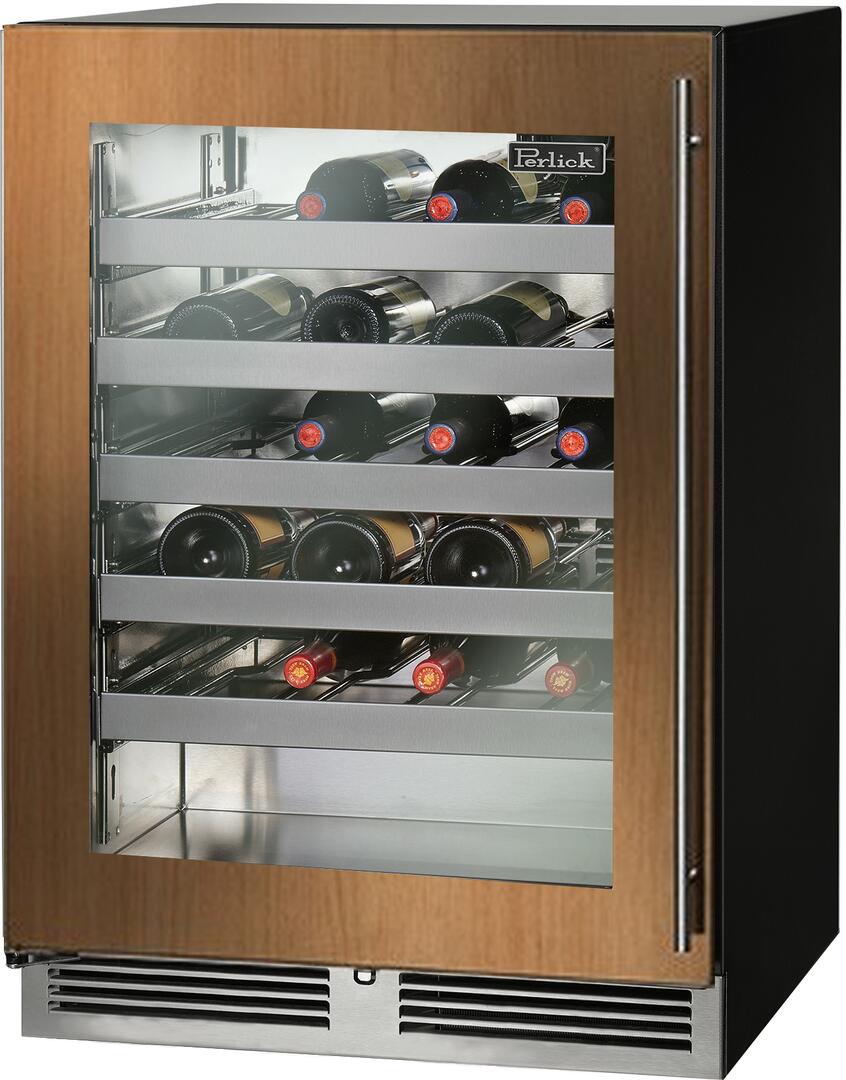
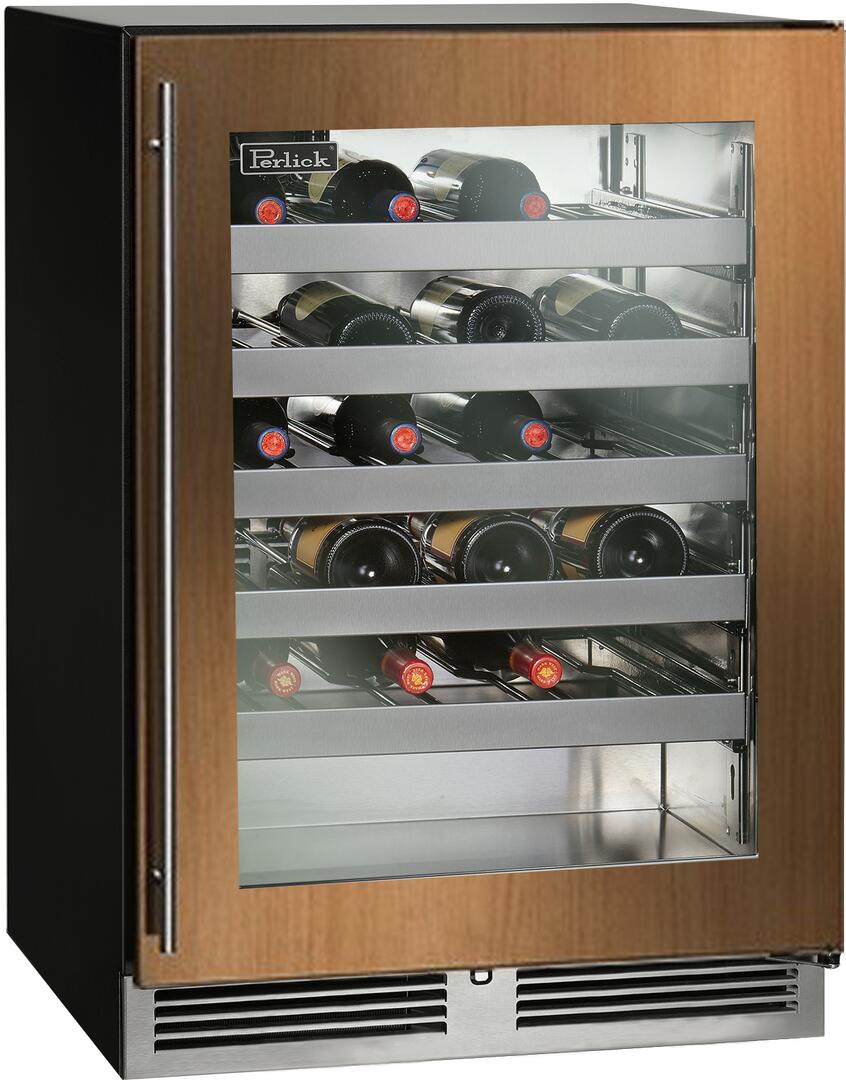
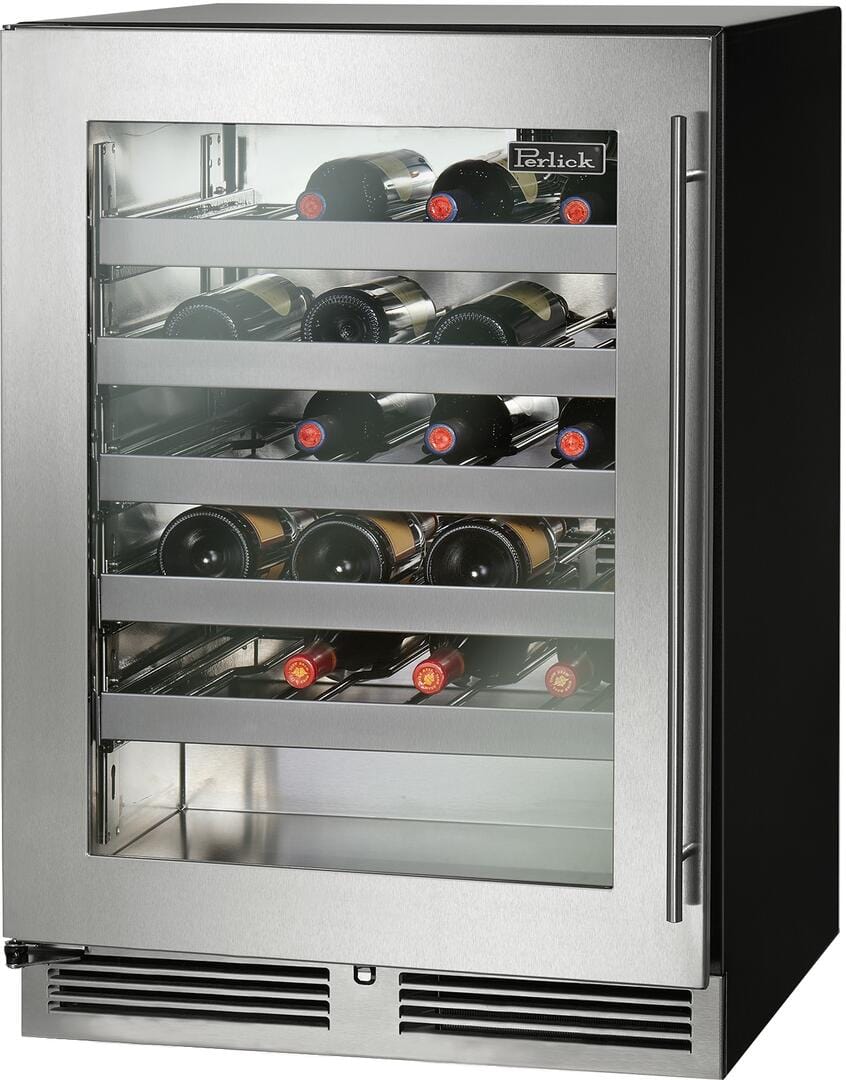
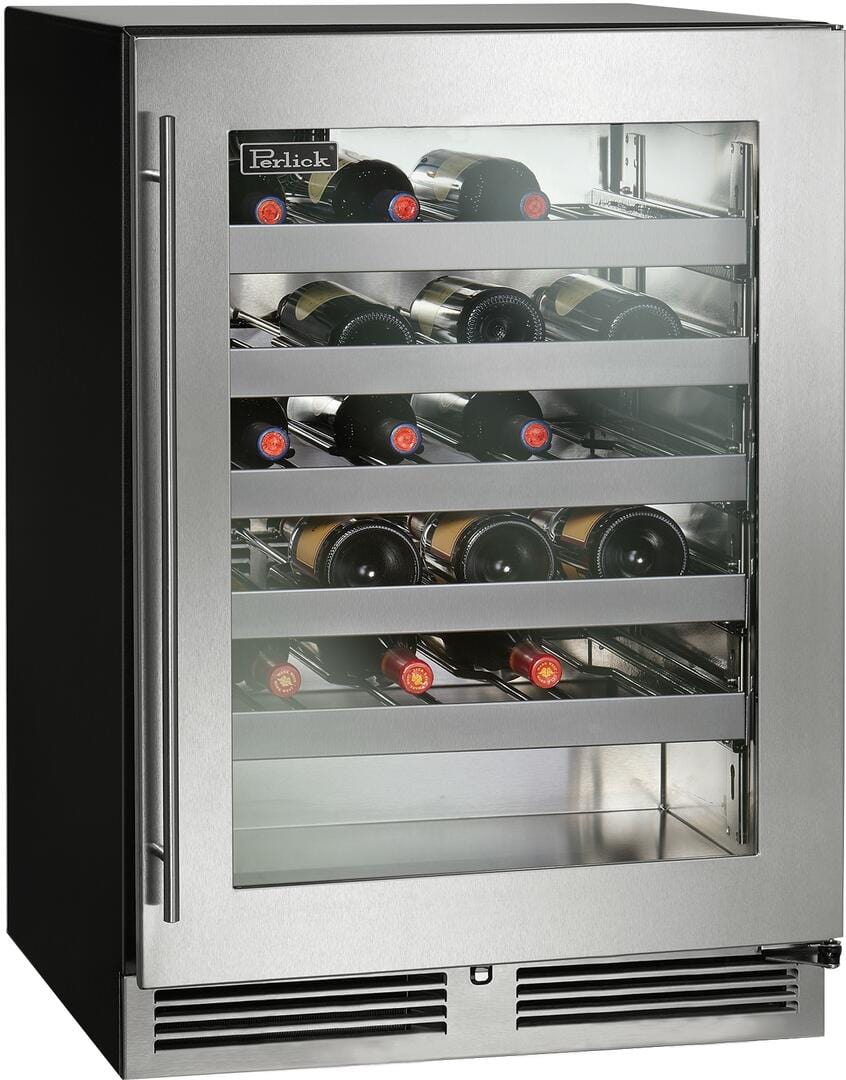
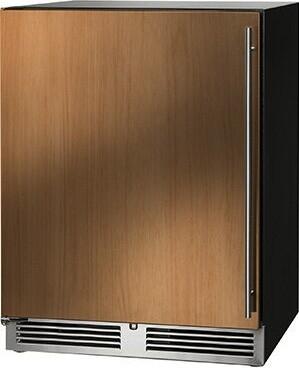
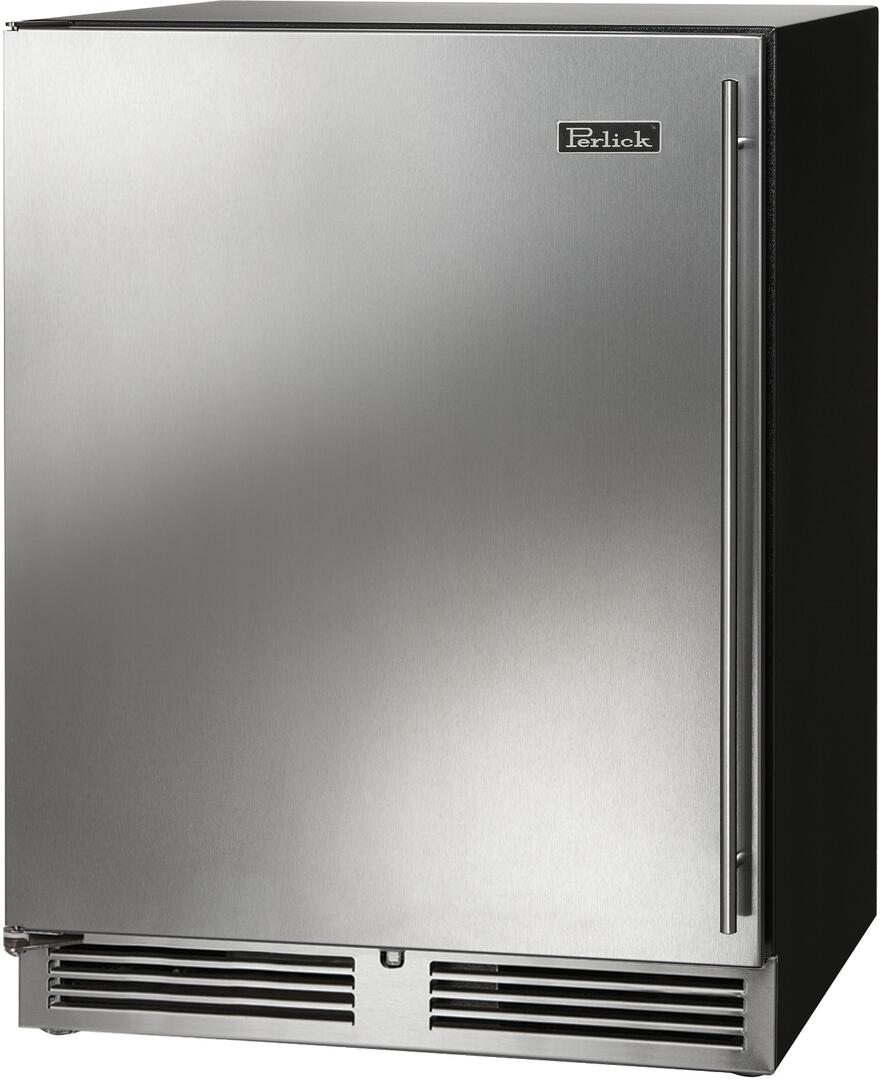
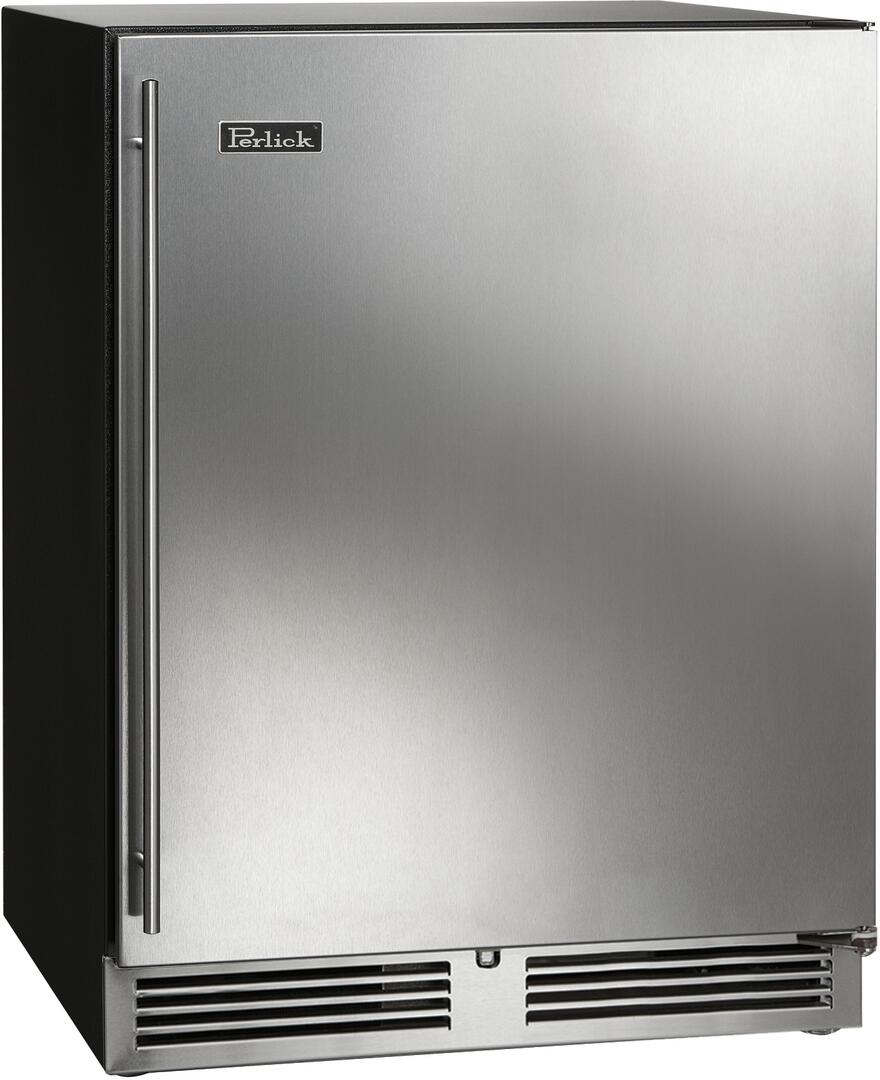
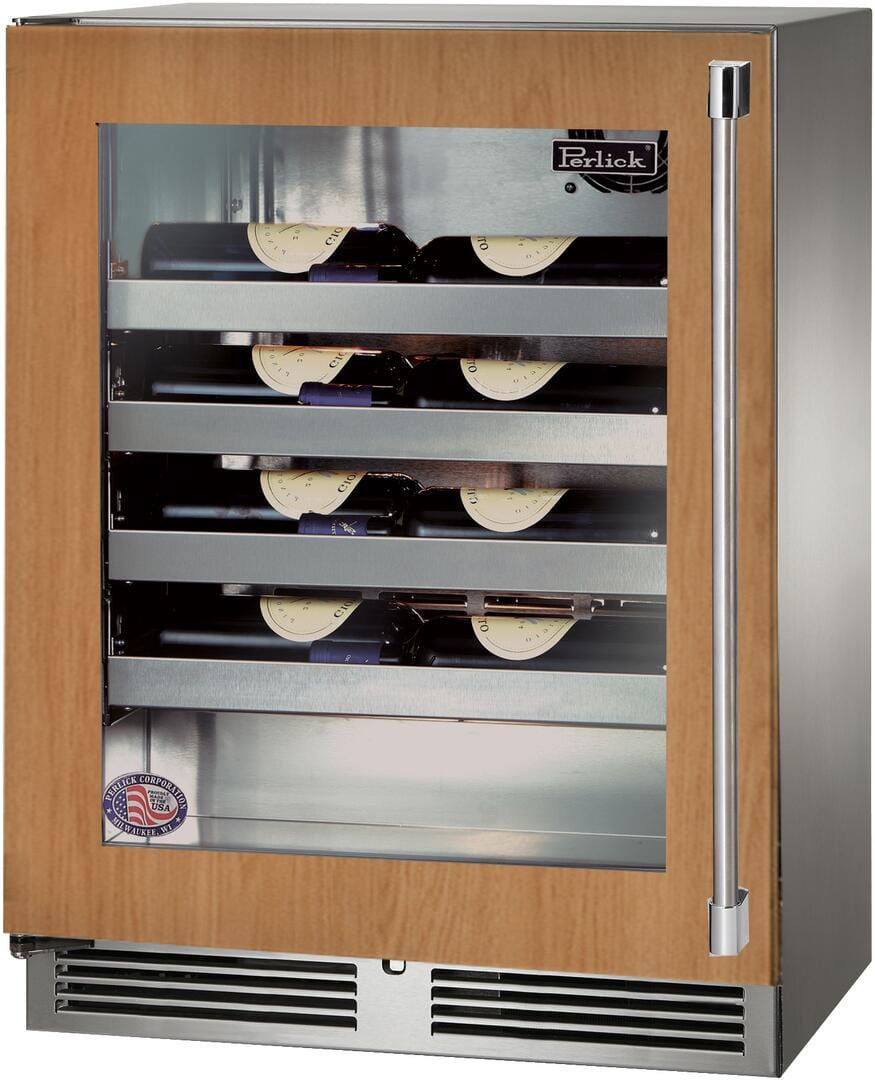
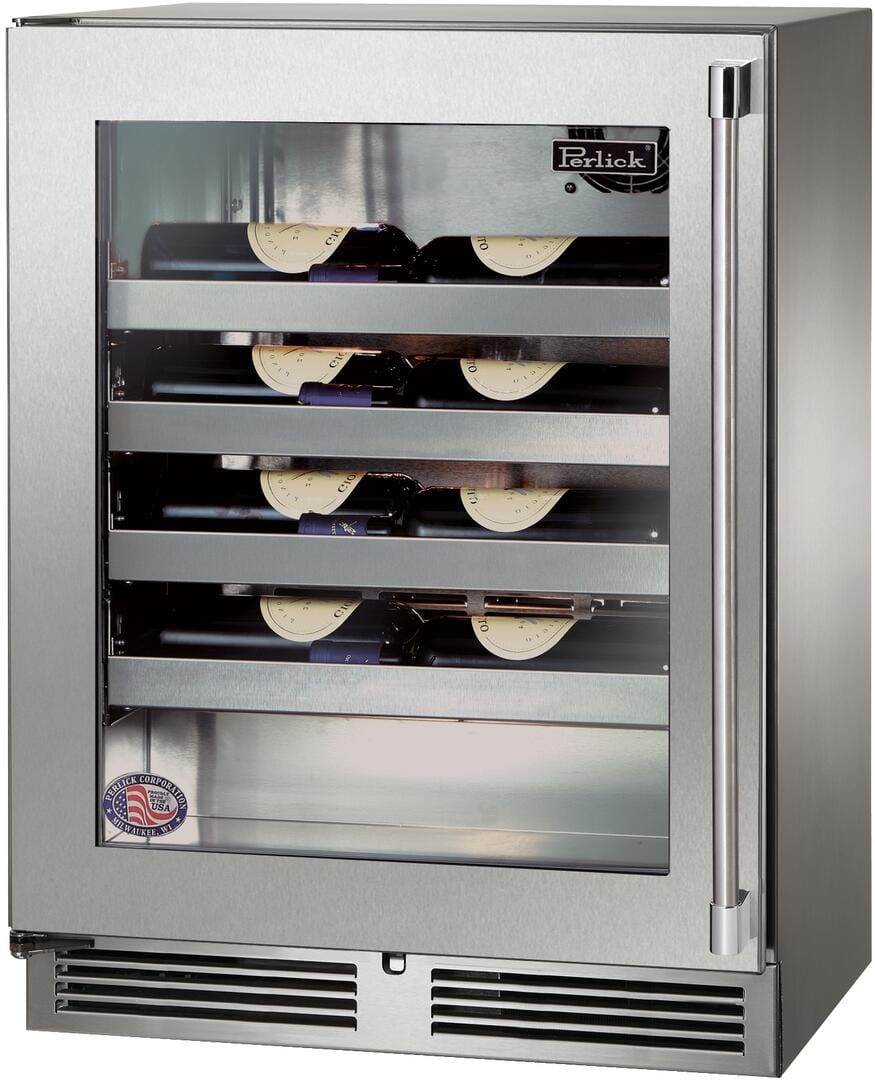
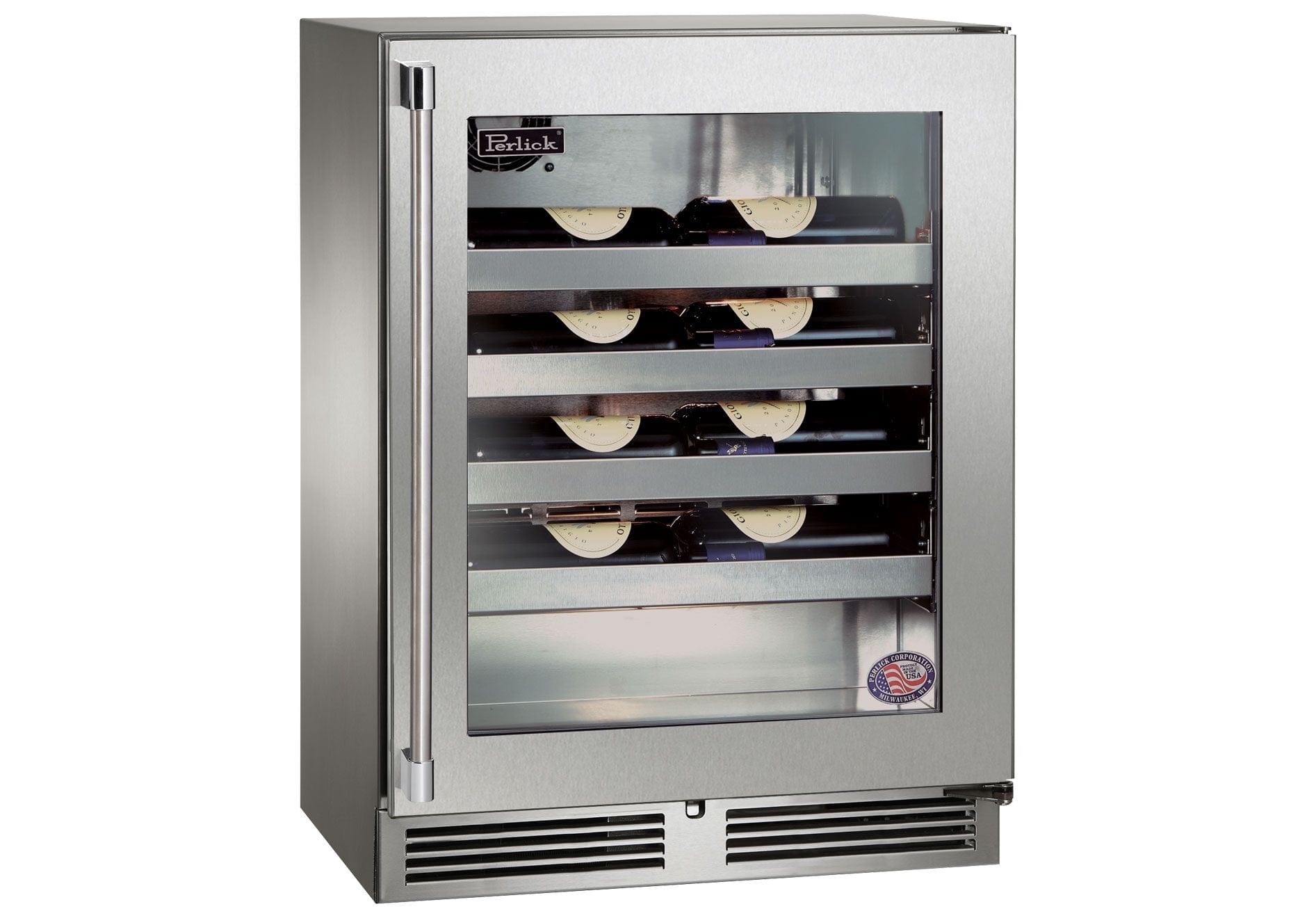
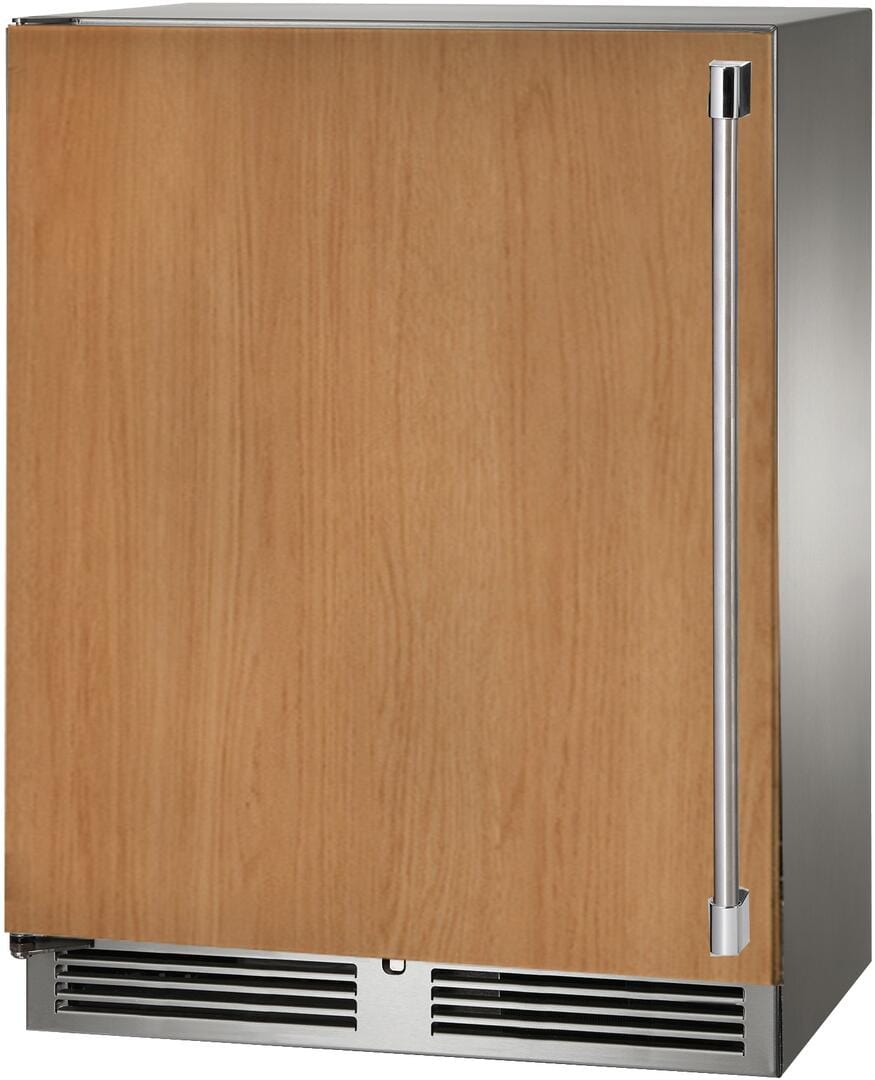
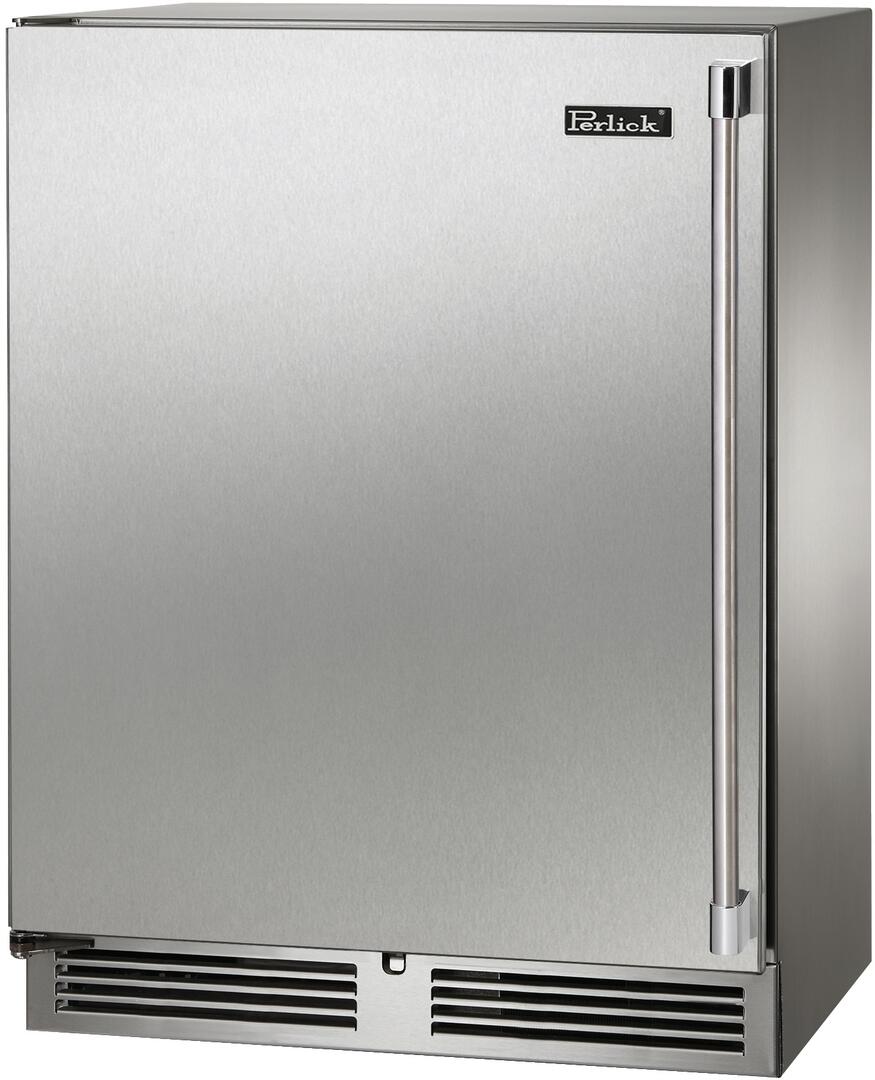
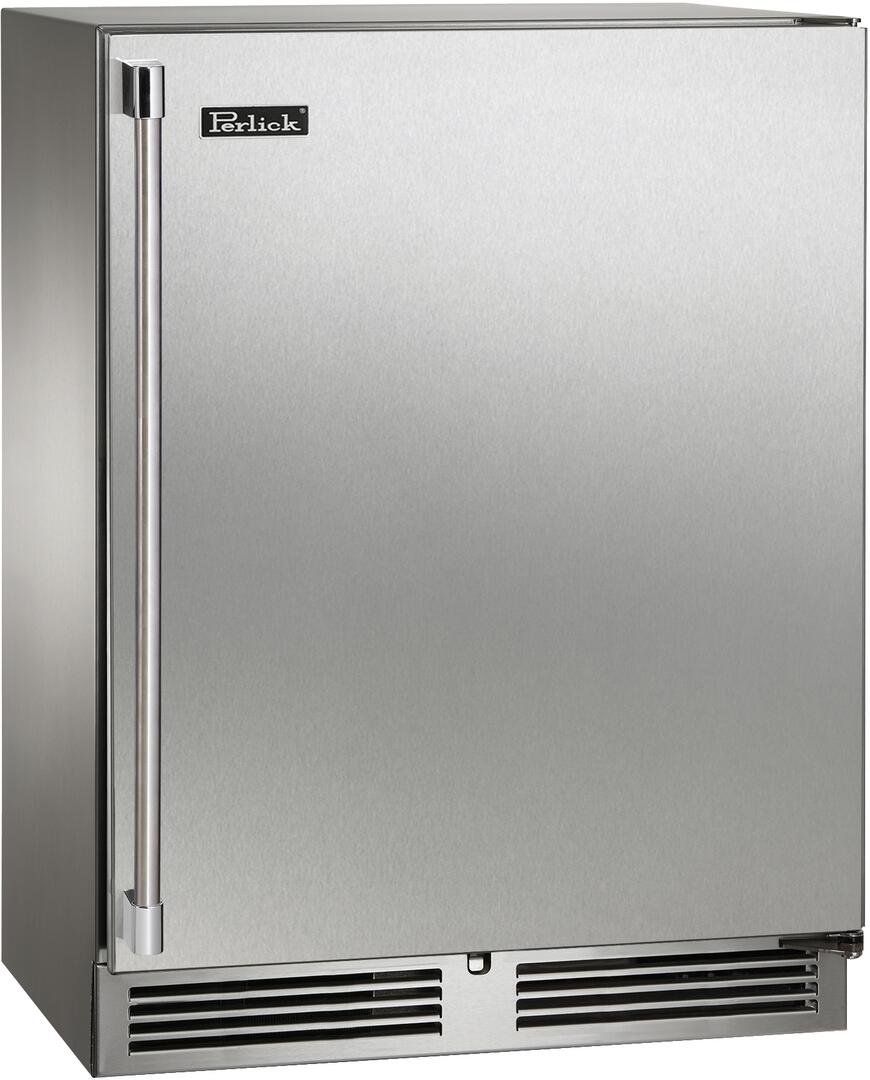
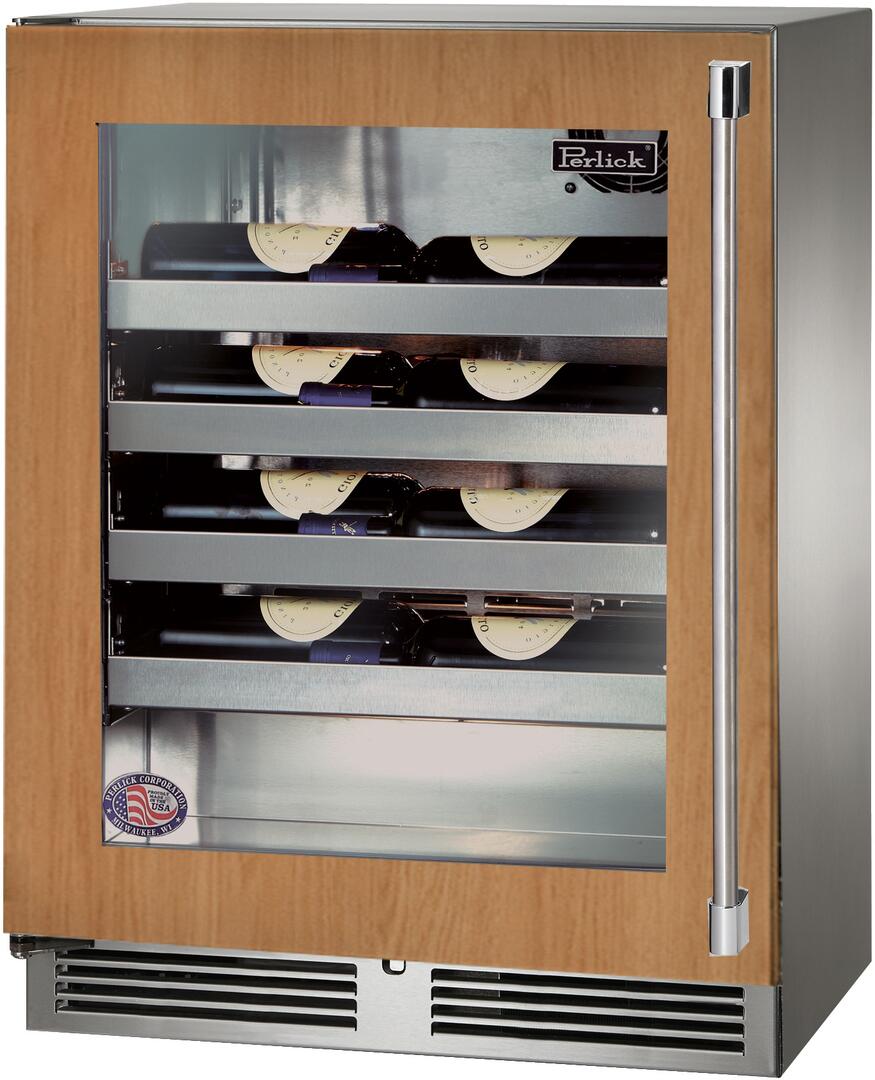
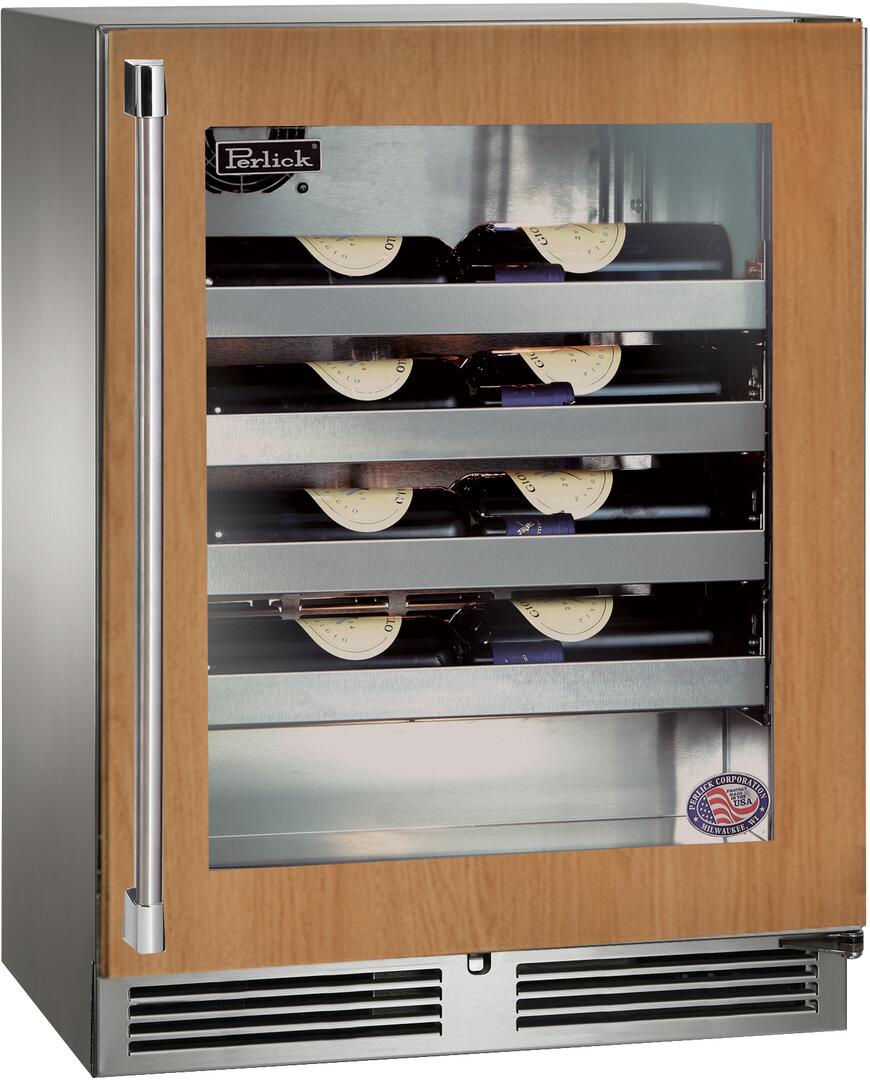
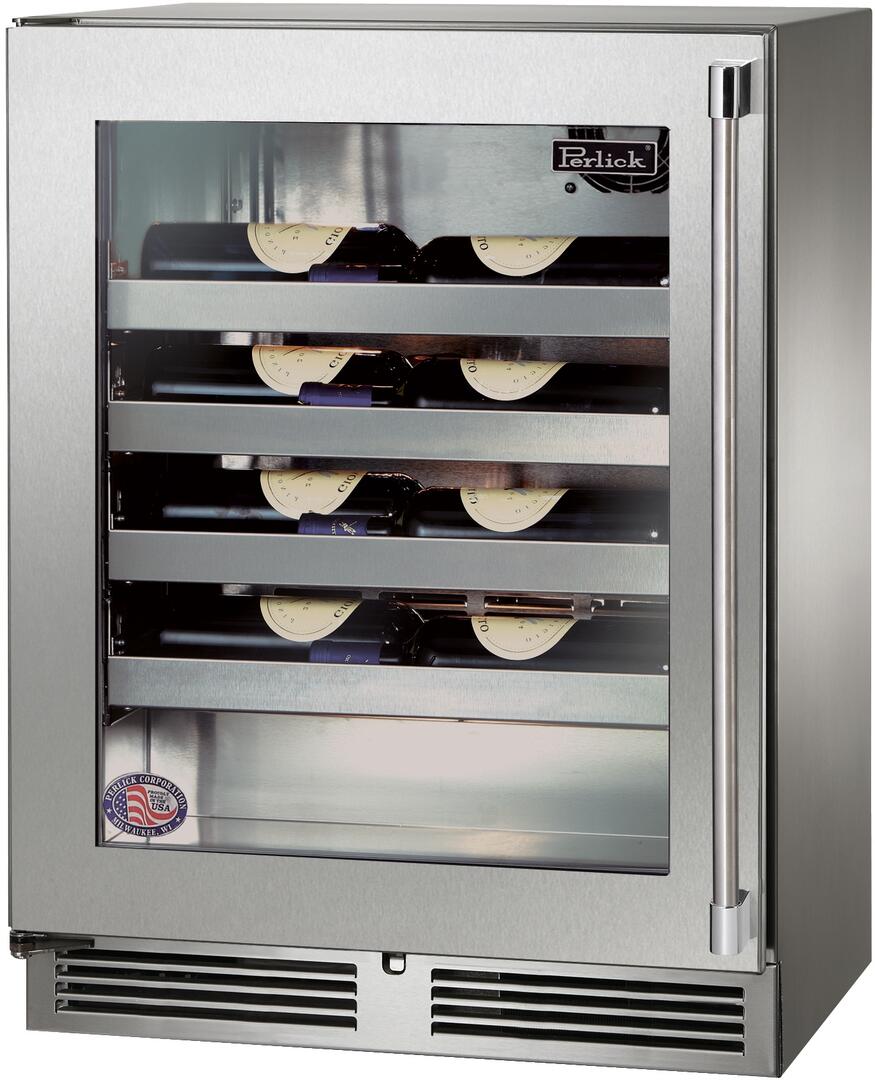
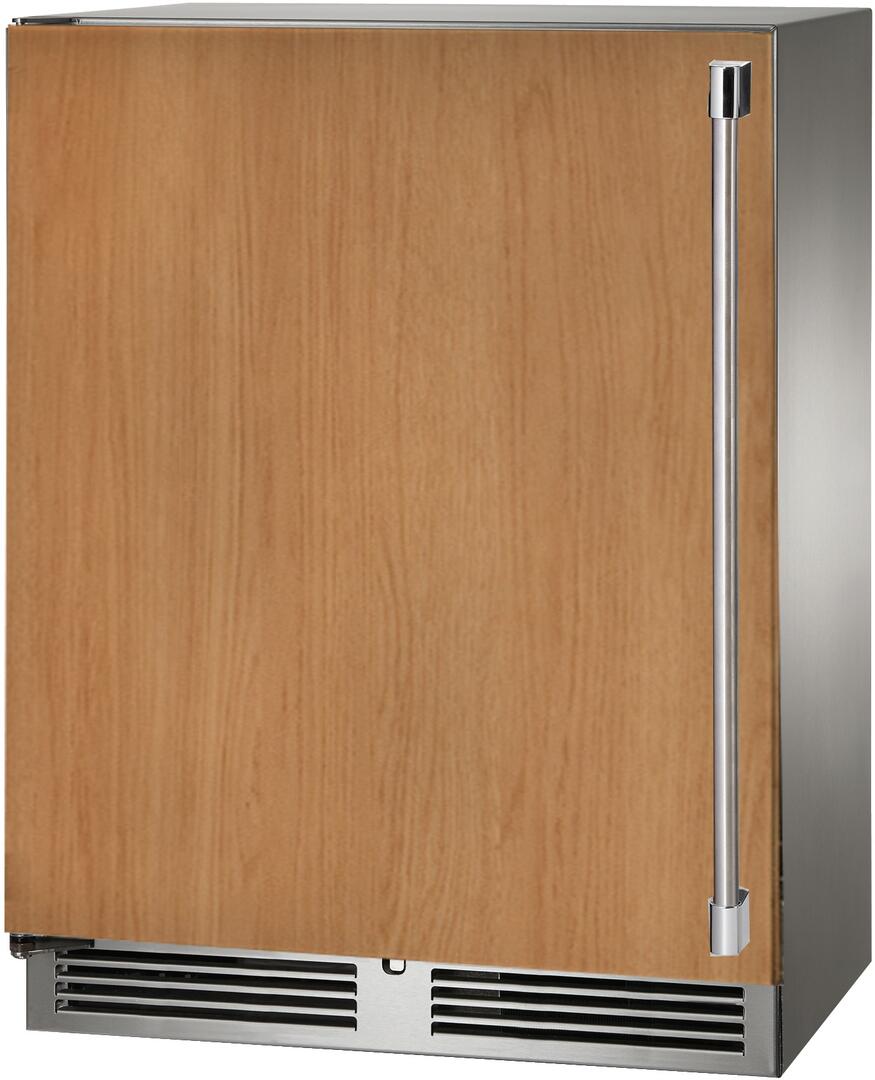
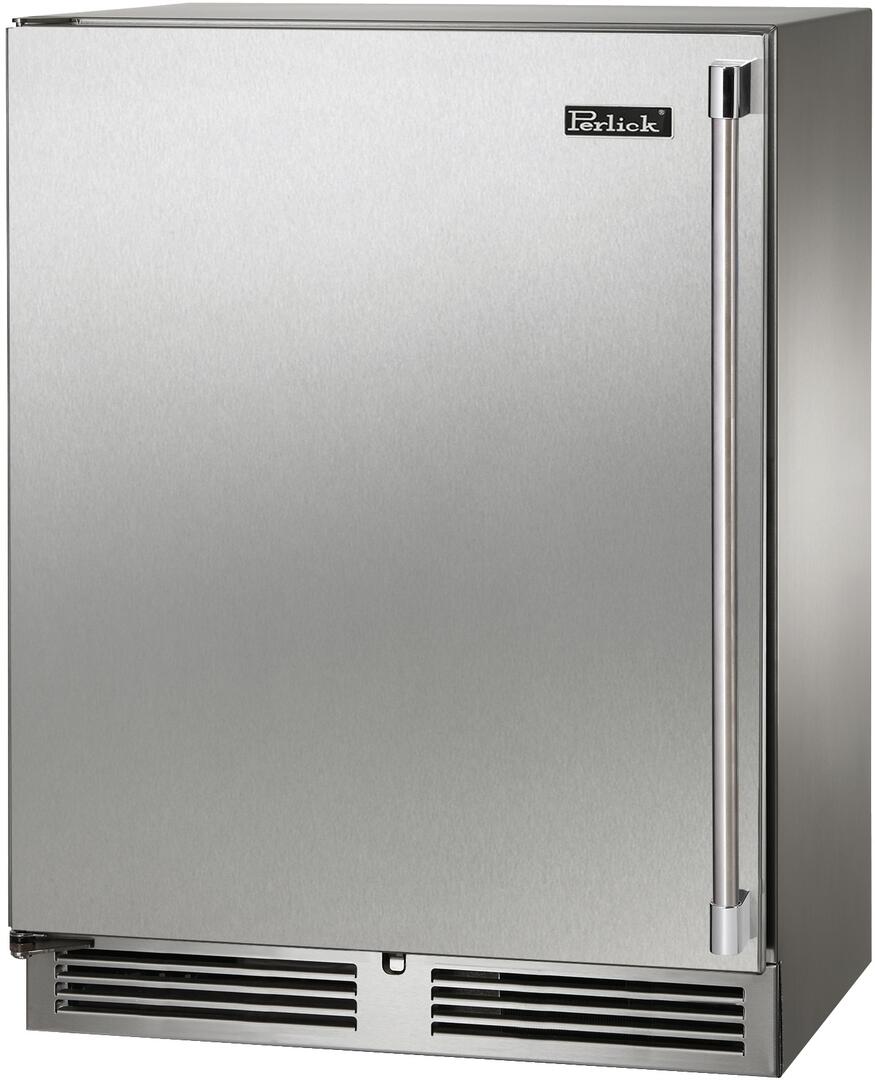
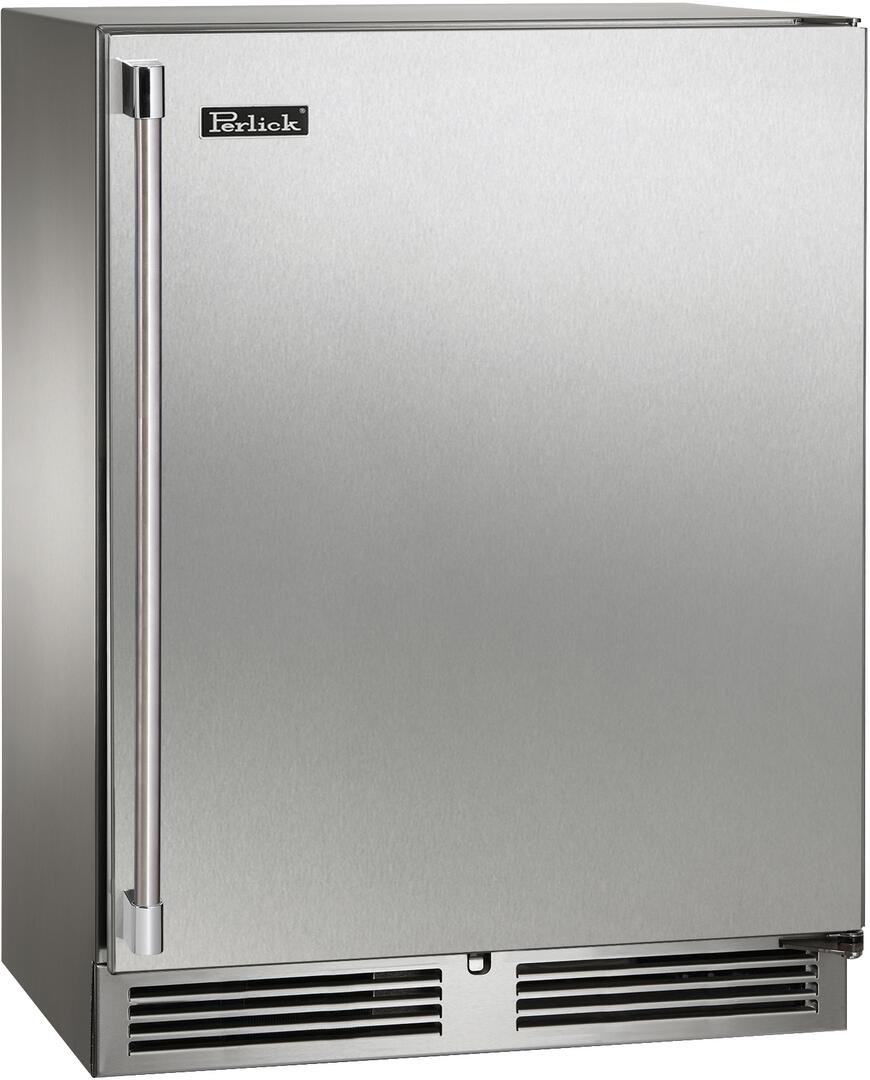
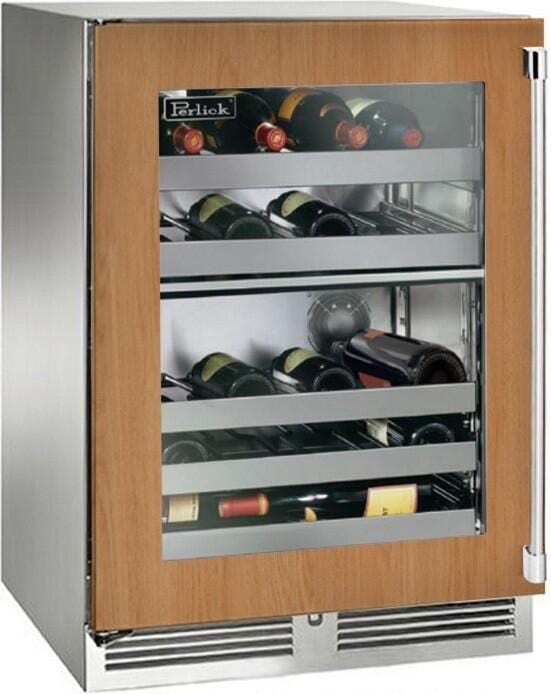
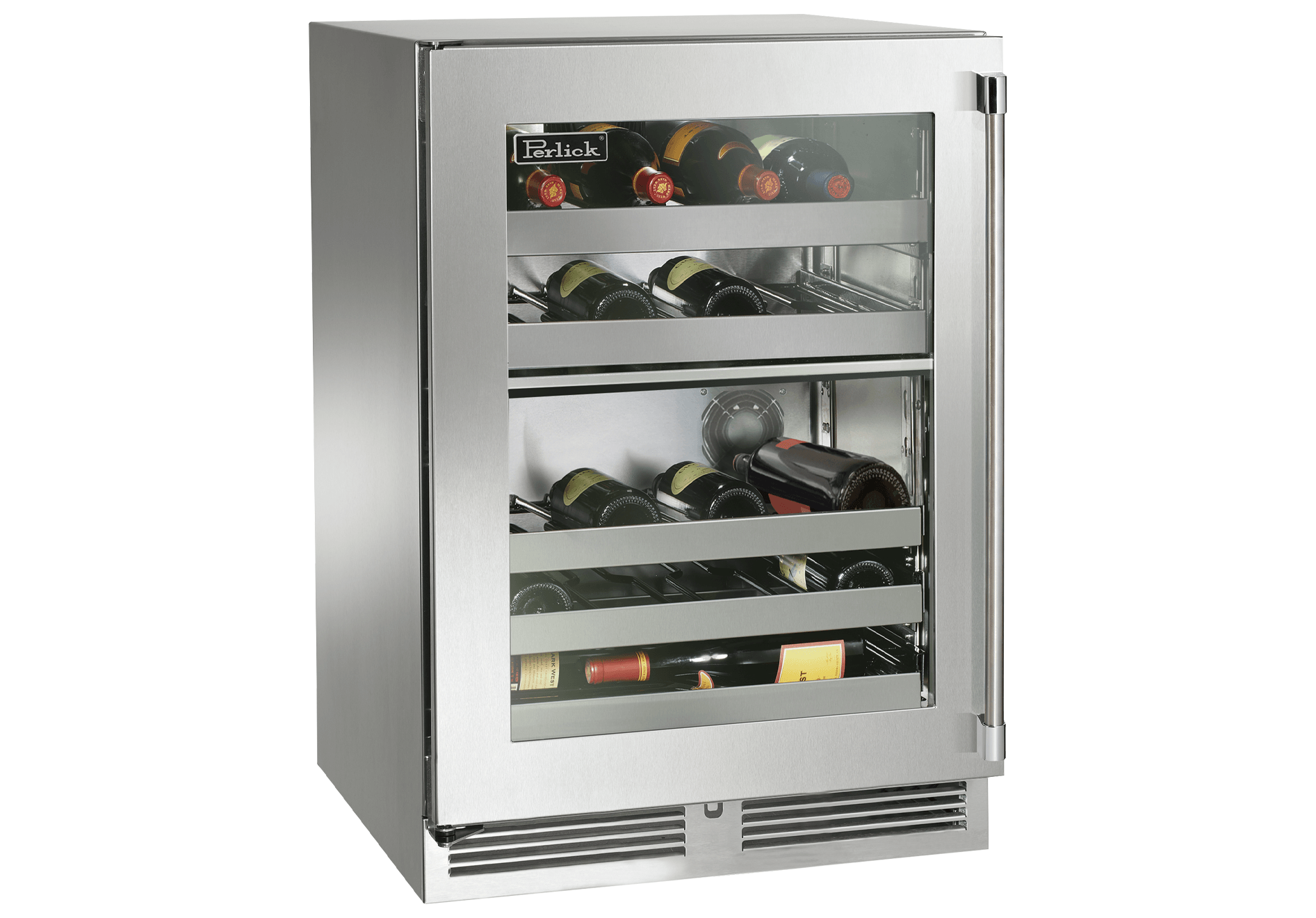
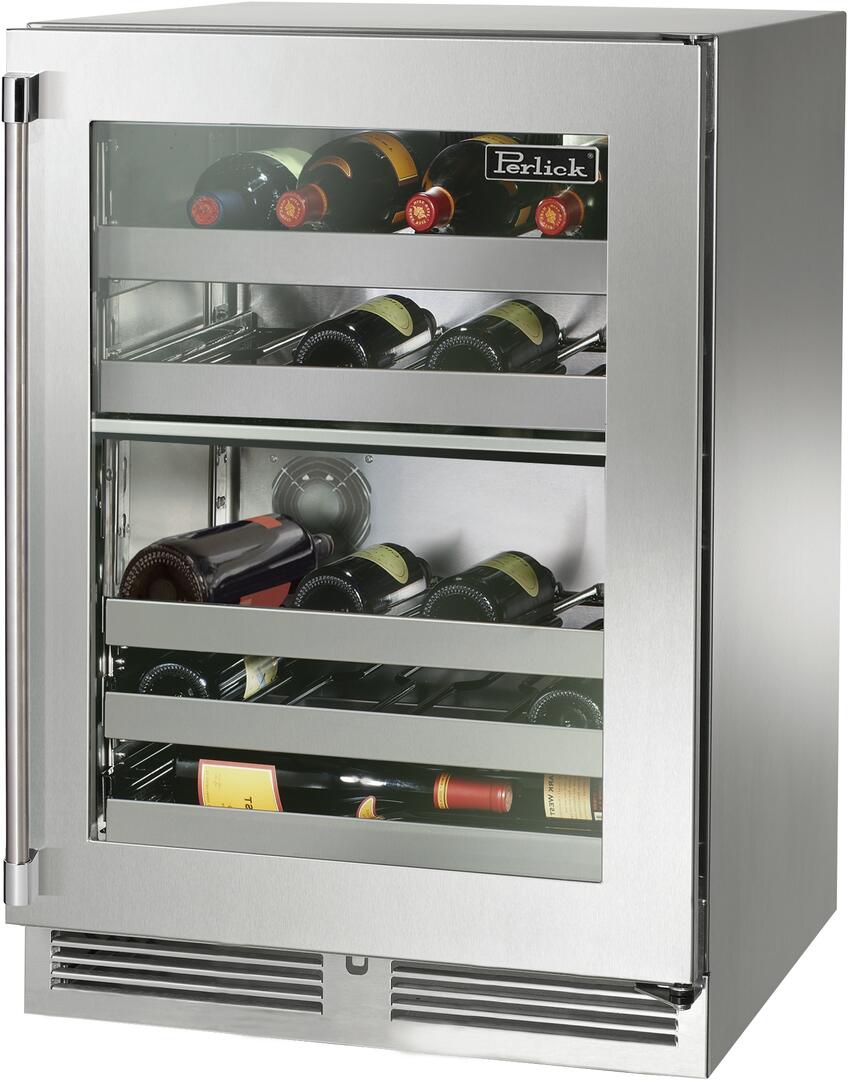
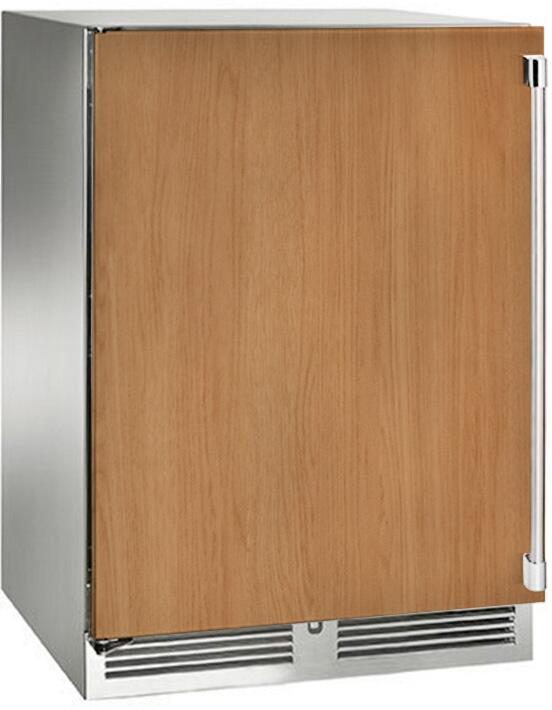
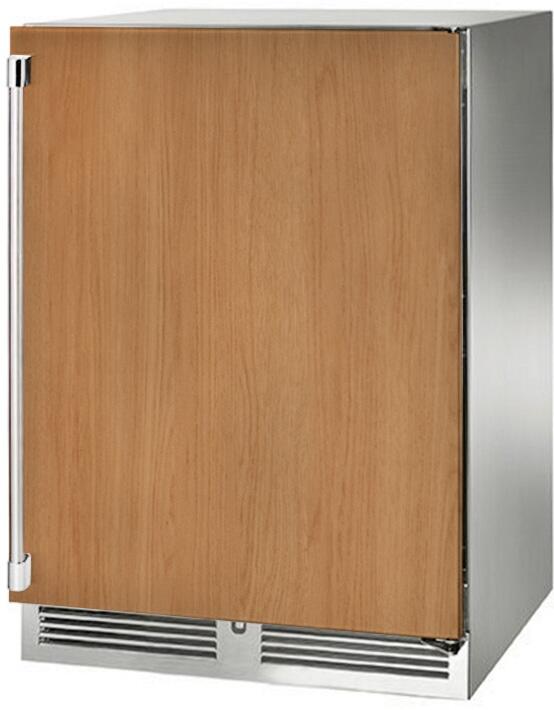
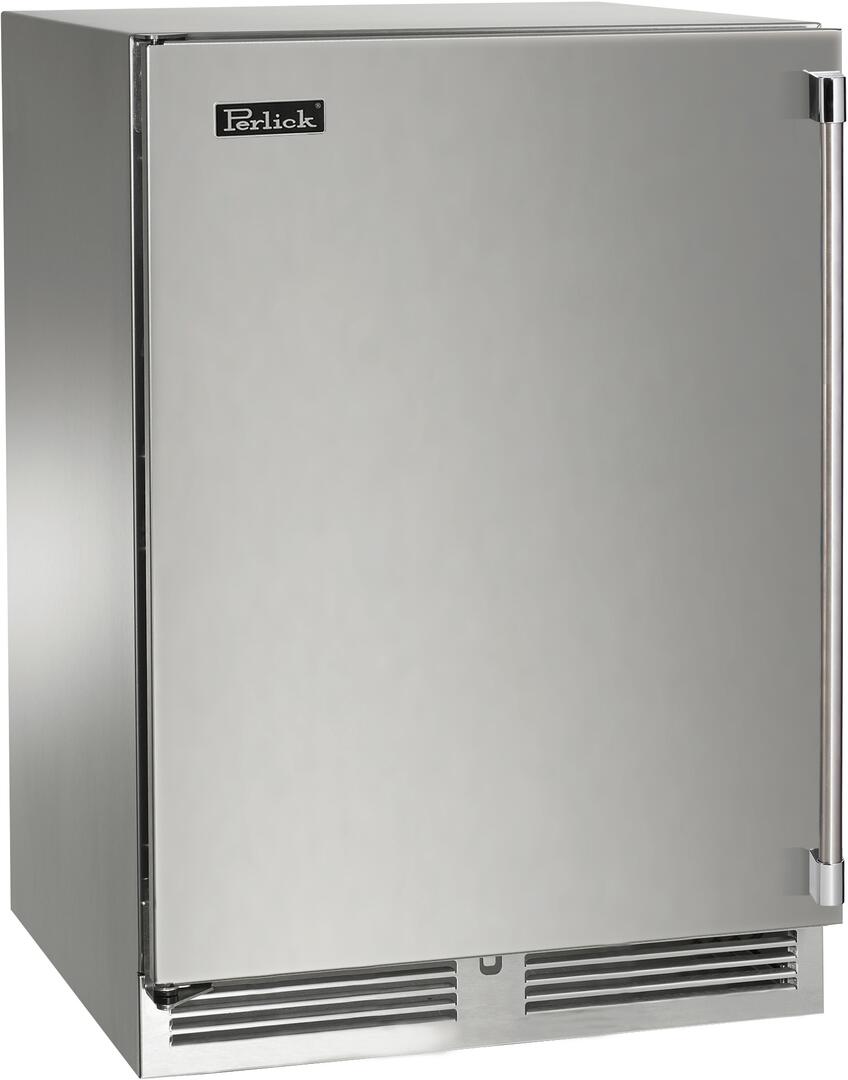
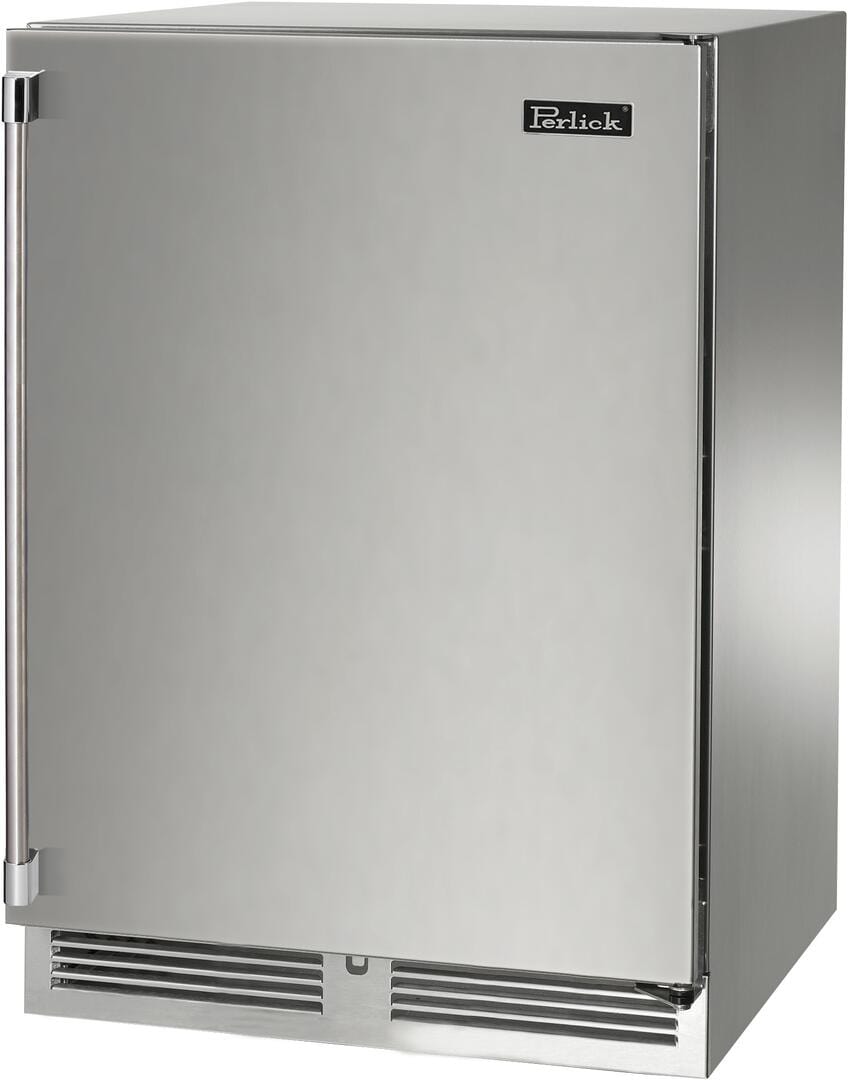
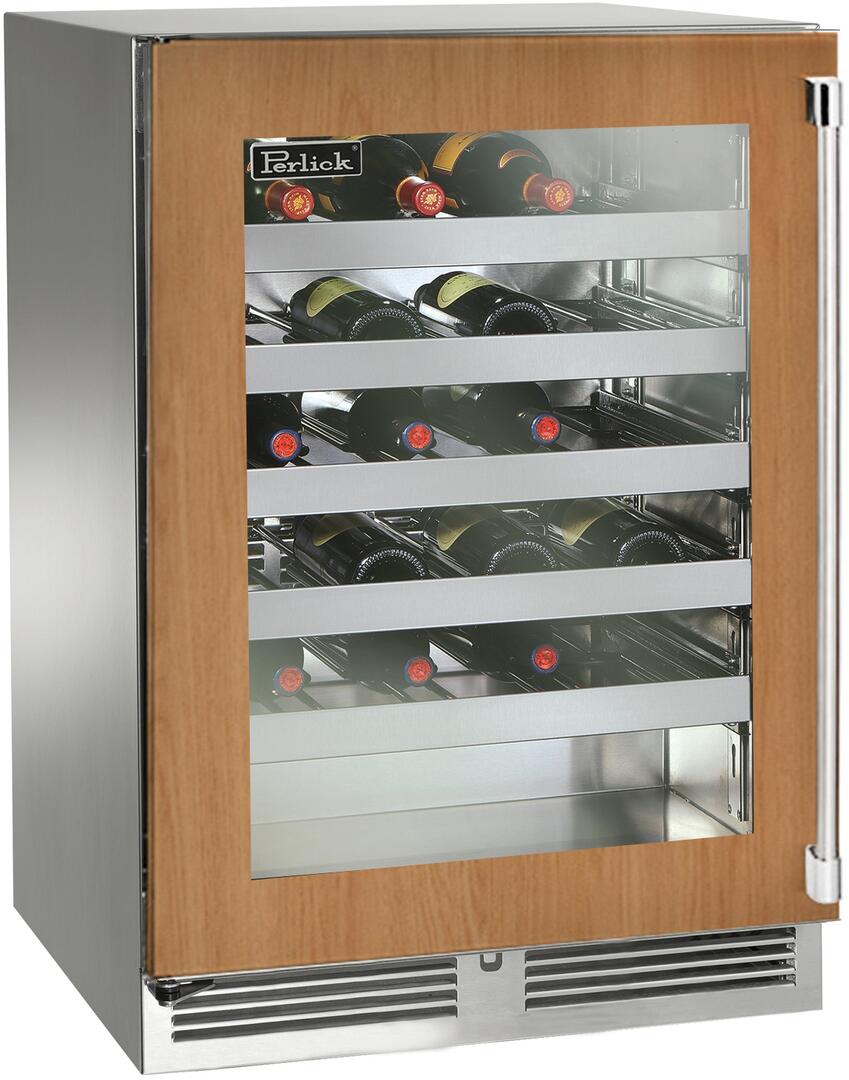
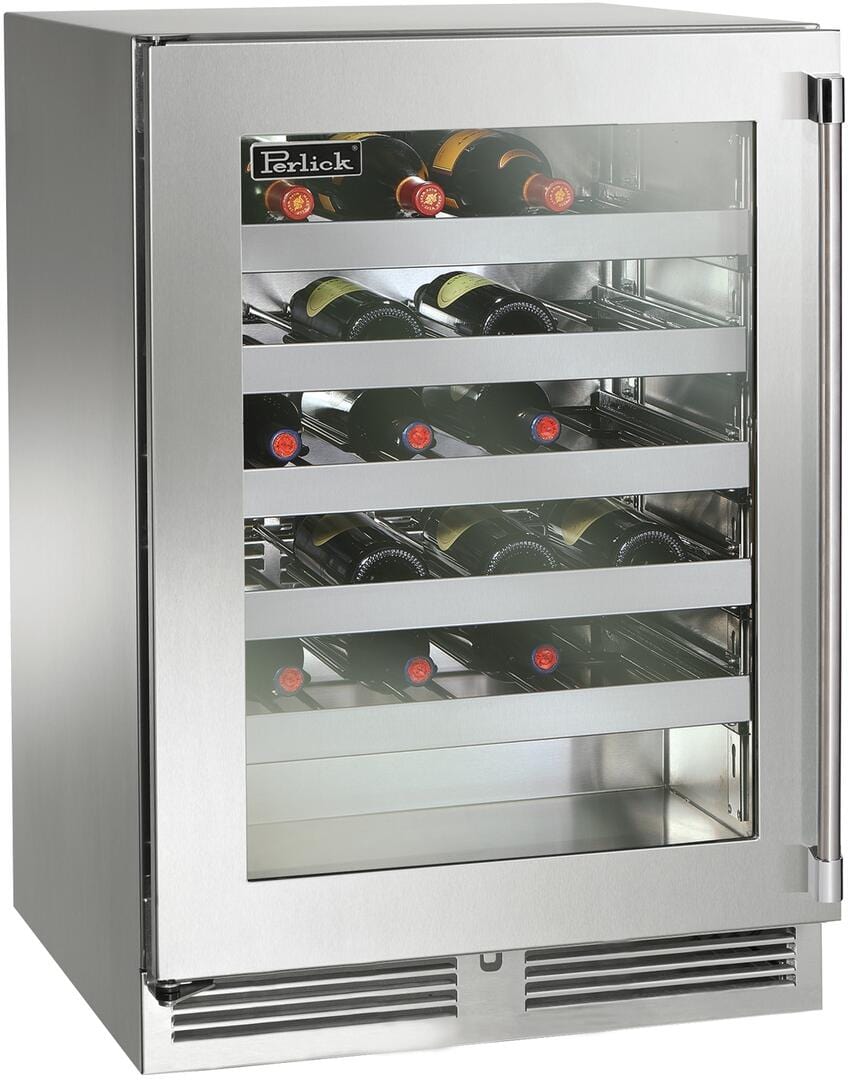
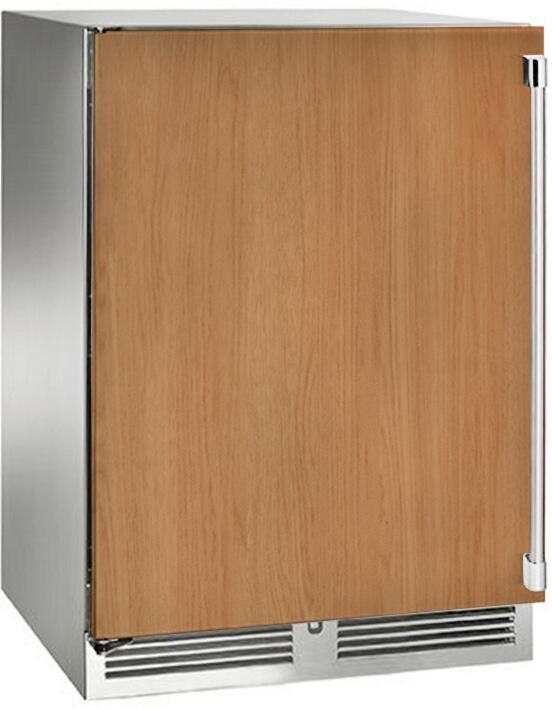
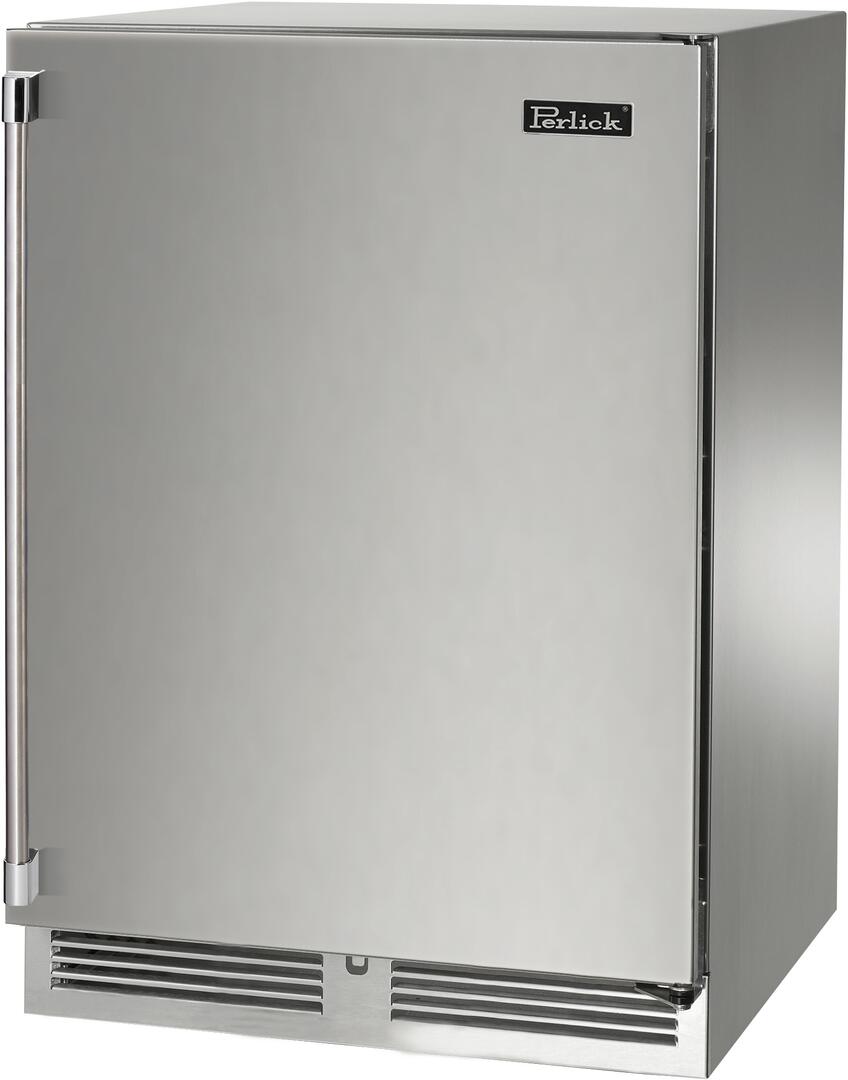
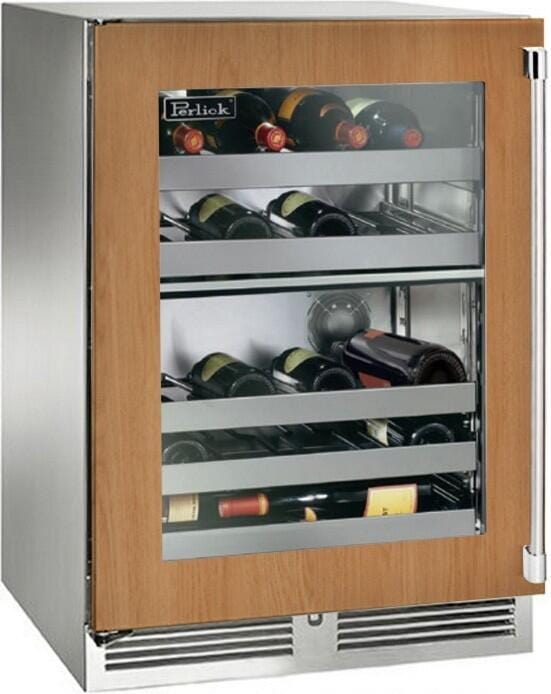
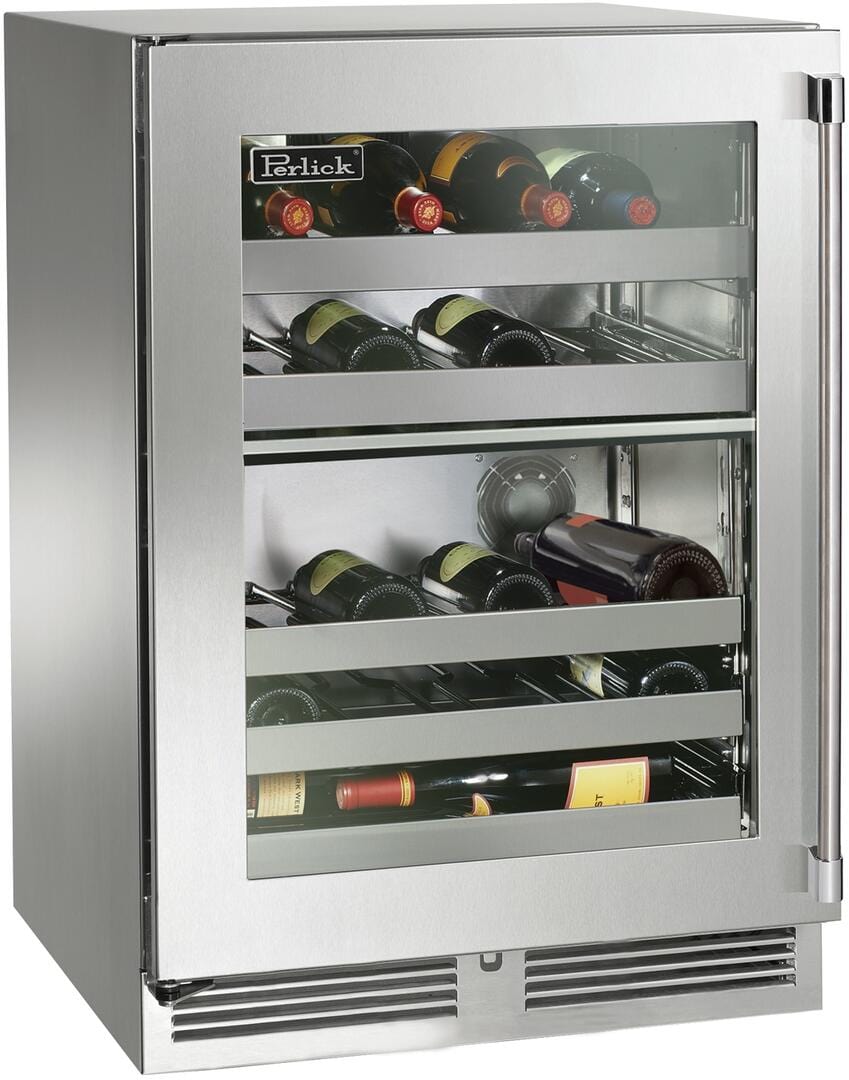
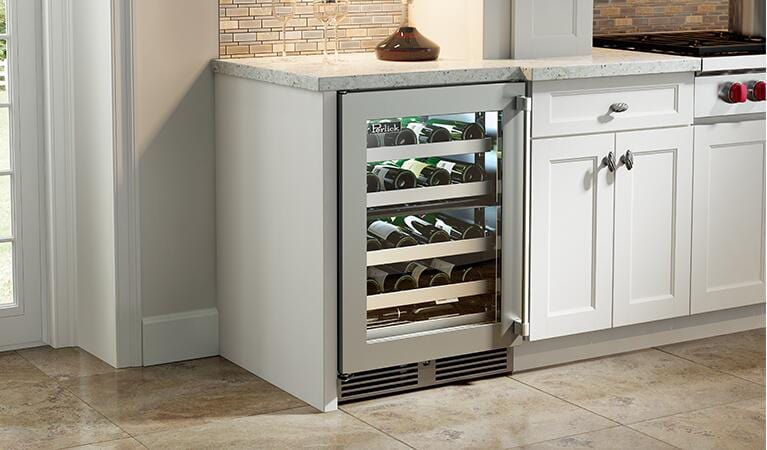
Left hinge wine coolers are designed for installations where the door must open from right to left, with the hinge positioned on the left side of the unit. This configuration is especially important in kitchens, bars, and wine storage spaces where surrounding cabinetry, walls, or adjacent appliances limit standard door movement.
Unlike general-purpose wine coolers, this collection is built around one specific buying decision: choosing the correct door swing orientation for your layout. If your space requires the opposite configuration, explore right hinge wine coolers for a mirrored solution.
Who Left Hinge Wine Coolers Are Best For
Left hinge wine coolers are ideal for buyers who need precise control over installation layout, cabinetry clearance, and daily access. They are often the right choice for homeowners, designers, builders, and collectors planning around fixed millwork or tight appliance runs.
- Homeowners installing units next to walls, cabinetry, or islands
- Designers and architects planning symmetrical layouts or integrated appliance walls
- Builders and contractors working with fixed clearances in built-in environments
- Collectors pairing multiple wine storage units with coordinated access
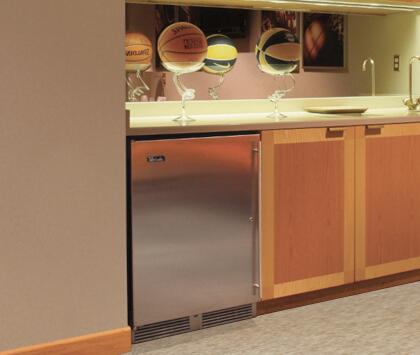
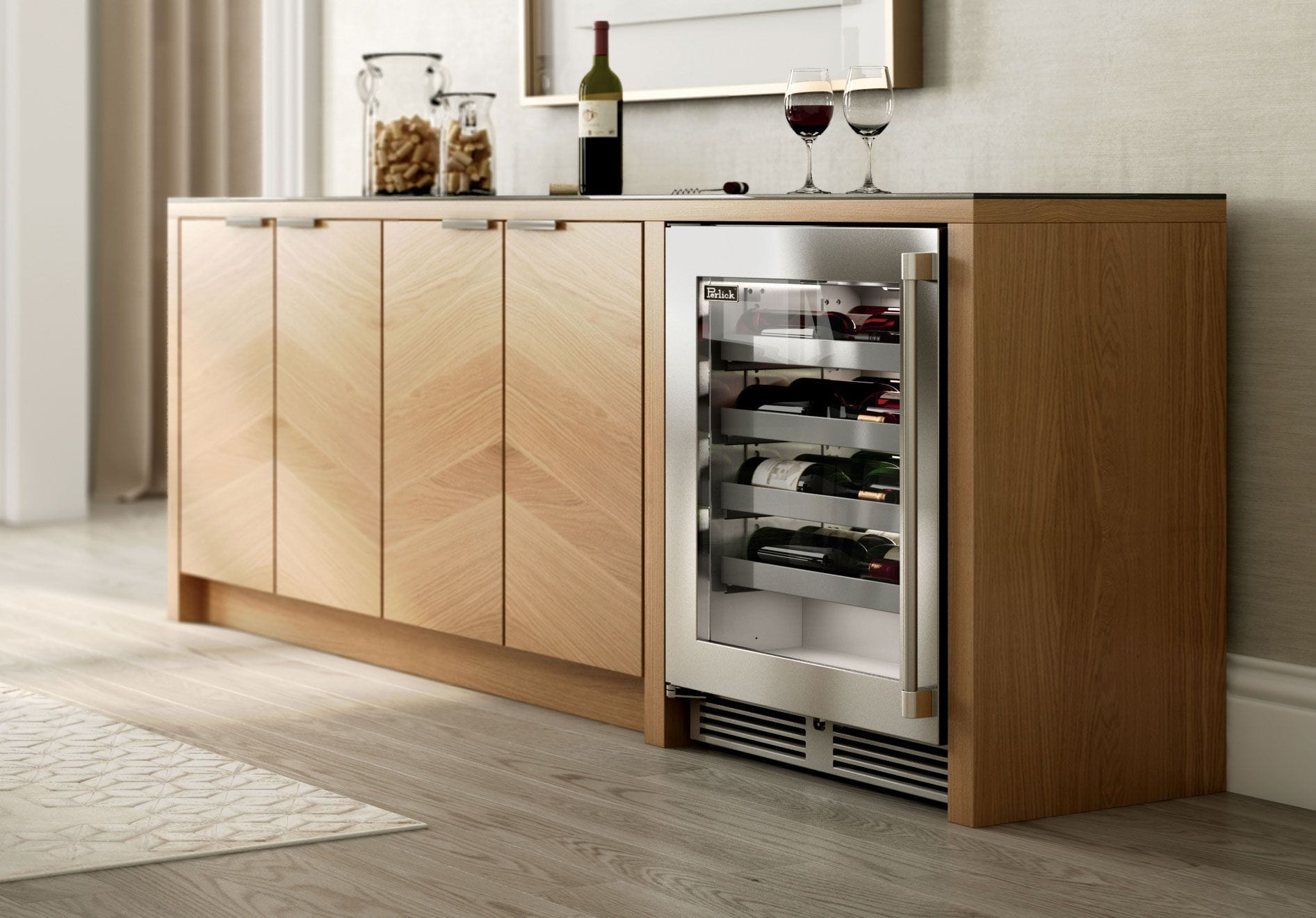
These models are most commonly used in built-in wine coolers and undercounter wine coolers, where even a small clearance mistake can affect usability.
When Not to Choose a Left Hinge Wine Cooler
Do not choose a left hinge wine cooler unless your layout specifically requires that door swing direction.
- If your installation has open clearance on both sides, hinge direction is less important
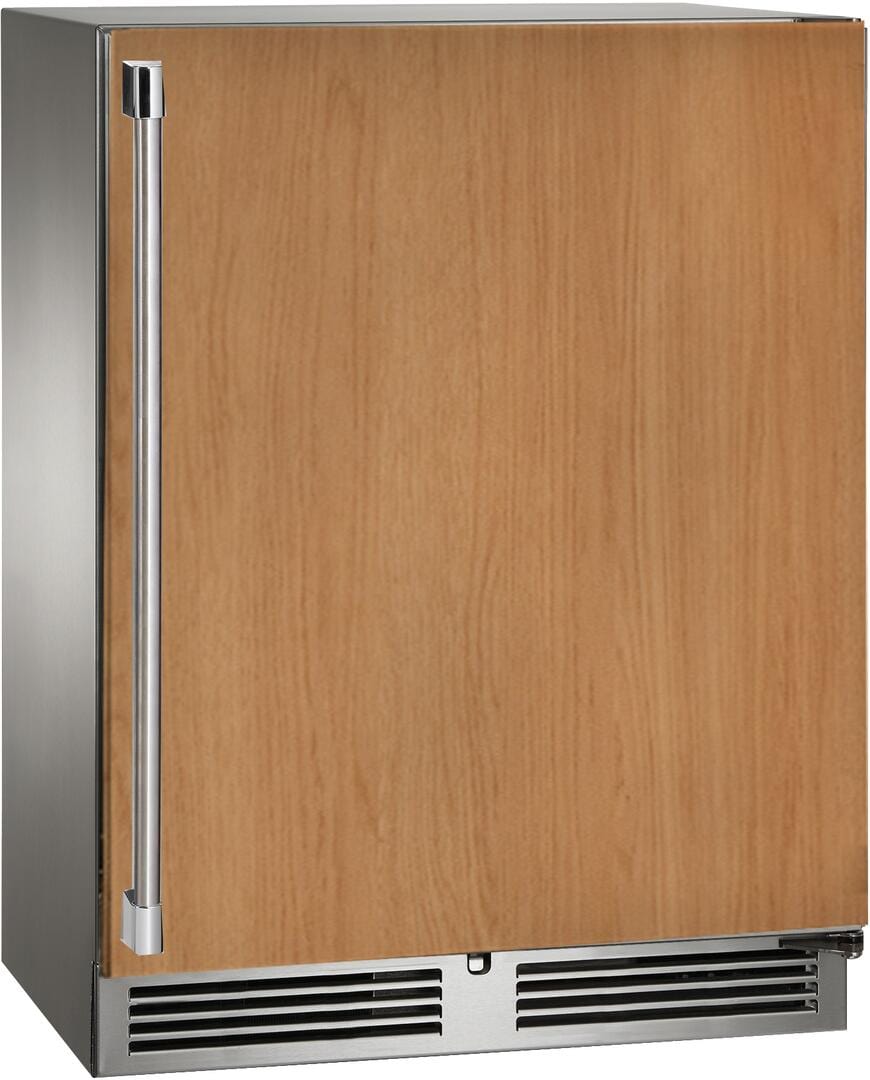
- If your space requires the door to open in the opposite direction, shop right hinge wine coolers
- If your final layout is still undecided, consider reversible hinge wine coolers for added flexibility
Choosing the wrong hinge direction can restrict door opening, reduce shelf access, and make the unit harder to use in everyday settings.
Why Hinge Direction Matters
Door swing is not just a cosmetic detail. In wine cooler installations, hinge direction affects access, clearance, and how well the unit fits into the surrounding space. A left hinge configuration is often the correct solution when the cooler is installed beside a right-side wall, end panel, or adjacent appliance that would interfere with a standard swing path.
A properly selected left hinge wine cooler helps ensure:
- Full door clearance in tight layouts
- Easier access to bottles and shelving
- Better day-to-day functionality in built-in applications
- Cleaner integration with cabinetry and nearby appliances
If your layout may change or you want more flexibility, compare left & right hinge wine coolers and reversible hinge wine coolers before making a final decision.
Installation Types and Layout Considerations
Built-In and Undercounter Installations
Left hinge orientation matters most in built-in and undercounter spaces where door movement is limited by cabinetry, panels, or neighboring appliances. In these installations, the wrong hinge direction can prevent the door from opening fully or make bottle access awkward.
Freestanding and Flexible Placement
Freestanding placements are generally more forgiving, but hinge direction can still affect traffic flow and convenience. Some built-in / freestanding wine coolers offer more flexibility for buyers who want to preserve installation options while still choosing a layout-specific model.
Key Specifications to Consider
Once hinge direction is confirmed, the next step is choosing a model that fits your collection, your installation, and your performance expectations.
- Bottle Capacity: Choose a size that matches your collection, from compact storage to larger capacity units for long-term expansion
- Temperature Zones: Single zone wine coolers are best for one consistent temperature, while dual zone wine coolers allow separate conditions for reds and whites
- Installation Type: Confirm whether you need built-in, undercounter, freestanding, or flexible placement capability
- Cooling System: Compressor-based units offer strong, consistent cooling, while smaller models may prioritize quieter operation
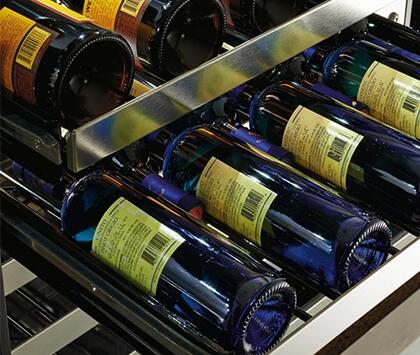
- Noise and Vibration: Low-vibration operation is important for preserving wine over time
- Door and Finish Options: Look for UV-protected glass, stainless steel, or panel-ready designs depending on your space
How to Choose the Right Left Hinge Wine Cooler
Use this simple decision path when shopping:
- Confirm that your layout requires a left-side hinge
- Measure side clearance and nearby obstructions
- Choose the right installation type for your space
- Select bottle capacity based on your collection size
- Decide whether single-zone or dual-zone storage fits your needs
If you are still comparing layout options, review right hinge wine coolers or browse reversible hinge wine coolers for more installation flexibility.


📚 Frequently Asked Questions (FAQs)
A left hinge wine cooler has its hinge on the left side and opens from right to left. Choose this only when your layout requires that door swing direction.
You need a left hinge model when a wall, cabinet, or adjacent appliance blocks the opposite swing direction. If both sides are open, hinge direction is less critical.
Most left hinge models are not reversible. If flexibility matters, choose reversible hinge wine coolers instead.
The door may not open fully, which can restrict shelf access and make the unit difficult to use. In tighter installations, the wrong hinge direction can create a functional failure.
No, but they matter most in built-in and undercounter layouts where clearance is fixed. Freestanding placements are usually more forgiving.
No. Hinge direction affects access and installation, not cooling performance. Storage performance depends on the cooling system, insulation, and overall unit design.