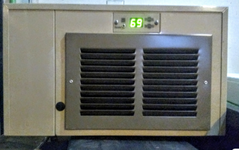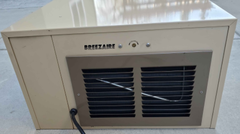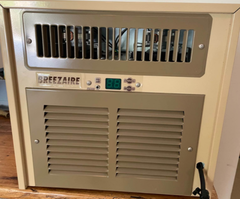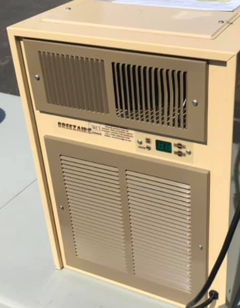
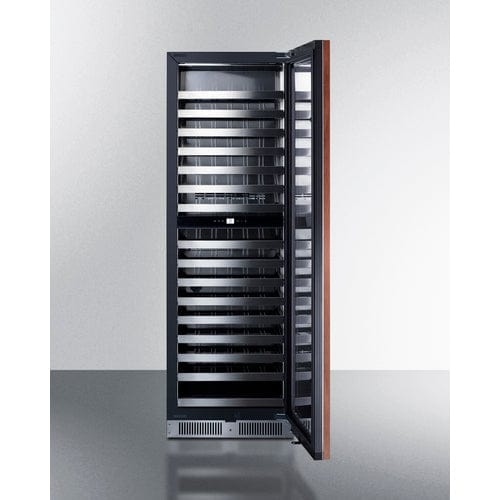
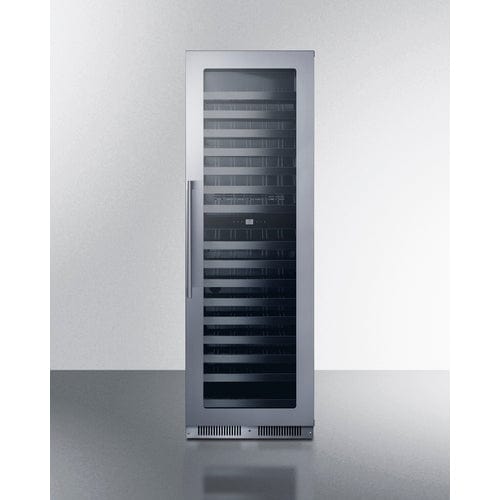
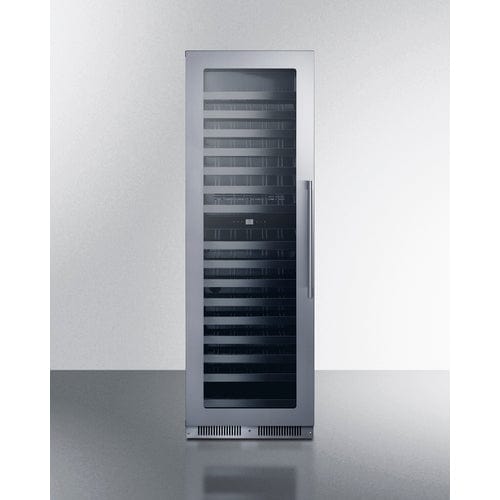
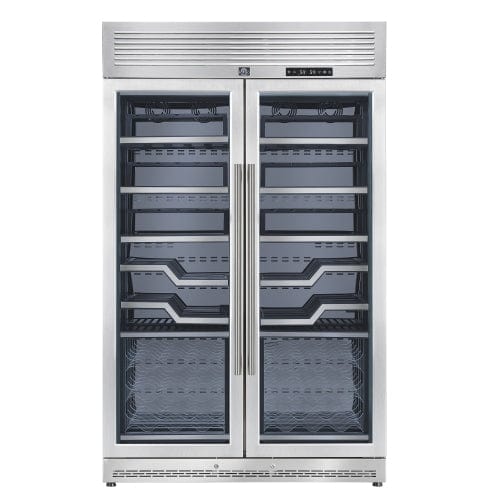
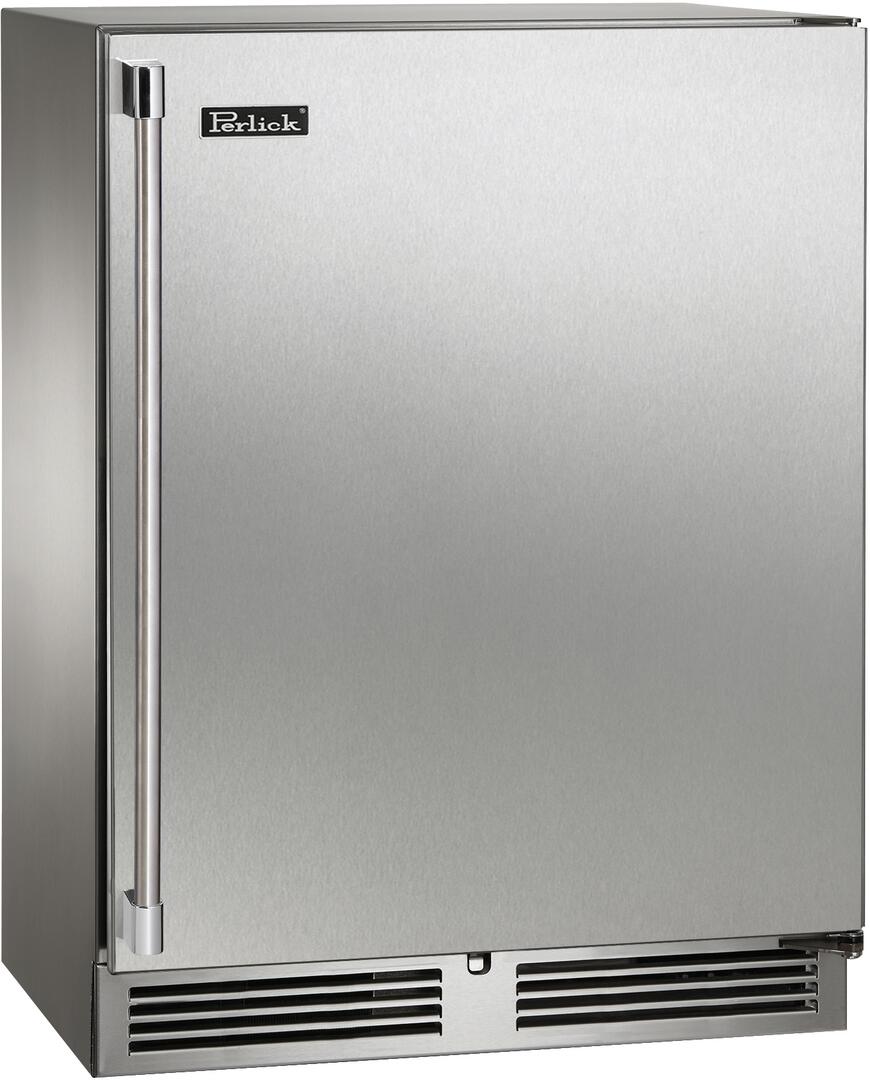
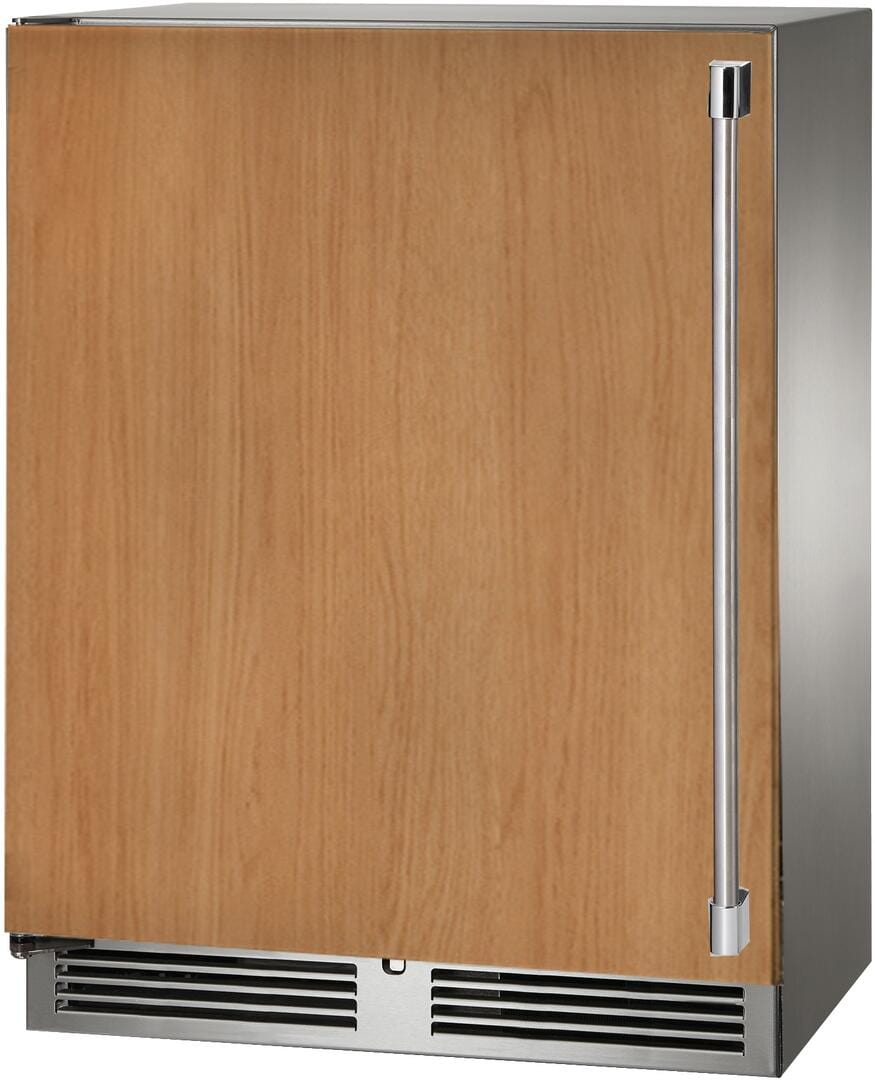
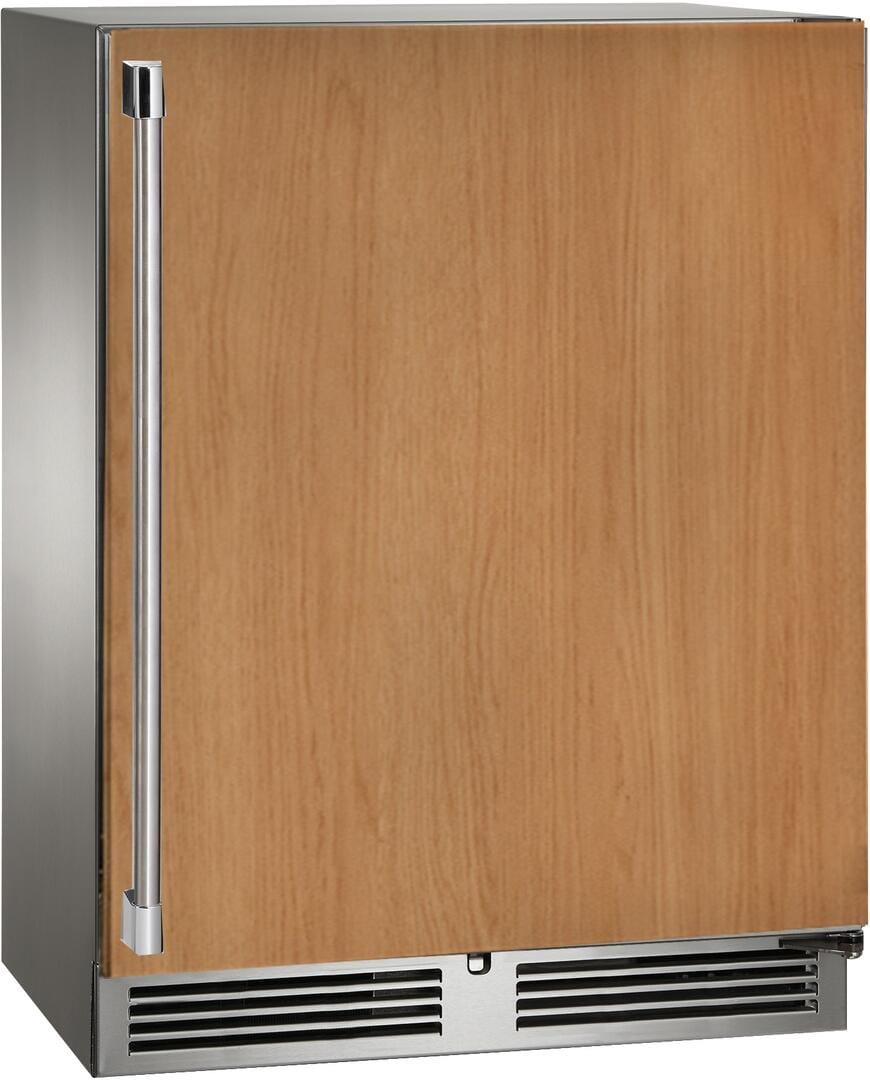
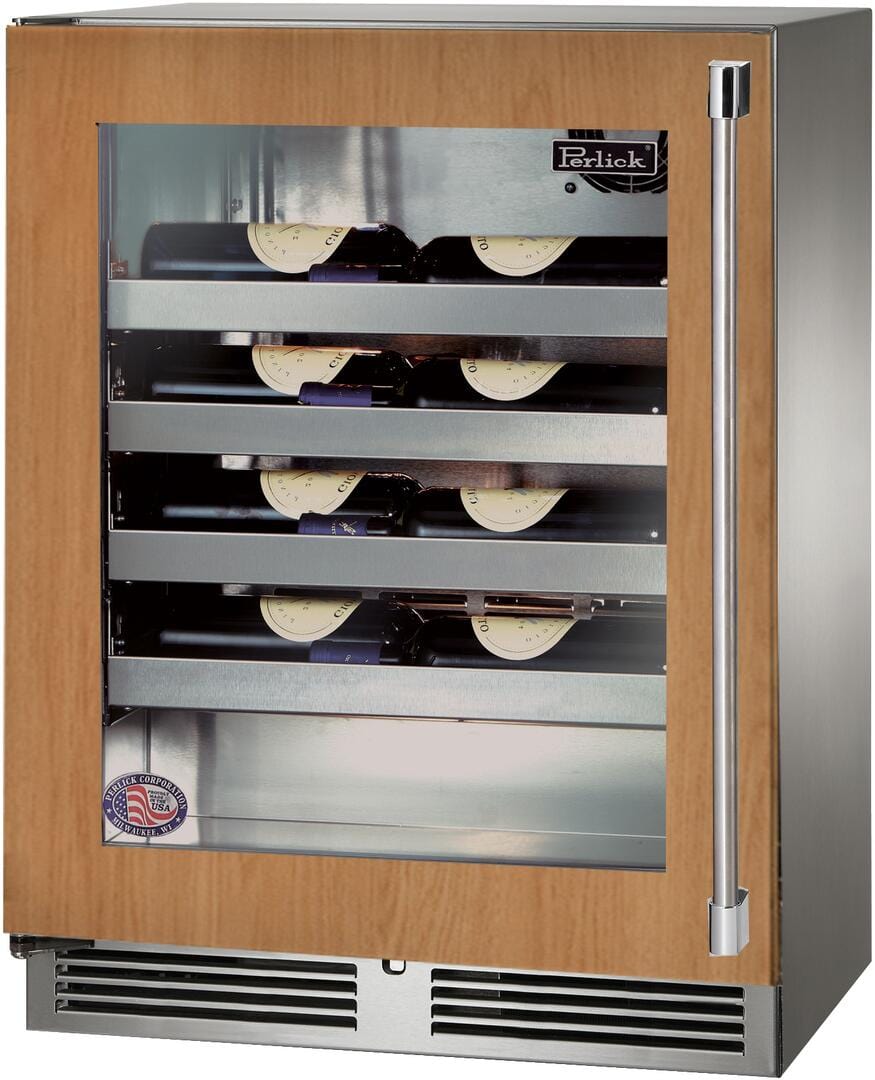
Custom Wine Cellar Design Support
Get expert help selecting the right cooling unit based on your cellar size, insulation, and layout.
- Cooling unit recommendations
- Room size + insulation guidance
- Support for builders & homeowners
Indoor Wine Coolers
305 products
Showing 1 - 24 of 305 products
Indoor Wine Coolers for Kitchens, Bars & Climate-Controlled Spaces
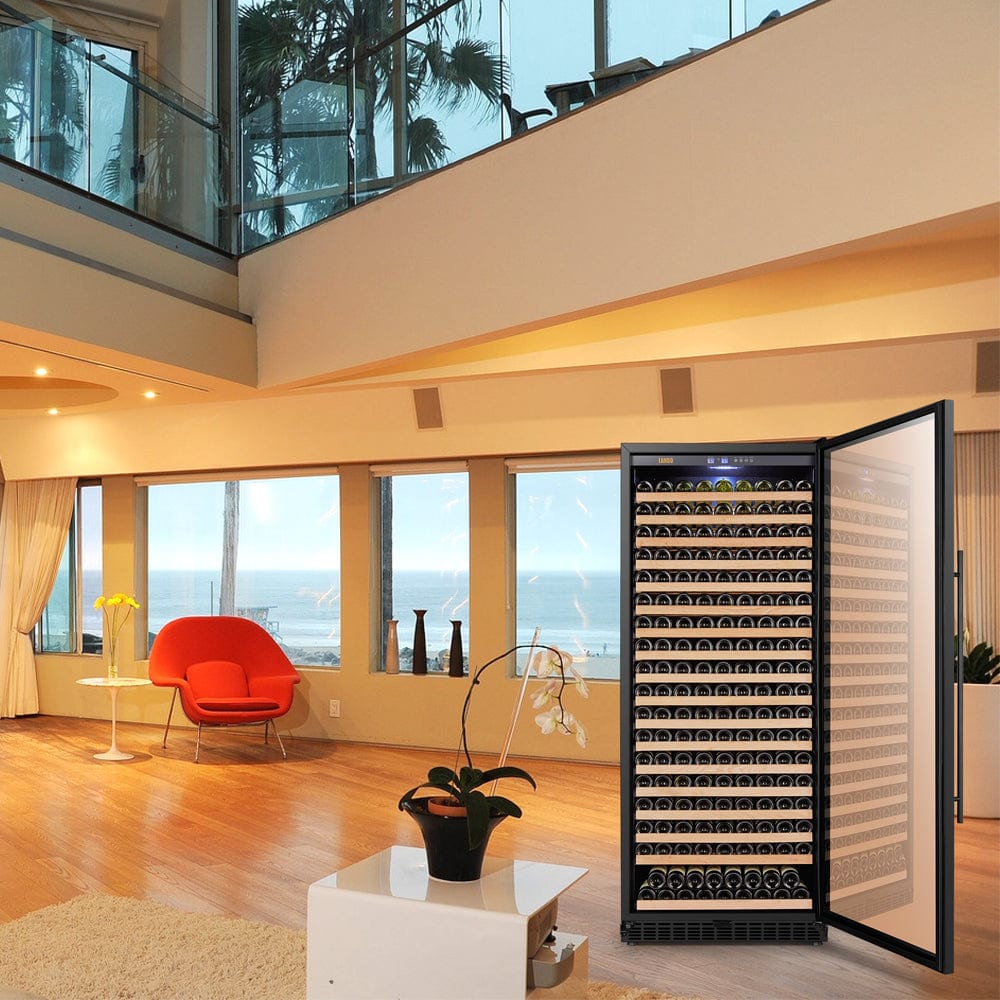
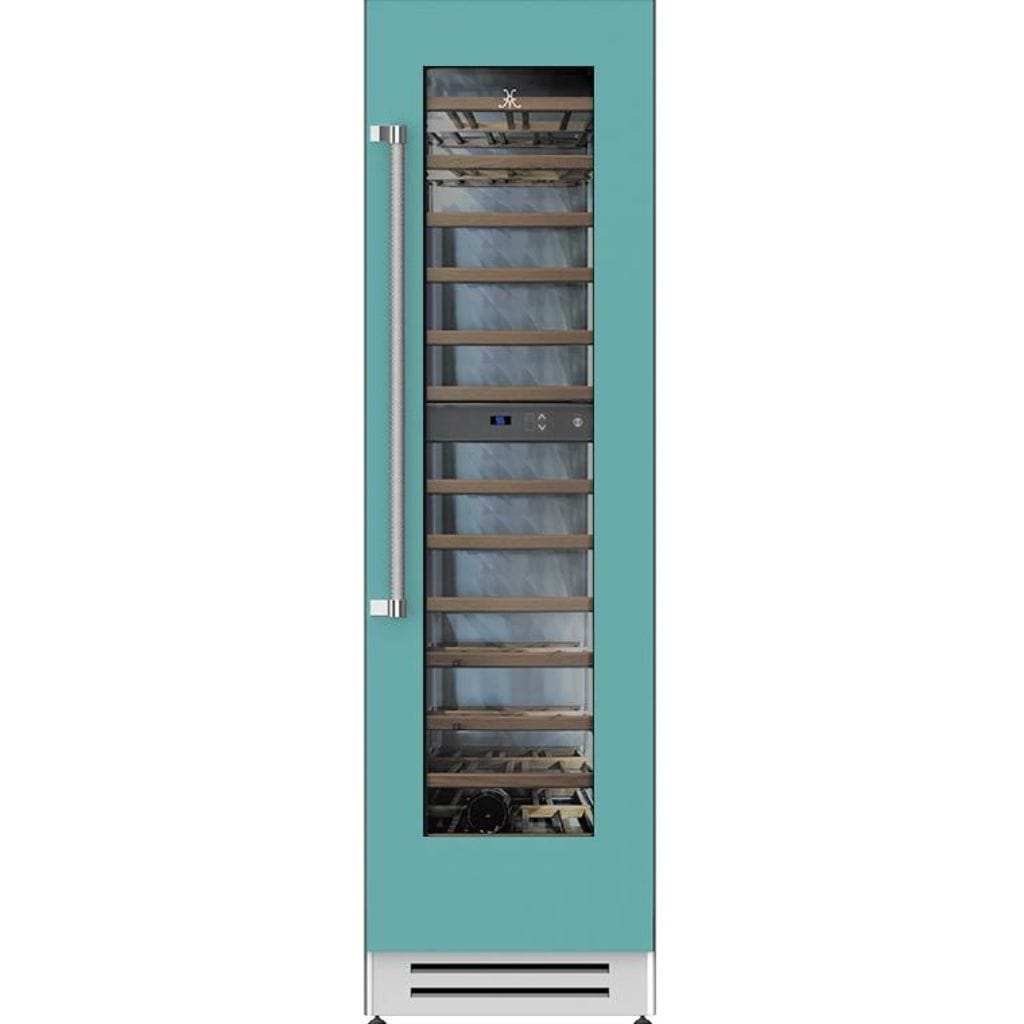
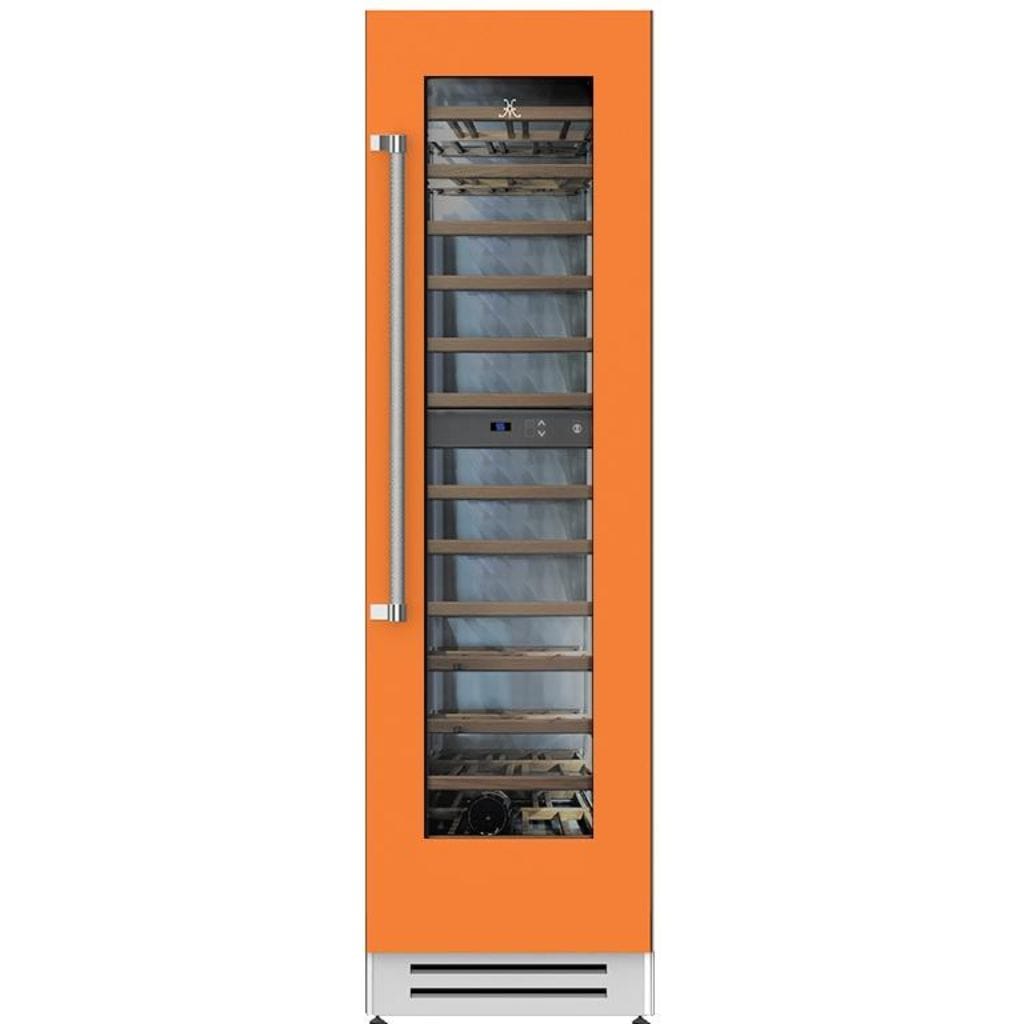
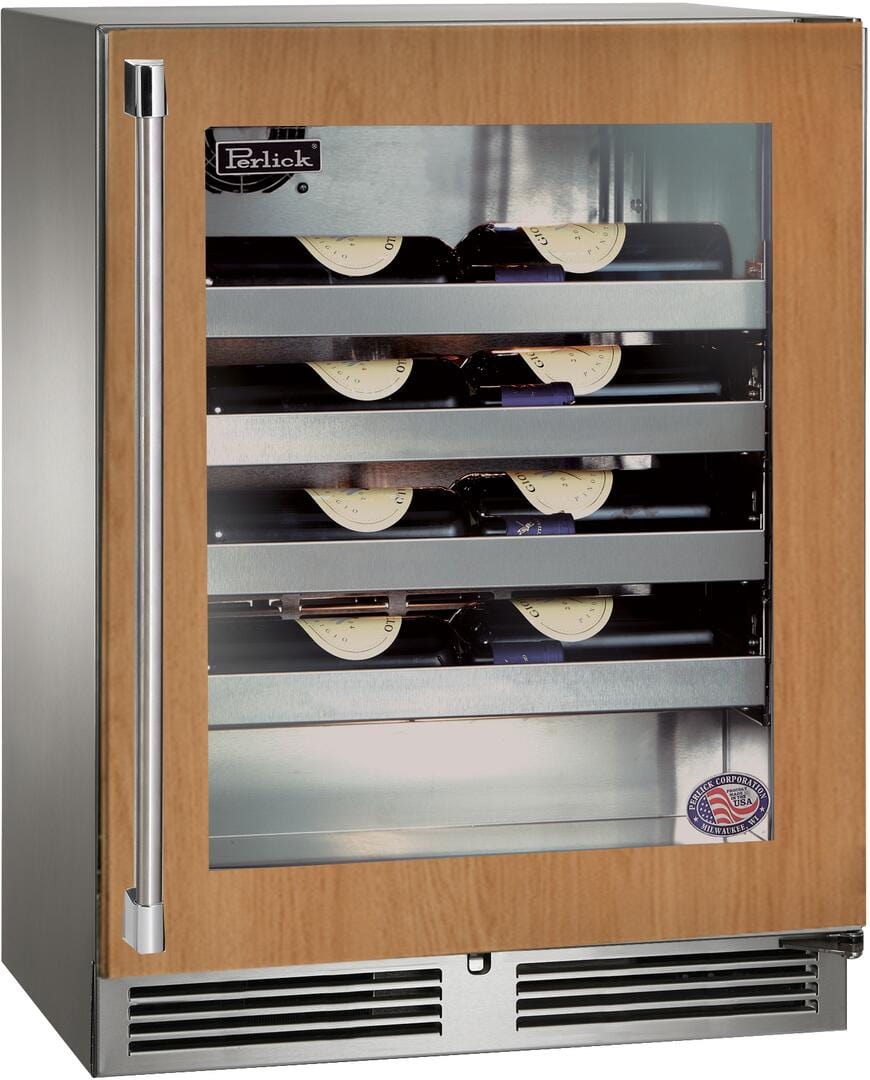
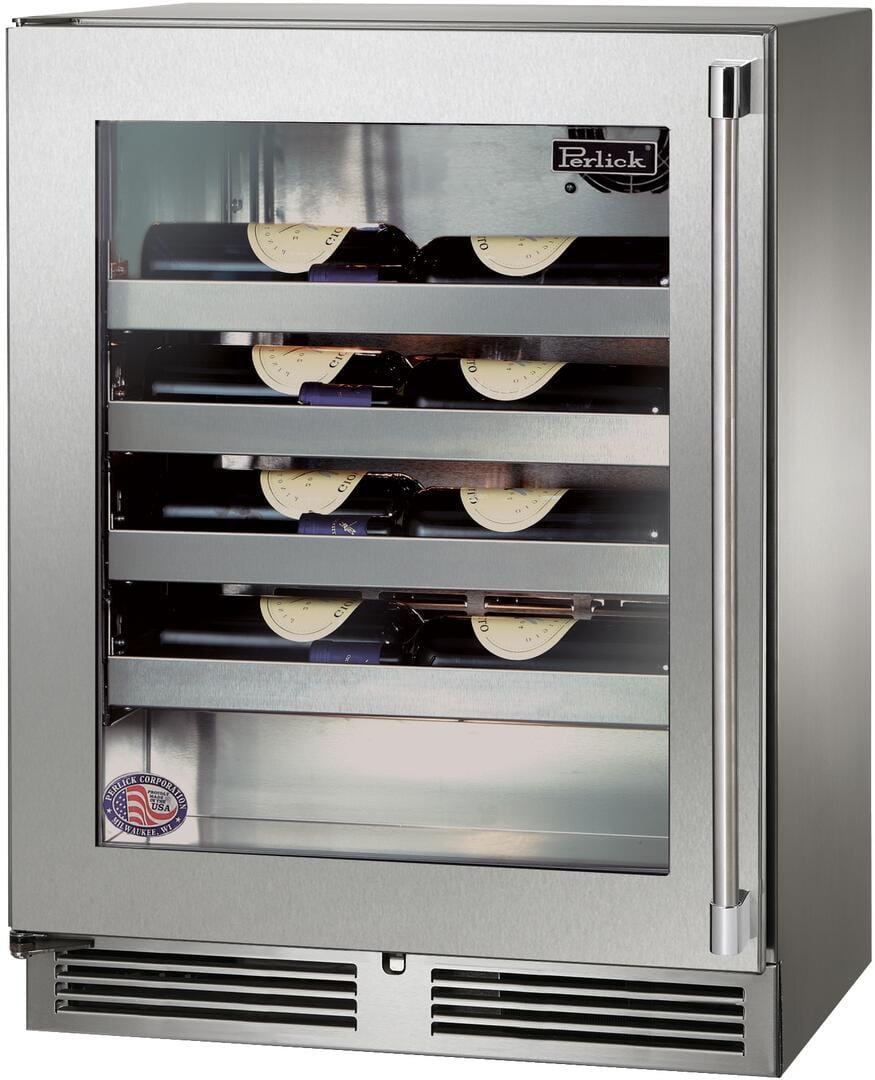
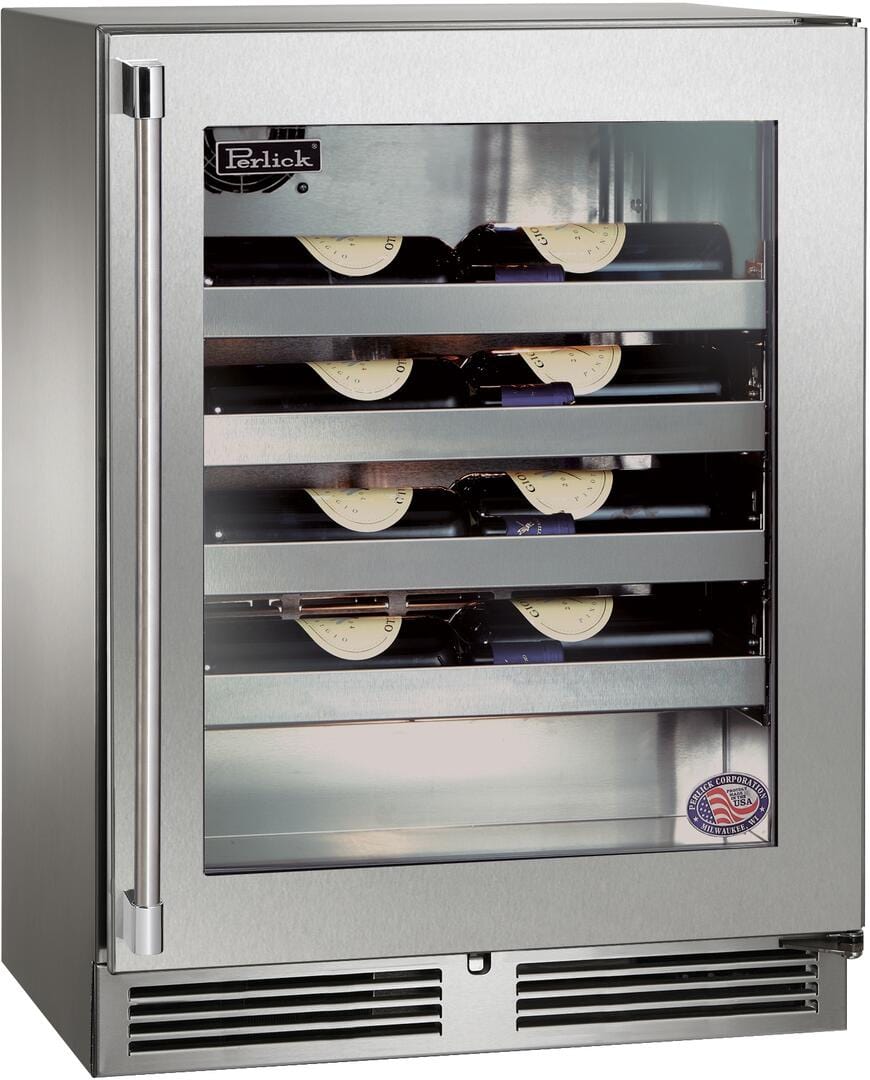
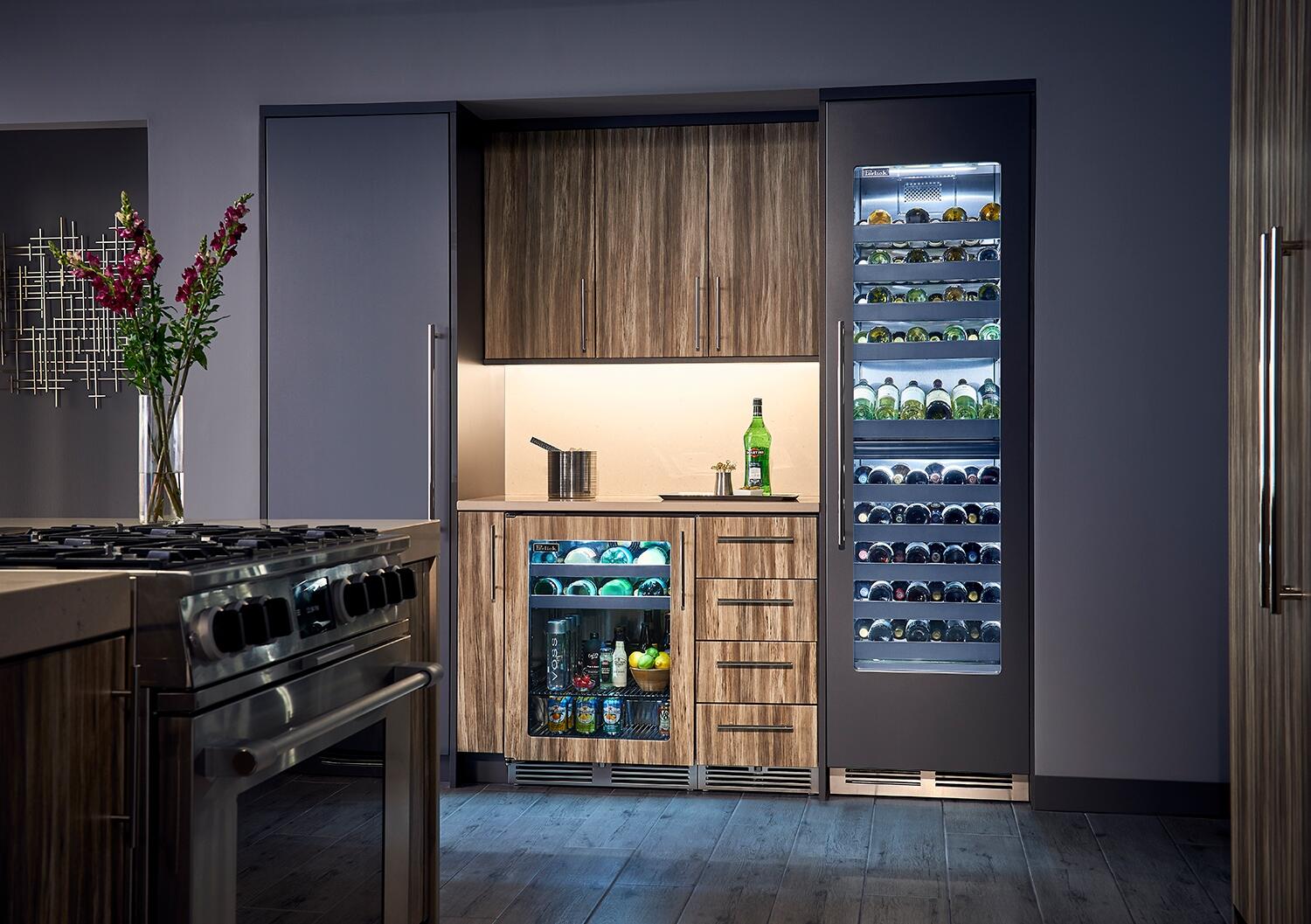
Indoor wine coolers are designed for use inside stable, climate-controlled environments such as kitchens, home bars, dining rooms, and entertainment areas. These systems provide consistent temperature control, quiet operation, and flexible installation options—making them ideal for homeowners, collectors, and designers who need reliable wine storage within living spaces.
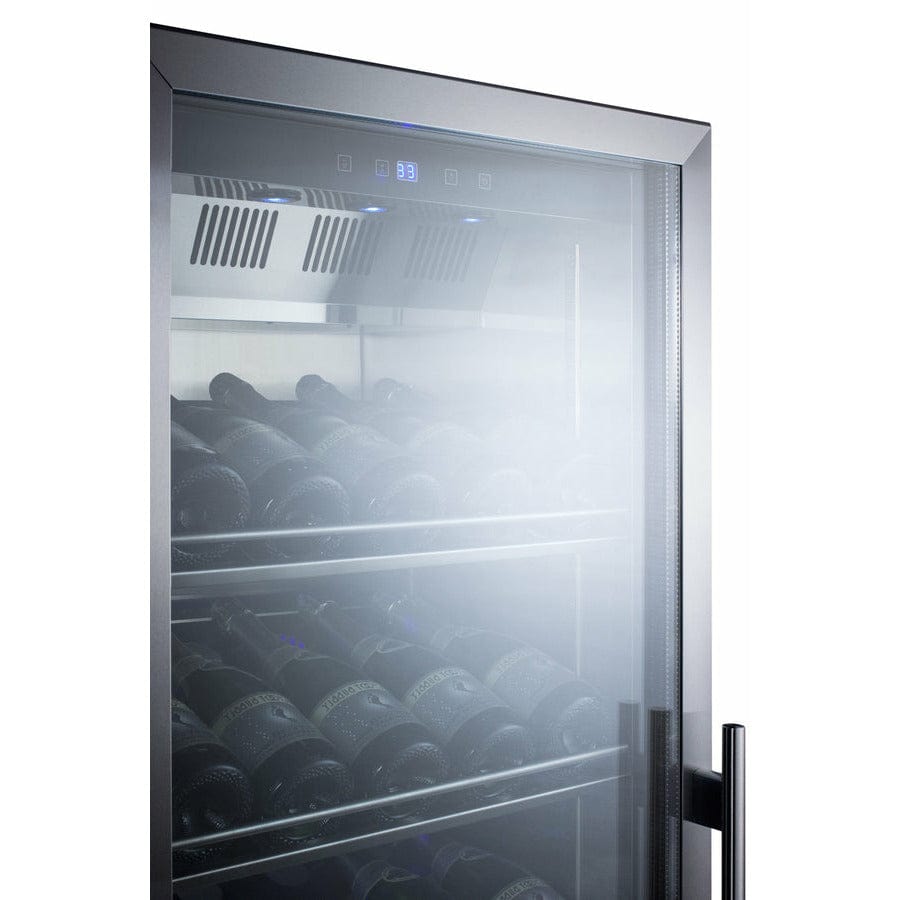
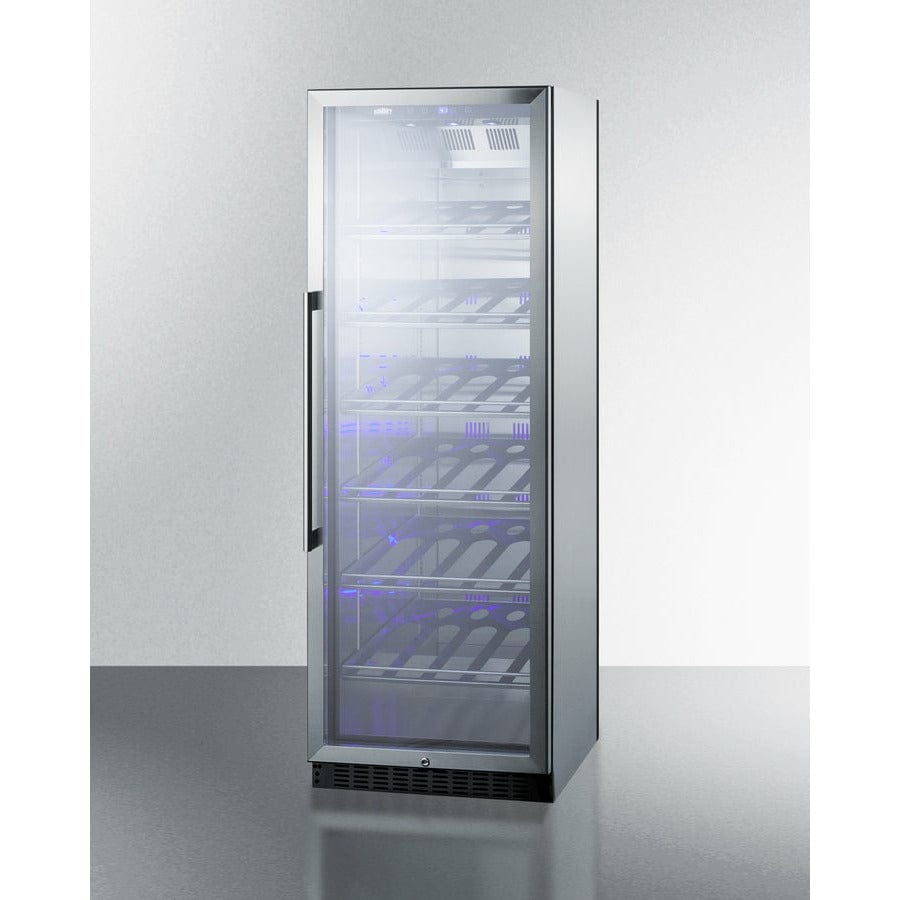
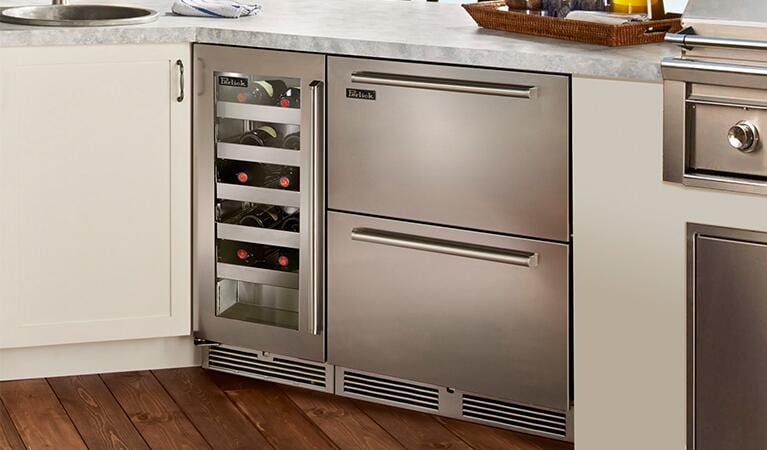
This collection includes built-in wine coolers, freestanding wine coolers, and undercounter wine coolers, allowing you to select the right configuration based on your layout, ventilation requirements, and storage goals. If you are comparing wine-only storage with more versatile options, explore our wine & beverage centers for mixed-use applications.
Who Indoor Wine Coolers Are For
- Homeowners: Add accessible, temperature-controlled wine storage to kitchens, dining spaces, or living areas.
- Collectors: Maintain consistent conditions for short- to mid-term wine storage inside the home.
- Designers & Architects: Integrate built-in wine coolers or undercounter wine coolers into custom cabinetry and luxury interiors.
- Builders & Contractors: Install space-efficient indoor units with predictable ventilation and electrical requirements.
- Entertainers: Keep wine properly chilled and easy to access for dinner service, parties, and everyday use.
When to Choose an Indoor Wine Cooler
Choose an indoor wine cooler if you need temperature-controlled storage inside a finished living space and want easy access to wine for daily use or entertaining. These units are best for kitchens, bars, dining rooms, and other interior spaces where room temperature stays stable year-round.
- You need wine storage inside a climate-controlled room.
- You want a cleaner, more convenient alternative to storing bottles in a standard refrigerator.
- You are deciding between built-in, freestanding, or undercounter wine coolers based on layout and installation needs.
- You are storing wine for short- to mid-term preservation, serving readiness, and household convenience.
When Not to Use an Indoor Wine Cooler
Do not choose an indoor wine cooler if the installation space is not temperature-stable or if your project requires true cellar-level aging conditions. These units are appliance-based storage solutions, not substitutes for outdoor-rated cooling or dedicated cellar climate systems.
- Do not install an indoor unit in a garage, patio, or other exposed area. Shop outdoor wine coolers for those environments.
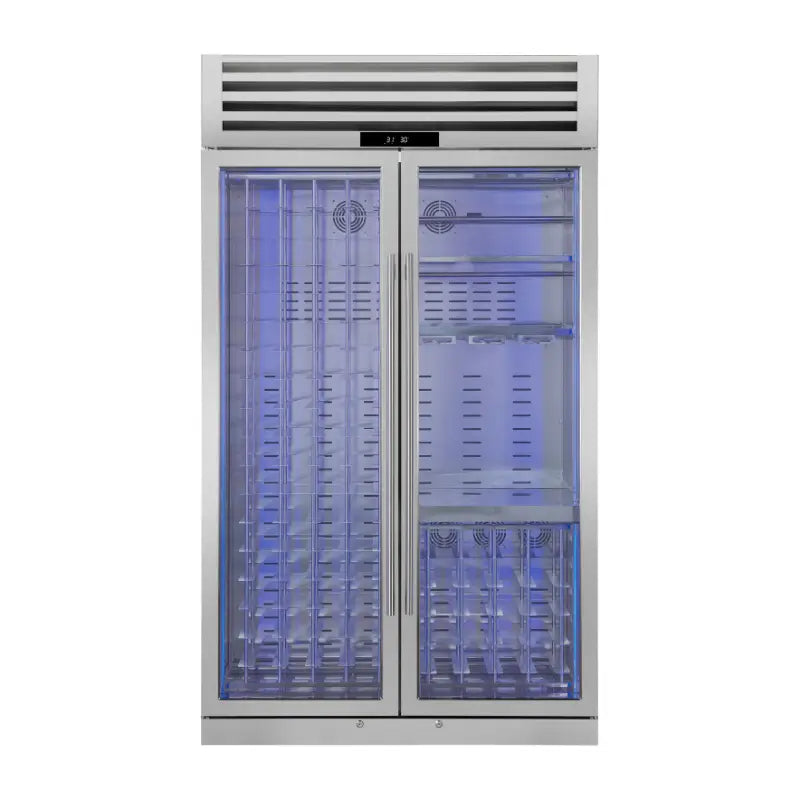
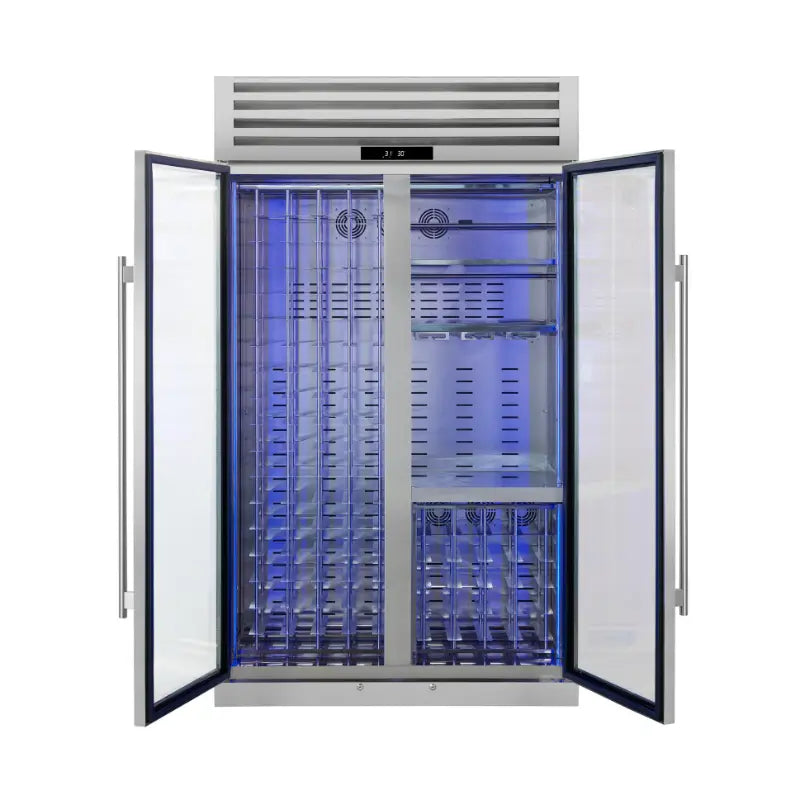
- Do not use a wine cooler for long-term cellar aging or sealed wine room projects. Use wine cellar cooling units instead.
- Do not place built-in or undercounter models in cabinetry without proper ventilation clearance.
- Do not choose this category if you need precise humidity control and aging performance for a large investment-grade collection.
Types of Indoor Wine Coolers
Built-In Wine Coolers
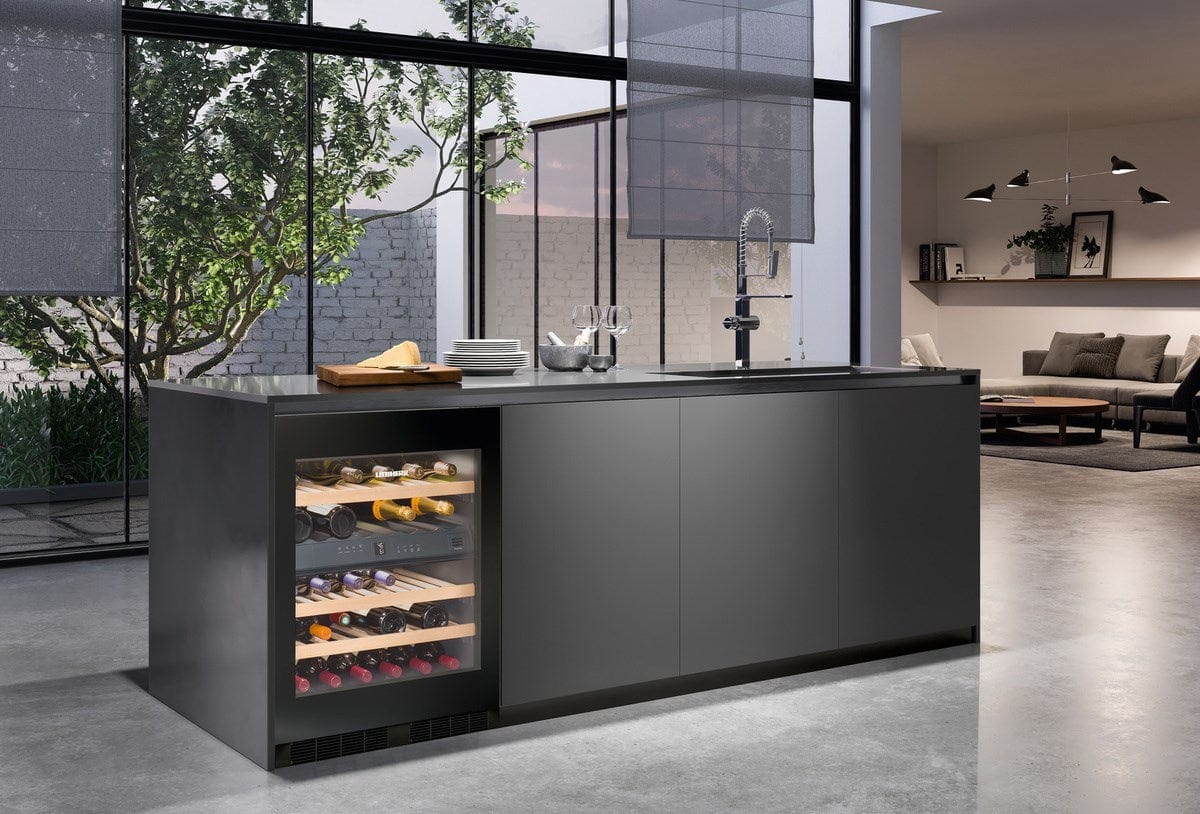
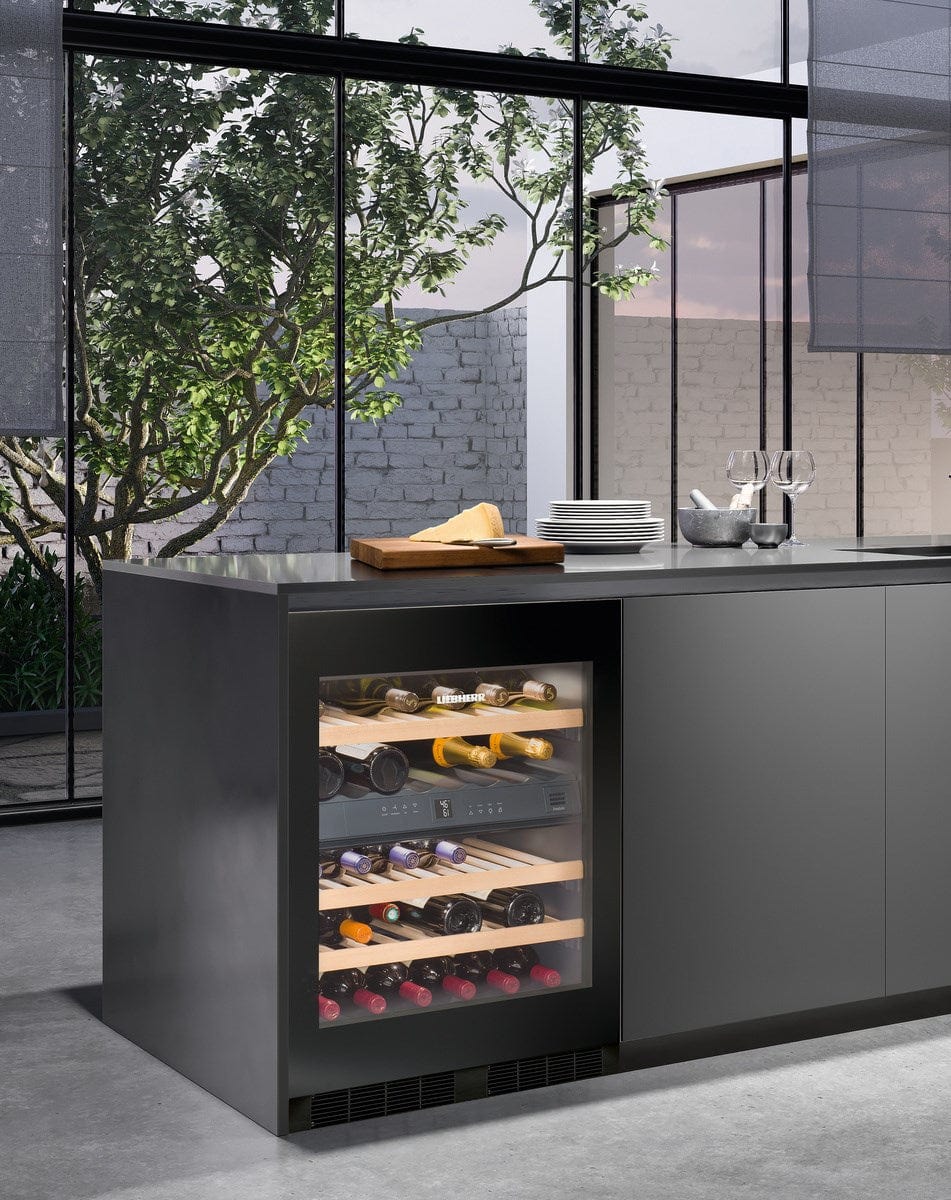
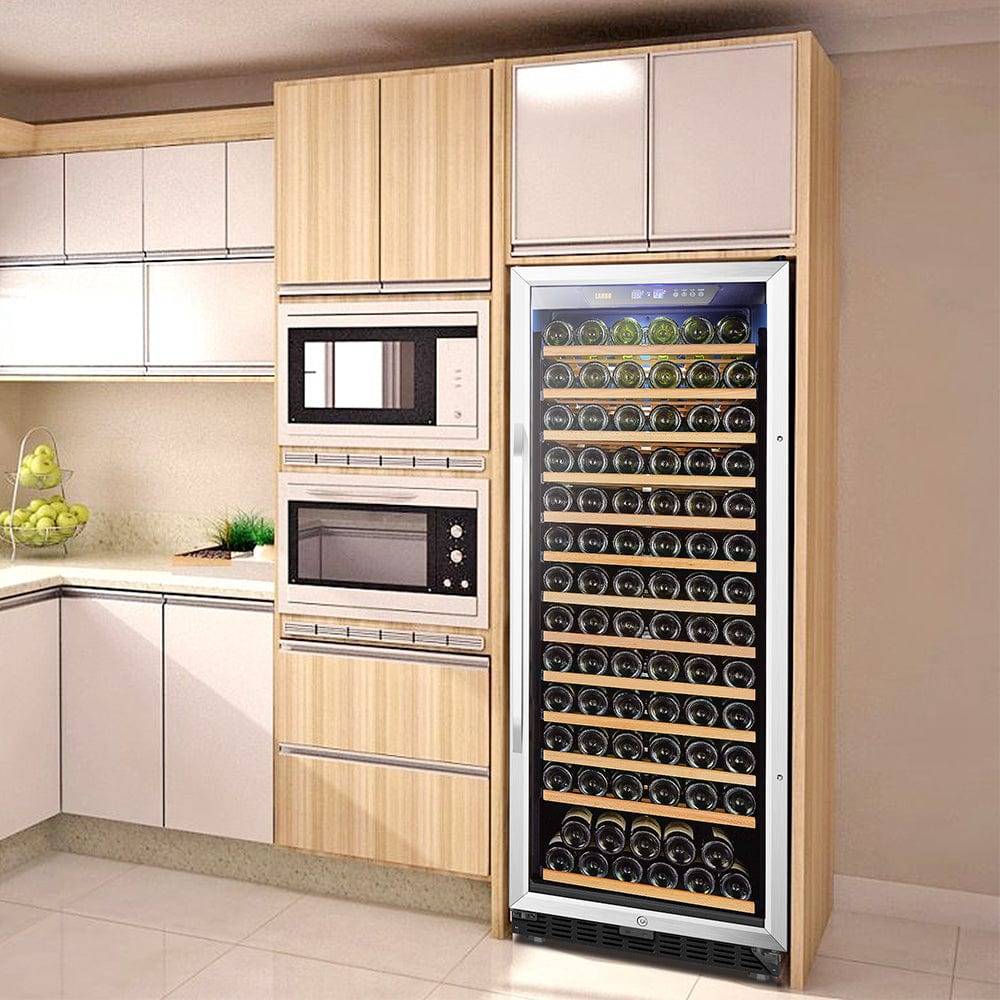
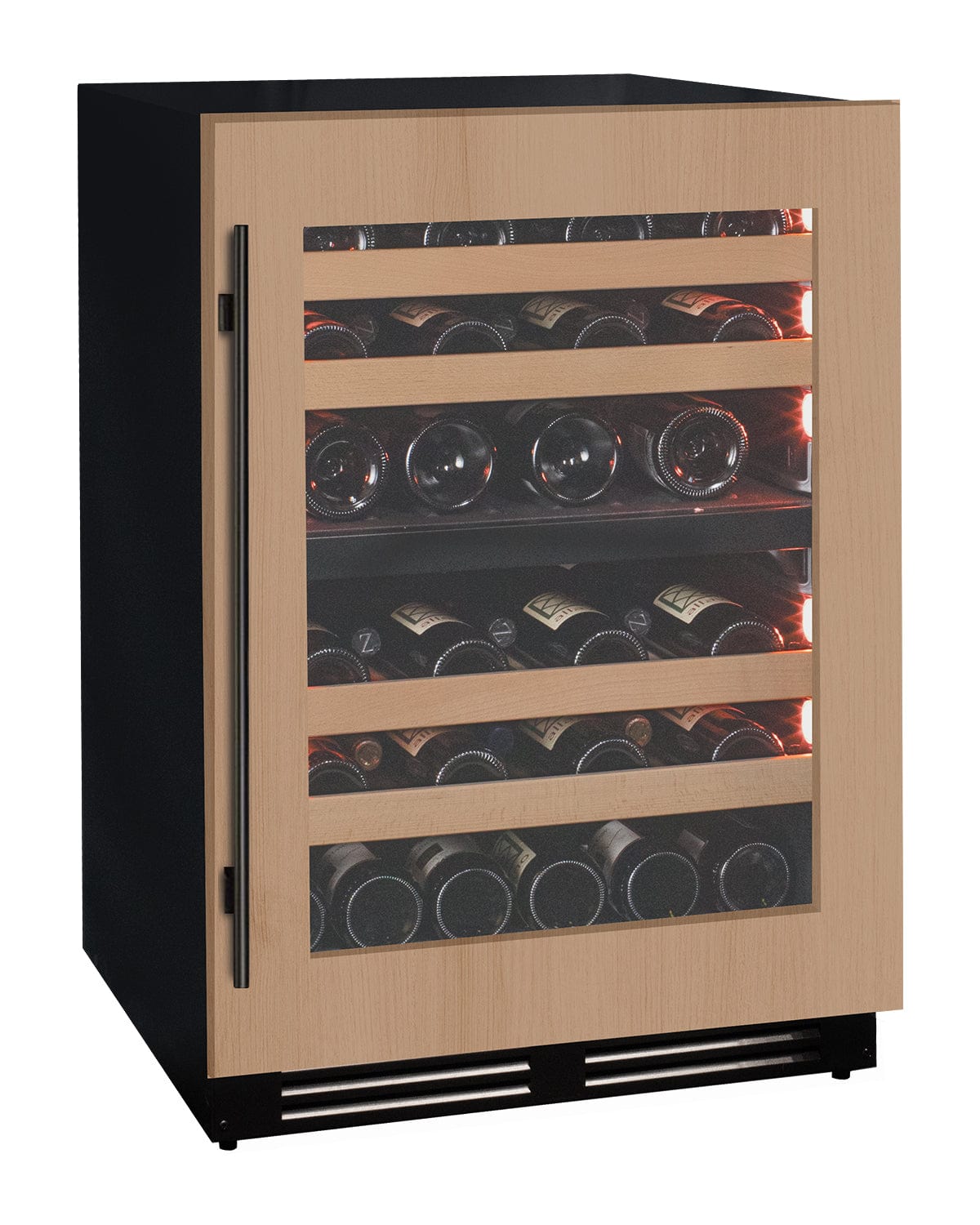
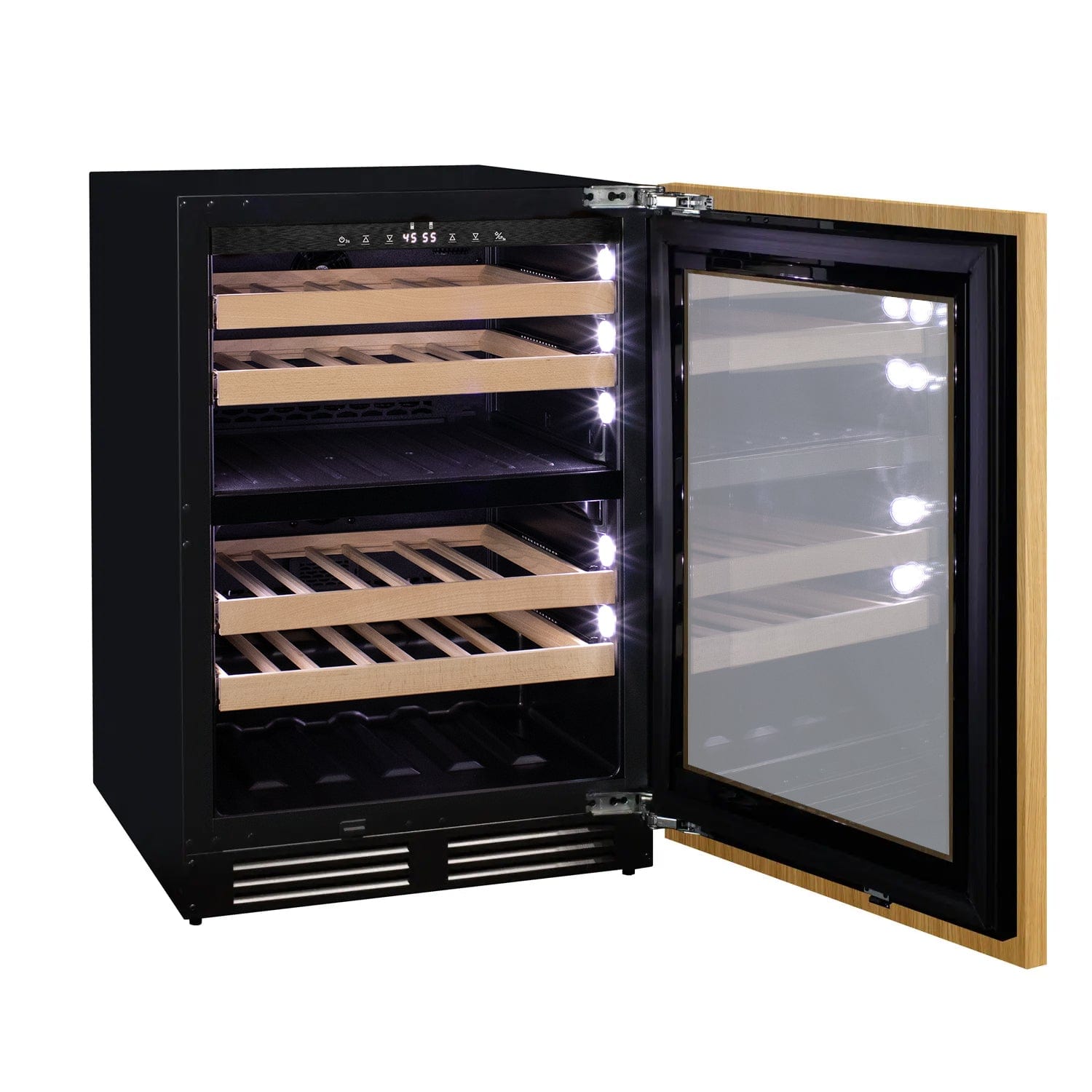
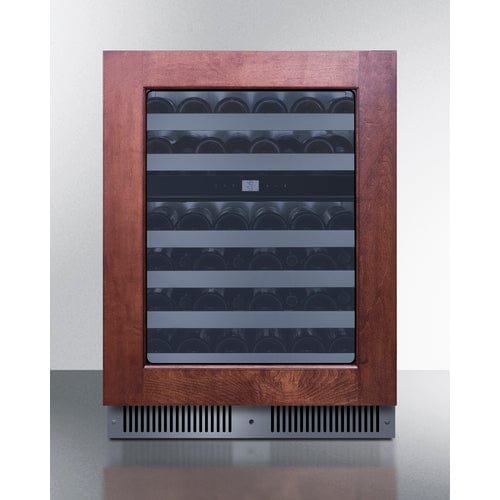
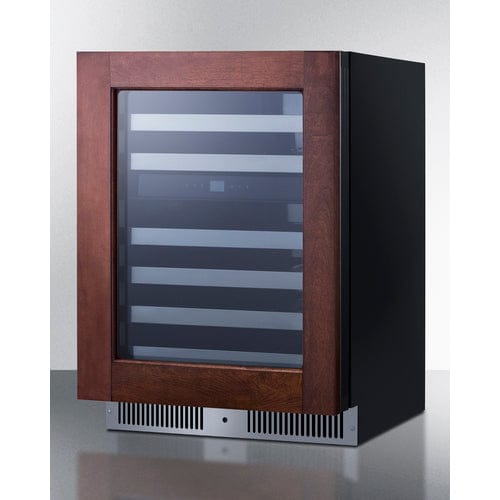
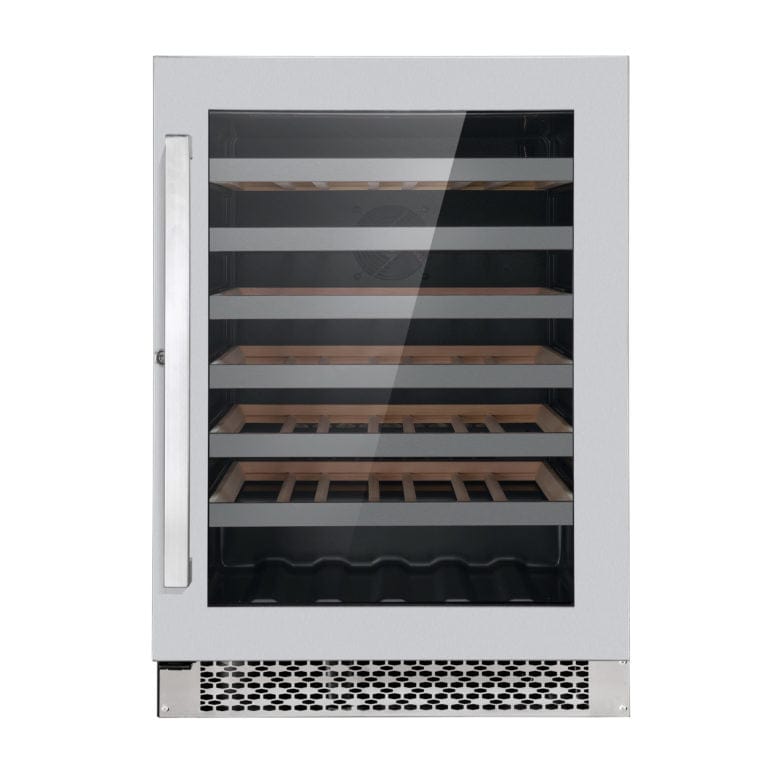
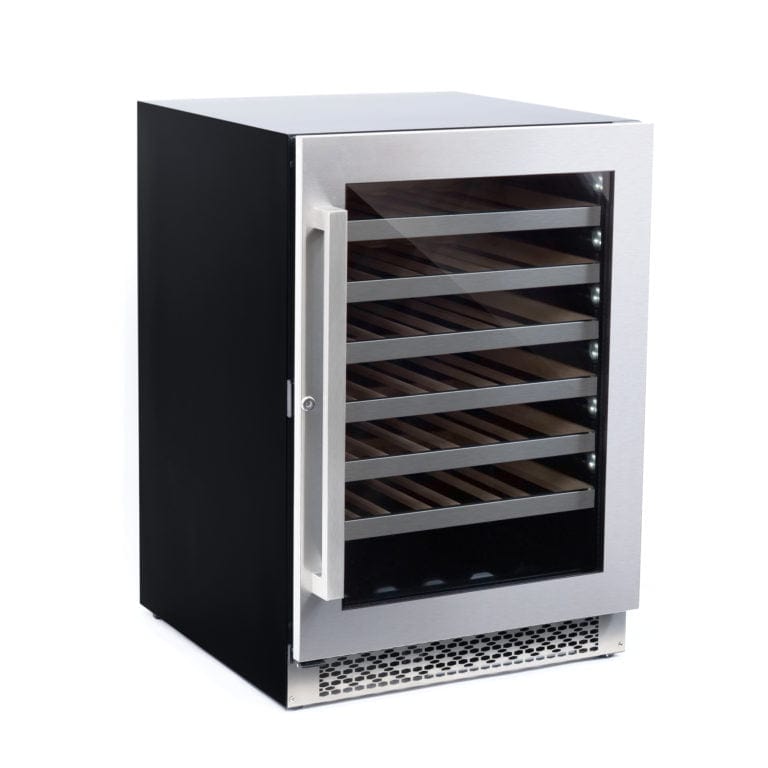
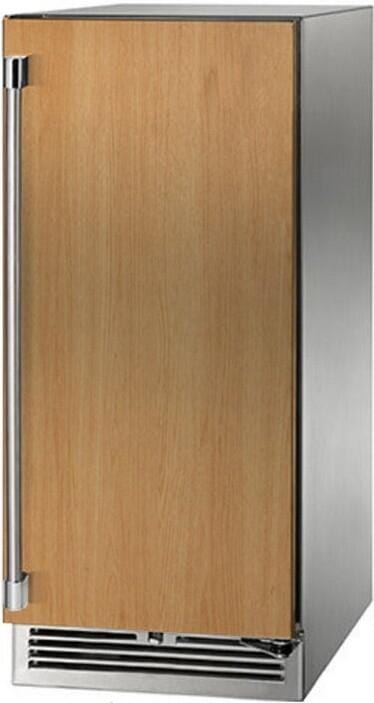
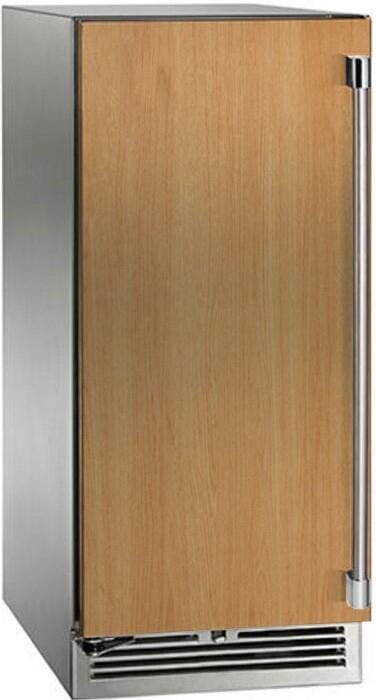
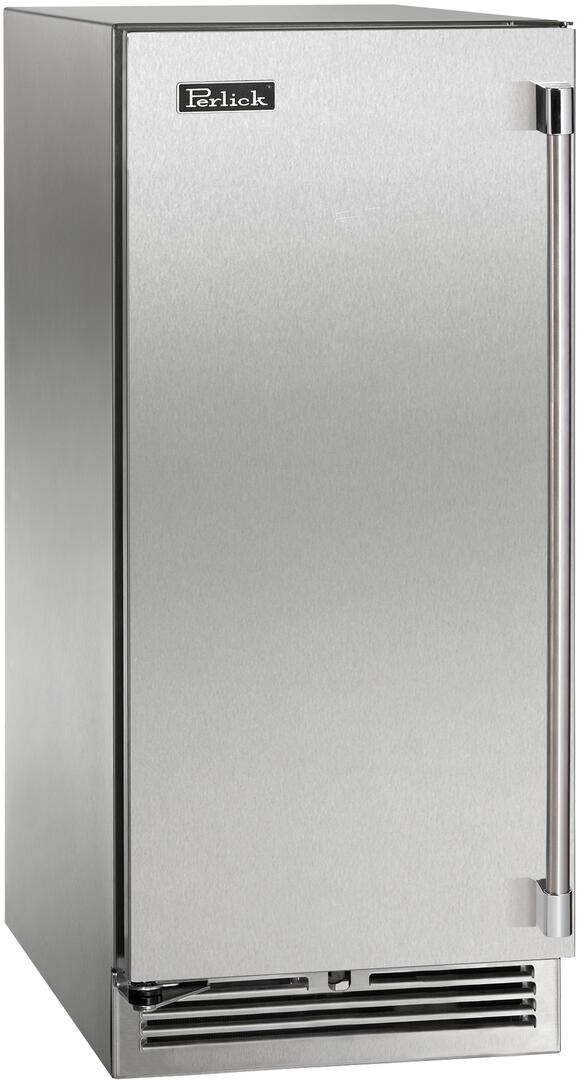
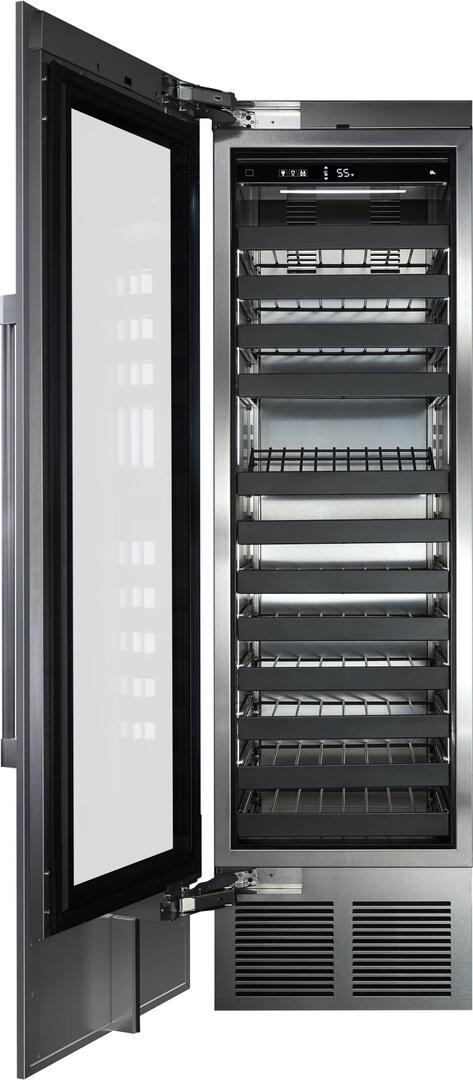
Built-in wine coolers are designed for flush installation into cabinetry and use front ventilation to operate safely in enclosed spaces. They are ideal for luxury kitchens, home bars, and custom millwork where a seamless appearance matters.
- Best for: permanent installations, premium kitchen design, integrated cabinetry
- Key consideration: cabinet cutout dimensions and front-vent airflow must be correct
Freestanding Wine Coolers
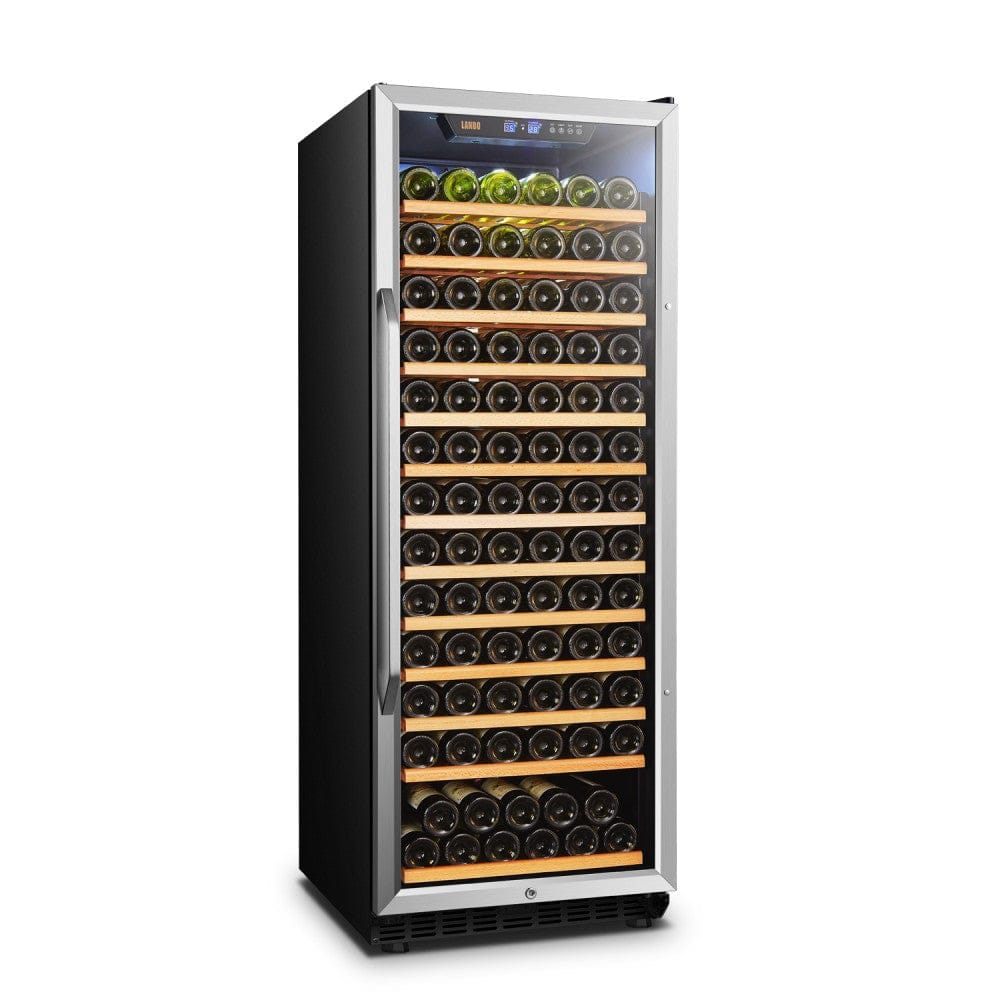
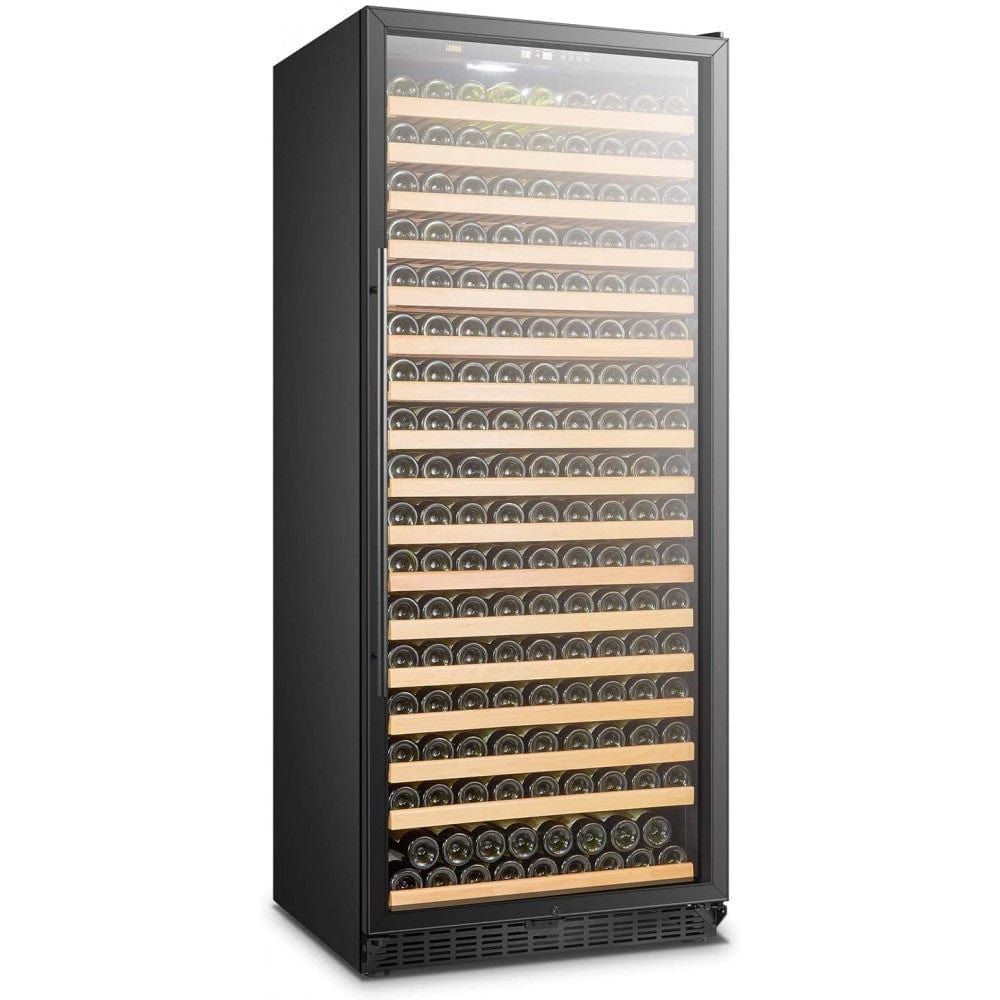
Freestanding wine coolers offer more placement flexibility and are suited for open areas where cabinetry integration is not required. These units are a practical option for apartments, dining rooms, and casual entertaining spaces.
- Best for: flexible placement, open layouts, simpler installation
- Key consideration: rear or side ventilation requires surrounding air space
Undercounter Wine Coolers
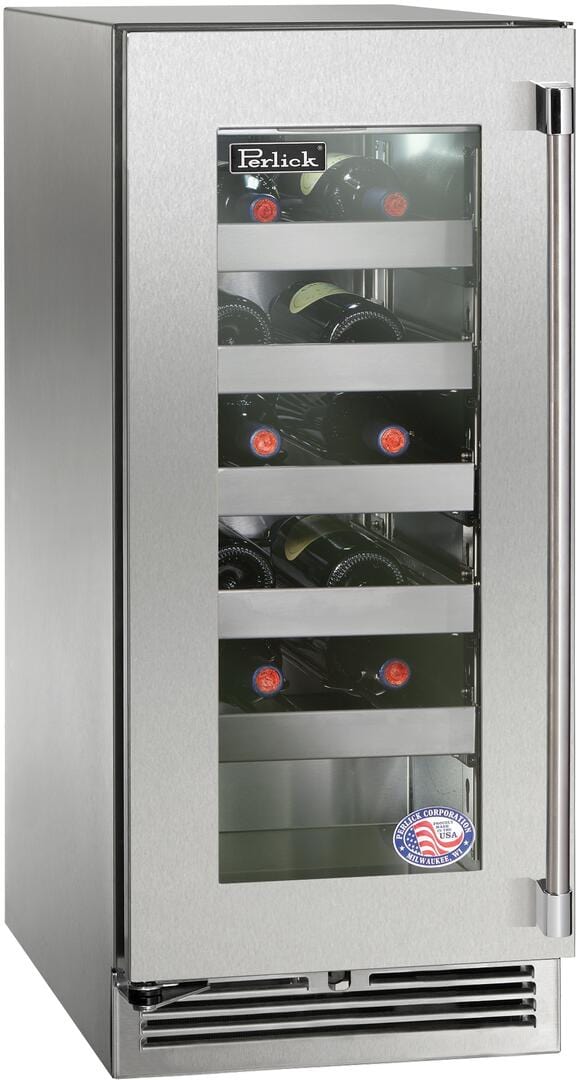
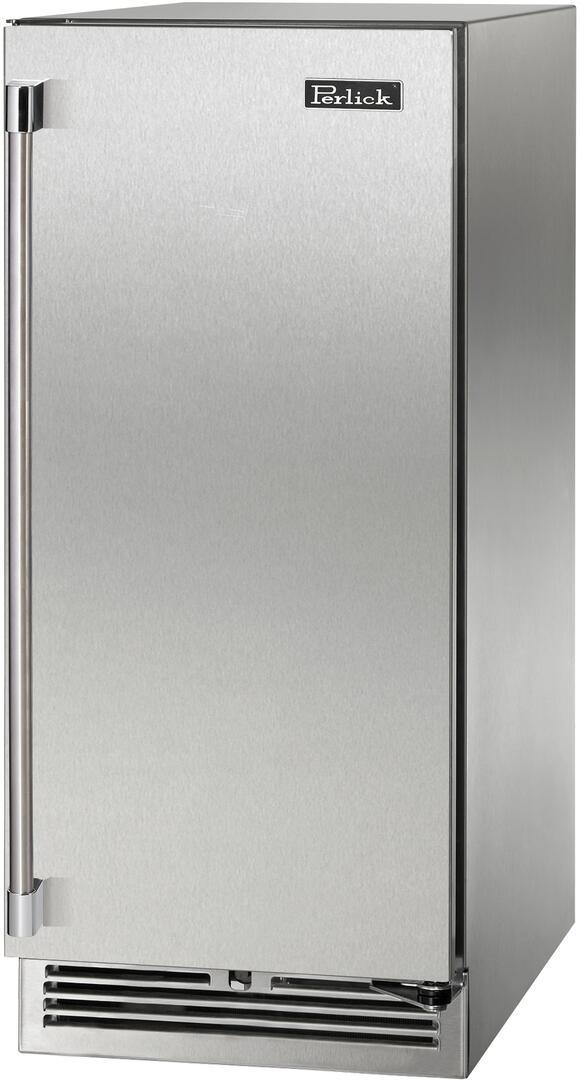
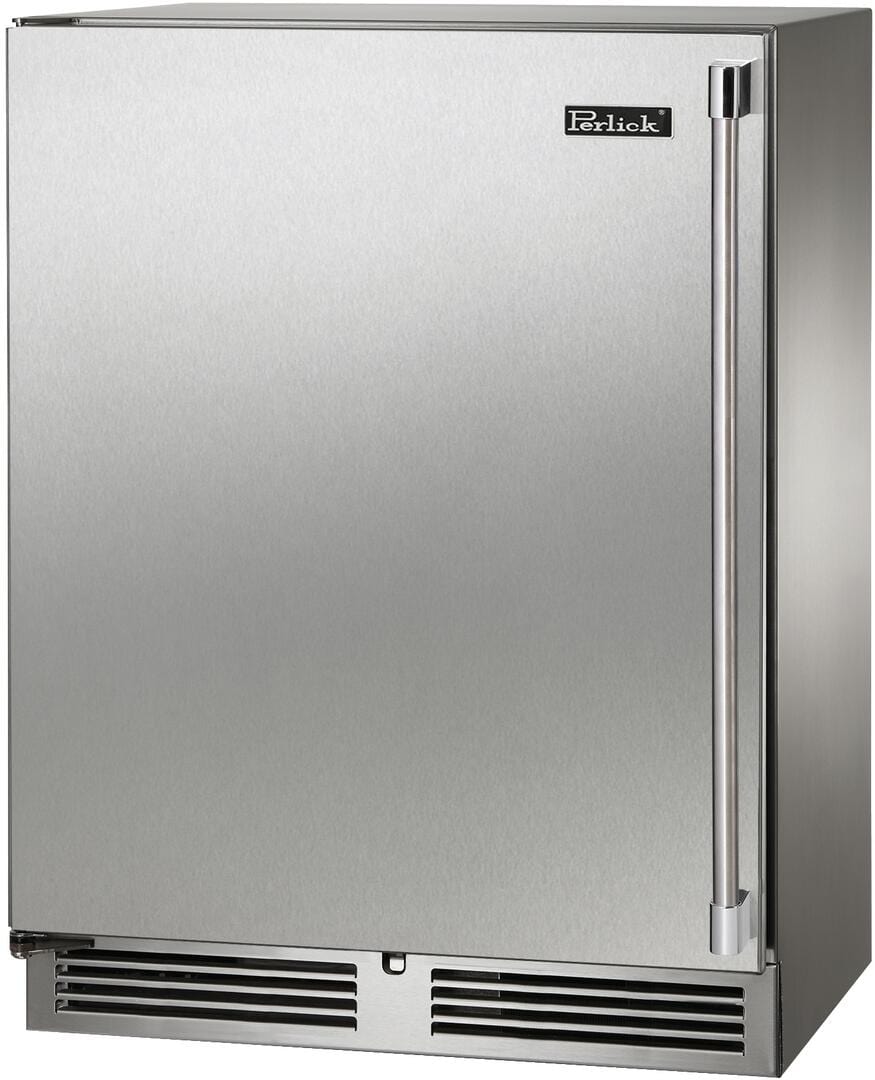
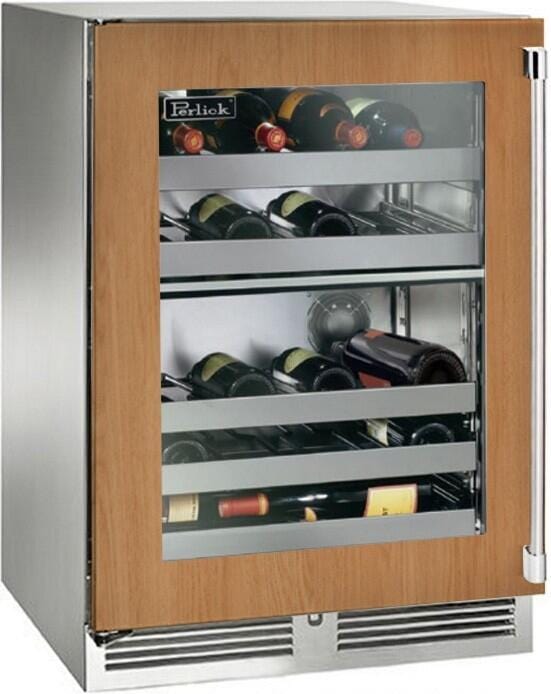
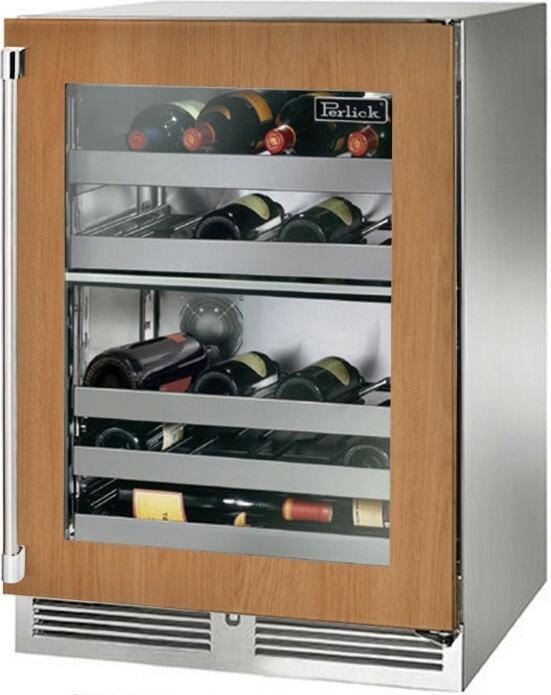
Undercounter wine coolers are compact units sized to fit beneath counters in kitchens, islands, and wet bars. They are especially useful when floor space is limited but easy bottle access is still important.
- Best for: kitchens, islands, wet bars, small-space luxury storage
- Key consideration: verify cutout width, depth, height, and ventilation type before ordering
Wine & Beverage Centers as an Alternative
If you need to store wine alongside soda, water, or canned drinks, consider our wine & beverage centers. These are a better fit when your priority is mixed-drink storage rather than wine-only organization.
Key Features and Specifications That Matter
Temperature Zones
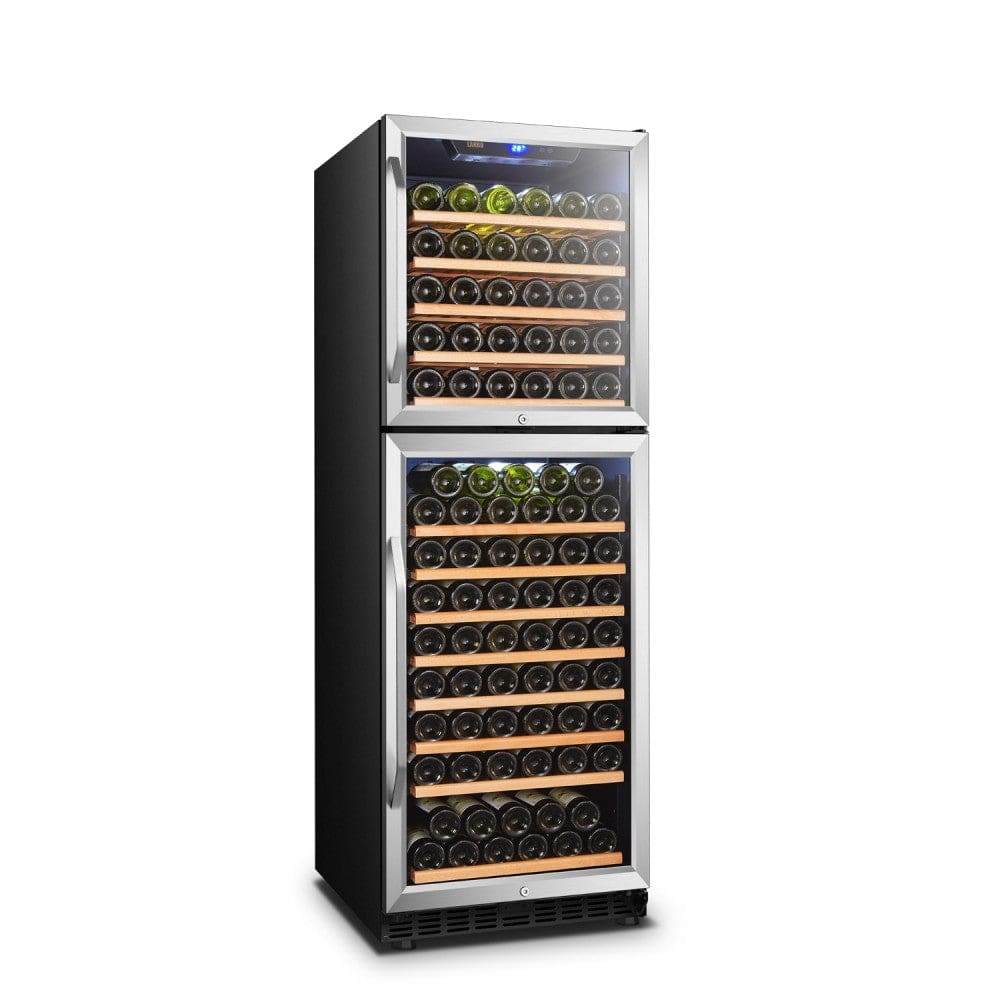
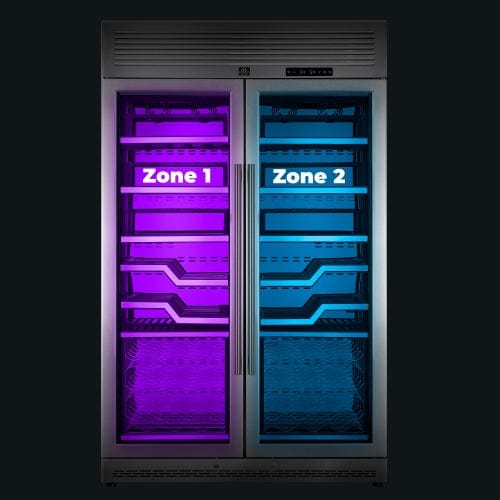
Indoor wine coolers are commonly available in single-zone wine coolers and dual-zone wine coolers configurations.
- Single-zone: one consistent temperature throughout the cabinet; best for storing one wine style or maintaining a uniform storage environment
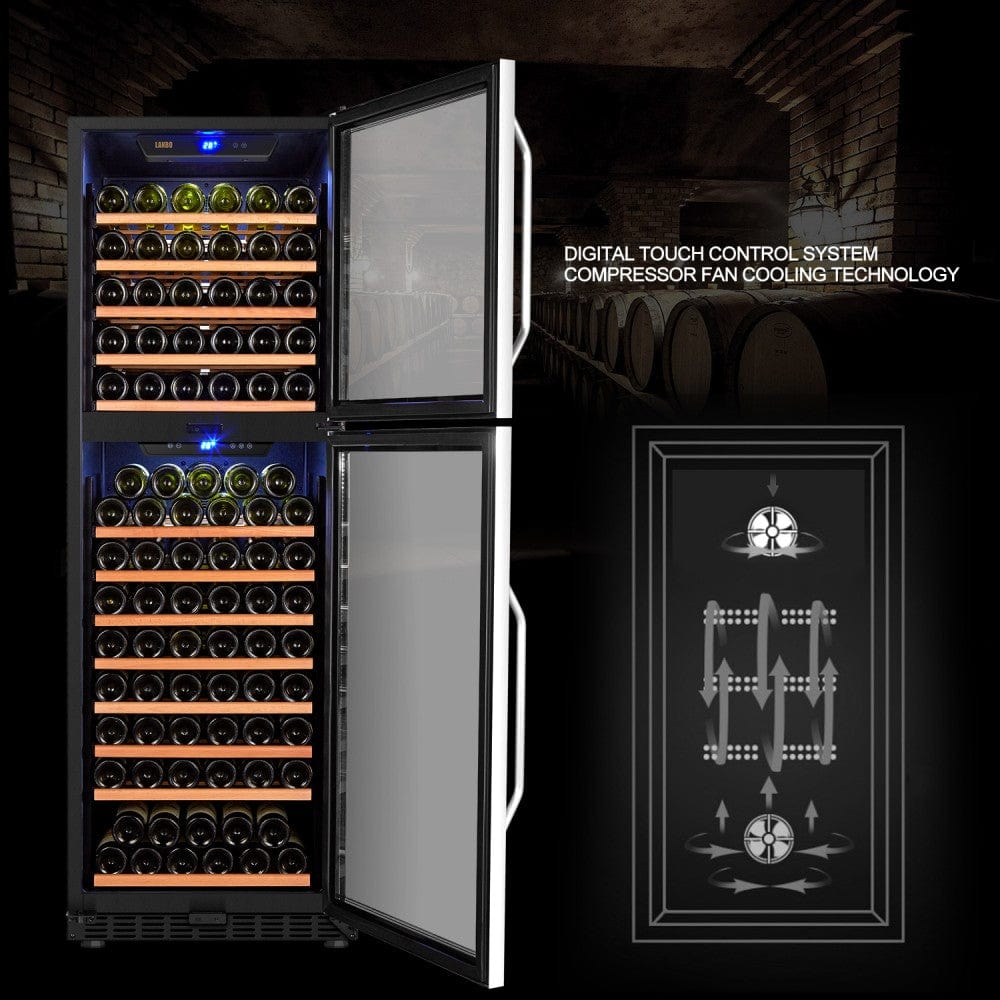
- Dual-zone: separate upper and lower temperature areas; best for households serving red and white wines at different temperatures
Bottle Capacity
- Small capacity: approximately 20–50 bottles; best for casual drinkers and compact kitchens
- Medium capacity: approximately 50–100 bottles; best for regular entertainers and growing collections
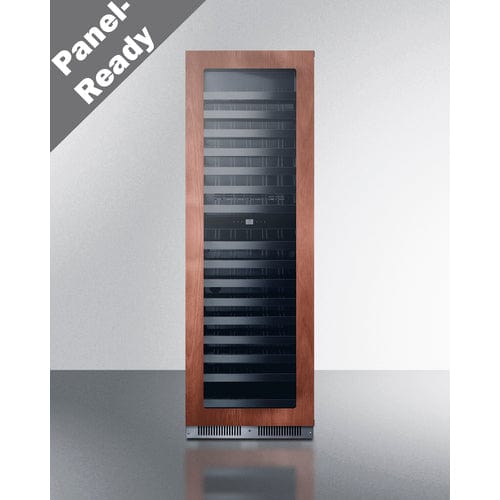
- Large capacity: 100+ bottles; best for serious collectors who still want appliance-style indoor storage
Ventilation Type
- Front-venting: required for most built-in and undercounter installations
- Rear ventilation: common in freestanding units and requires open clearance around the cabinet
Noise and Vibration
Because indoor wine coolers are often installed near living and entertaining spaces, low vibration and quiet operation matter. A unit that runs too loudly can feel intrusive in open kitchens, bars, or dining rooms.
Glass and UV Protection
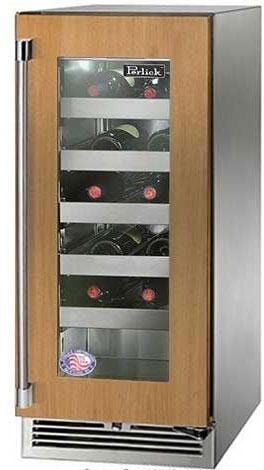
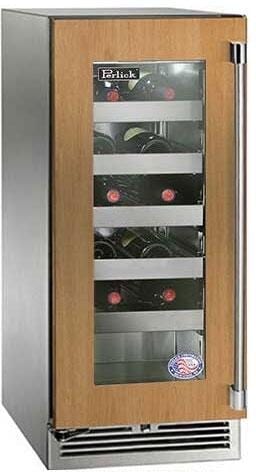
Many indoor wine coolers feature UV-resistant glass doors to help reduce light exposure. This is especially important when the unit is placed in visible areas with ambient lighting or indirect sunlight.
Humidity Stability
While indoor wine coolers are not cellar systems, they should still support a stable storage environment that helps protect cork integrity and maintain wine quality over time.
Installation Requirements
Before purchasing an indoor wine cooler, confirm the installation conditions so the unit performs correctly and lasts longer. Indoor wine coolers are not plug-and-ignore appliances if the space is poorly planned.
- Ventilation clearance: match the airflow requirements to the unit type, especially for built-in wine coolers and undercounter wine coolers
- Electrical access: verify outlet placement, voltage compatibility, and safe appliance access
- Cabinet dimensions: confirm cutout width, height, and depth before ordering built-in models
- Room conditions: avoid placing units next to ovens, dishwashers, direct sunlight, or unstable heat sources
Failure to meet installation requirements will lead to poor cooling performance, overheating, and a shorter product lifespan.
How to Choose the Right Indoor Wine Cooler
Choose by Installation Type
If you are integrating the unit into cabinetry, start with built-in wine coolers or undercounter wine coolers. If you need flexible placement and have open-air clearance, compare freestanding wine coolers.
Choose by Storage Style
If you want one steady environment for all bottles, look at single-zone wine coolers. If you regularly serve different wine types, compare dual-zone wine coolers.
Choose by Use Case
If you only need indoor household storage, stay within this category. If the unit will be exposed to outdoor conditions, move to outdoor wine coolers. If your goal is true aging performance for a dedicated wine room, move to wine cellar cooling units.
Sizing Your Indoor Wine Cooler
The right size depends on both your current collection and how you plan to use the unit over time. Many buyers underestimate future storage needs, especially when the cooler also becomes a serving hub for entertaining.
- Small capacity: best for occasional wine drinkers, apartments, condos, and secondary kitchen storage
- Medium capacity: best for households that entertain regularly and want more flexibility
- Large capacity: best for serious enthusiasts who want substantial indoor bottle storage without building a dedicated cellar
If your project is centered on long-term preservation rather than appliance-based convenience, upgrade to a wine cellar cooling system. If your household stores wine alongside other drinks, compare with wine & beverage centers before choosing a wine-only unit.


📚 Frequently Asked Questions (FAQs)
No. Indoor wine coolers will fail in non-climate-controlled environments. Use outdoor wine coolers for exposed installations.
Choose a built-in wine cooler only for cabinet installation. Choose a freestanding wine cooler if the unit will sit in an open area with airflow clearance.
No. Indoor wine coolers are designed for short- to mid-term storage, not cellar-grade aging. Use wine cellar cooling units for true long-term preservation.
The unit will overheat and lose performance. Always follow the manufacturer’s ventilation and spacing requirements.
Choose single-zone wine coolers for one consistent storage temperature. Choose dual-zone wine coolers only if you need separate serving temperatures.
Upgrade when storing wine long-term or building a sealed wine room. Standard indoor wine coolers cannot maintain full cellar conditions.