Save 26%
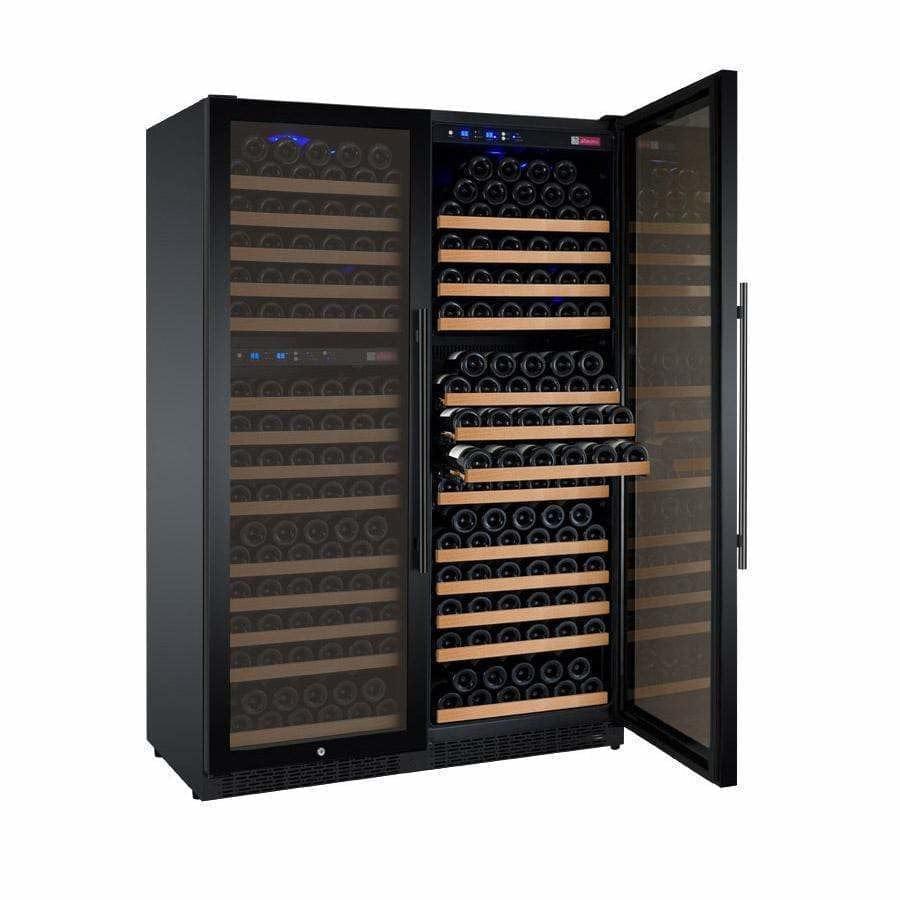
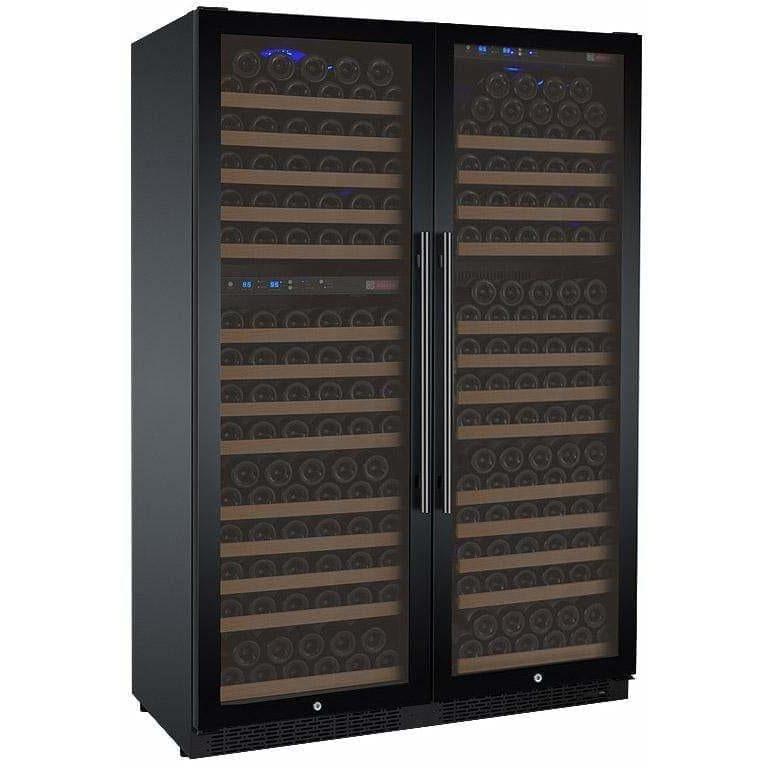
Sale price$4,408.30
Regular price$5,957.16
Allavino FlexCount 349 Bottle Multi-Zone Black Wine Fridge 3Z-VSWR7772-BWTAllavino
Save 26%
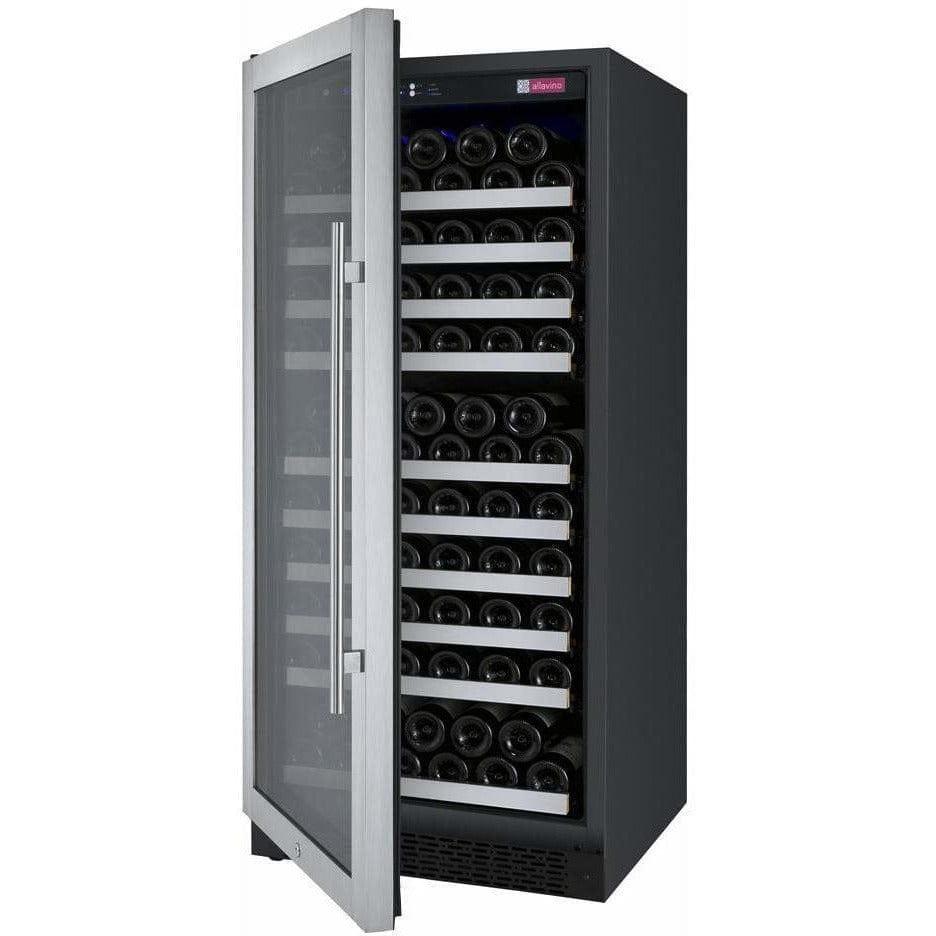
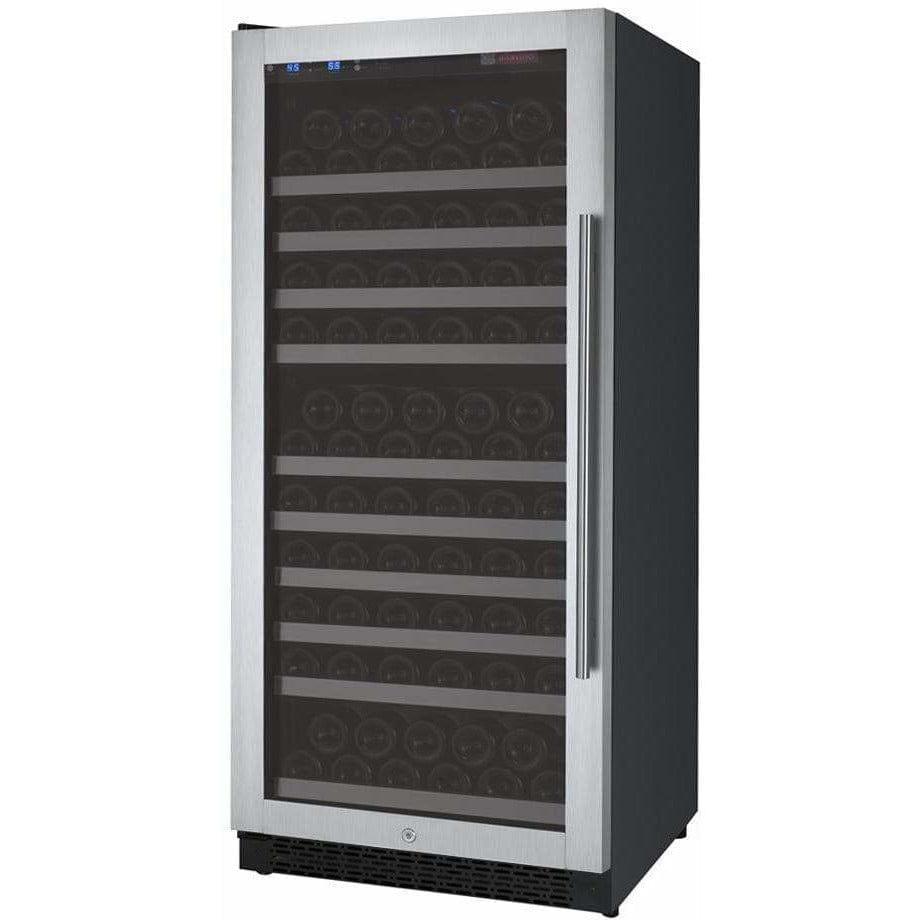
Sale price$1,895.00
Regular price$2,560.81
Allavino FlexCount 128 Bottle Single Zone Left Hinge Wine Fridge VSWR128-1SSLNAllavino
Save 26%
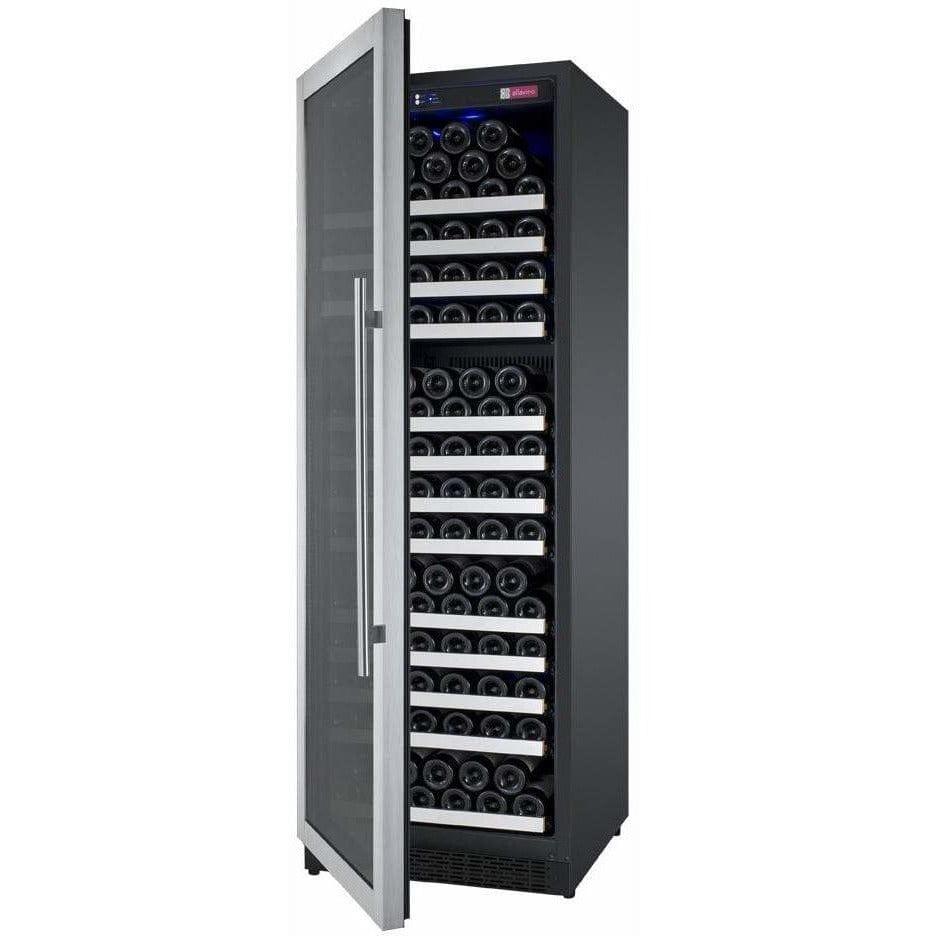
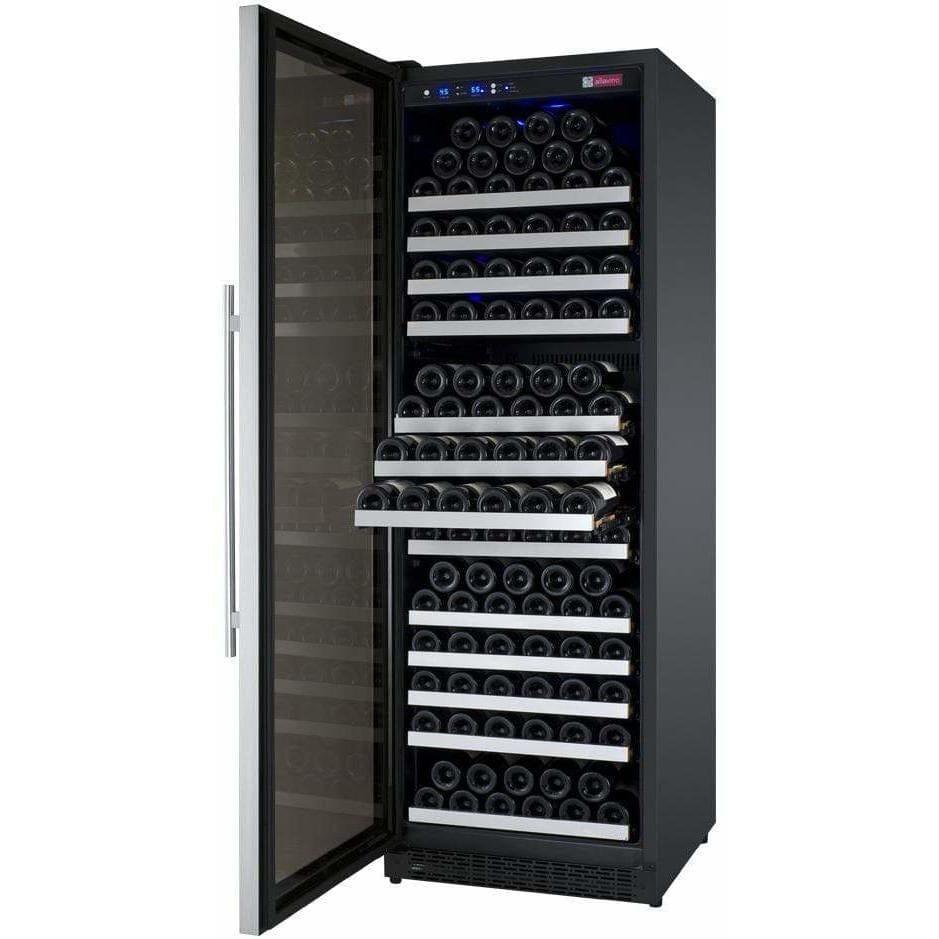
Sale price$2,314.98
Regular price$3,128.35
Allavino FlexCount 177 Bottle Single Zone Left Hinge Wine Fridge VSWR177-1SSLNAllavino
Save 26%
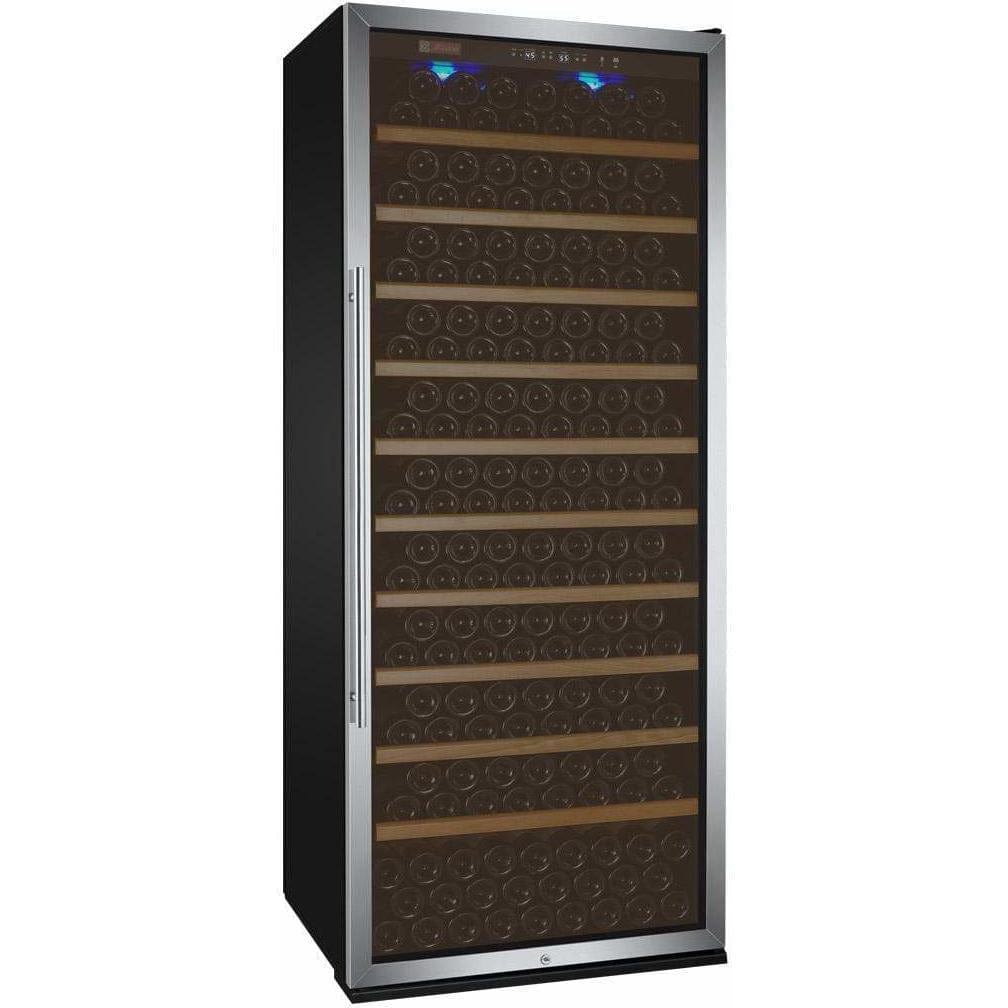
Sale price$3,223.00
Regular price$4,355.41
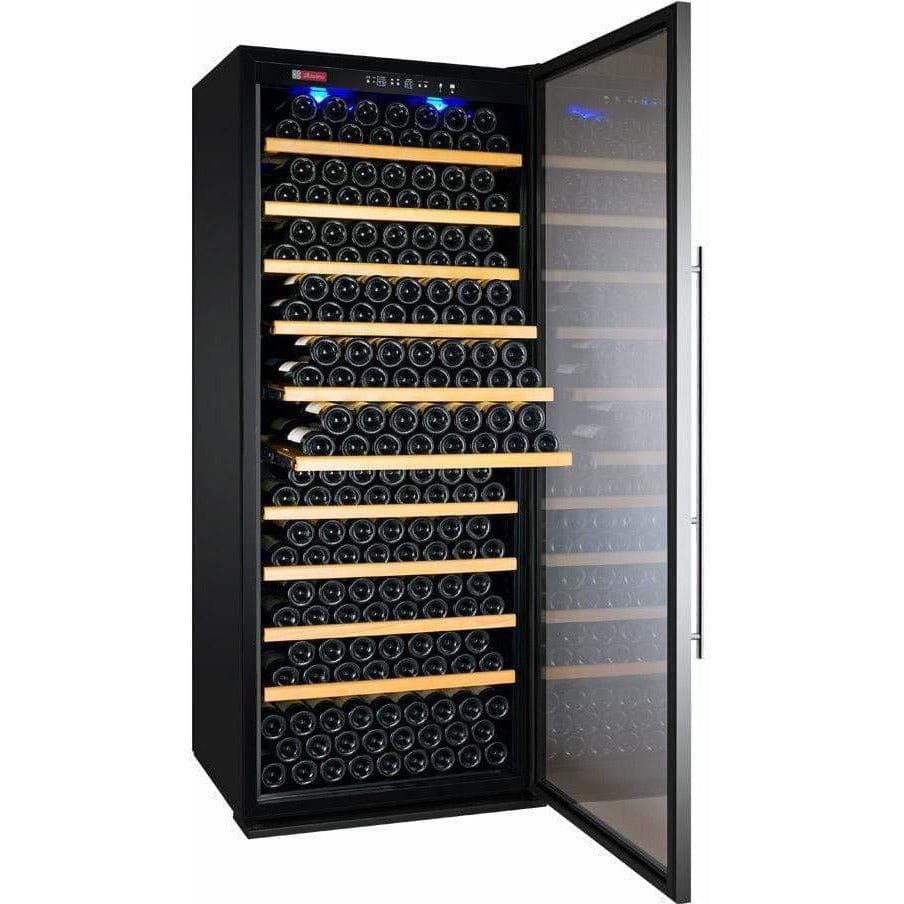
Allavino Vite 305 Bottle Right Hinge Wine Fridge YHWR305-1SRTAllavino
Save 26%
Sale price$2,624.76
Regular price$3,546.97
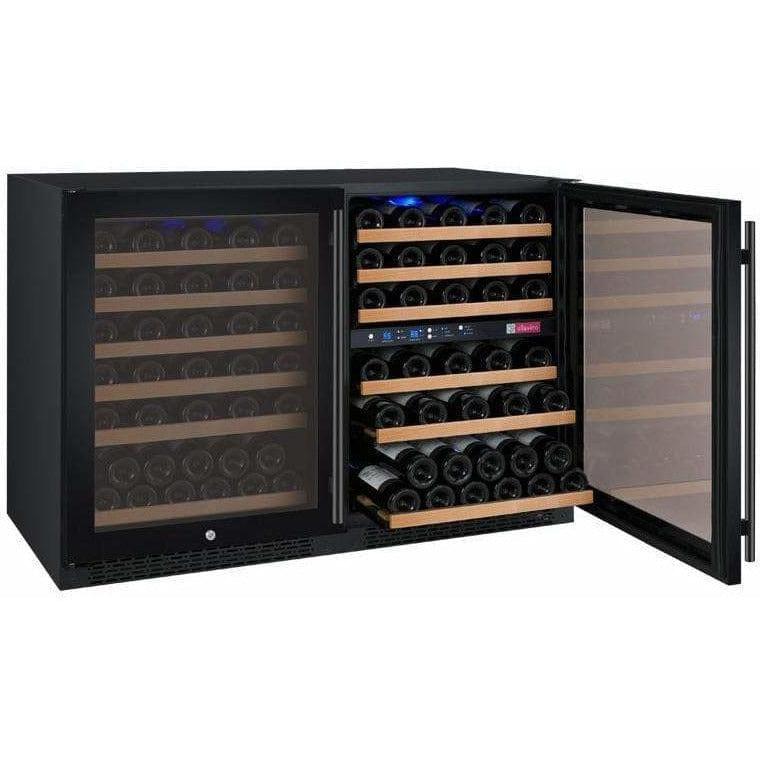
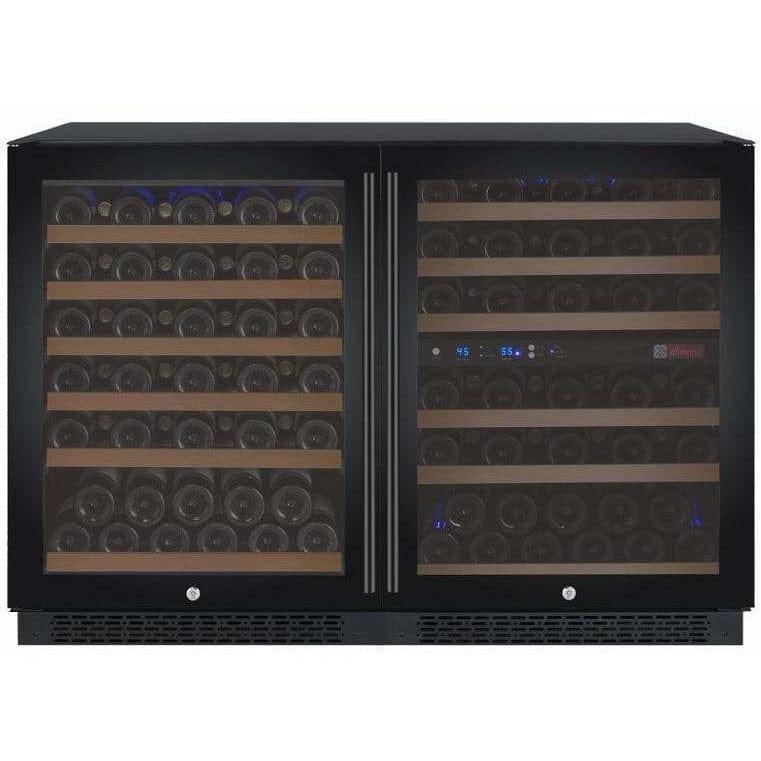
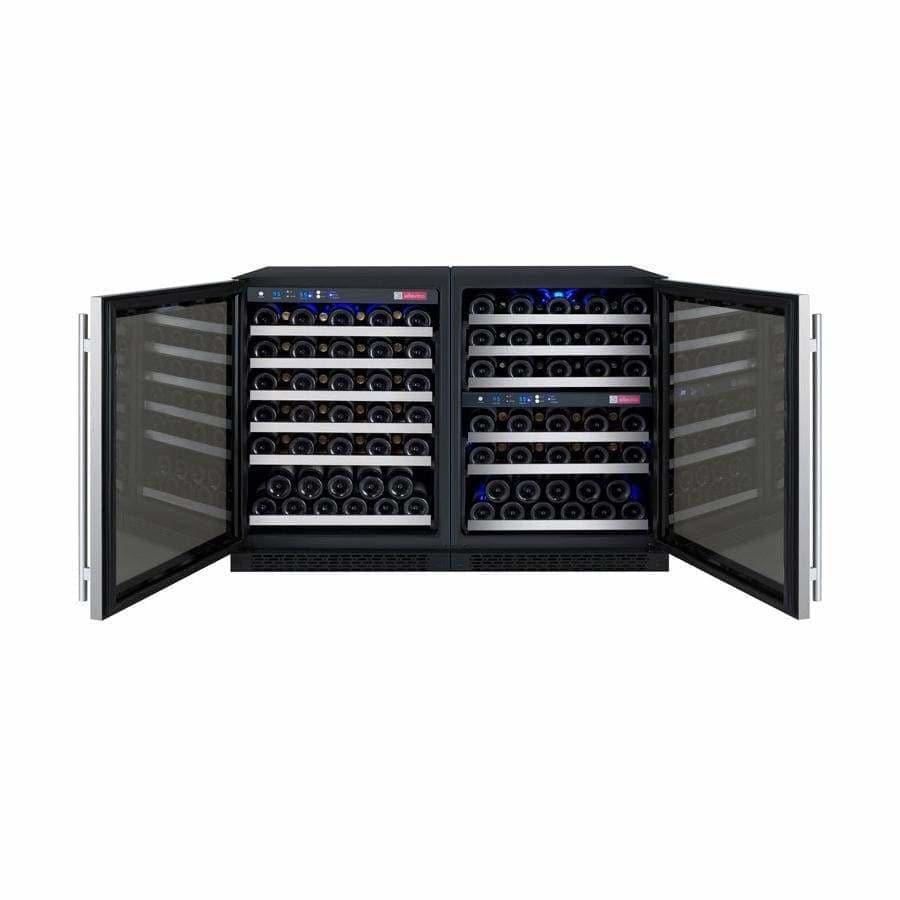
Allavino FlexCount 112 Bottle Three Zone Black Wine Fridge 3Z-VSWR5656-BWTAllavino
Save 26%
Sale price$2,587.32
Regular price$3,496.38
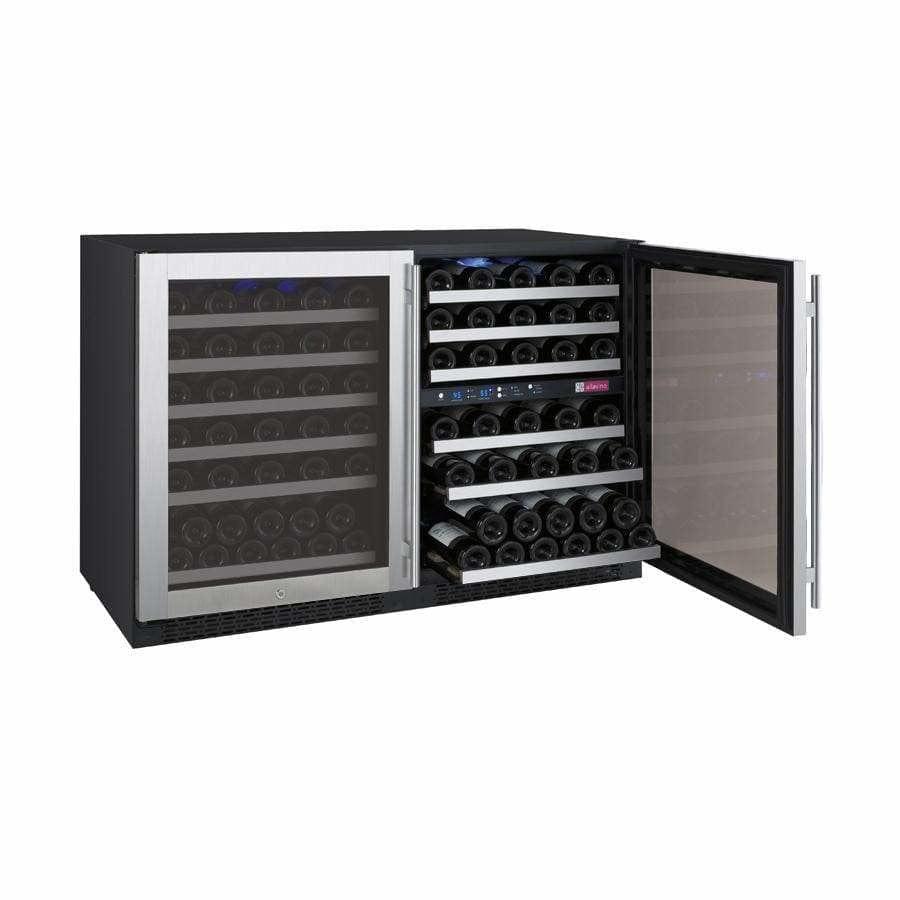
Allavino FlexCount 112 Bottle Three-Zone Wine Fridge 3Z-VSWR5656-SSTAllavino
Save 26%
Sale price$4,301.48
Regular price$5,812.81
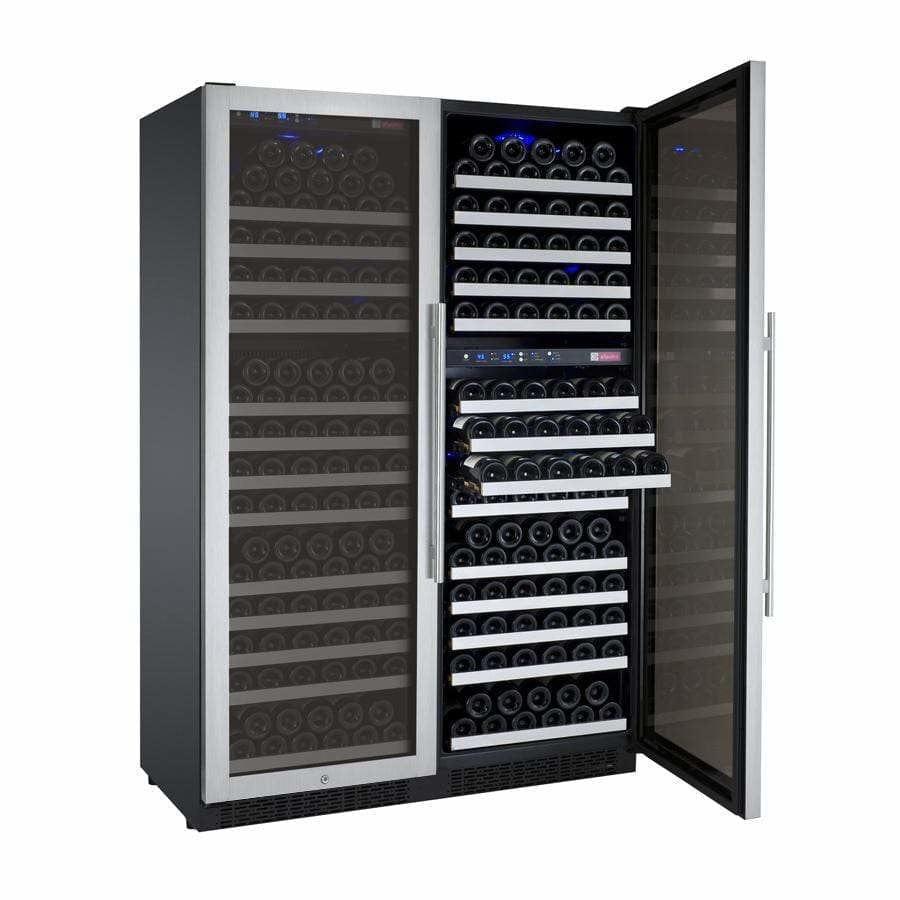
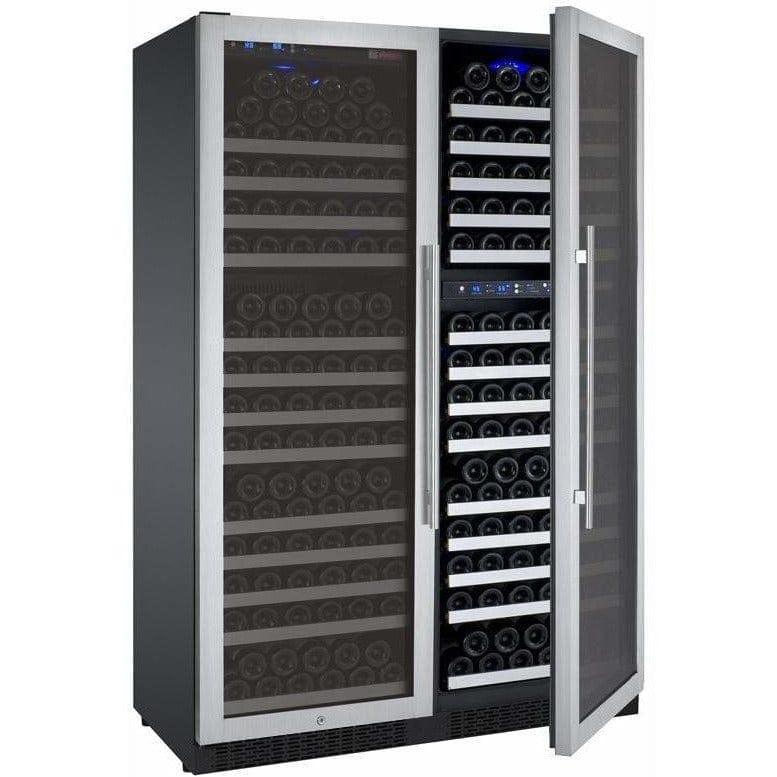
Allavino FlexCount 349 Bottle Three-Zone Wine Fridge 3Z-VSWR7772-SSTAllavino
Save 26%
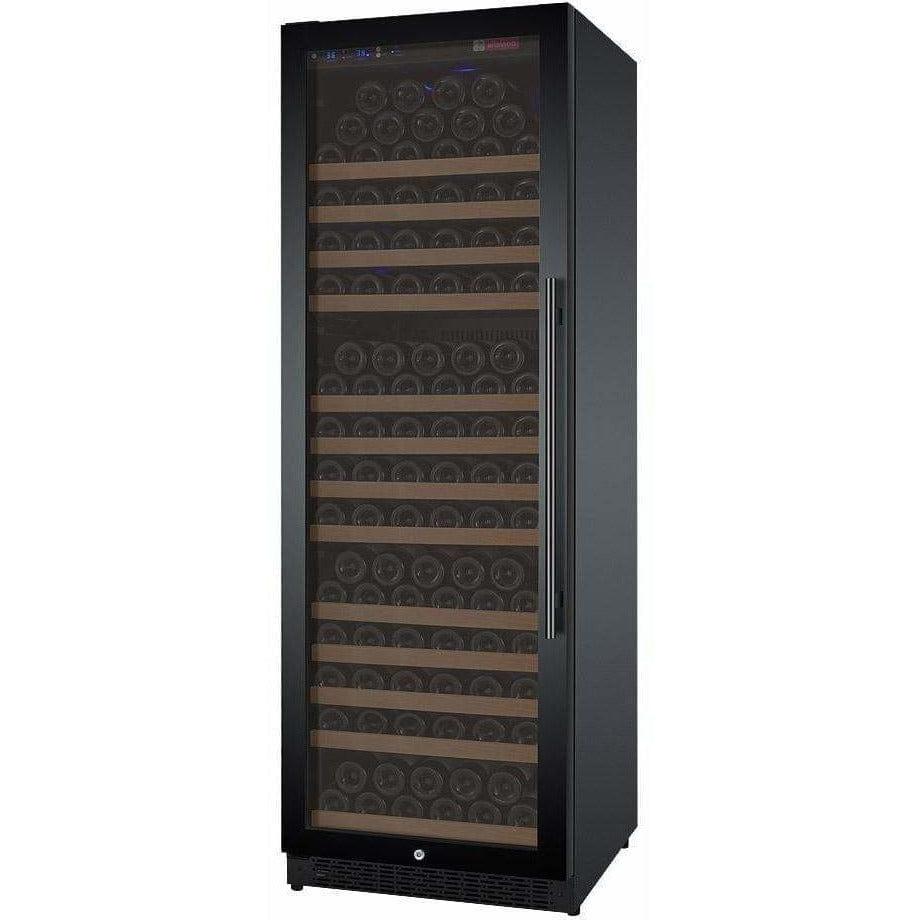
Sale price$2,324.62
Regular price$3,141.38
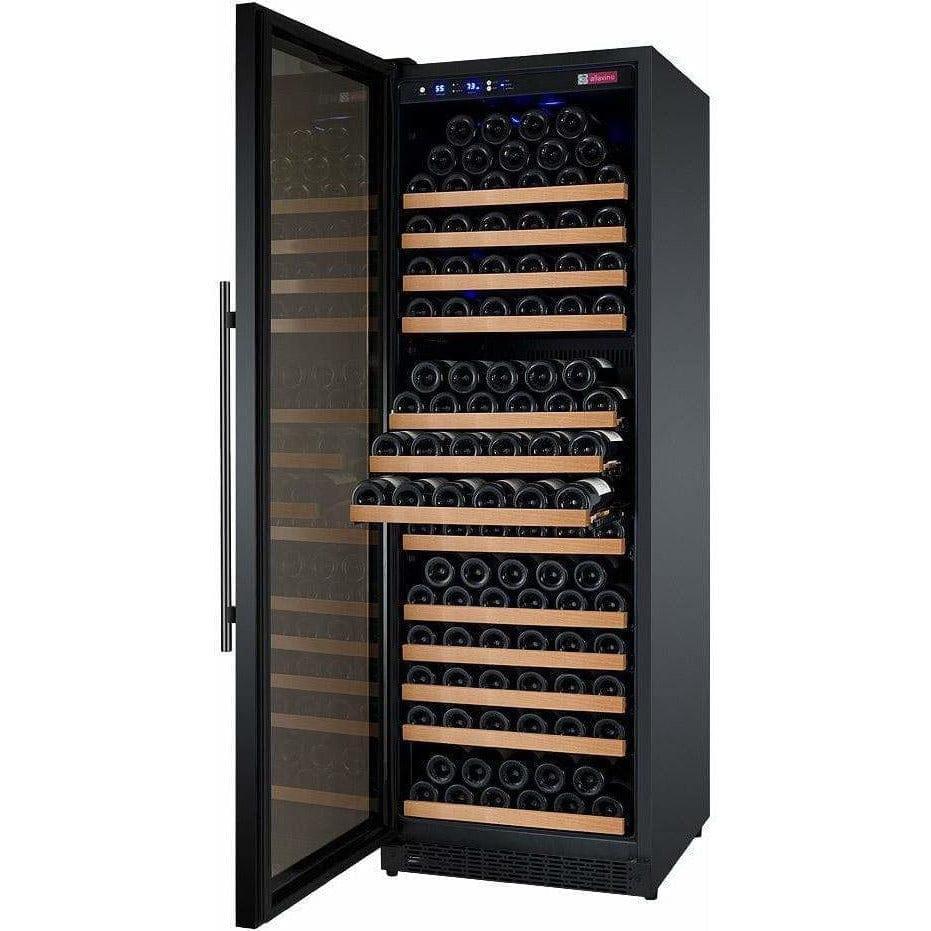
Allavino FlexCount 177 Bottle Black Door Left Hinge Wine Fridge VSWR177-1BWLNAllavino
Save 26%
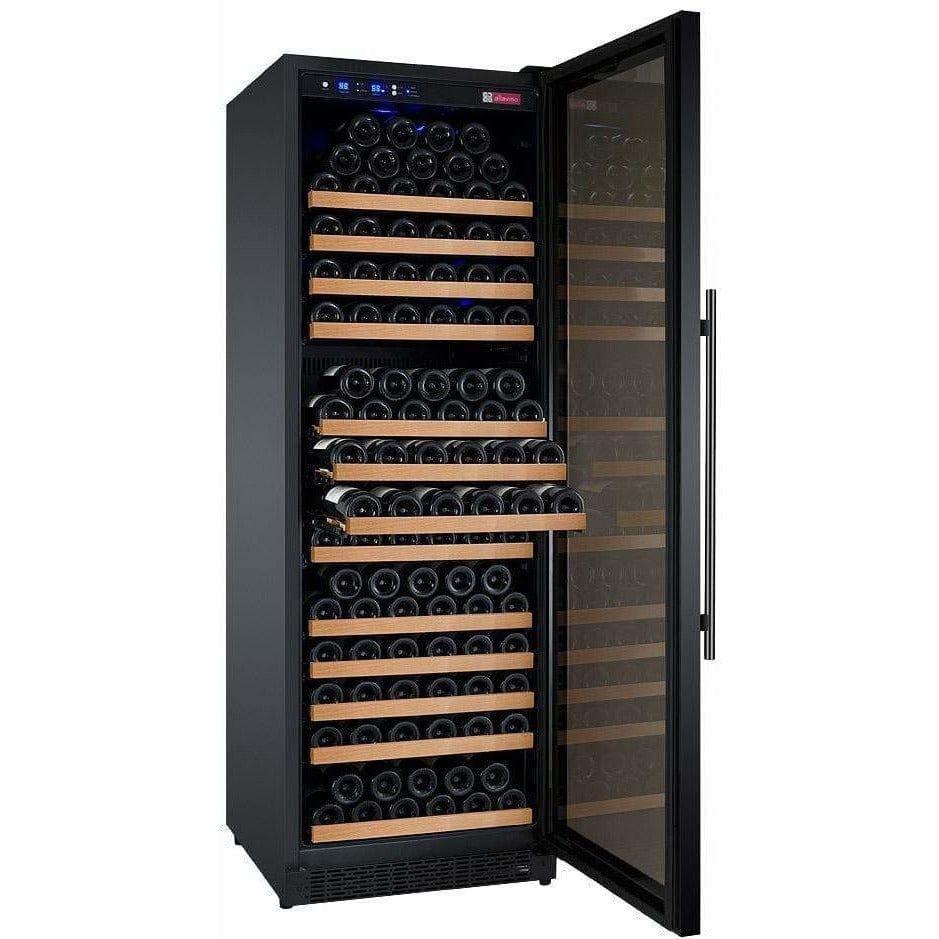
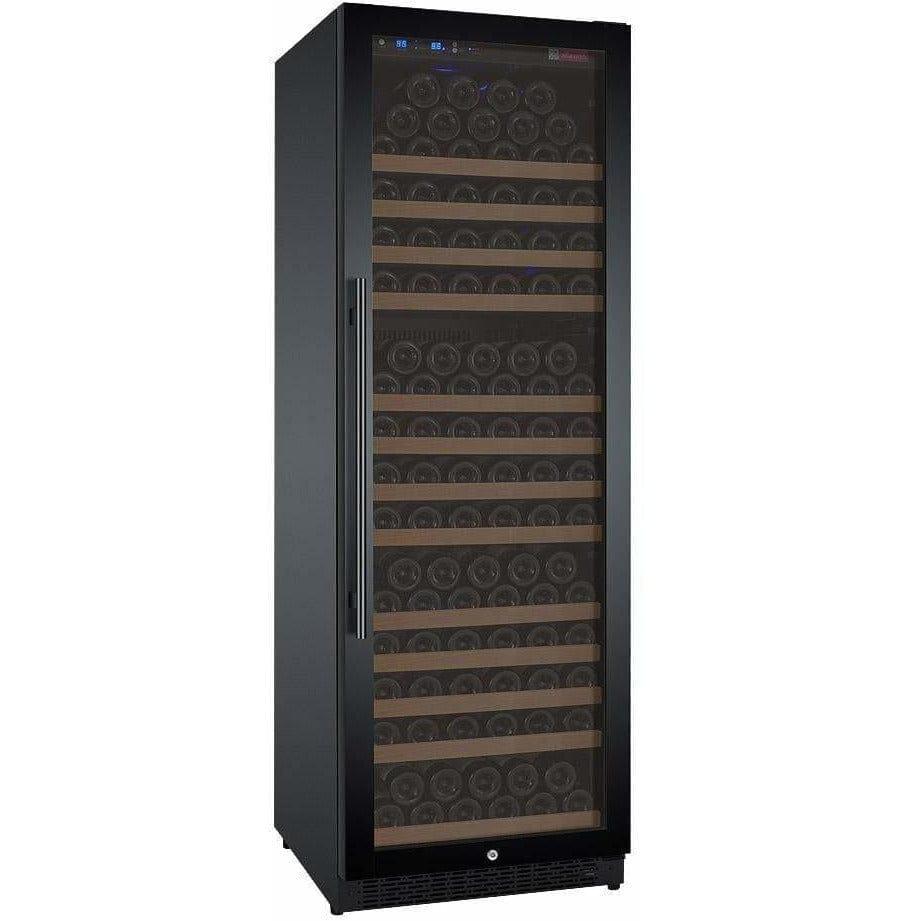
Sale price$2,509.00
Regular price$3,390.54
Allavino FlexCount 177 Bottle Black Door Right Hinge Wine Fridge VSWR177-1BWRNAllavino
Save 26%
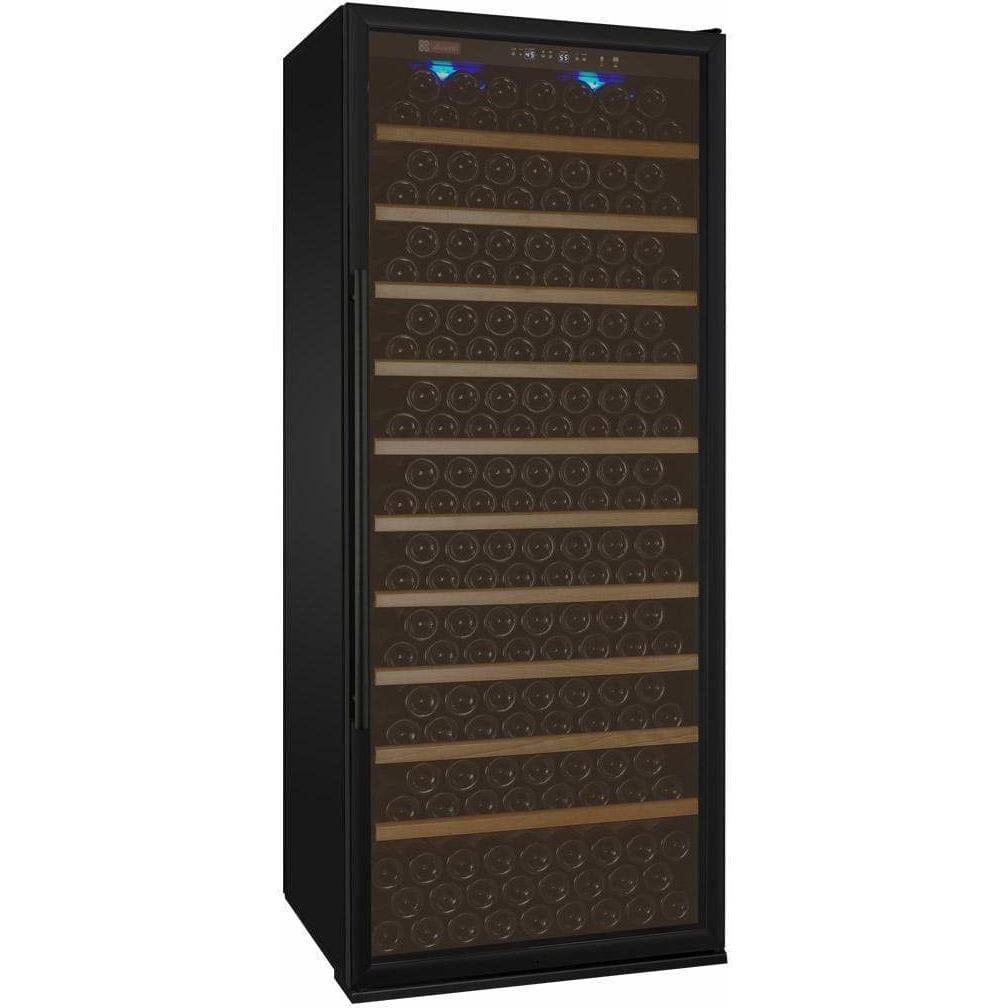
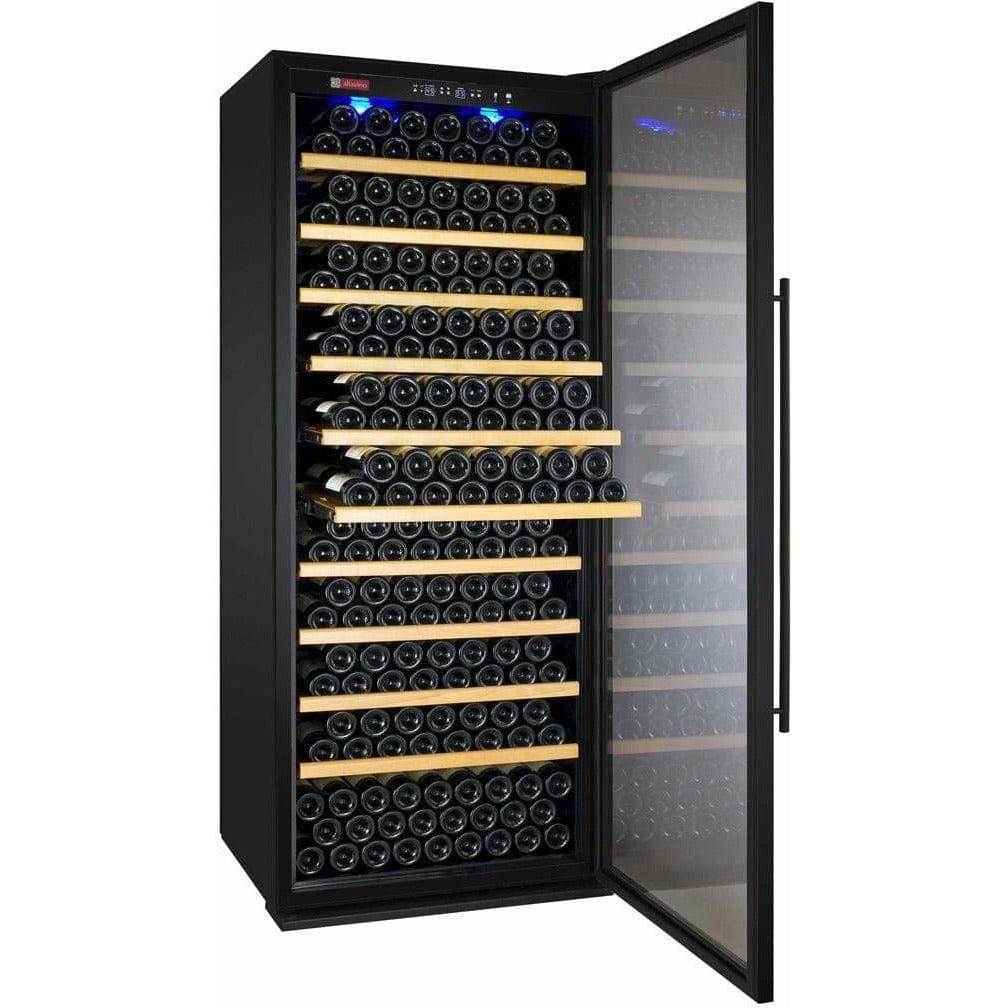
Sale price$3,057.28
Regular price$4,131.46
Allavino Vite 305 Bottle Black Door Right Hinge Wine Fridge YHWR305-1BRTAllavino
Save 26%
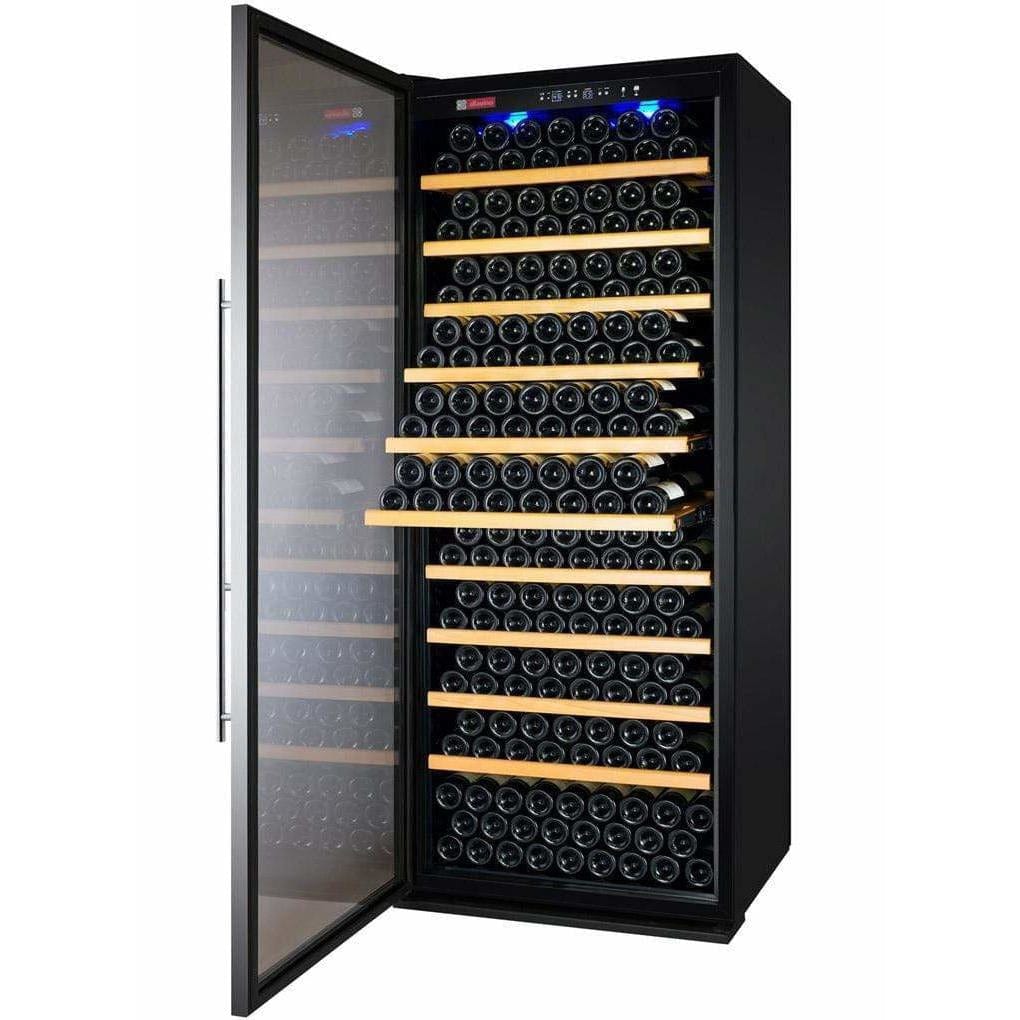
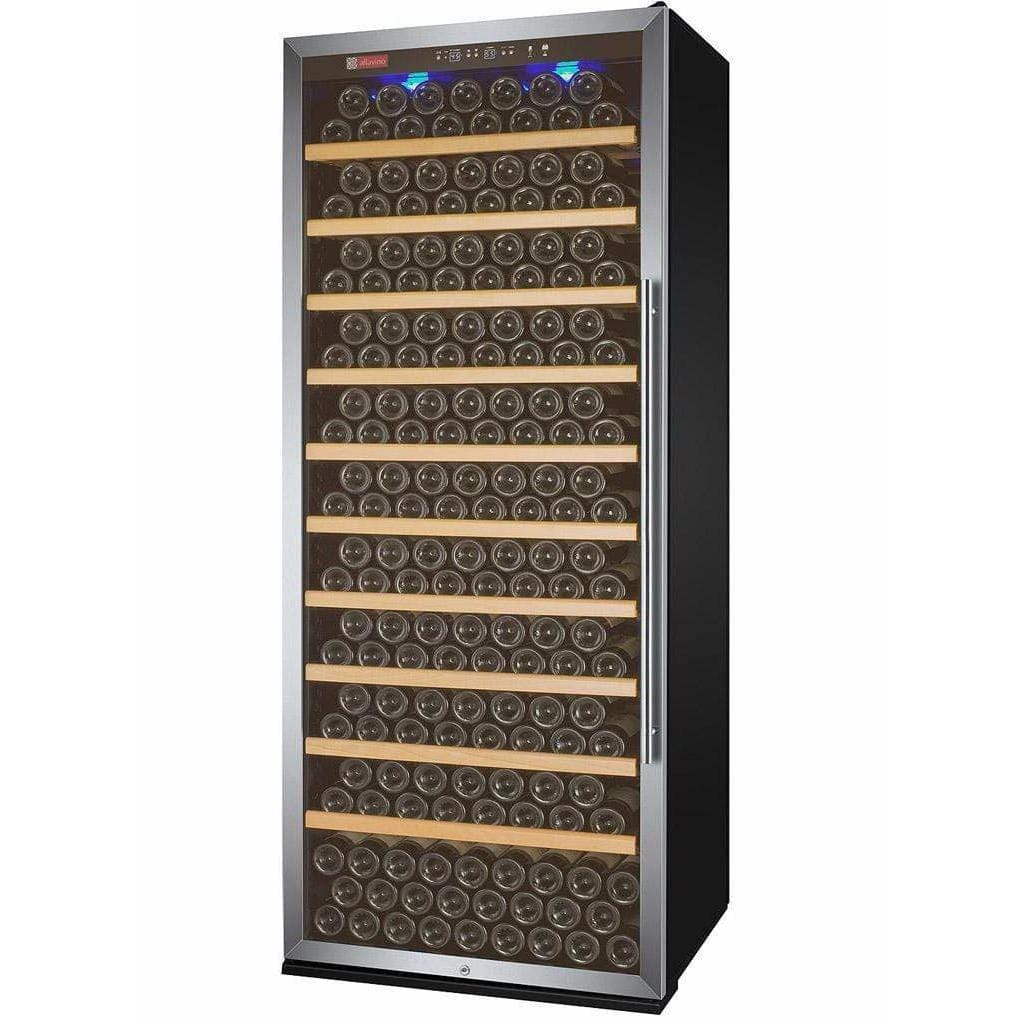
Sale price$3,223.72
Regular price$4,356.38
Allavino Vite 305 Bottle Stainless Steel Door Left Hinge Wine Fridge YHWR305-1SLTAllavino
Save 26%
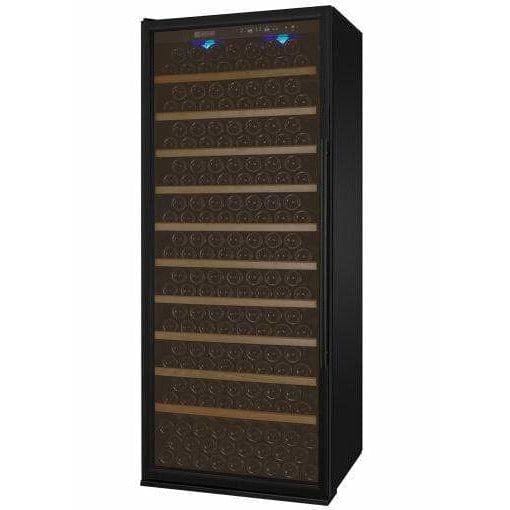
Sale price$3,299.00
Regular price$4,458.11
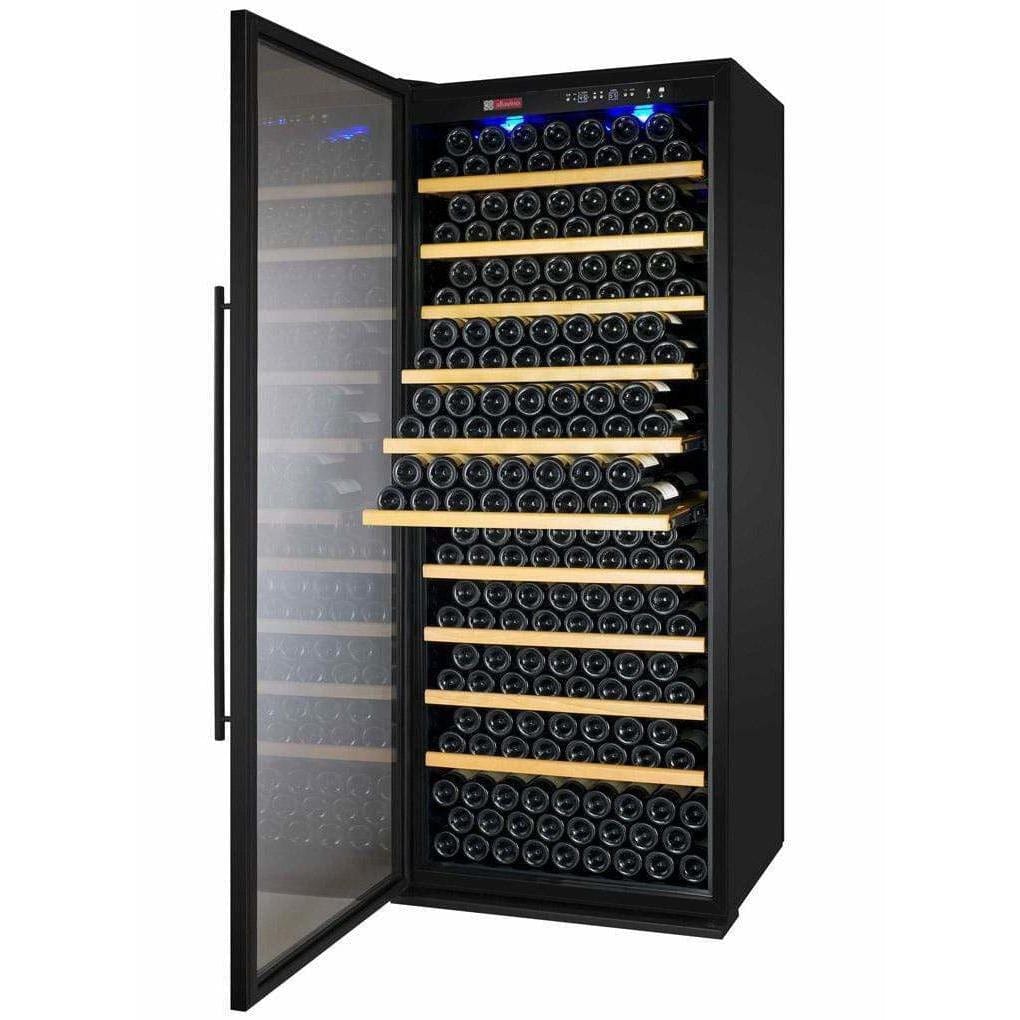
Allavino Vite 305 Bottle Black Door Left Hinge Wine Fridge YHWR305-1BLTAllavino
Save 26%
Sale price$2,510.00
Regular price$3,391.89
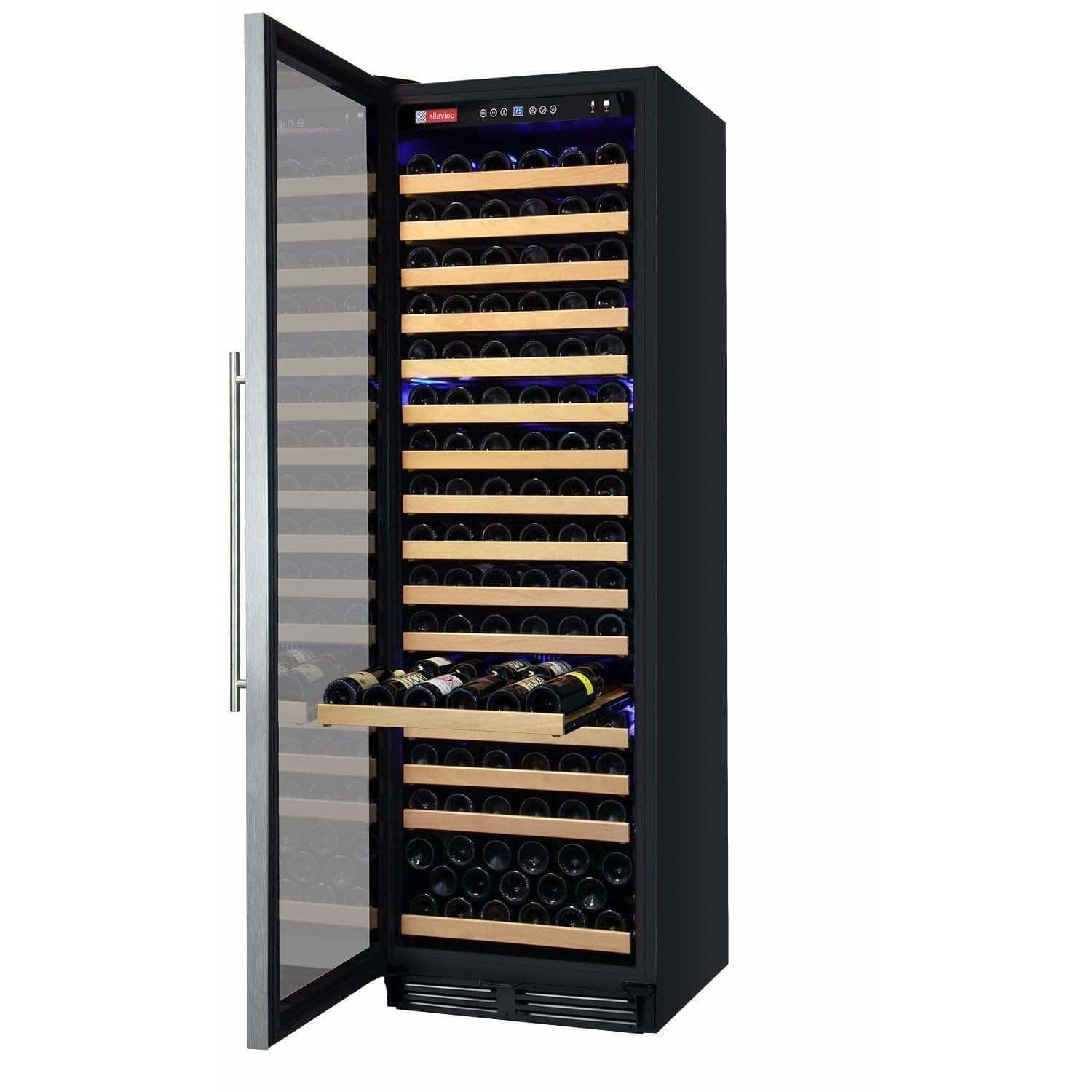
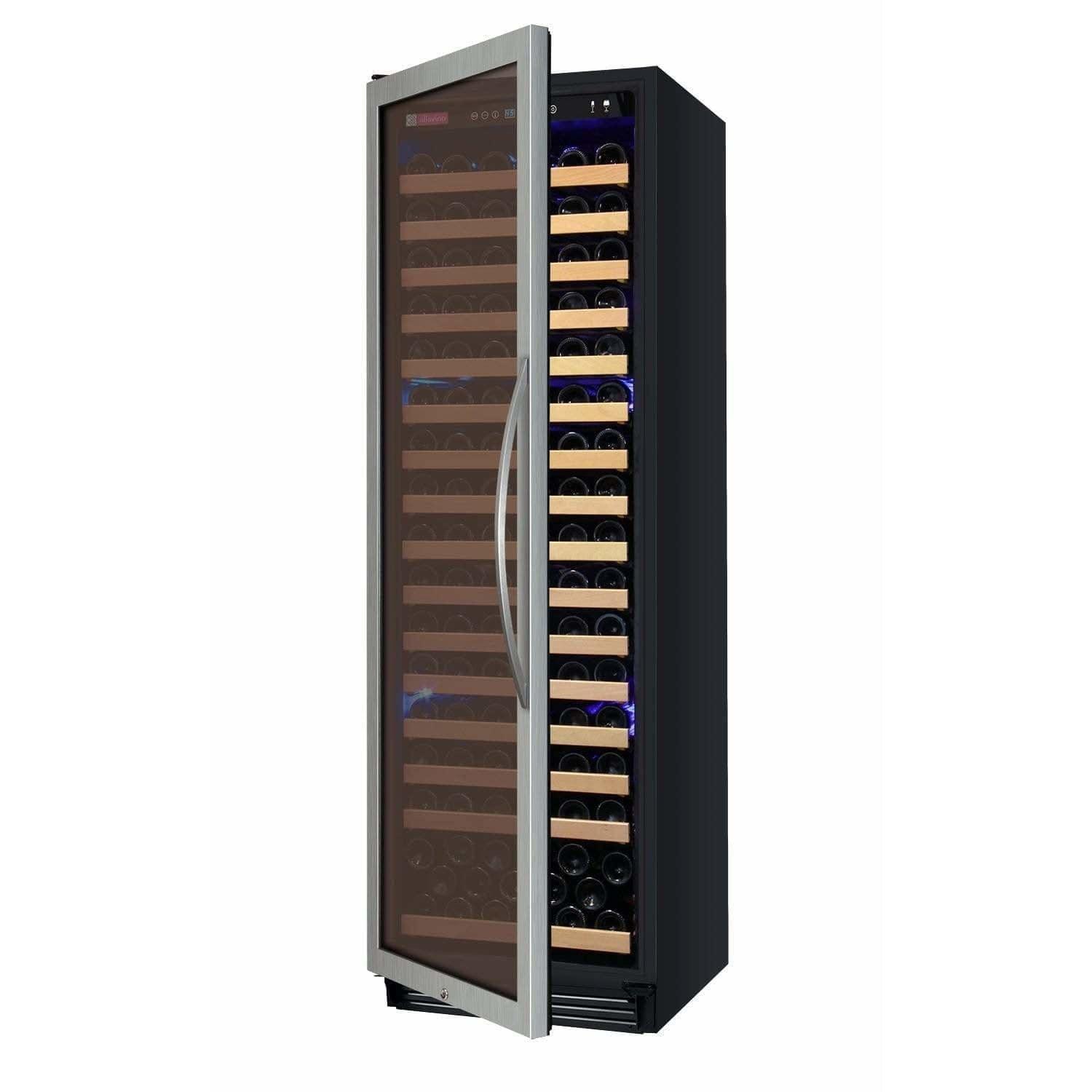
Allavino FlexCount 174 Bottle Single Zone Left Hinge Wine Fridge YHWR174-1SWLNAllavino
Save 26%
Sale price$4,318.00
Regular price$5,835.14
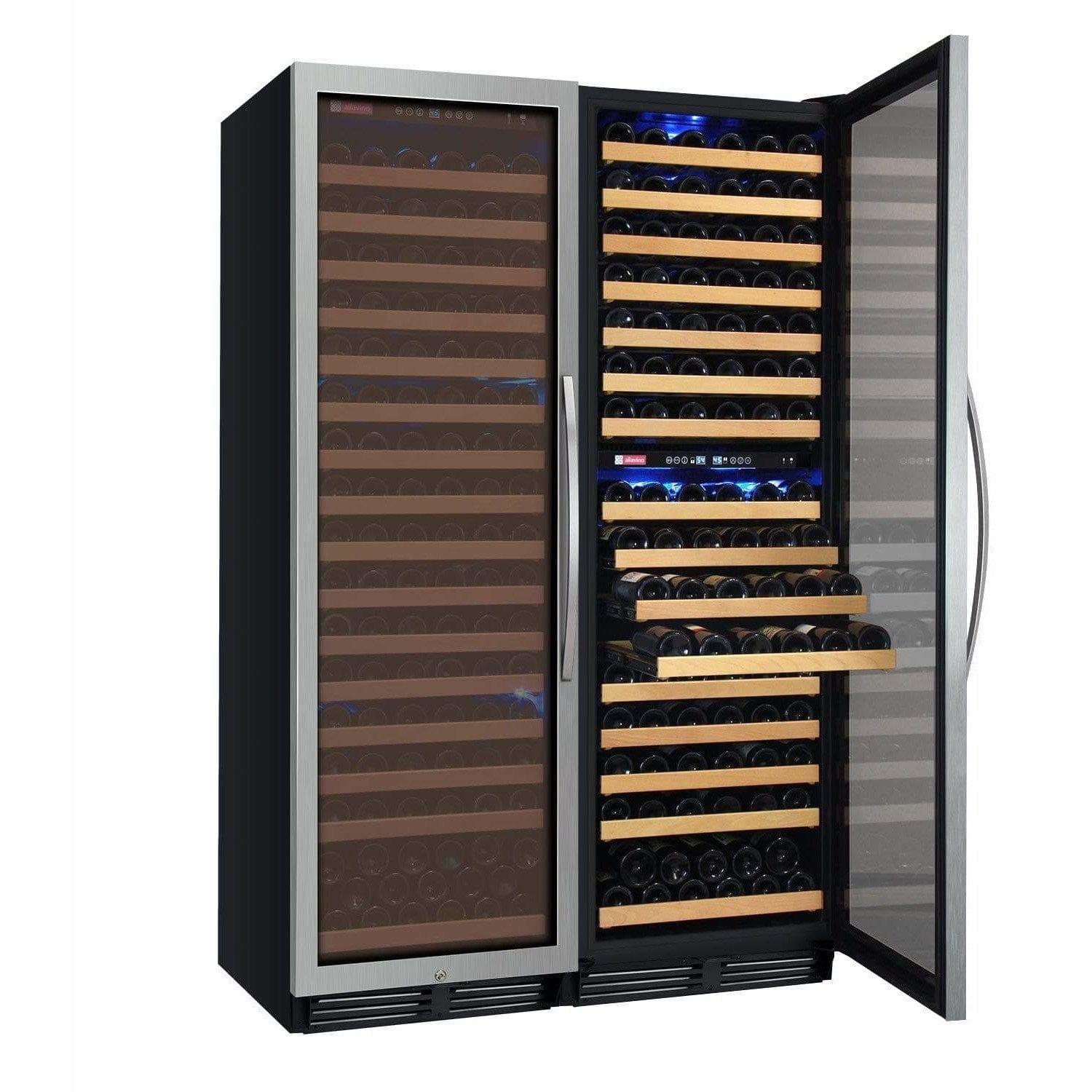
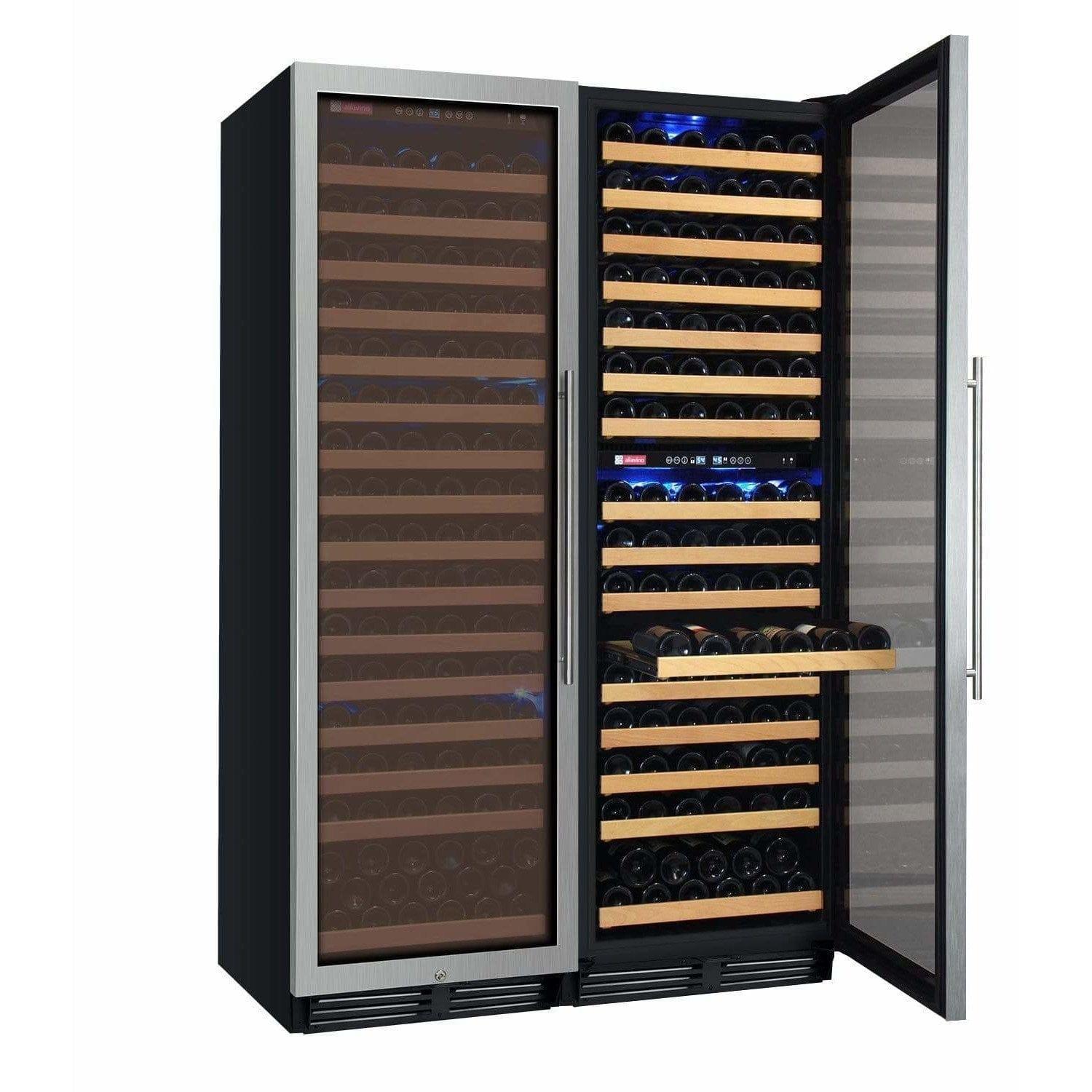
Allavino FlexCount Classic 346 Bottle Three Zone Wine Fridge 3Z-YHWR7274-SWAllavino
Save 26%
Sale price$3,445.20
Regular price$4,655.68
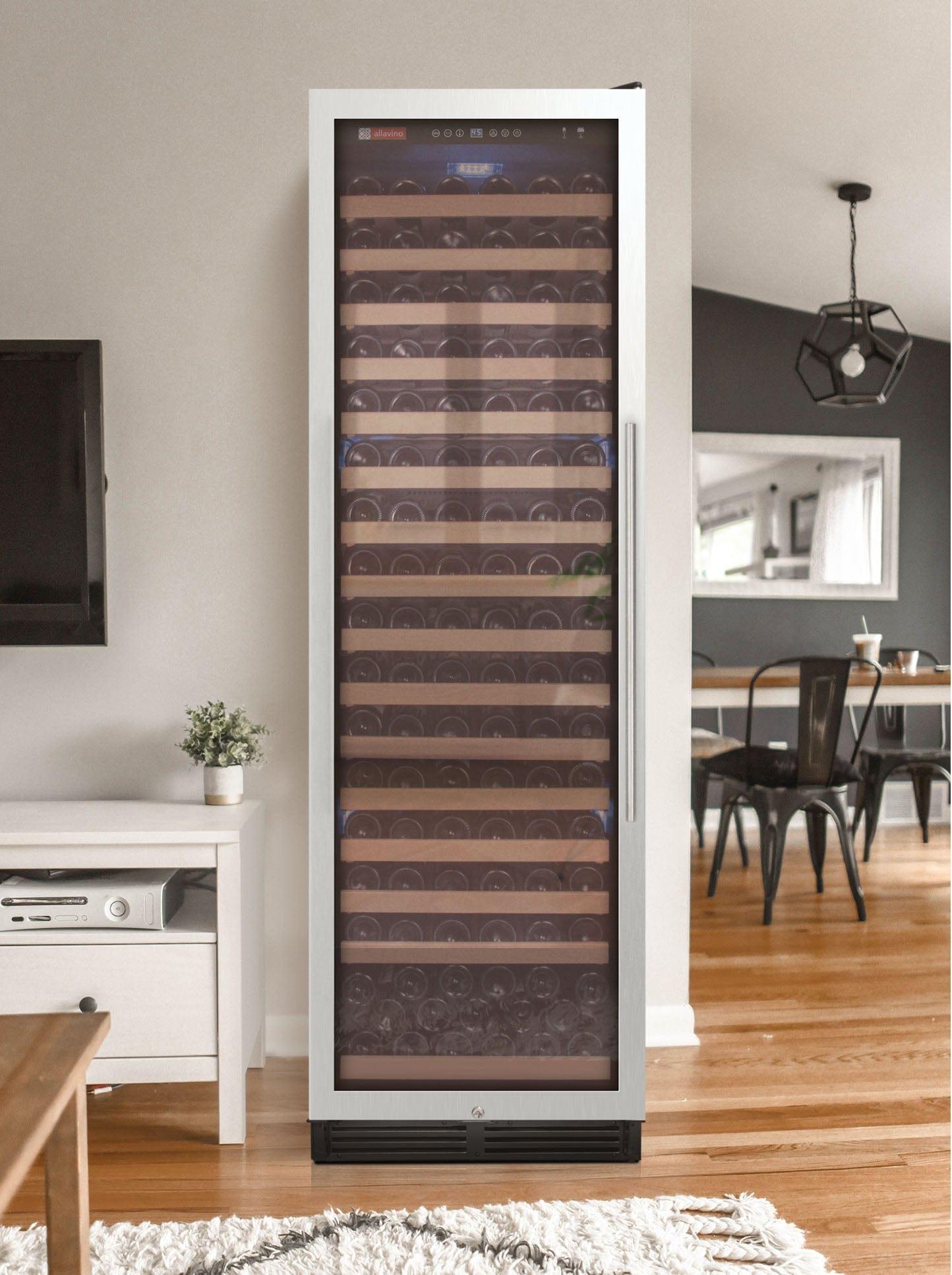
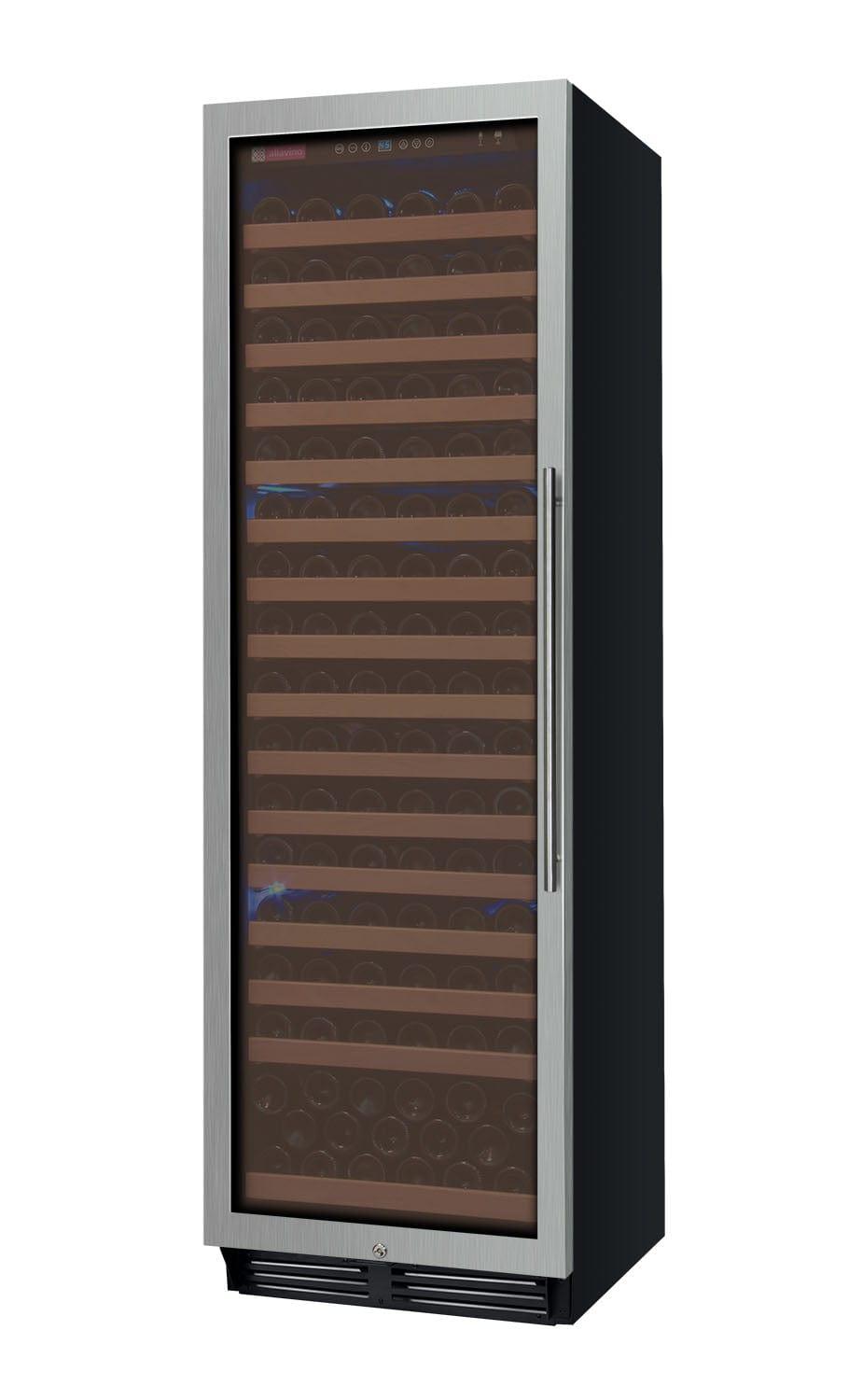
Allavino FlexCount Classic II Tru-Vino 174 Bottle Single Zone Stainless Steel Left Hinge Wine Fridge YHWR174-1SL20Allavino
Save 26%
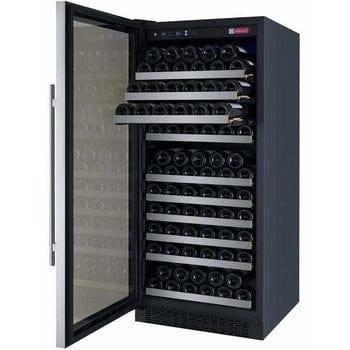
Sale price$2,258.10
Regular price$3,051.49
Allavino FlexCount II Tru-Vino 128 Bottle Single Zone Stainless Steel Left Hinge Wine Fridge VSWR128-1SL20Allavino
Save 26%
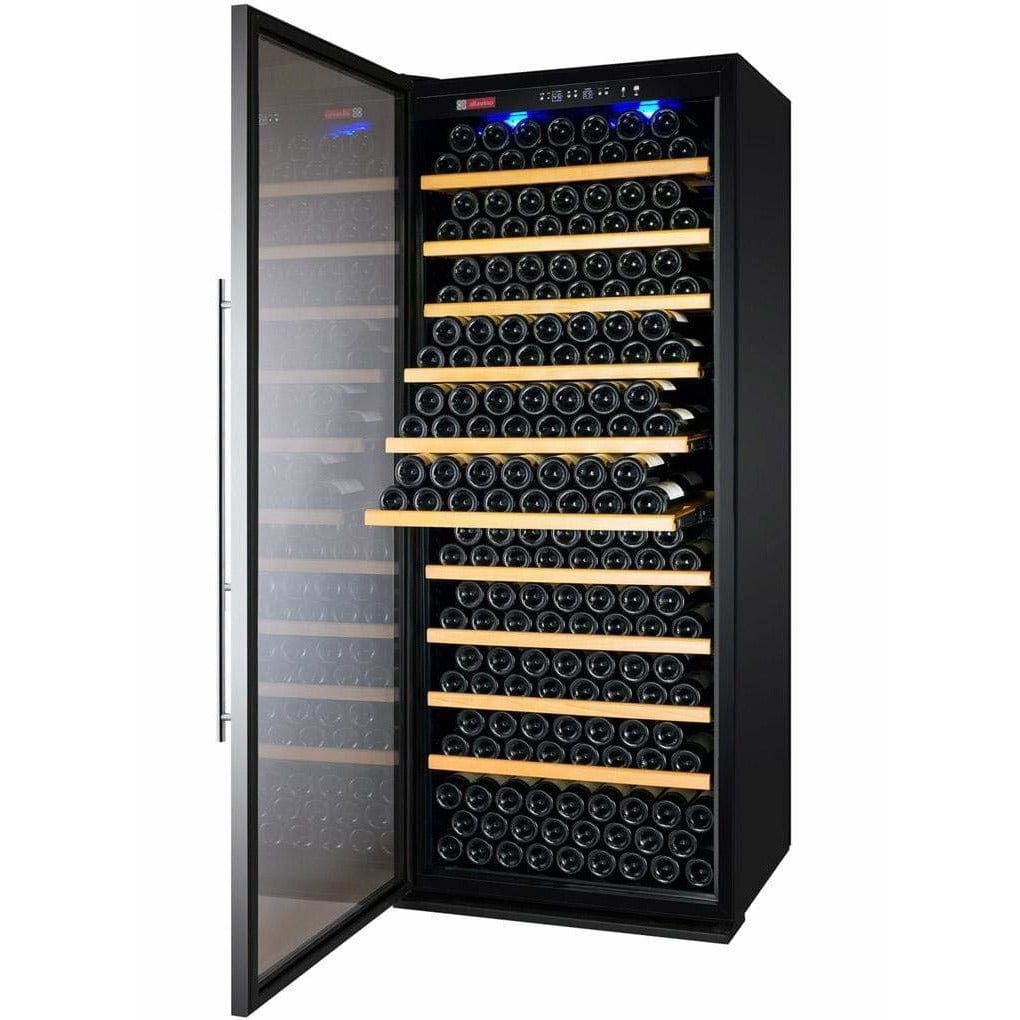
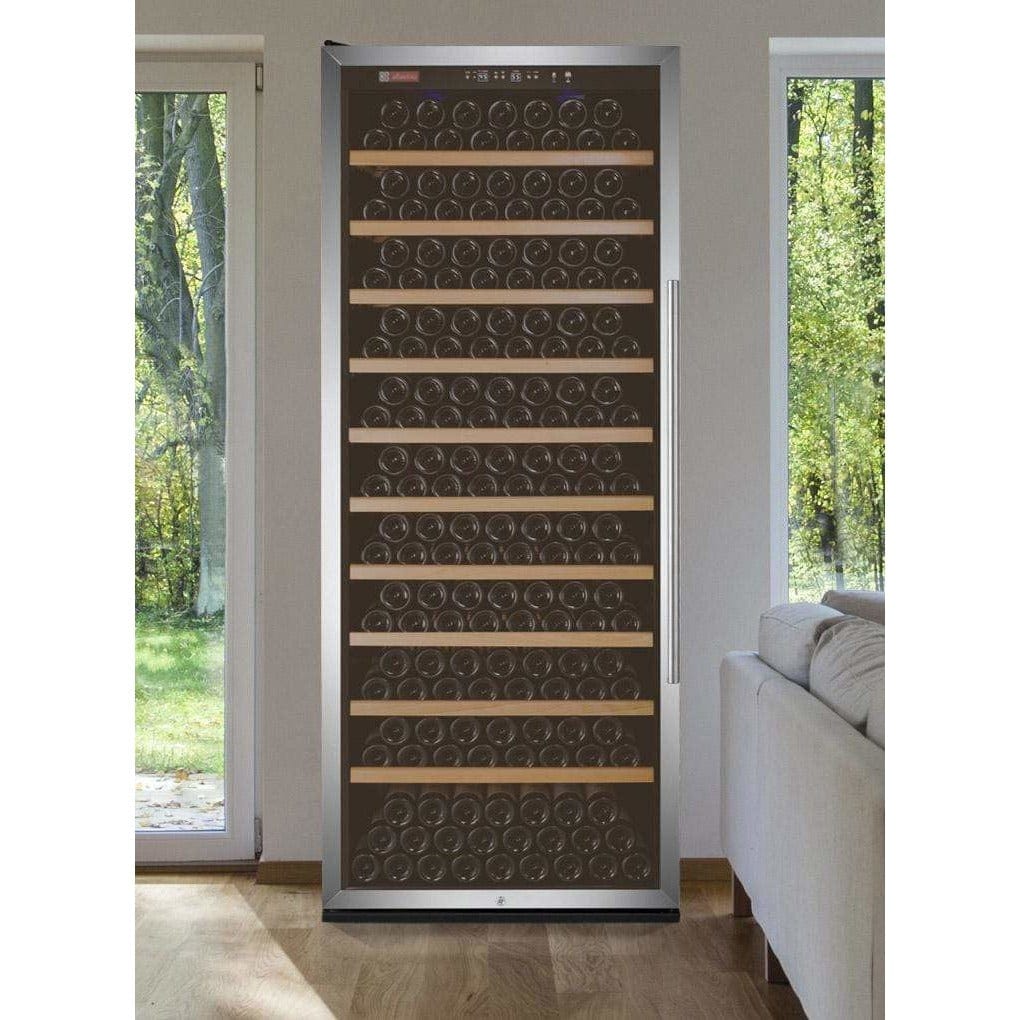
Sale price$4,698.00
Regular price$6,348.65
Allavino Vite II Tru-Vino 305 Bottle Single Zone Stainless Steel Left Hinge Wine Fridge YHWR305-1SL20Allavino
Save 26%
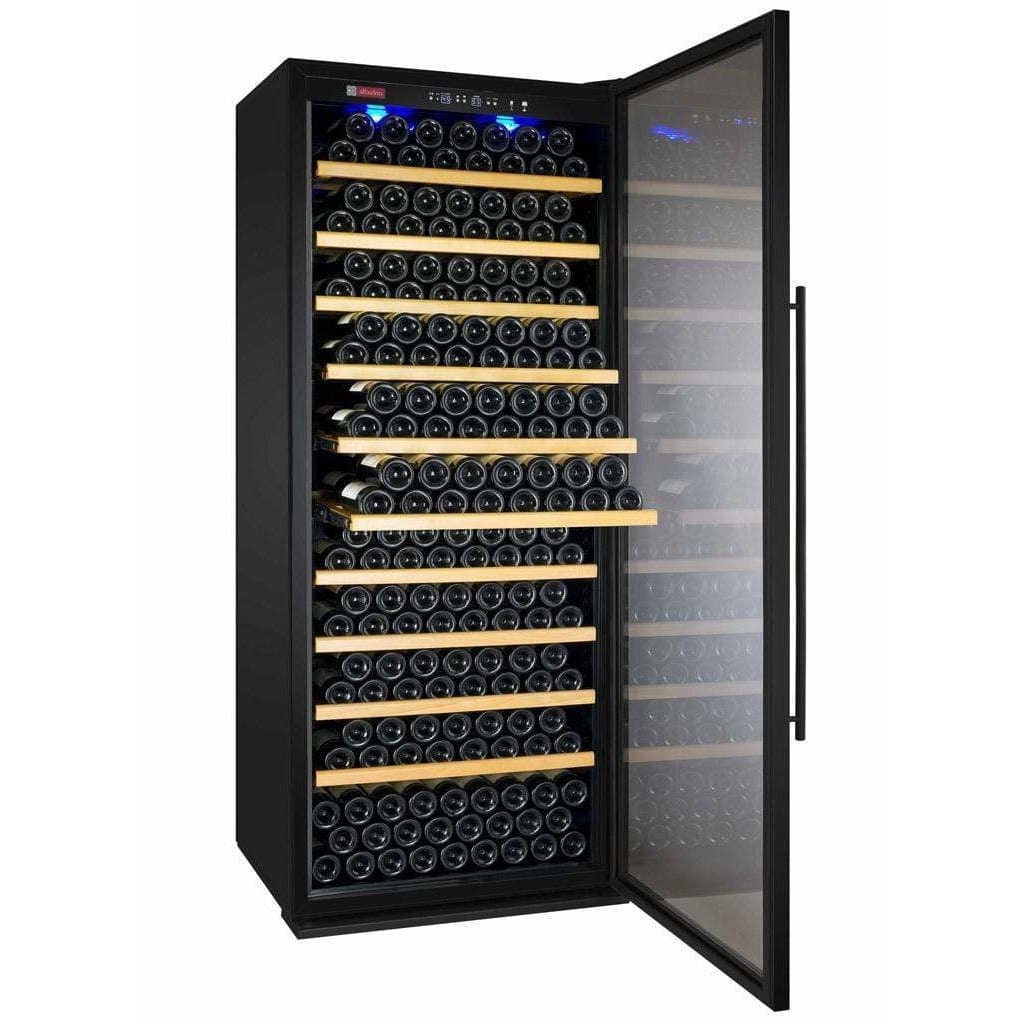
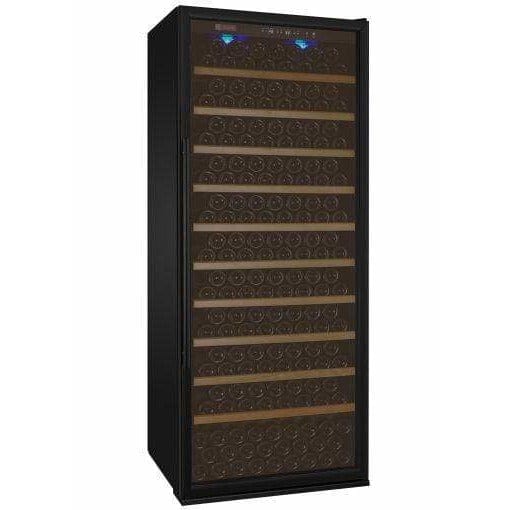
Sale price$4,558.00
Regular price$6,159.46
Allavino Vite II Tru-Vino 305 Bottle Single Zone Black Right Hinge Wine Fridge YHWR305-1BR20Allavino
Save 26%
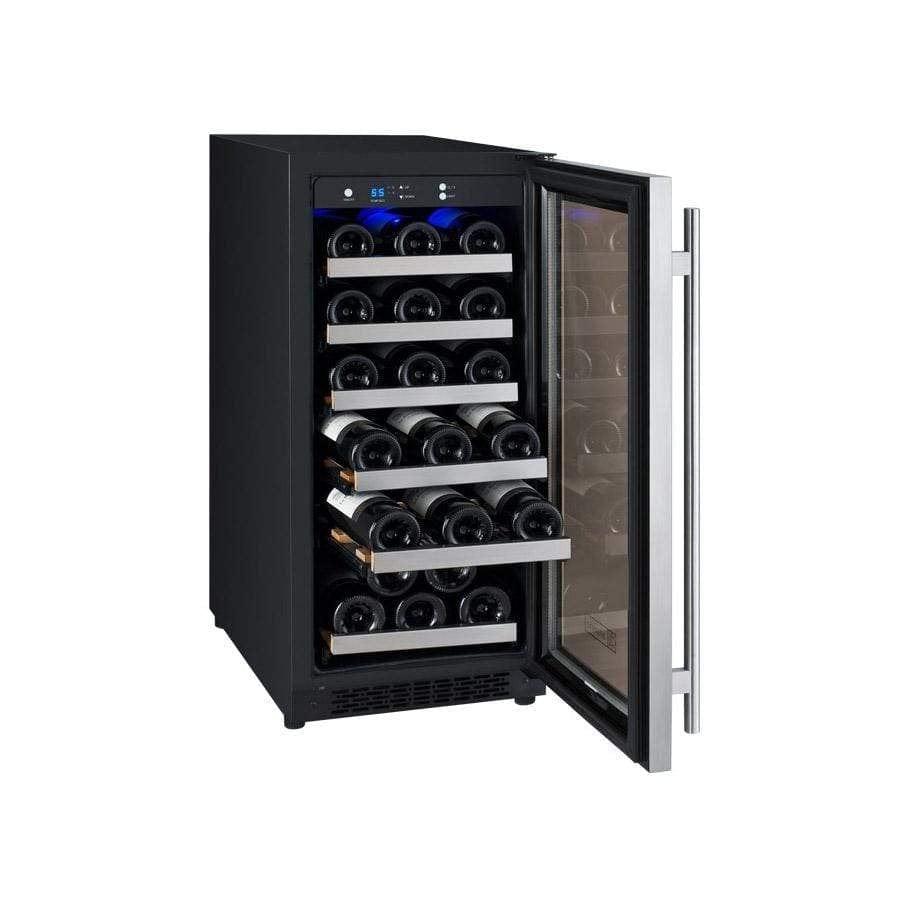
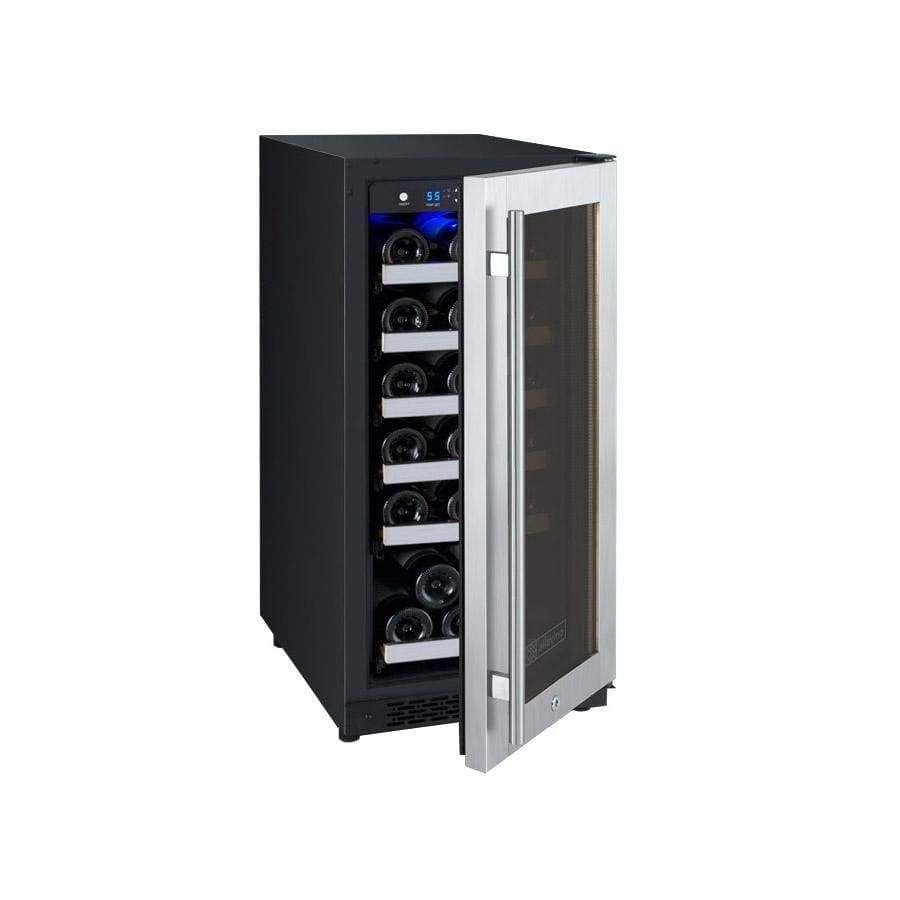
Sale priceFrom $1,375.40
Regular price$1,858.65
Allavino FlexCount II Tru-Vino 30 Bottle Single Zone Stainless Steel Right Hinge Wine FridgeAllavino
Save 26%
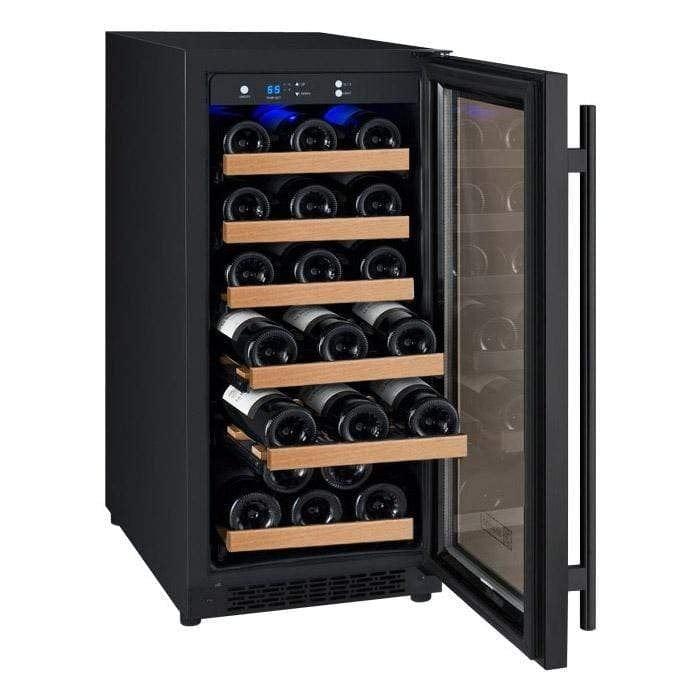
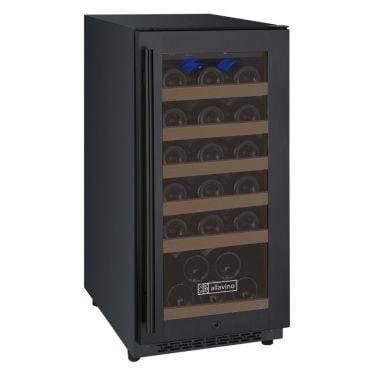
Sale priceFrom $1,388.40
Regular price$1,876.22
Allavino FlexCount II Tru-Vino 30 Bottle Single Zone Black Wine Fridge VSWR30-1BR20Allavino
Save 26%
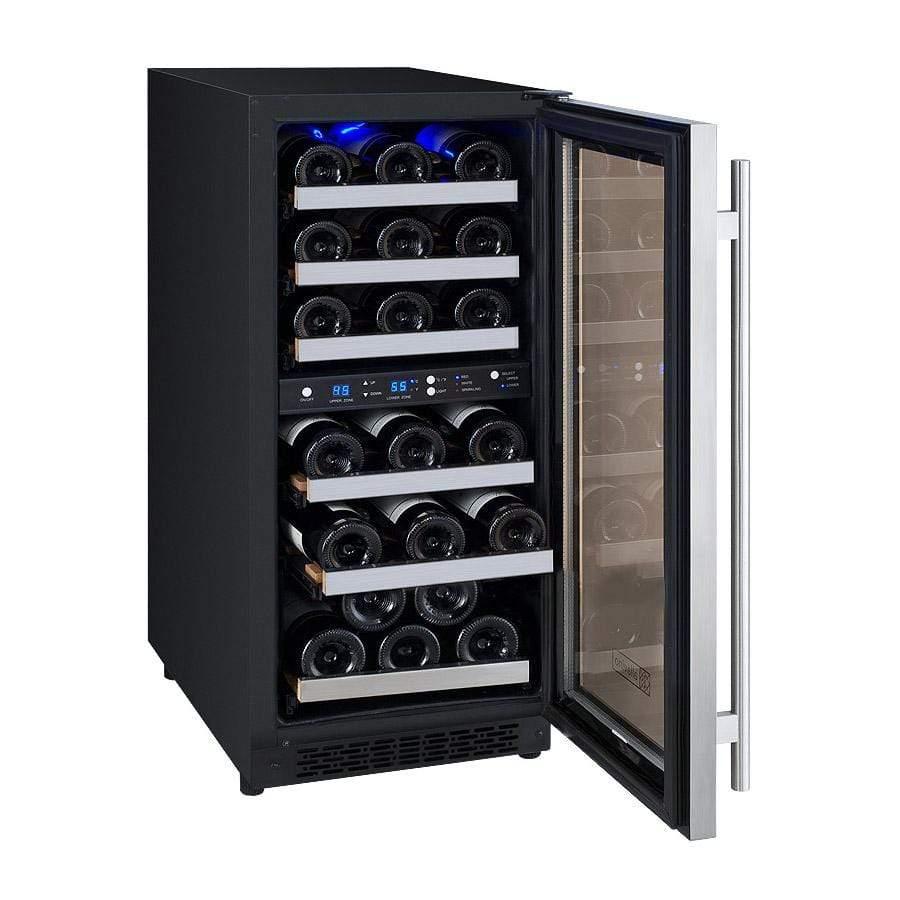
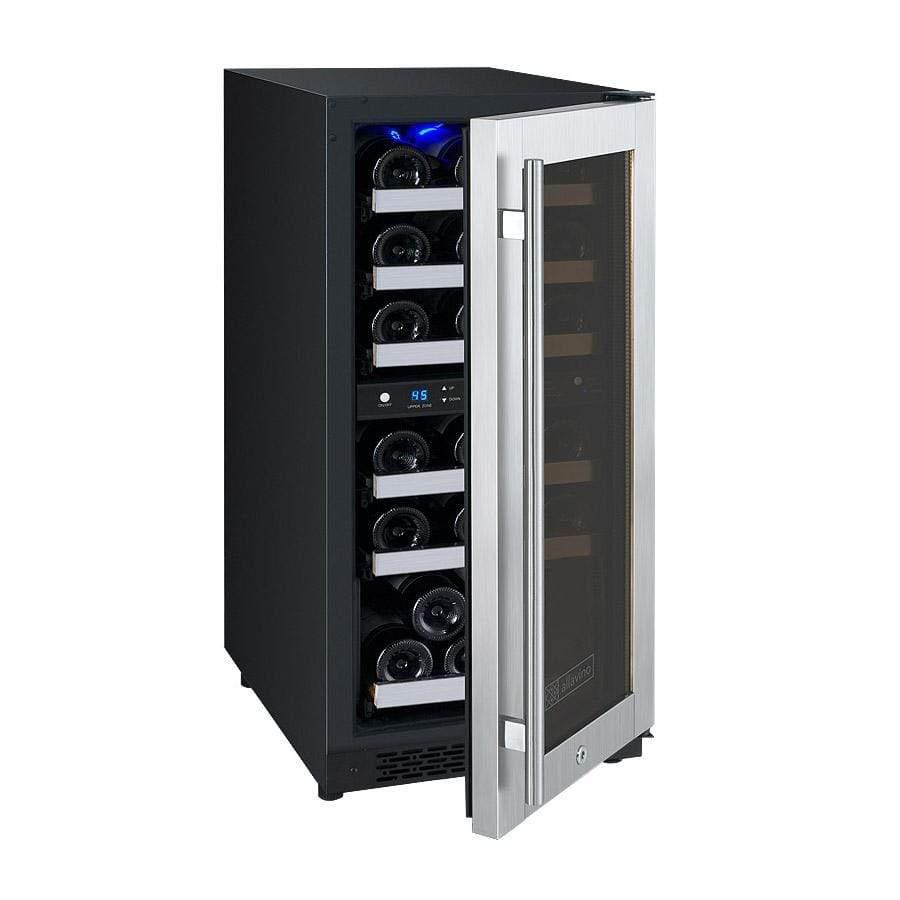
Sale priceFrom $1,375.40
Regular price$1,858.65
Allavino FlexCount II Tru-Vino 30 Bottle Dual Zone Stainless Steel Right Hinge Wine Fridge VSWR30-2SR20Allavino
Save 26%
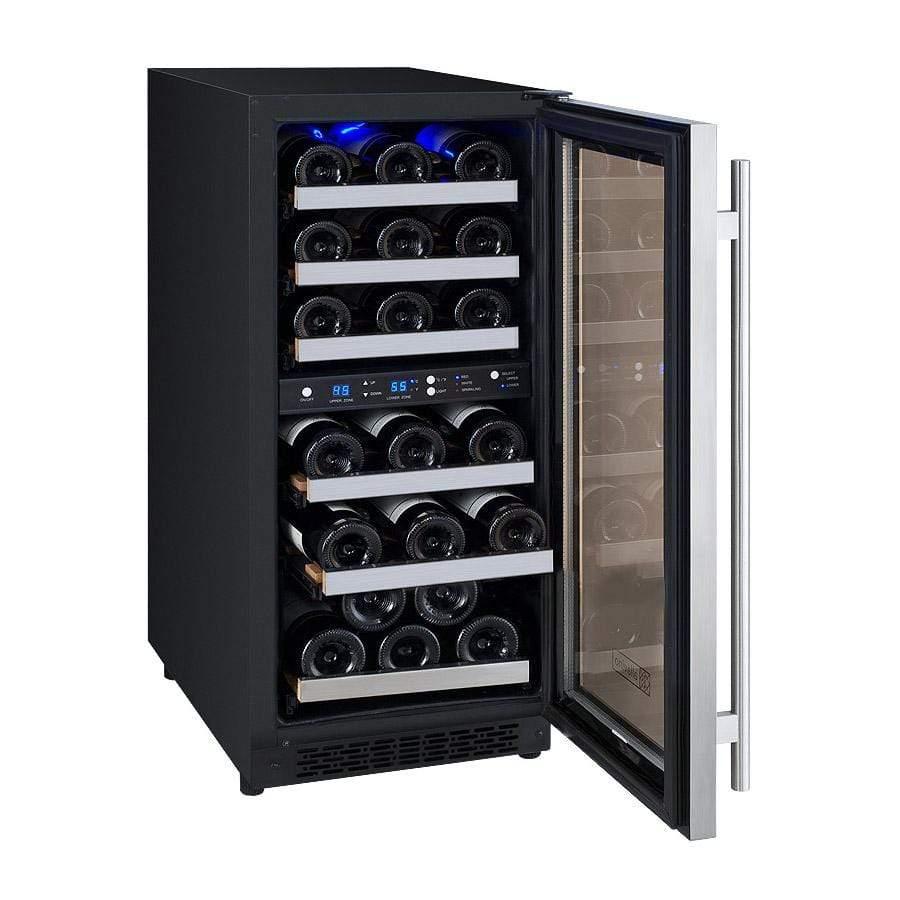
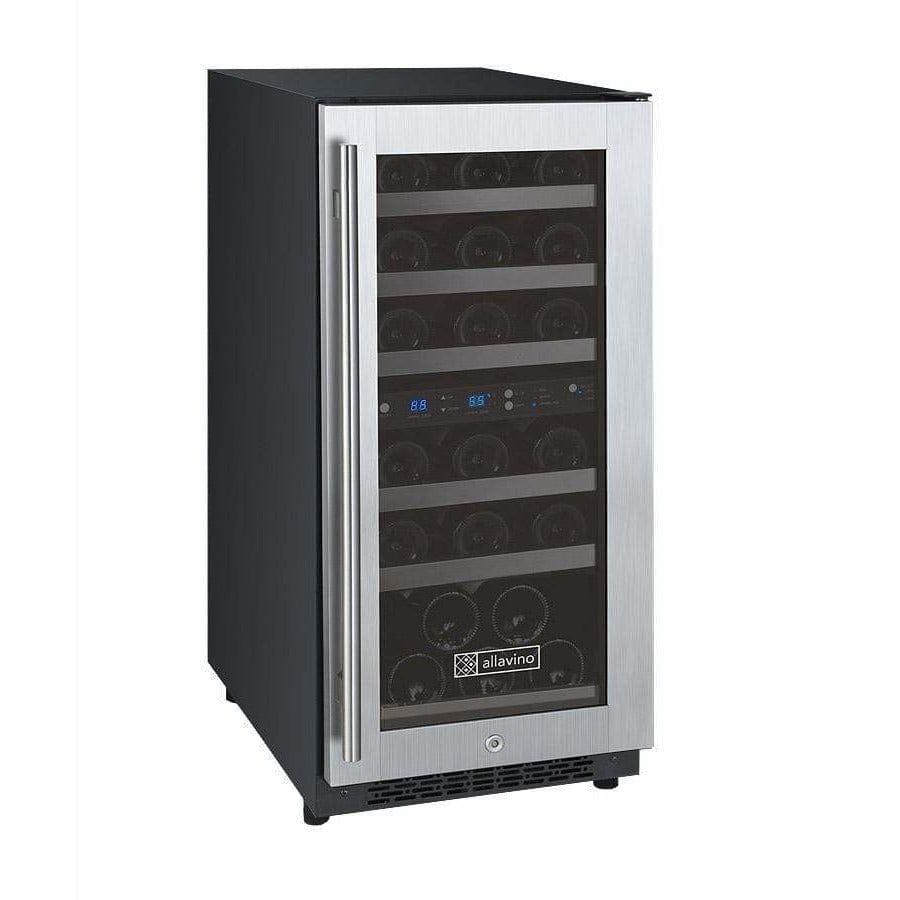
Sale price$1,298.00
Regular price$1,754.05
Allavino FlexCount II Tru-Vino 30 Bottle Dual Zone Stainless Steel Left Hinge Wine Fridge VSWR30-2SL20Allavino
Save 26%
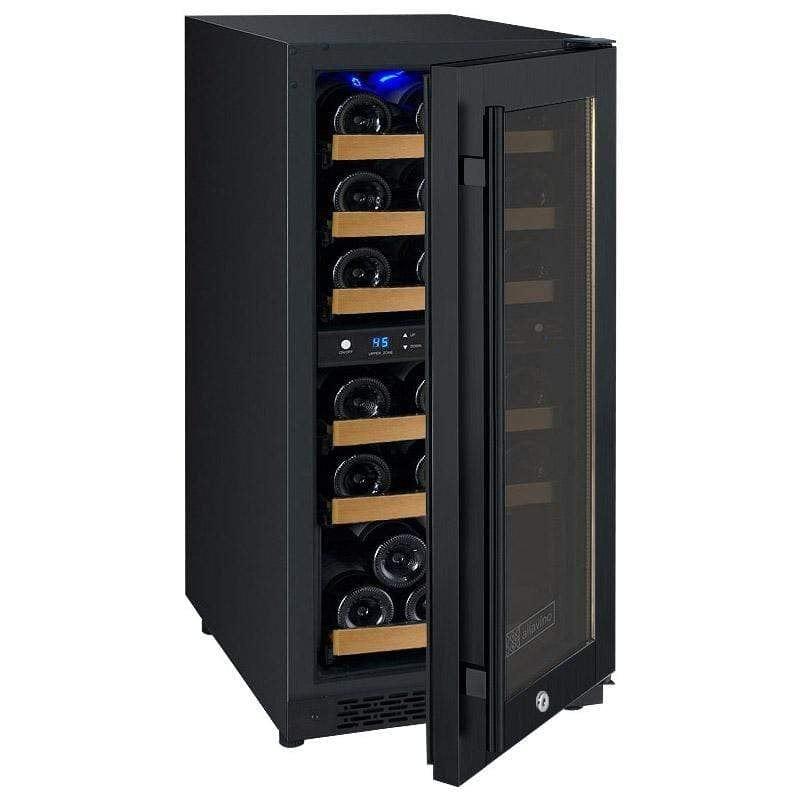
Sale price$1,411.80
Regular price$1,907.84
Allavino FlexCount II Tru-Vino 30 Bottle Dual Zone Black Wine Fridge VSWR30-2BR20Allavino
Save 26%
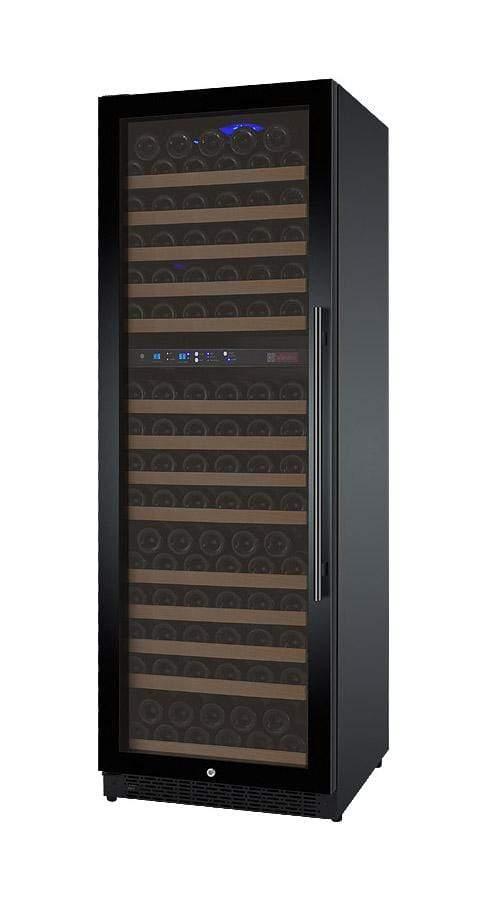
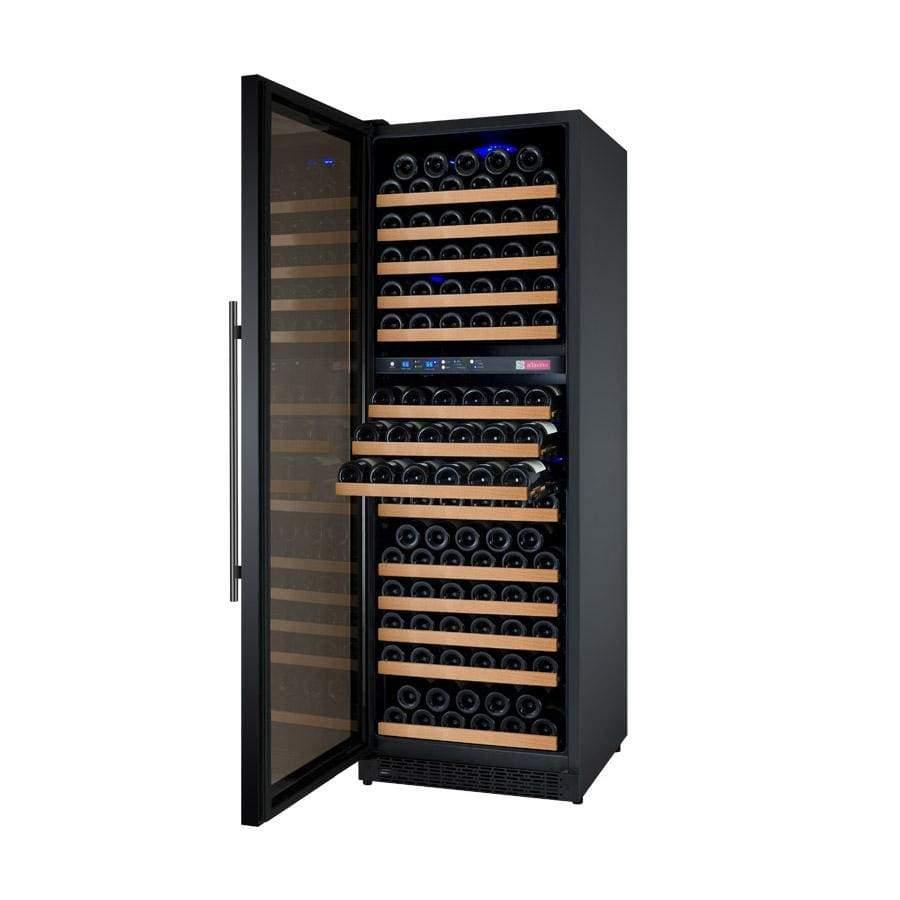
Sale price$3,498.00
Regular price$4,727.03
Allavino FlexCount II Tru-Vino 172 Bottle Dual Zone Black Left Hinge Wine Fridge VSWR172-2BL20Allavino
📚 Frequently Asked Questions (FAQs)
Do not install a freestanding wine cooler inside cabinetry. It requires external airflow and will overheat if enclosed.
Place the unit in an open, well-ventilated area with clearance around the sides and rear. Avoid tight or enclosed spaces.
Most freestanding wine coolers are not rated for outdoor use. Installing them in uncontrolled environments will cause performance failure.
No. These units are plug-and-play and only require proper spacing for ventilation.
Choose based on your current collection and growth plans. Undersized units will limit storage and lead to overcrowding.