

📚 Frequently Asked Questions (FAQs)
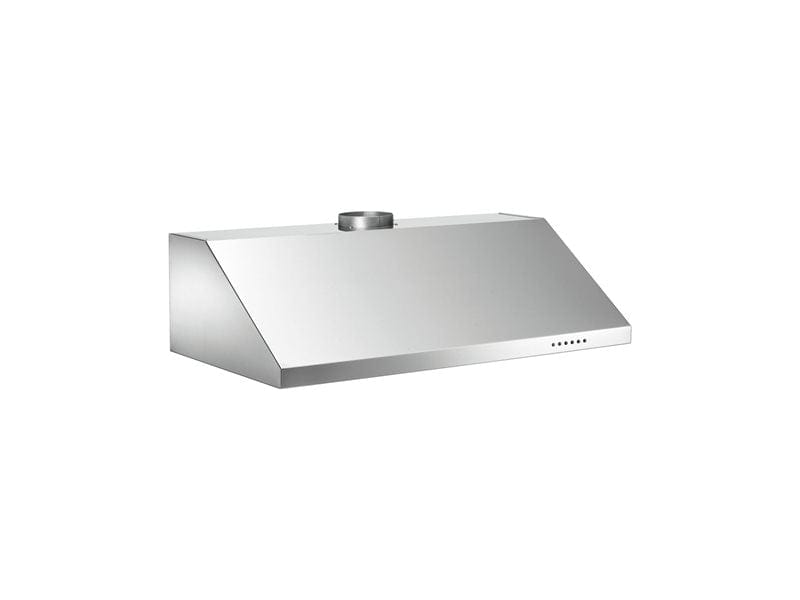
Wall-mounted range hoods can be installed in ductless configurations when paired with a compatible recirculation kit. Ductless systems filter air instead of exhausting it outside and are less effective for heavy cooking environments.
Most wall range hoods should be installed approximately 28–36 inches above the cooktop depending on the manufacturer and cooking surface. Improper mounting height reduces ventilation efficiency and smoke capture.
Your wall range hood should match the width of your cooking surface and provide enough CFM for the BTU output of your range. High-BTU gas ranges require significantly more airflow to remove heat, grease, and smoke effectively.
Ducted wall range hoods provide stronger smoke, grease, and heat removal because they vent air outside the home. Ductless models are best for kitchens where exterior ducting is not possible but require regular charcoal filter replacement.
Professional gas ranges typically require higher CFM ventilation because of increased heat and combustion output. Undersized range hoods will struggle to remove smoke and grease during high-heat cooking.
Modern wall range hoods use multi-speed blowers and sound insulation to reduce operating noise. Higher CFM systems typically generate more airflow noise at maximum power settings.
Ducted wall range hoods must vent outside to remove smoke, grease, and heat from the kitchen. Venting into attics or enclosed spaces can cause moisture buildup and long-term structural damage.
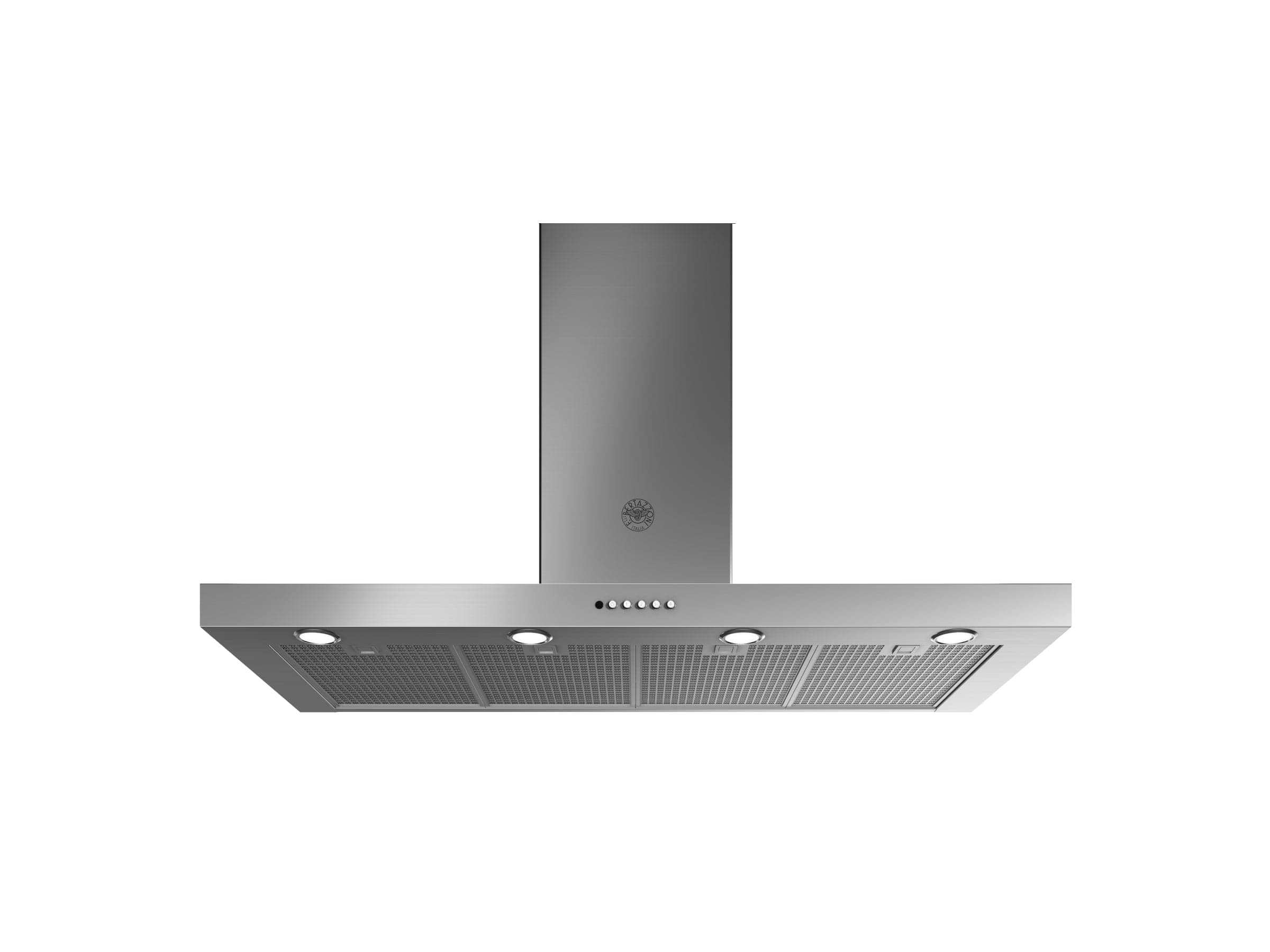
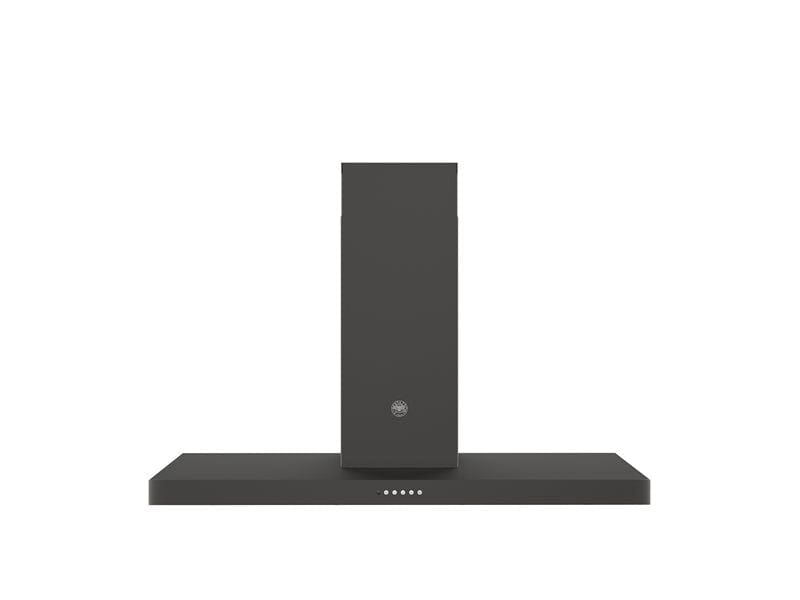
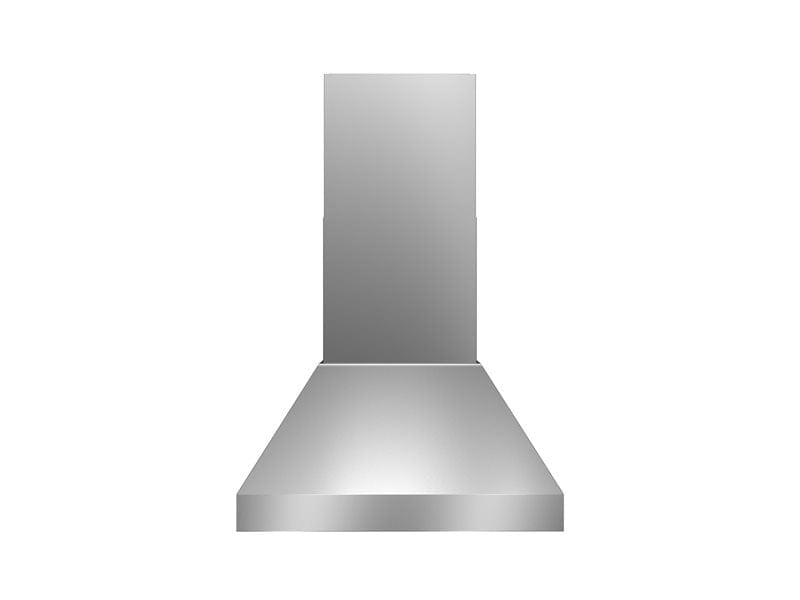
Wall range hoods mount against a wall and use rear-wall airflow capture for stronger ventilation efficiency. Island hoods require more airflow because smoke disperses more easily in open kitchen layouts.
Wall range hoods work with both induction and gas cooking surfaces. High-powered induction cooking still generates steam, grease particles, and cooking odors that require proper ventilation.
An undersized range hood will fail to capture smoke and grease effectively during cooking. This leads to lingering odors, grease buildup, and reduced indoor air quality.