📚 Frequently Asked Questions (FAQs)
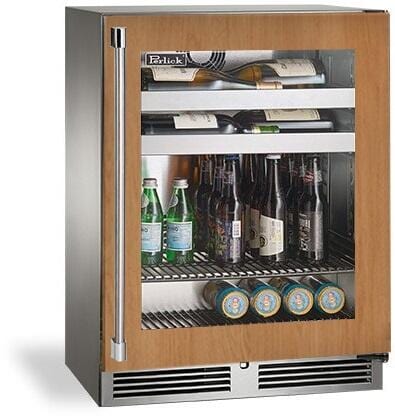
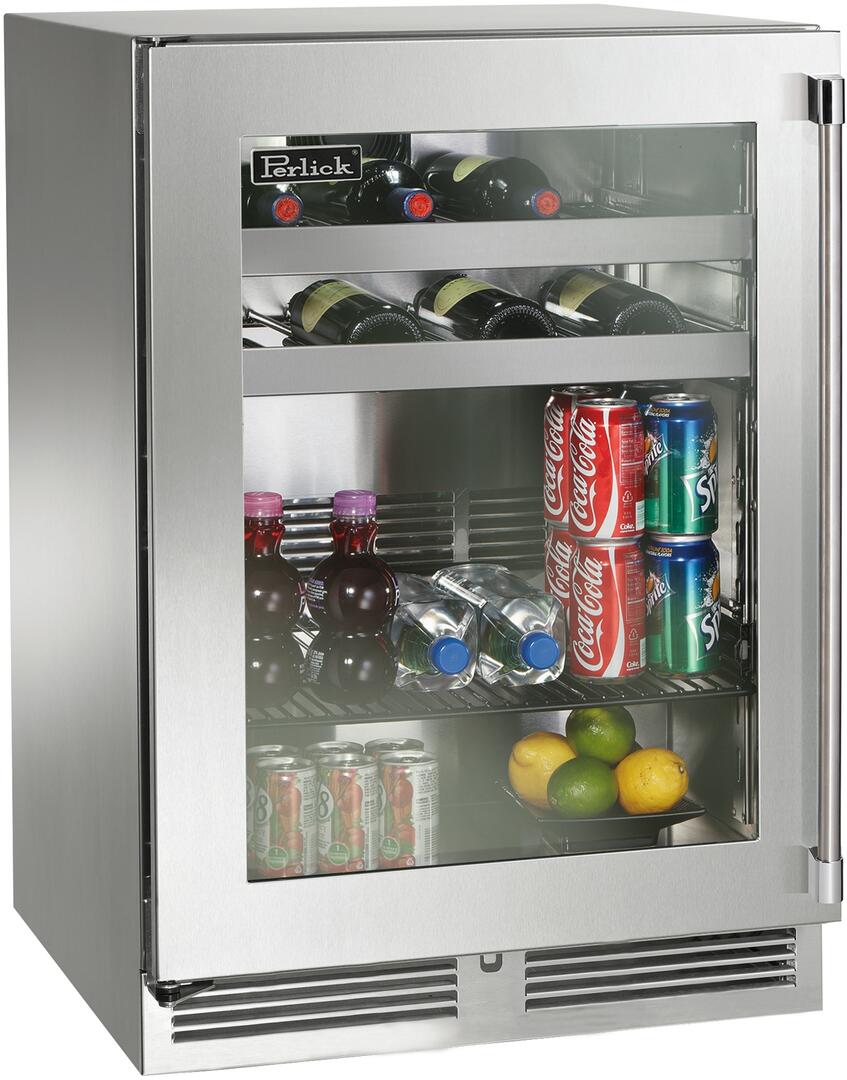
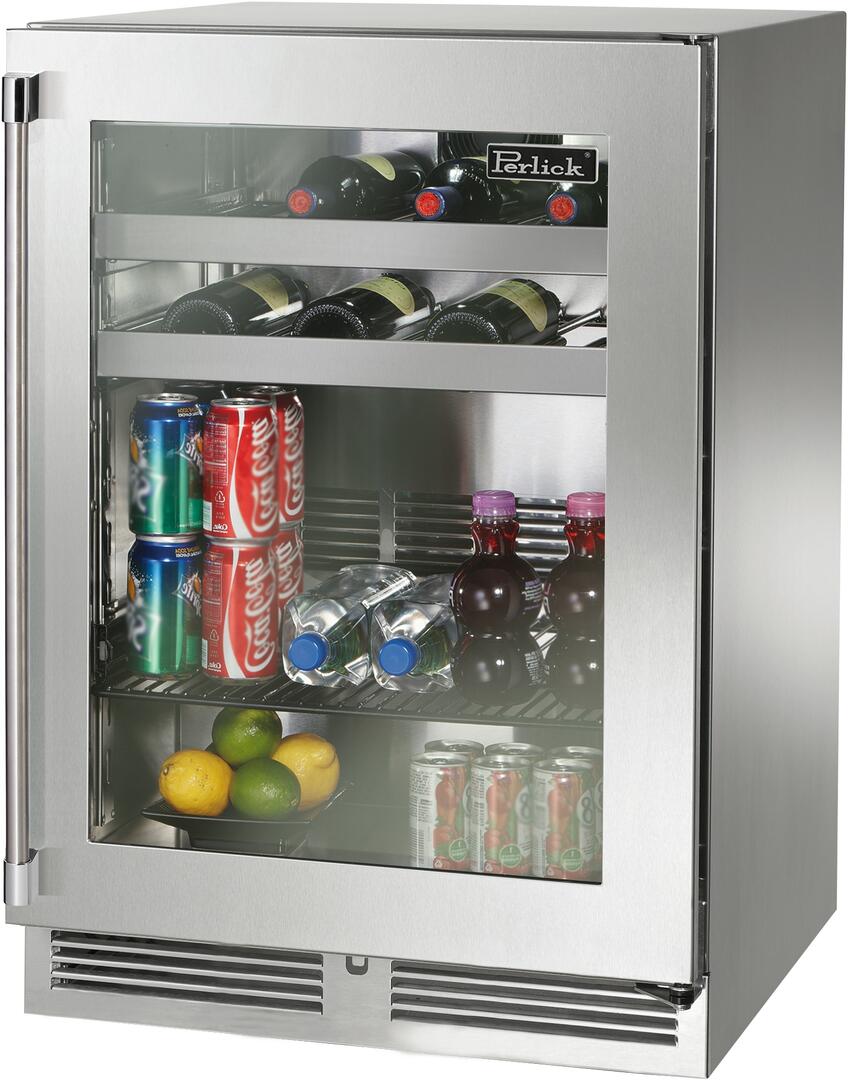
Do not use a built-in beverage center as freestanding unless the manufacturer explicitly allows it. Restricted side ventilation can cause compressor overheating and premature failure.
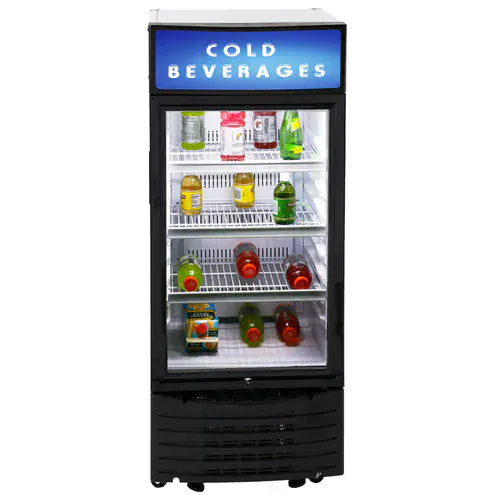
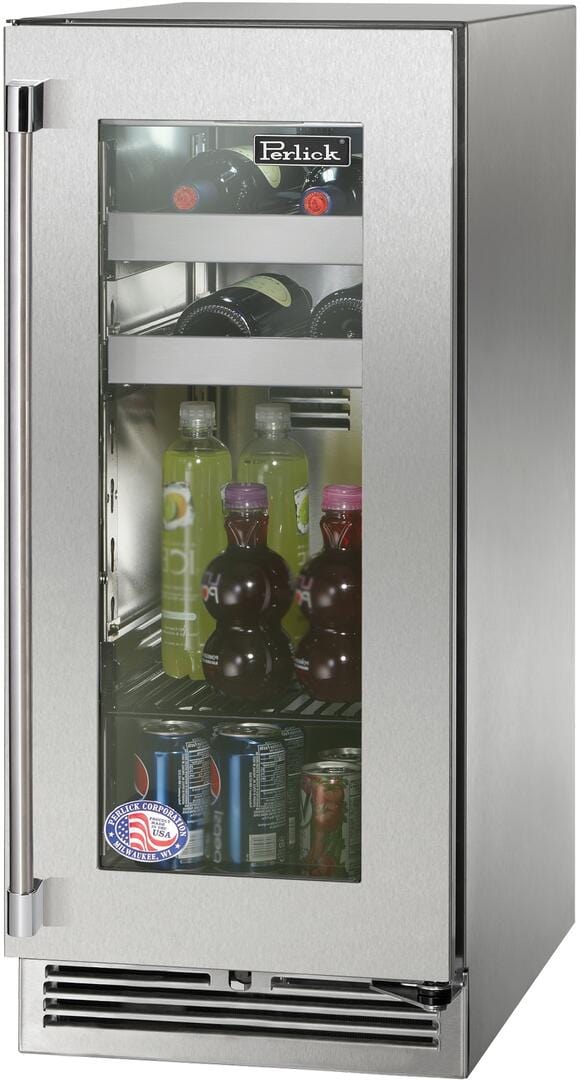
Beverage centers are designed for lower humidity and colder serving temperatures than wine coolers. They are not ideal for long-term wine aging.
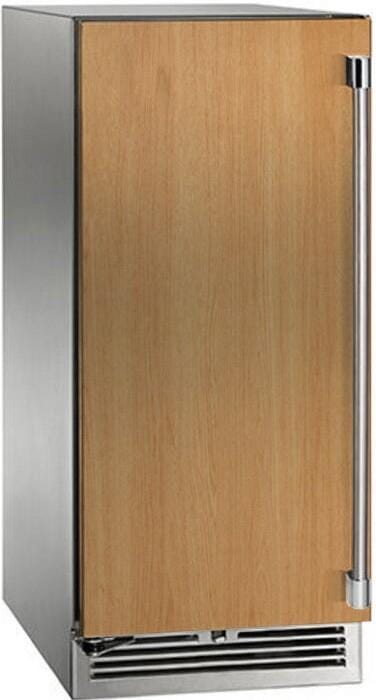
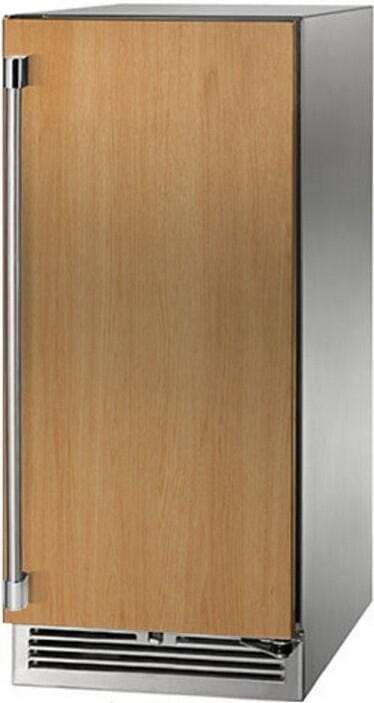
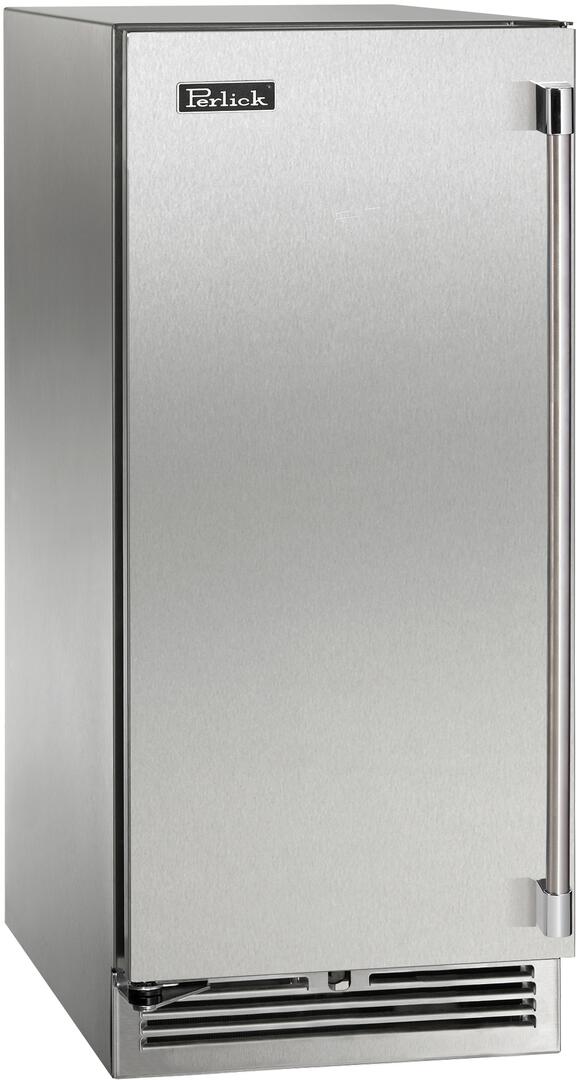
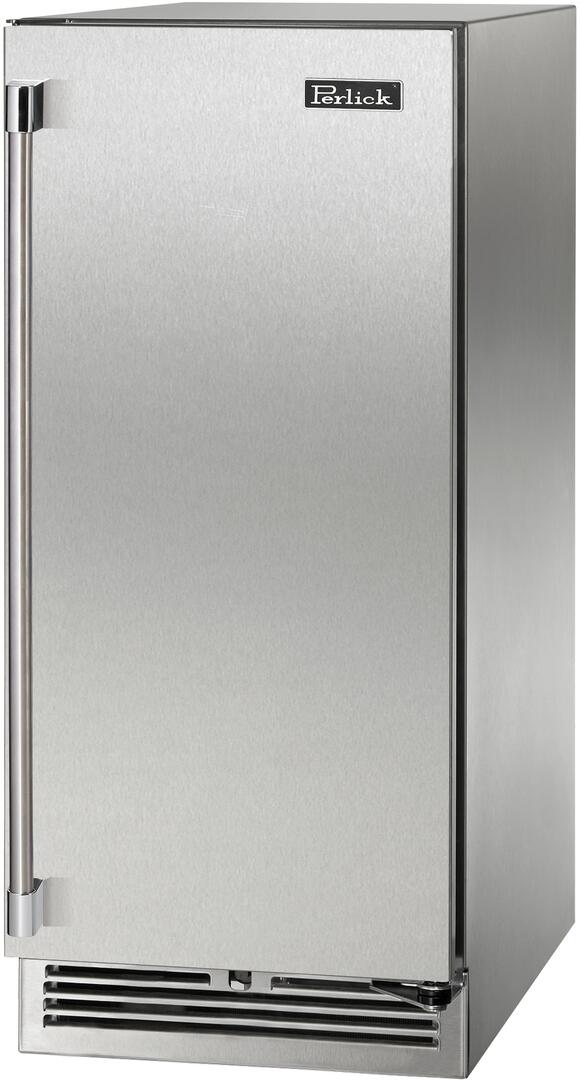
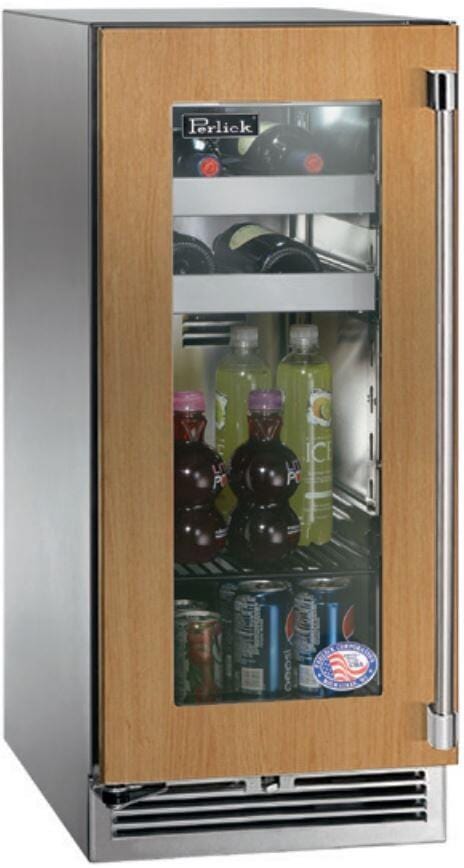
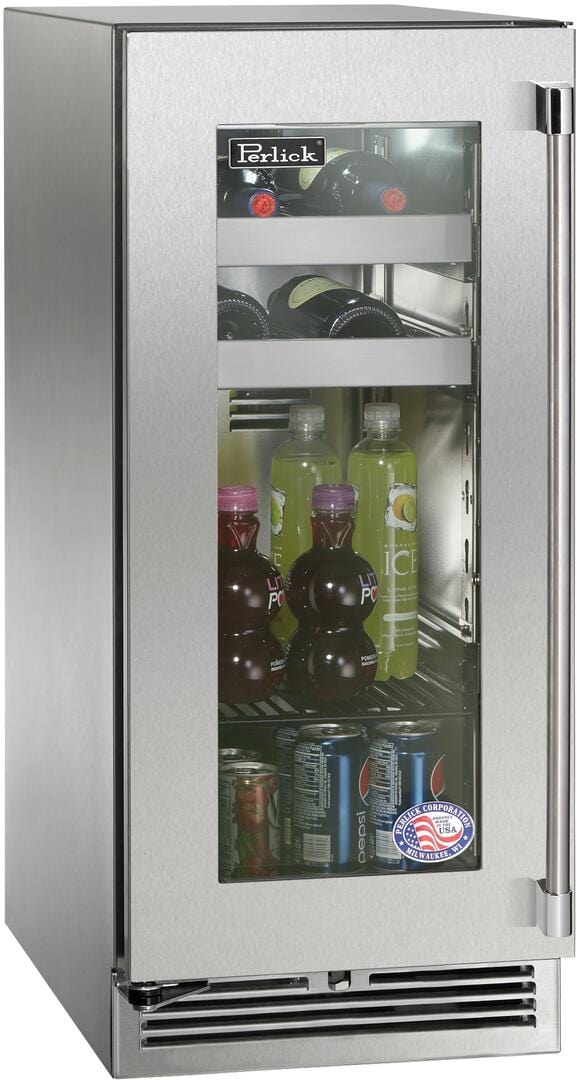
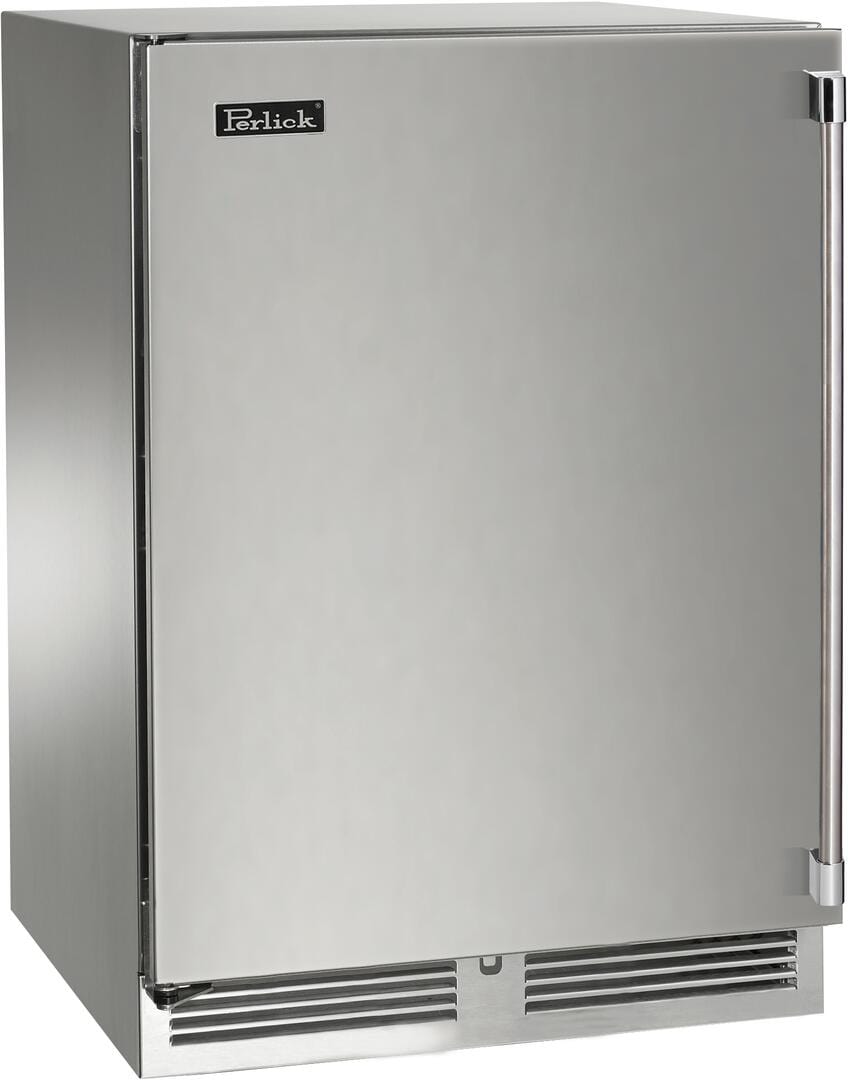
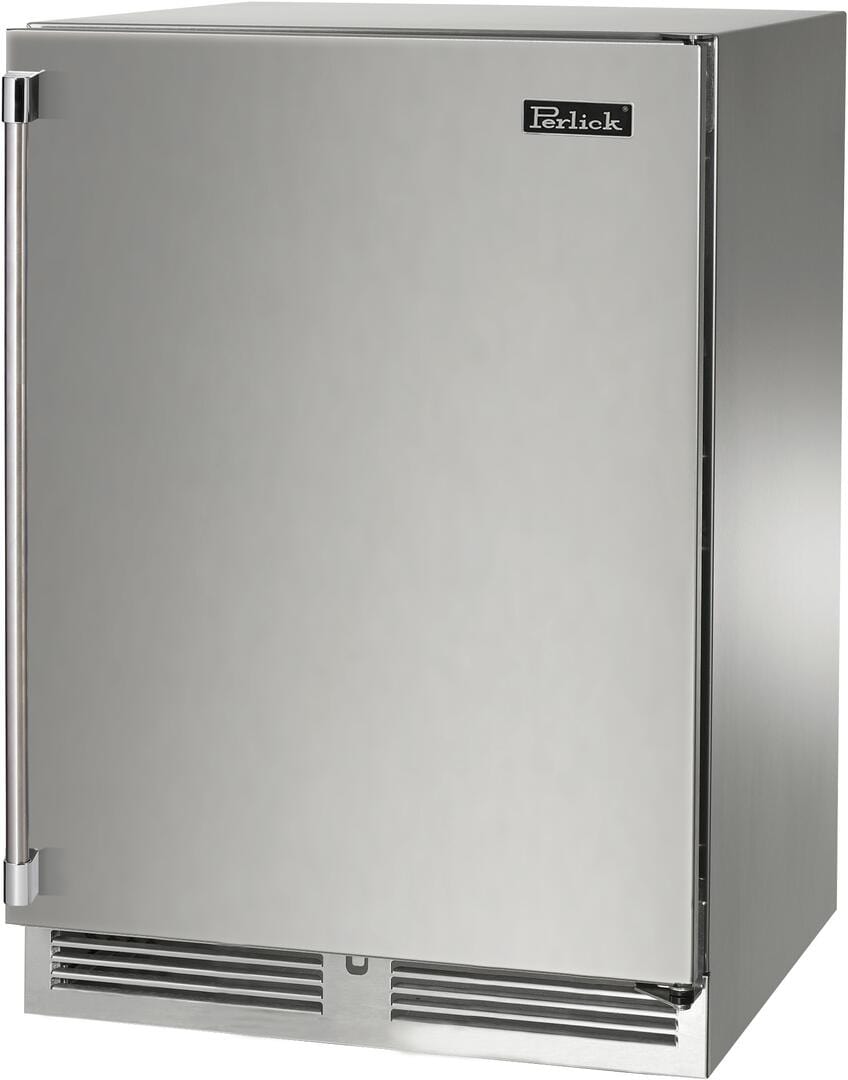
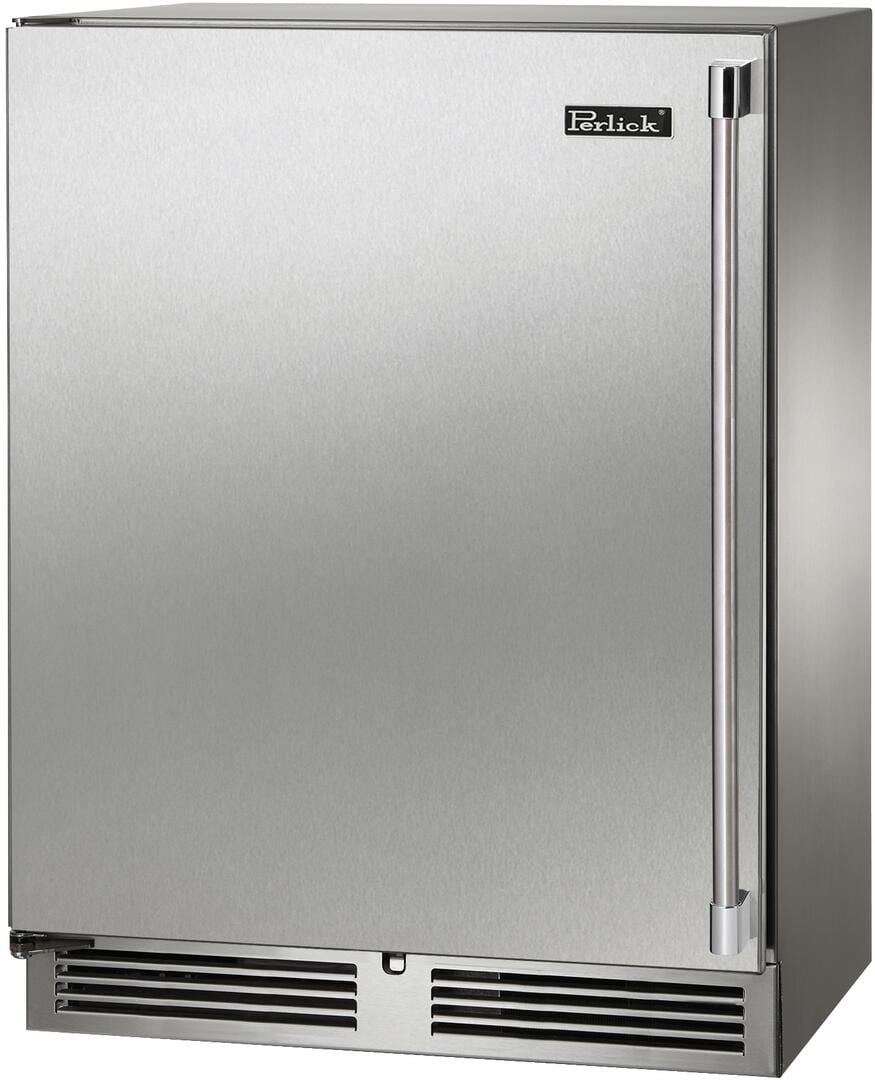
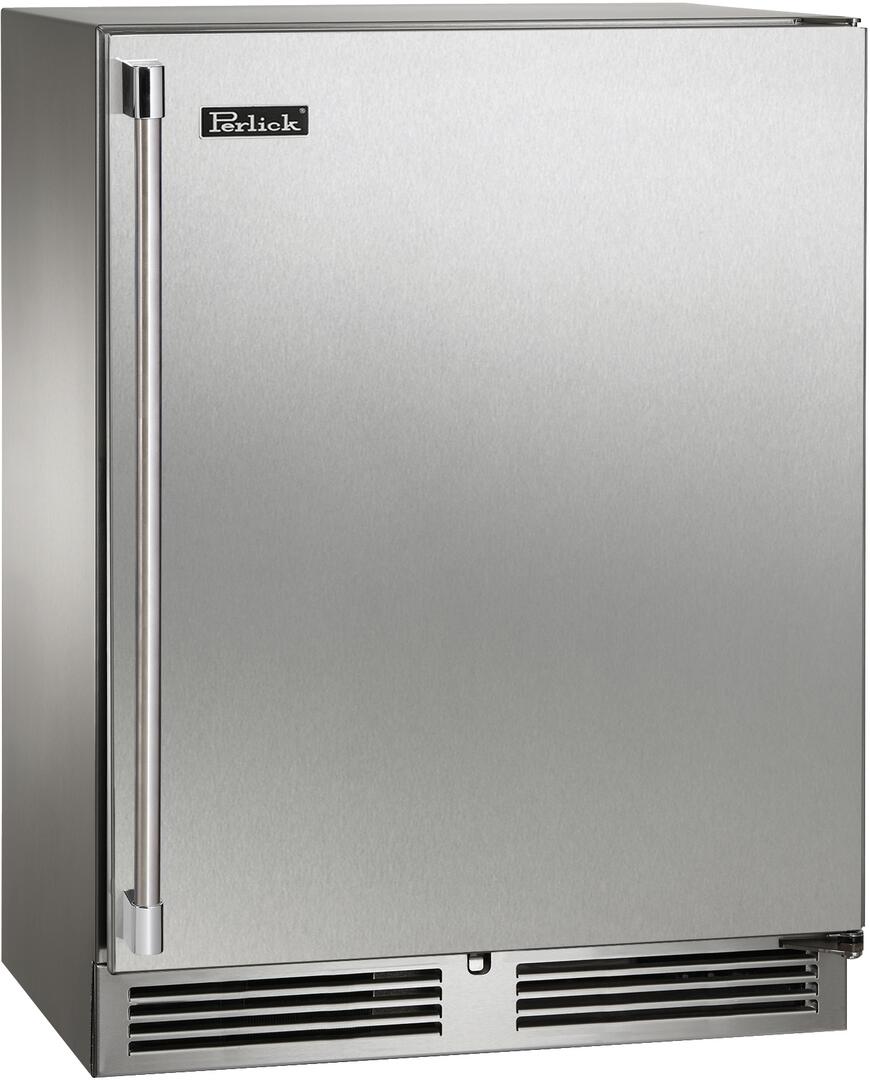
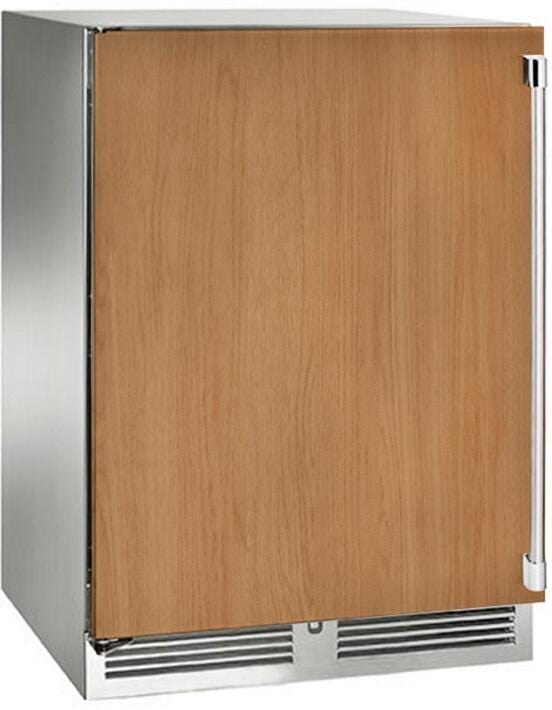
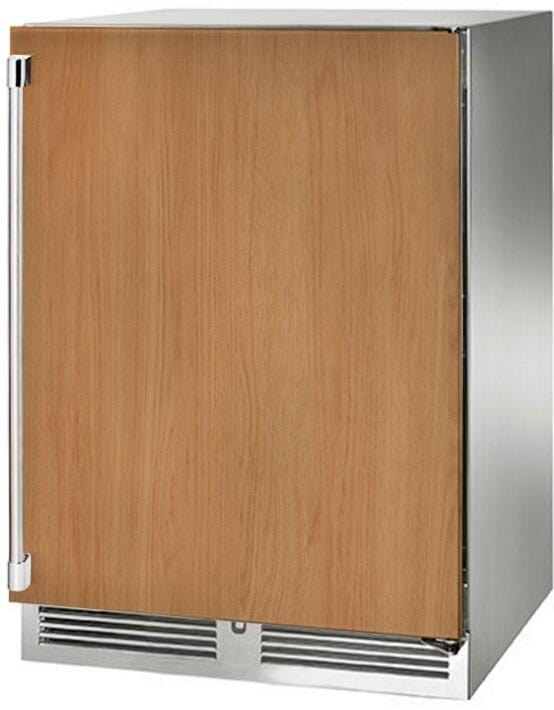
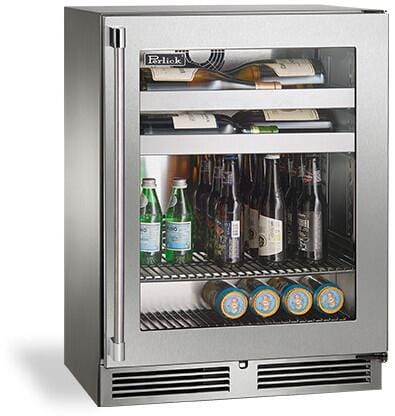
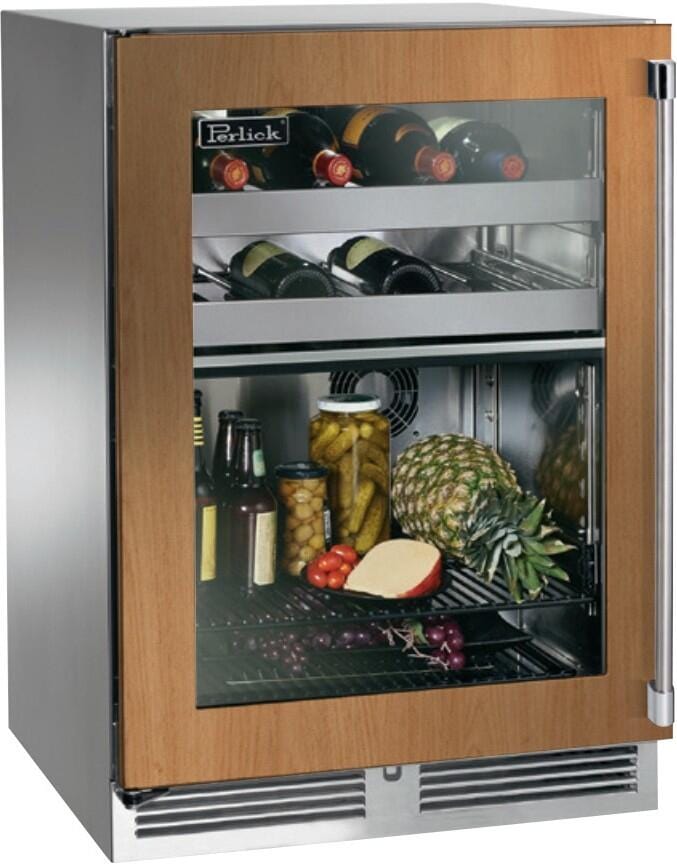
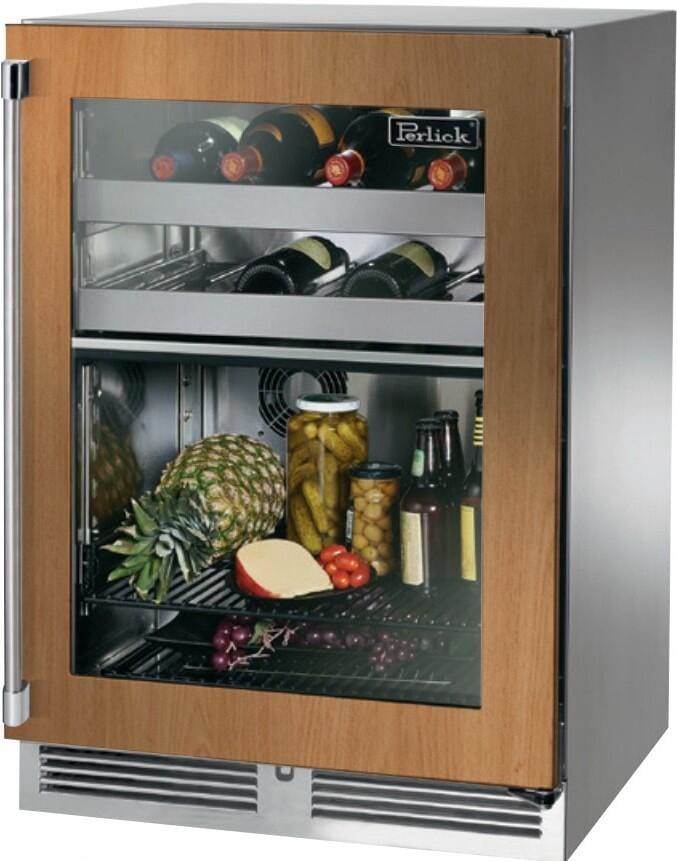
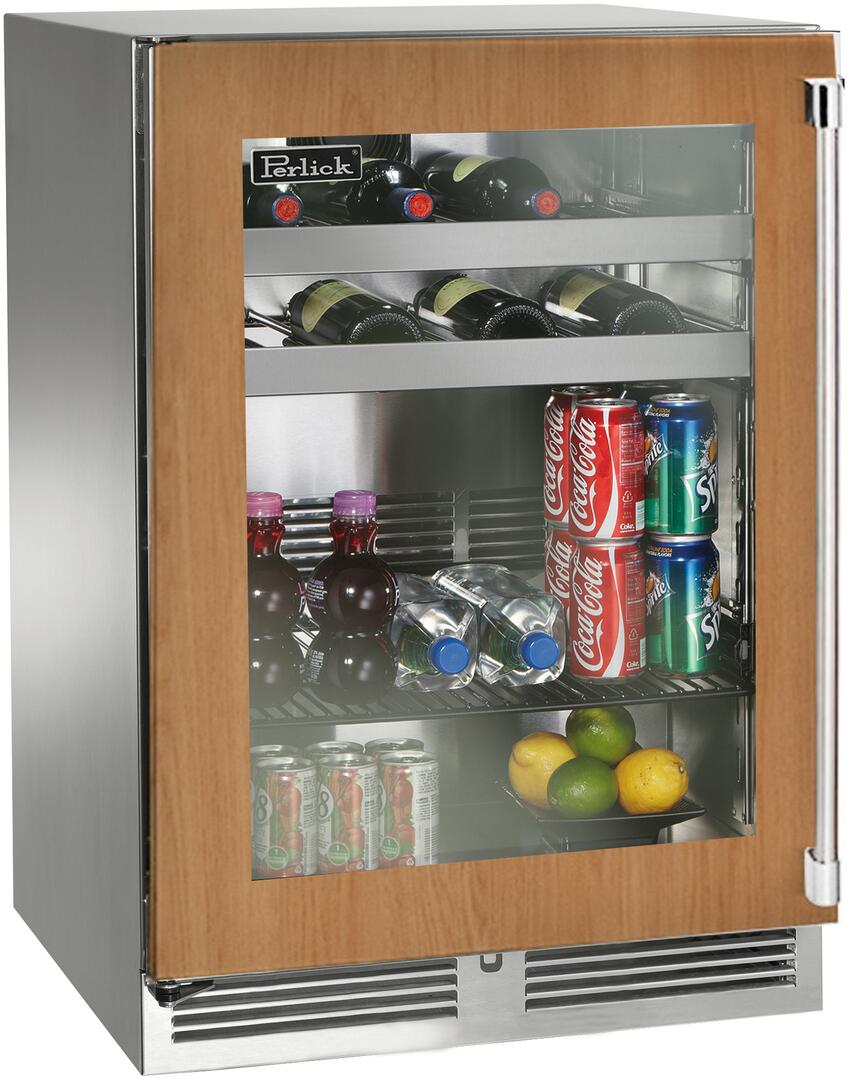
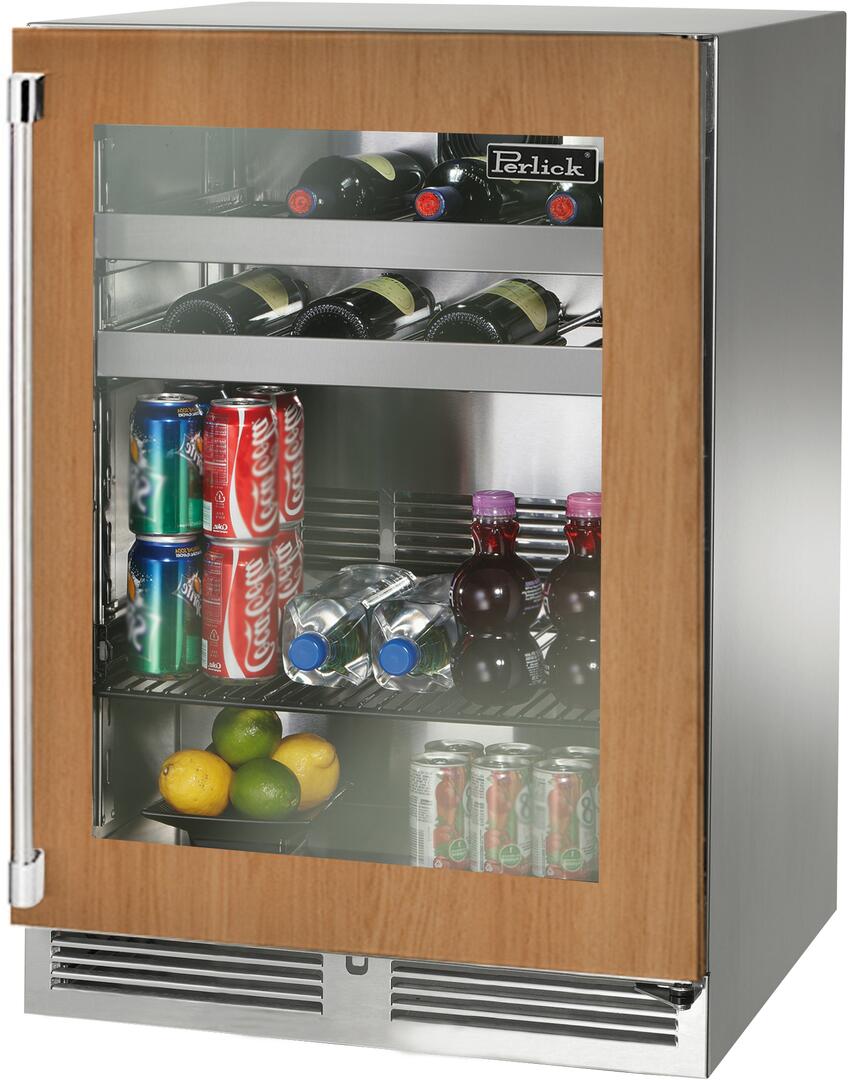
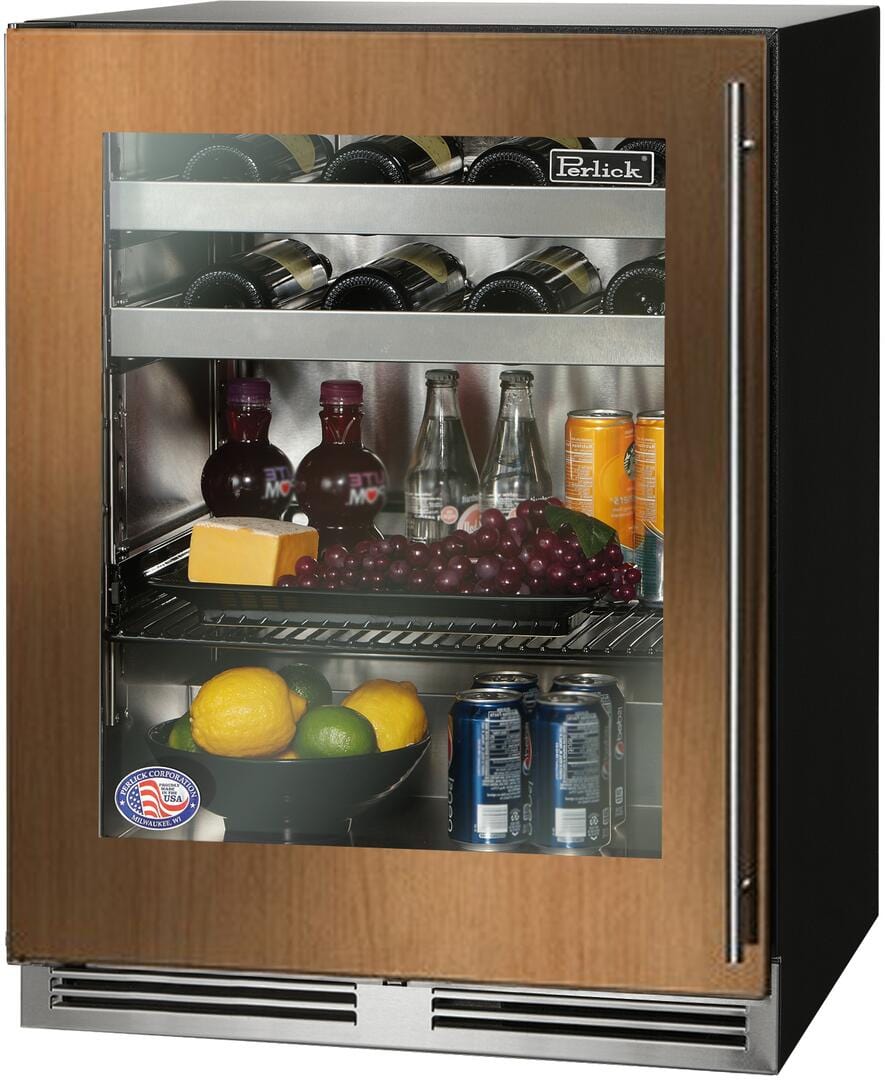
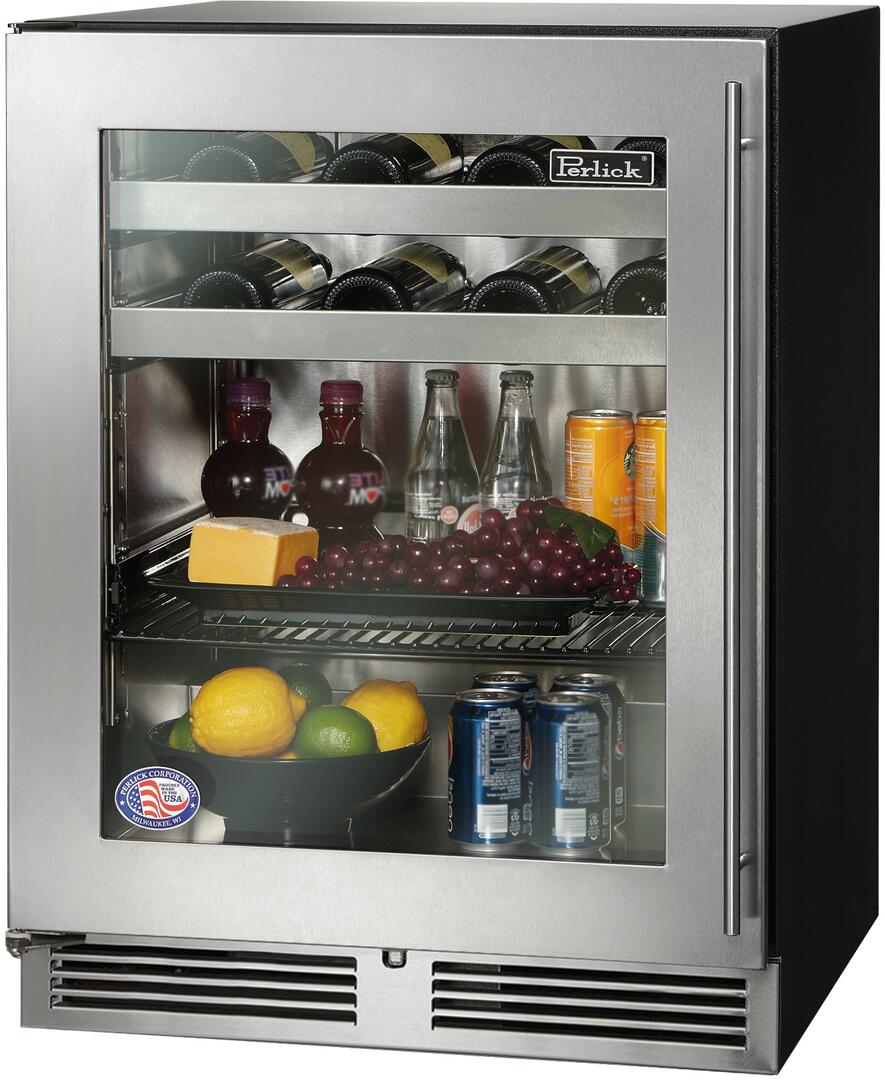
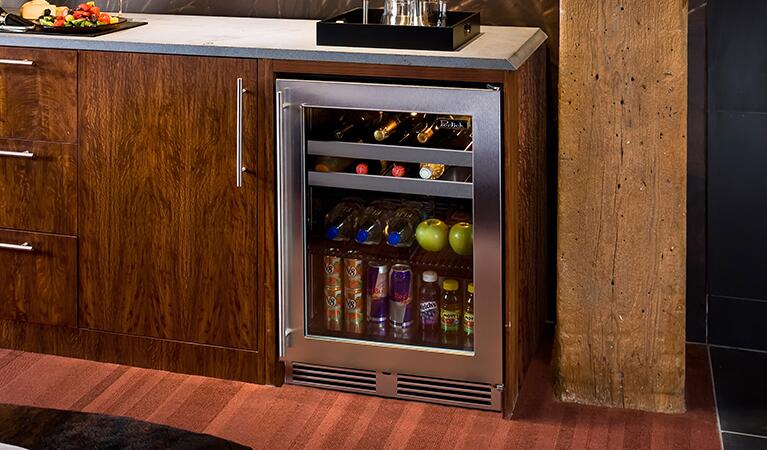
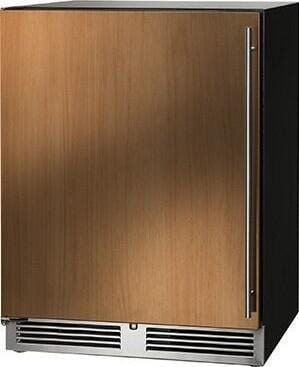
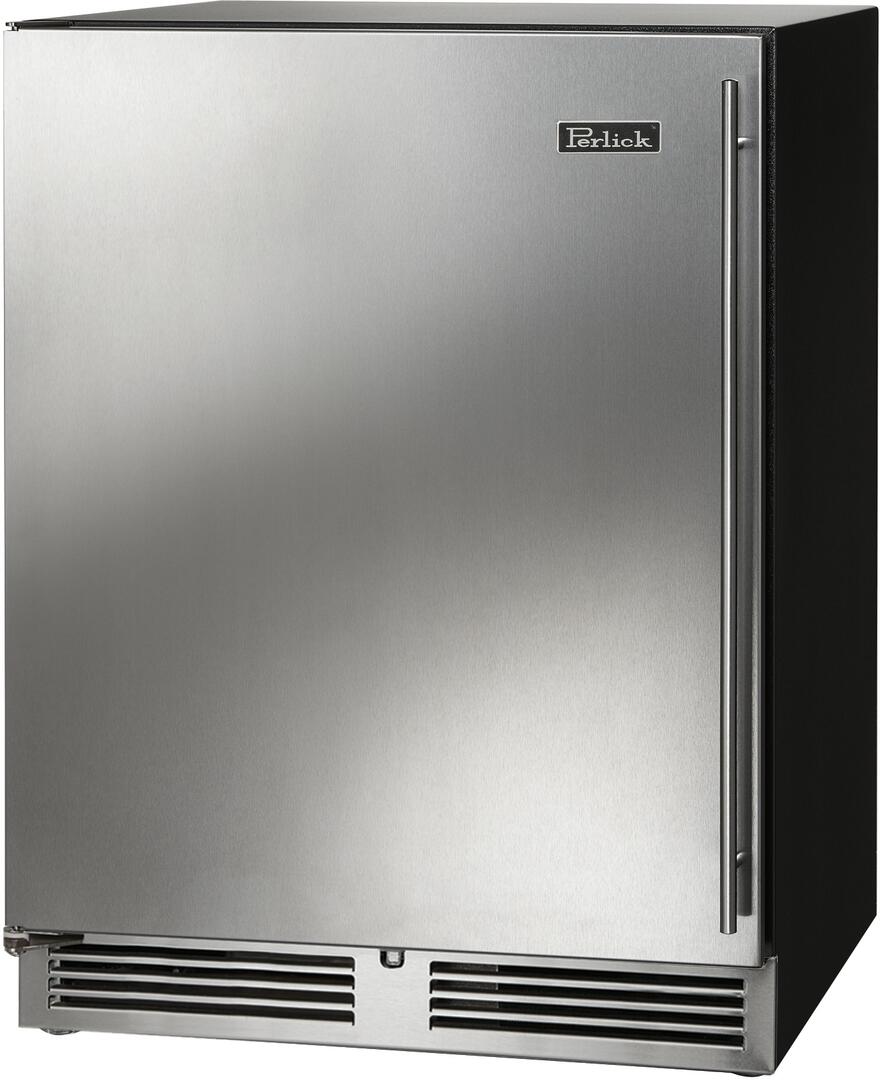
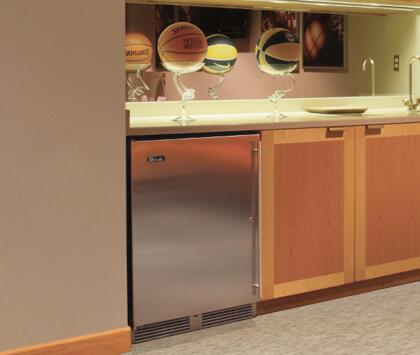
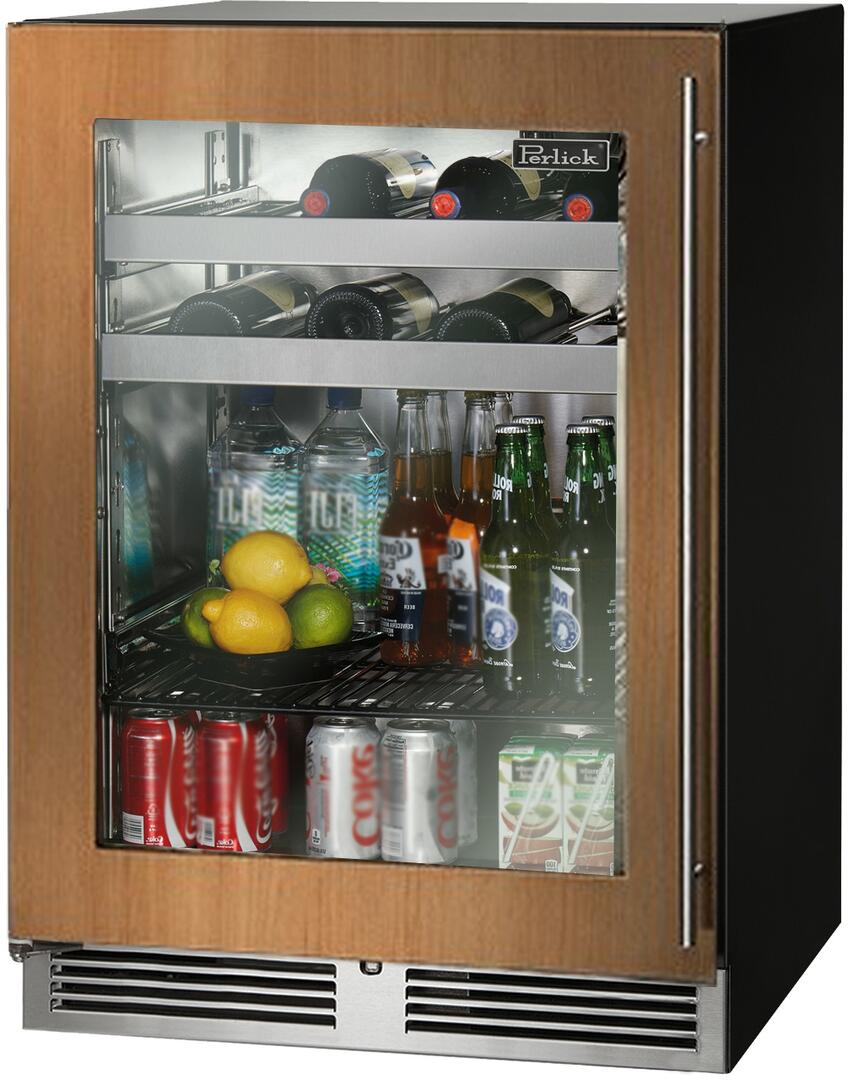
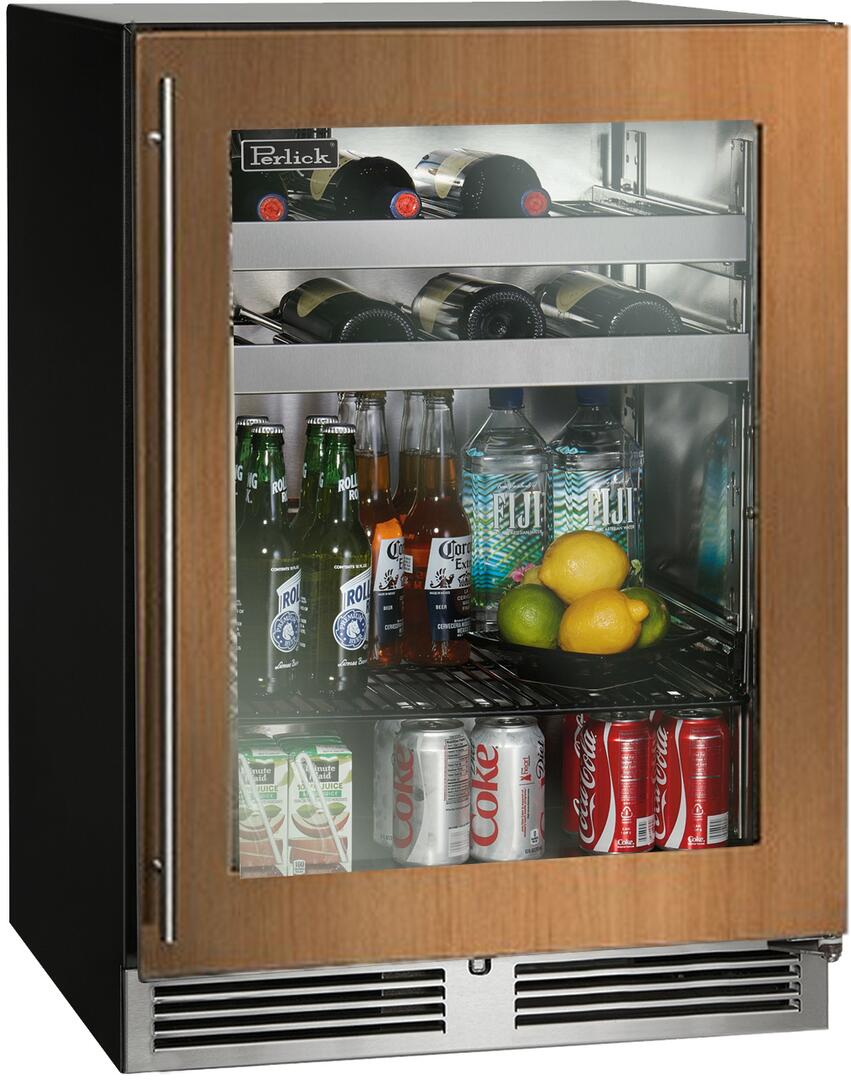
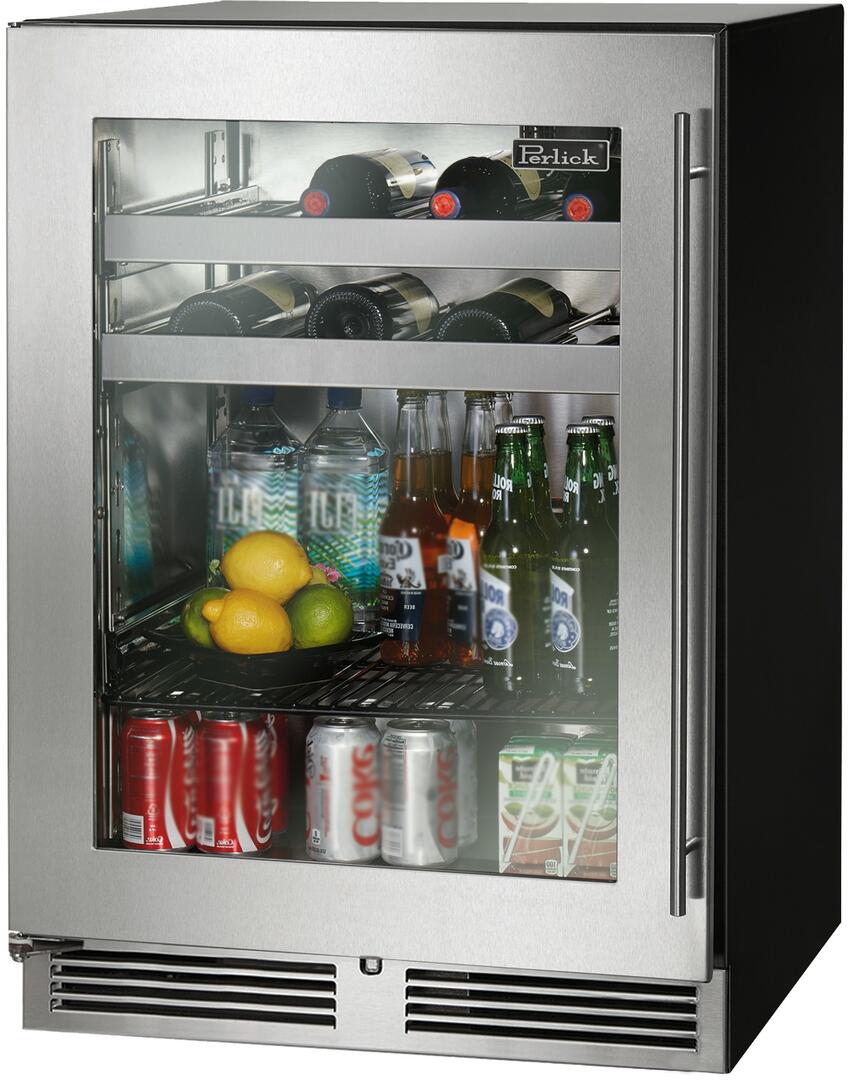
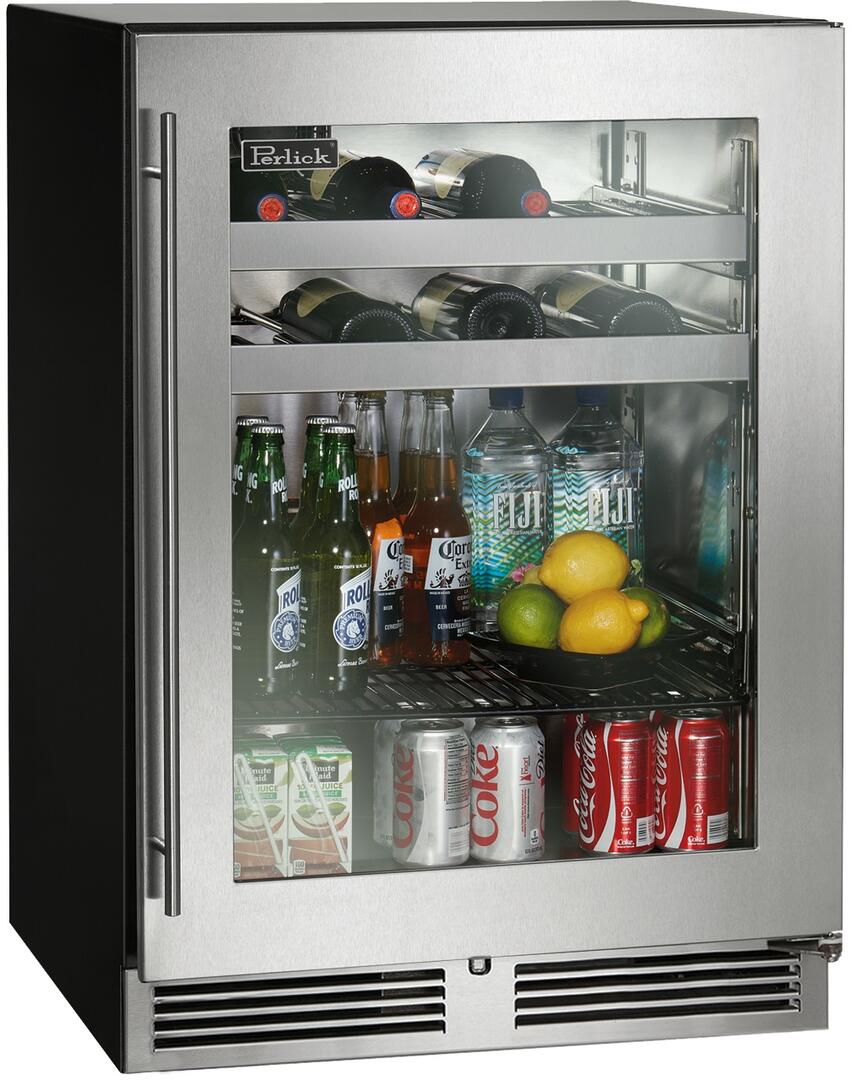
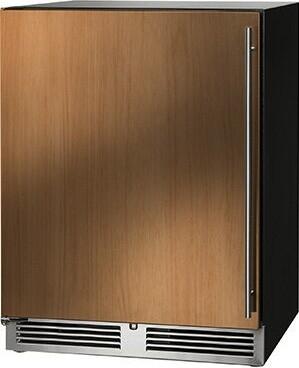
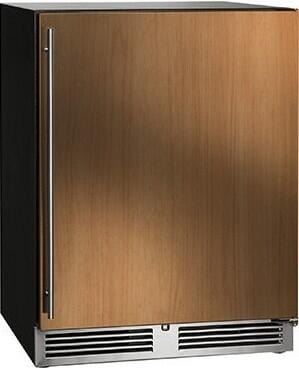
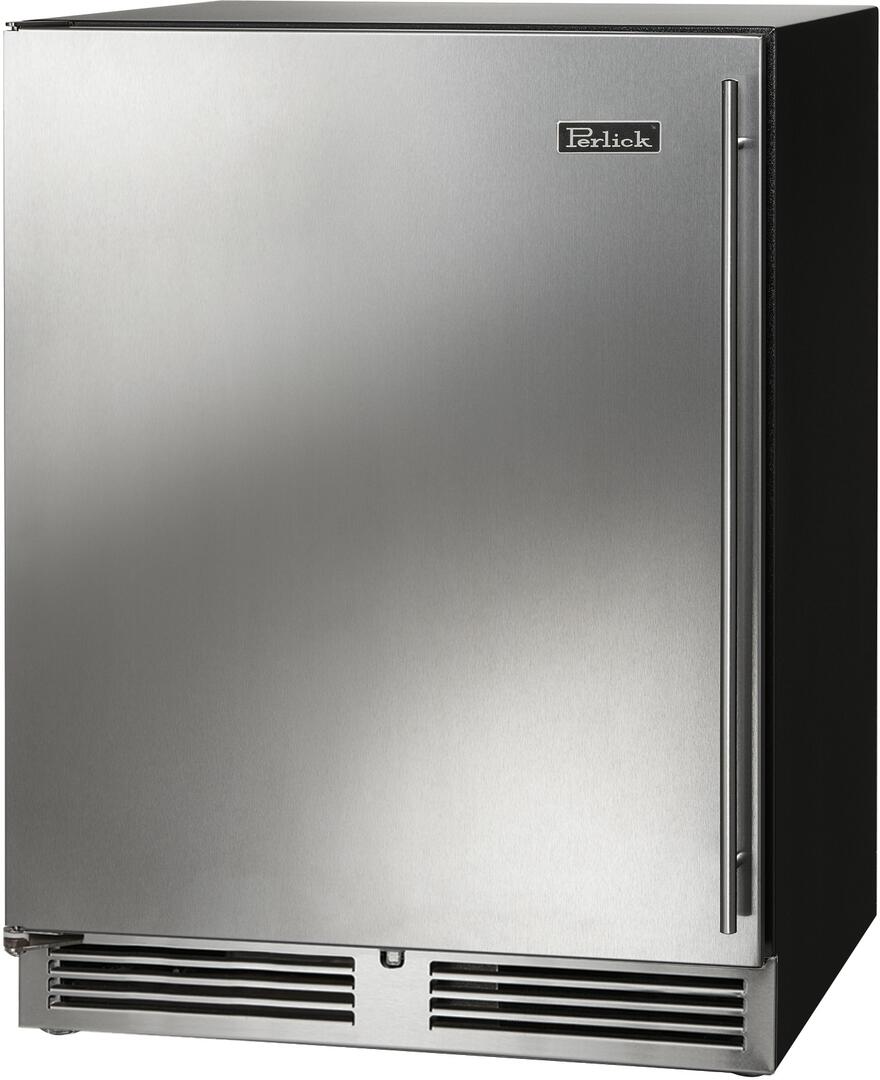
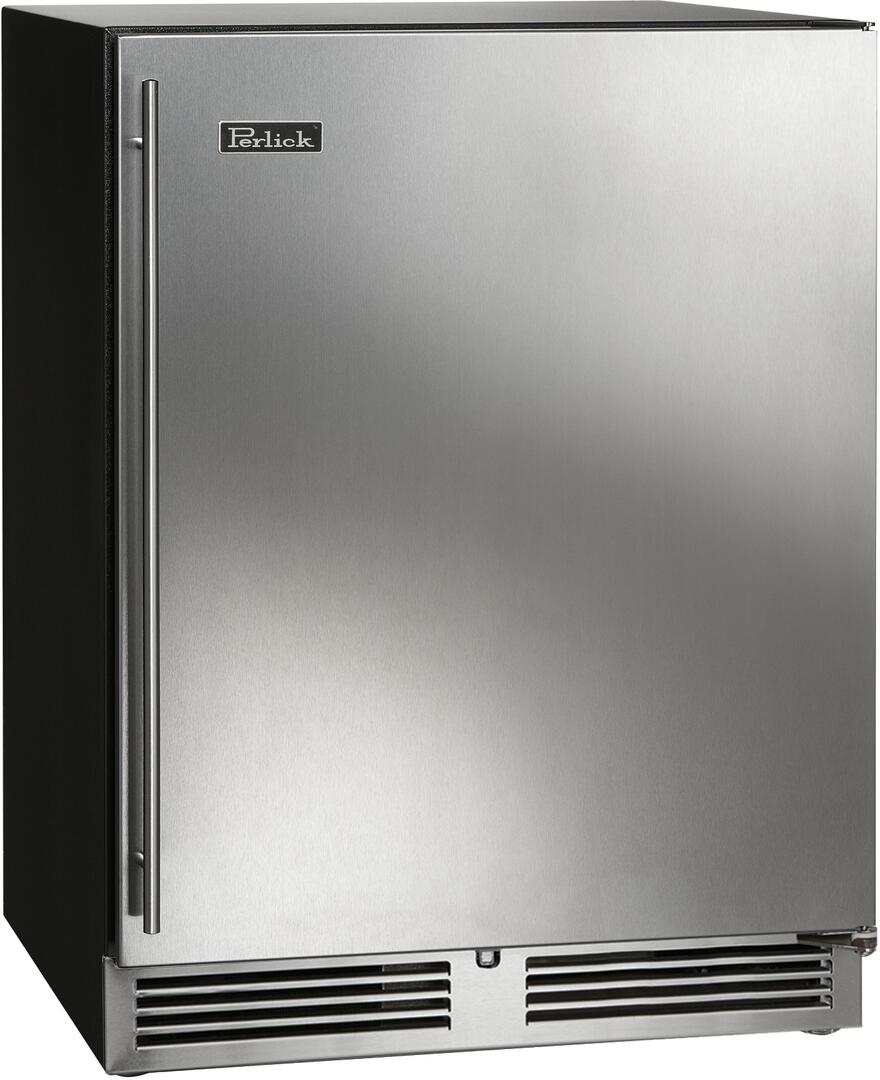
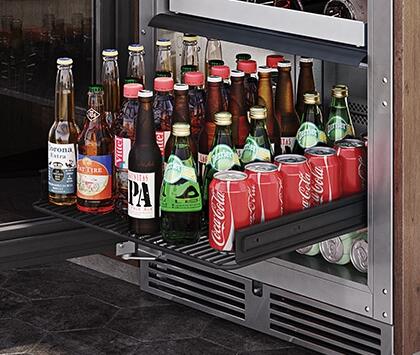
Freestanding beverage centers require rear and side airflow clearance. Built-in models use front ventilation and can be installed flush with cabinetry.
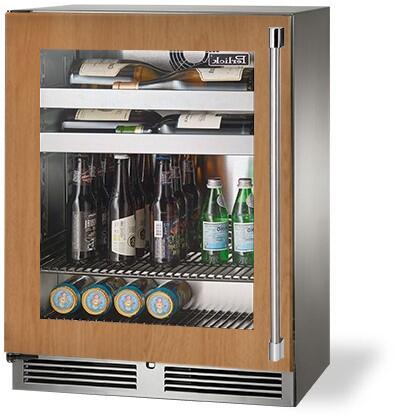
Choose a dual-zone beverage center if you store both wine and canned beverages. Single-zone units cannot maintain separate serving temperatures.
Most beverage centers operate best between 34°F and 50°F. Temperatures below this range can freeze canned beverages and damage wine.
Only beverage centers with UV-resistant glass help reduce light exposure. Standard clear glass allows UV penetration that can affect wine storage.
Do not install beverage centers in unconditioned garages unless the unit is garage-rated. Extreme ambient temperatures will reduce cooling performance and compressor lifespan.