📚 Frequently Asked Questions (FAQs)
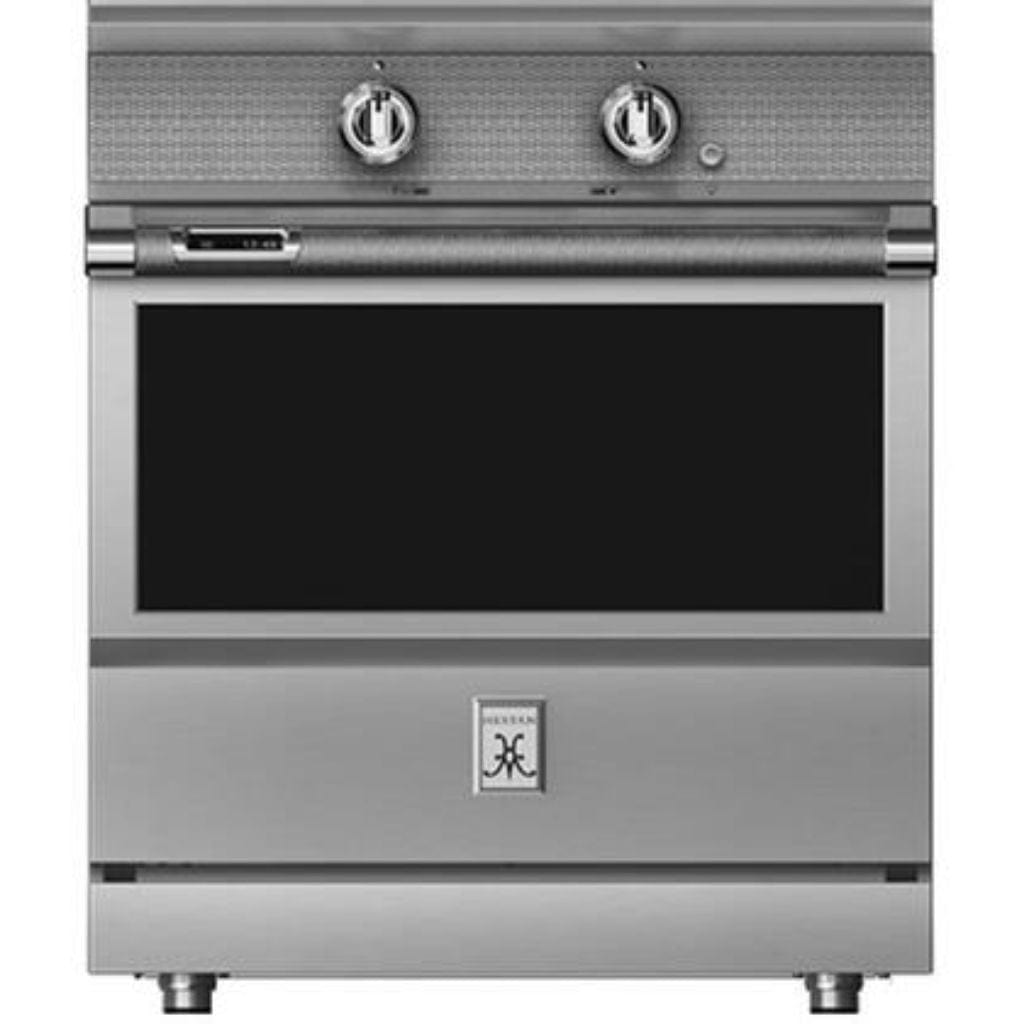
Professional gas ranges typically require higher CFM ventilation because of increased heat and combustion output. Undersized range hoods will struggle to remove smoke and grease during high-heat cooking.
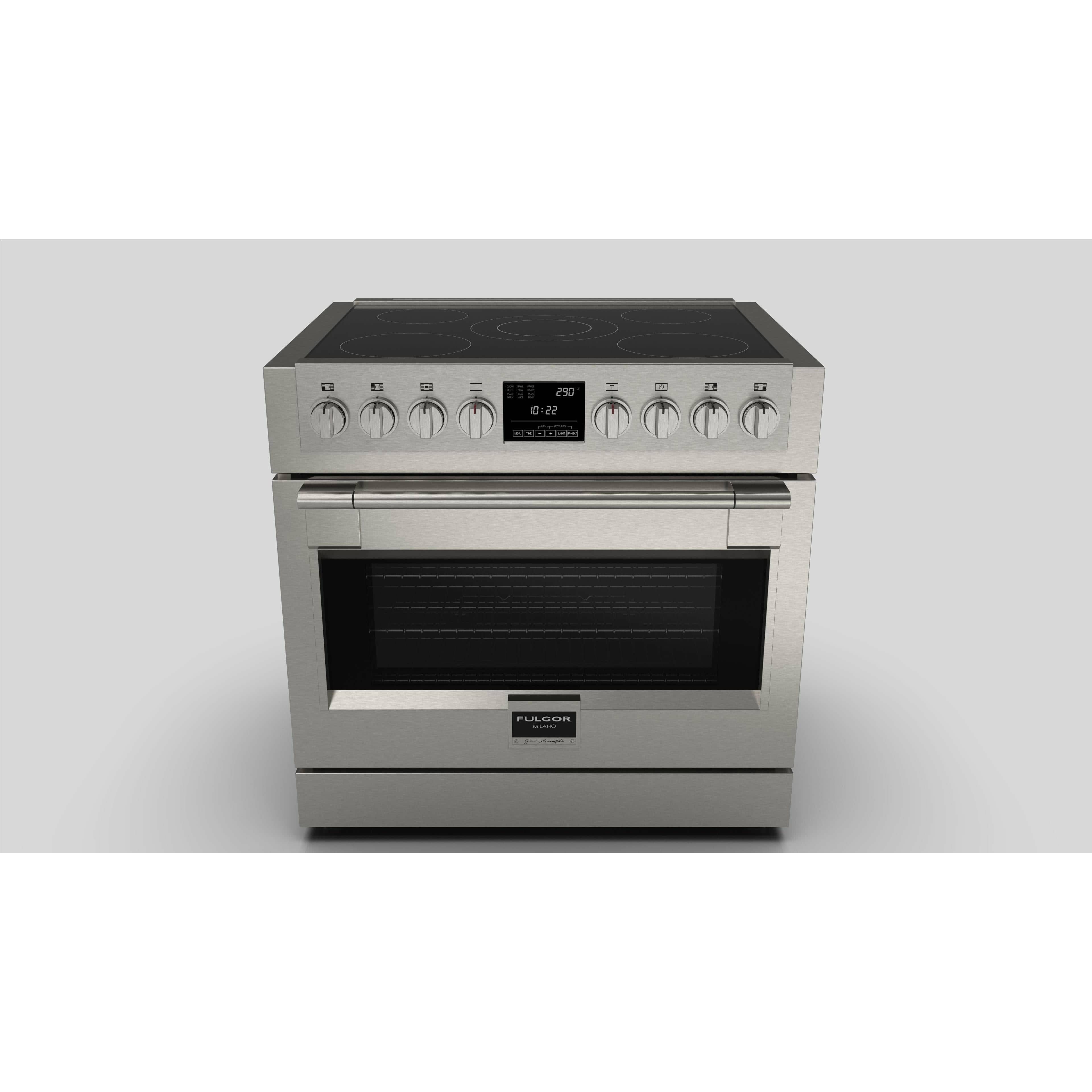
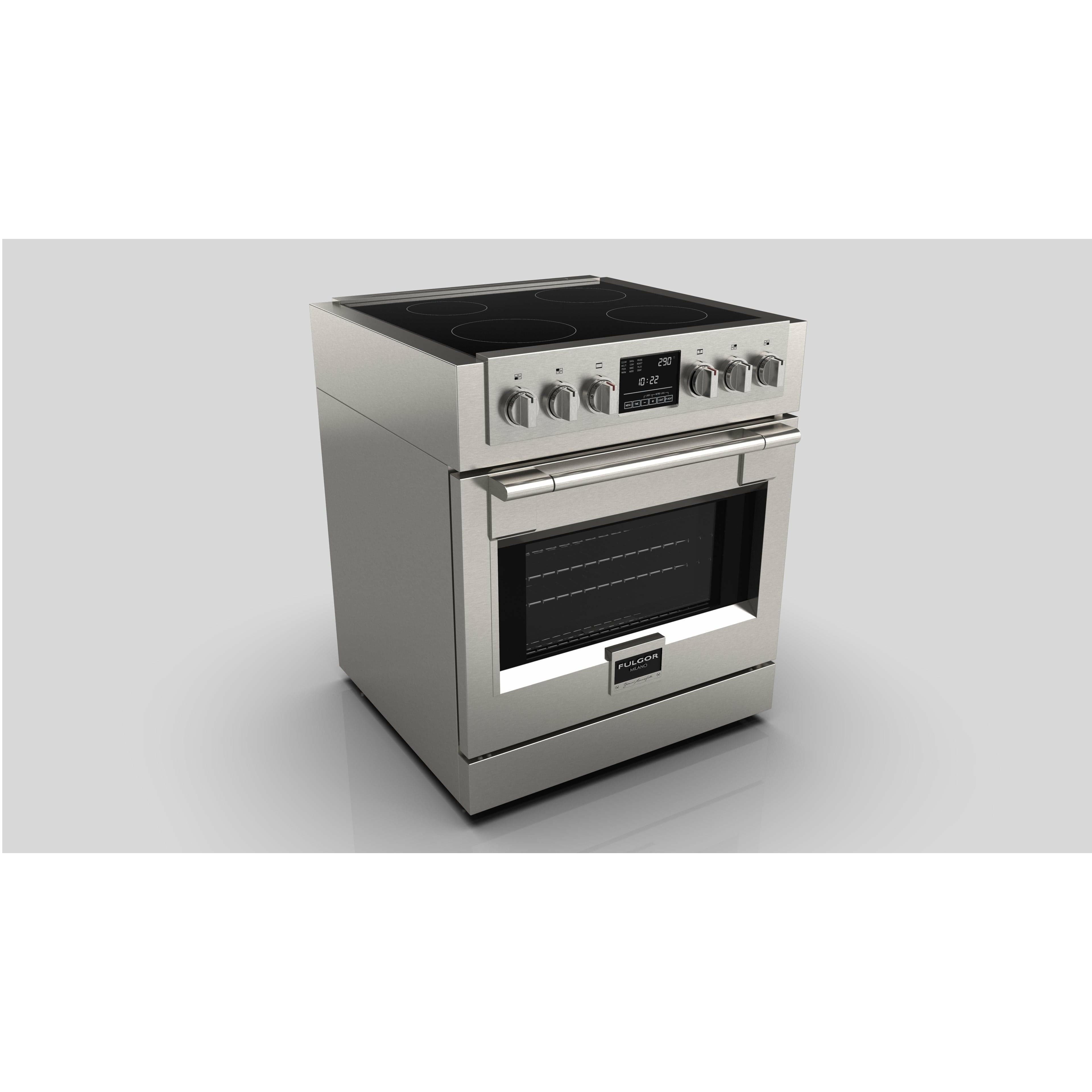
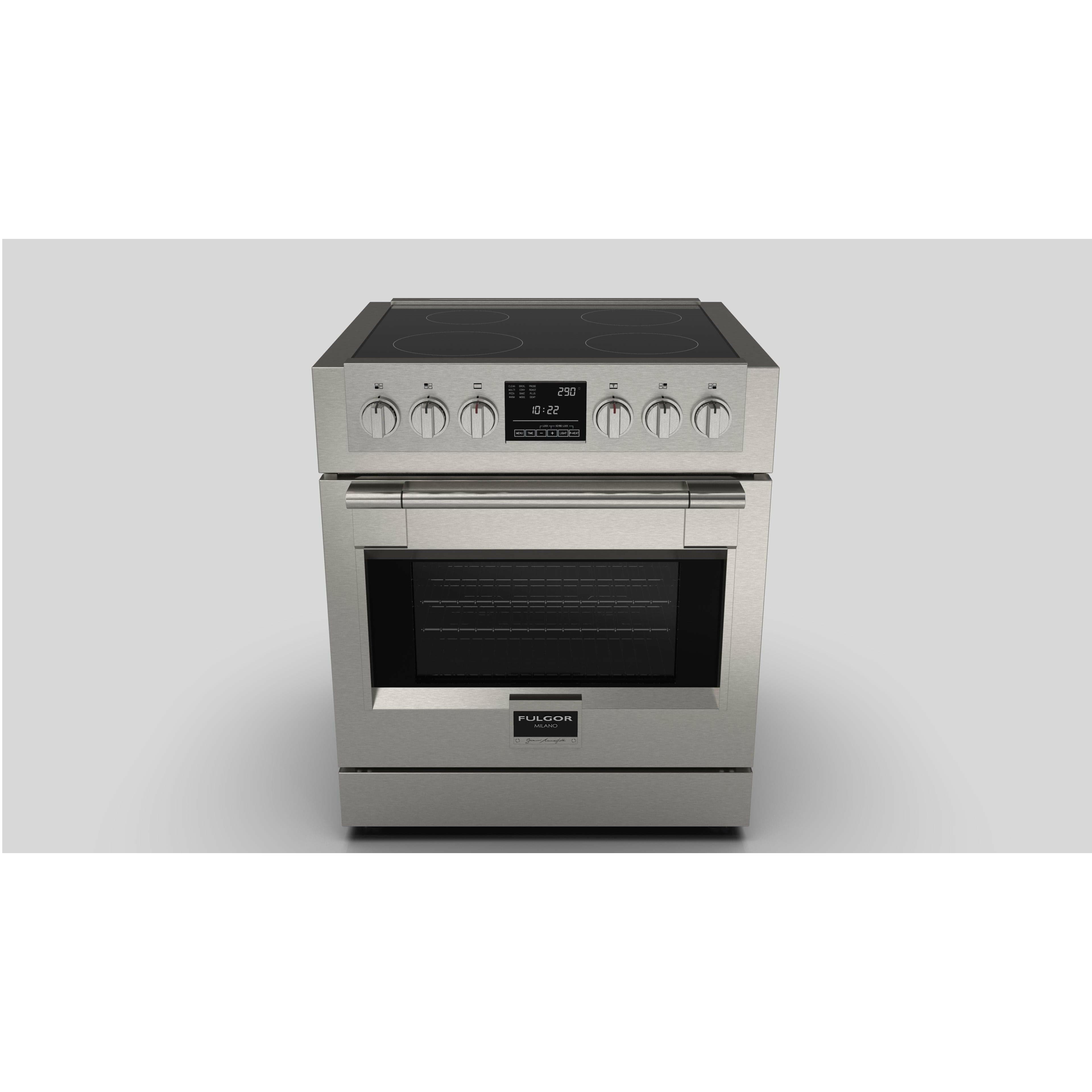
Induction ranges only work with magnetic cookware such as cast iron or magnetic stainless steel. Aluminum, copper, and glass cookware will not heat unless the manufacturer states induction compatibility.
Most induction ranges require a dedicated 240V electrical circuit and higher amperage than standard electric ranges. Do not install an induction range without confirming breaker capacity and wiring compatibility.
Induction ranges provide faster boil times, more precise temperature control, and higher energy efficiency than gas ranges. Gas ranges remain preferred for live-flame cooking techniques such as open-flame charring.
The cookware heats directly while the cooktop surface remains cooler than gas or radiant electric surfaces. The glass surface will still retain residual heat from hot cookware after cooking.
Induction ranges use glass-ceramic surfaces that can scratch from rough cookware or sliding heavy pots across the cooktop. Avoid dragging cast iron cookware directly across the surface.
Yes. Induction cooking produces heat, steam, grease, and airborne cooking particles that still require proper kitchen ventilation. Induction ranges do not eliminate the need for a range hood.
Induction ranges are safer than gas ranges because there are no open flames or exposed heating elements. The cooking surface still becomes warm from residual pan heat after use.
Induction cooking transfers energy directly into the cookware with less ambient heat loss than gas or radiant electric cooking. This reduces wasted heat and helps keep kitchens cooler during cooking.