📚 Frequently Asked Questions (FAQs)
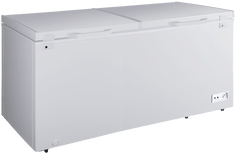
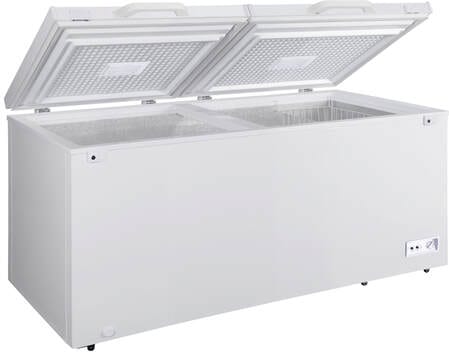
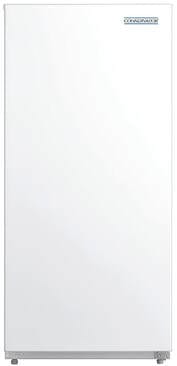
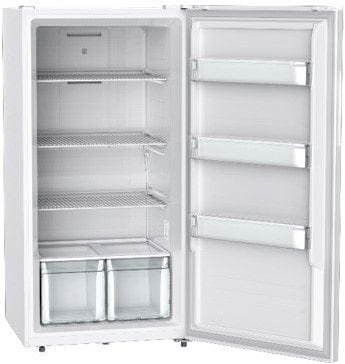
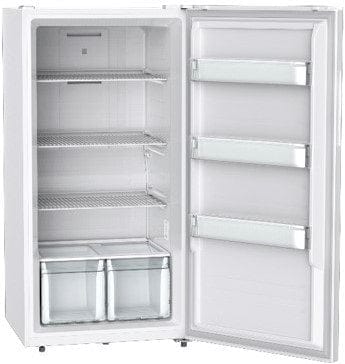
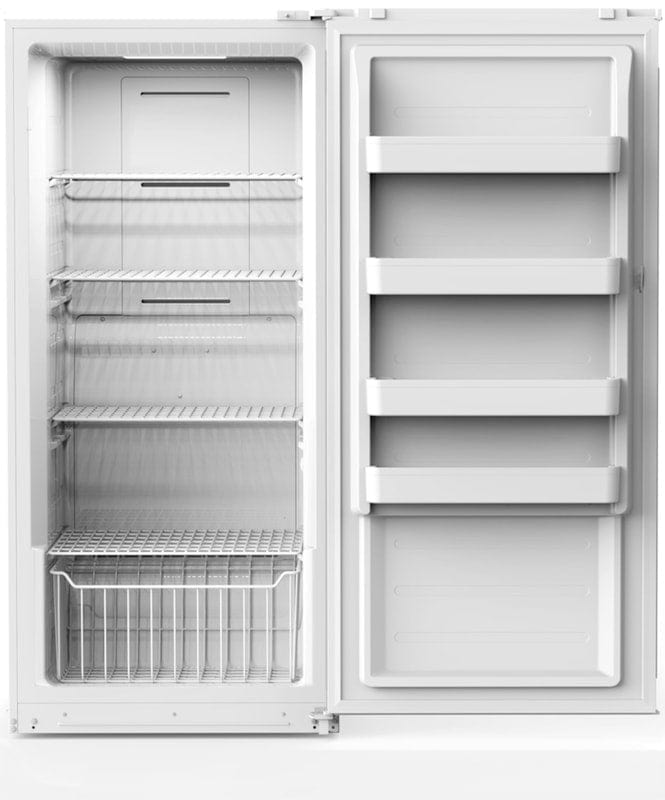
Upright freezers provide easier organization and faster access to frozen foods. Chest freezers hold temperature longer during power outages and are better for bulk storage.
Do not install a freestanding freezer inside enclosed cabinetry unless the manufacturer specifically approves built-in installation. Restricted airflow will cause overheating and compressor strain.
Standard freezers can fail in garages with extreme temperature swings. Use a garage-ready freezer if the space drops below or rises above normal indoor temperatures.
Chest freezers are better for long-term bulk storage because they maximize usable capacity. Upright freezers are better for households prioritizing organization and accessibility.
Frost-free freezers reduce manual defrosting but require proper airflow to maintain efficiency. Overpacking the interior restricts circulation and reduces cooling consistency.
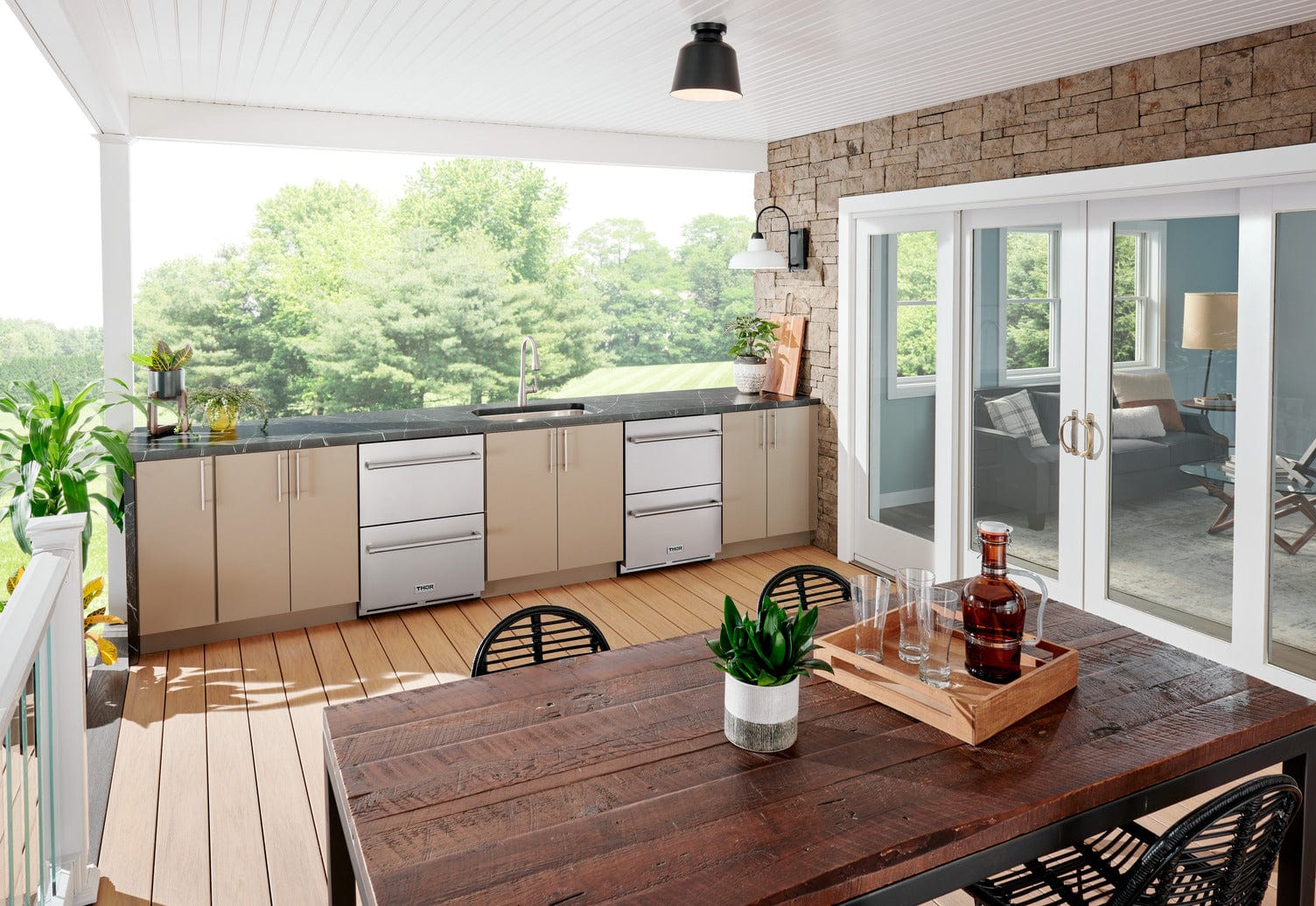
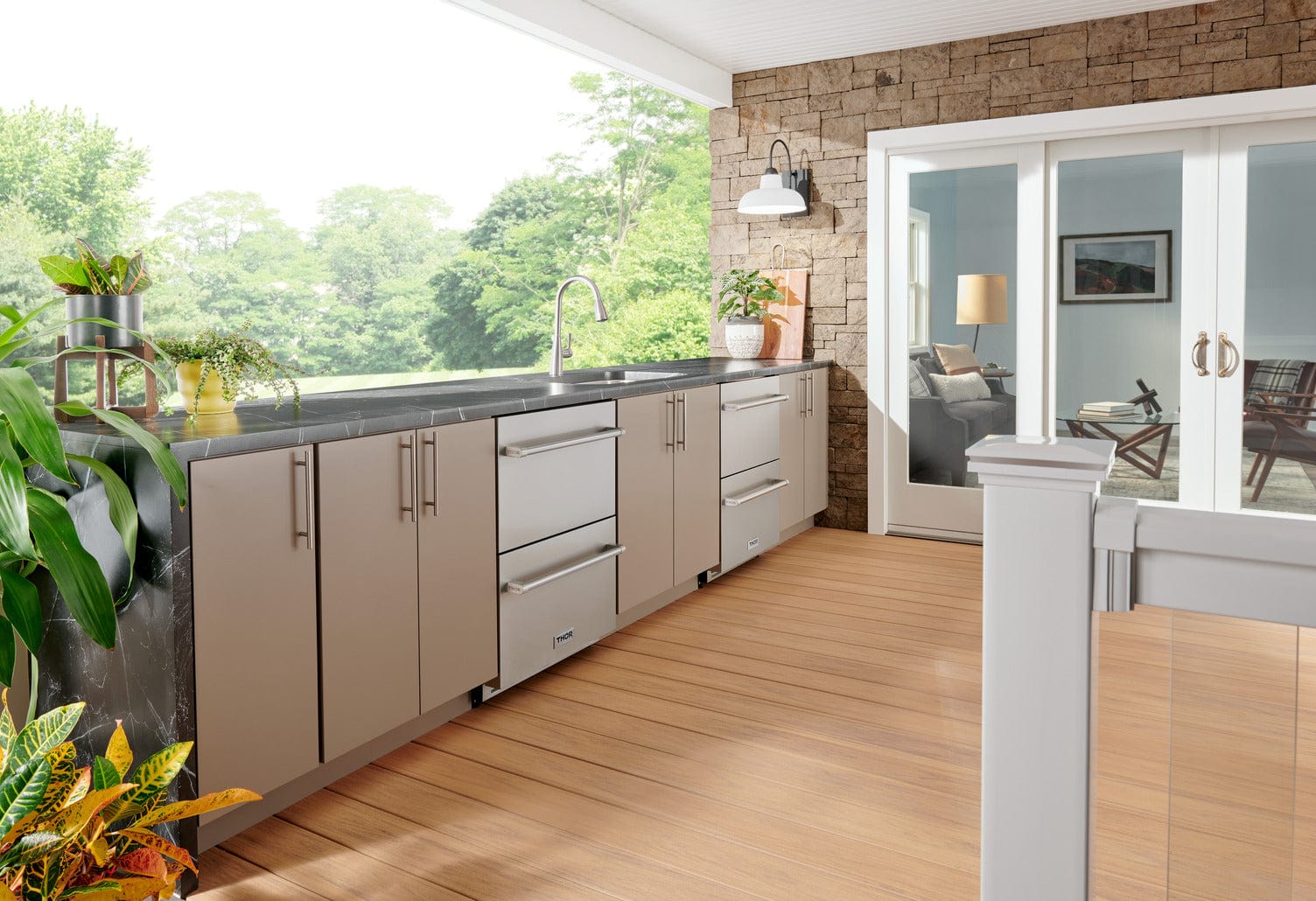
Outdoor-rated freezers can be used indoors, but indoor freezers should not be installed outdoors. Moisture exposure and temperature swings will damage non-outdoor-rated components.
Built-in freezers are designed for cabinet integration and front ventilation. Standard freestanding freezers require open-air clearance around the unit.
A freezer should maintain 0°F for long-term food preservation. Temperatures above 10°F increase the risk of freezer burn and food spoilage.