📚 Frequently Asked Questions (FAQs)
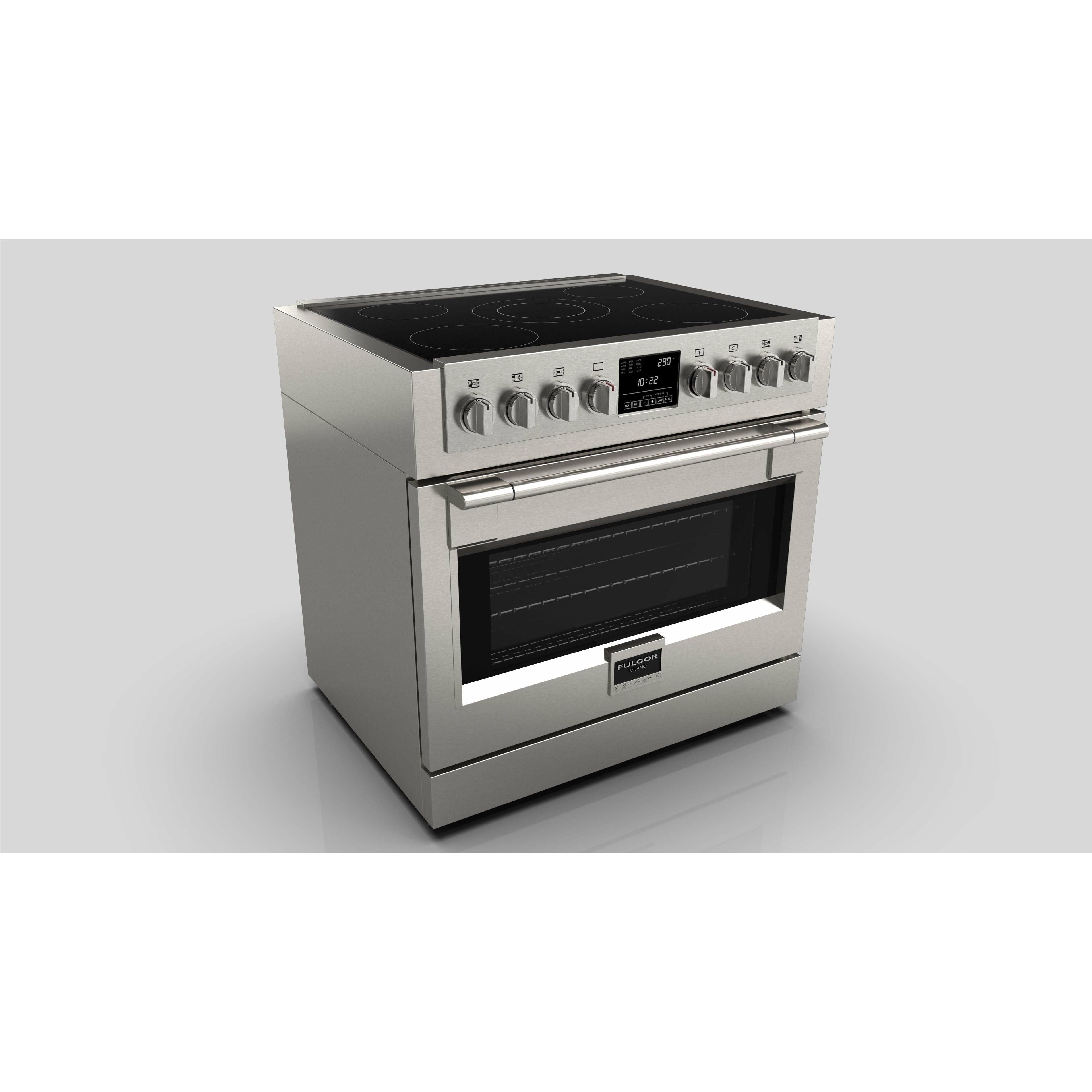
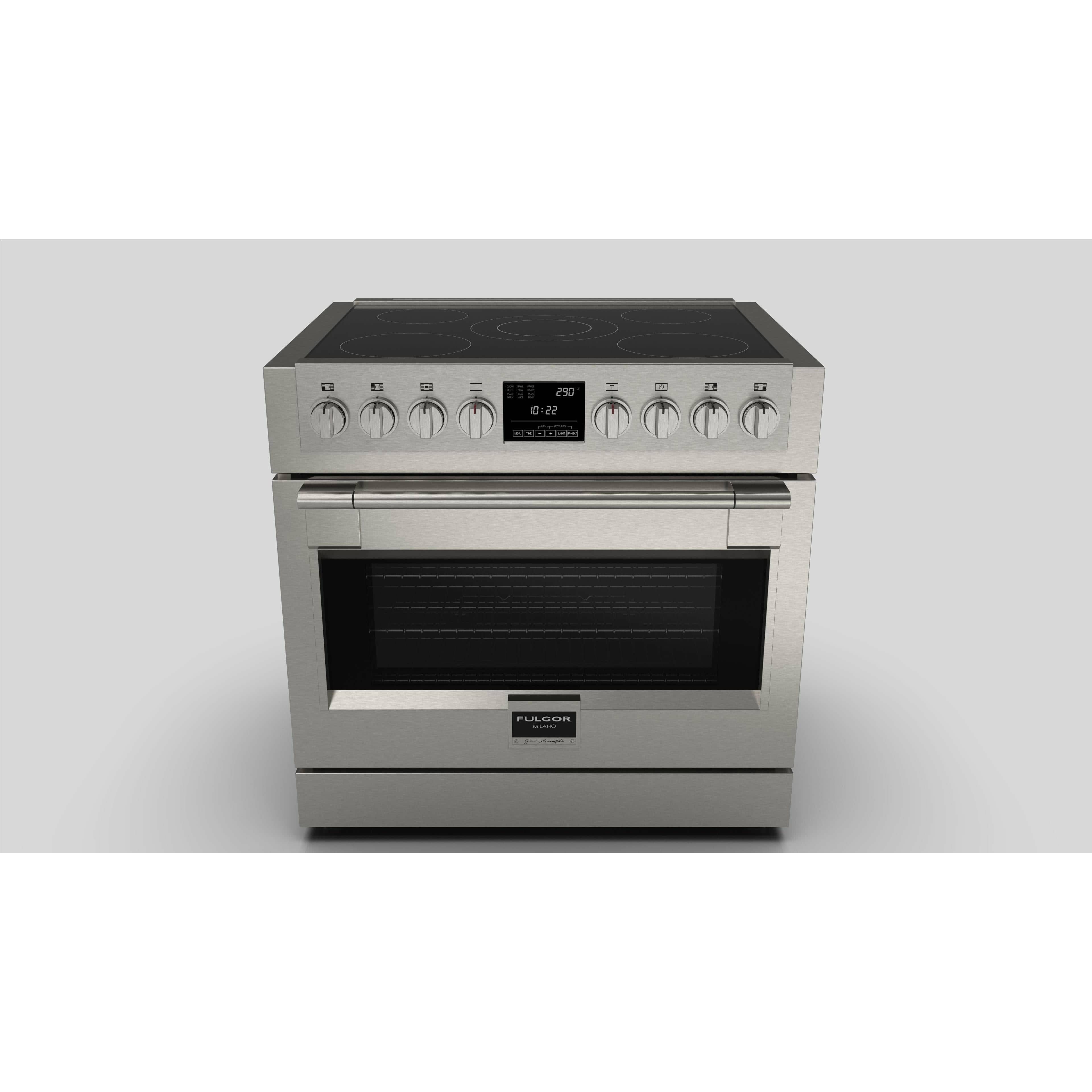
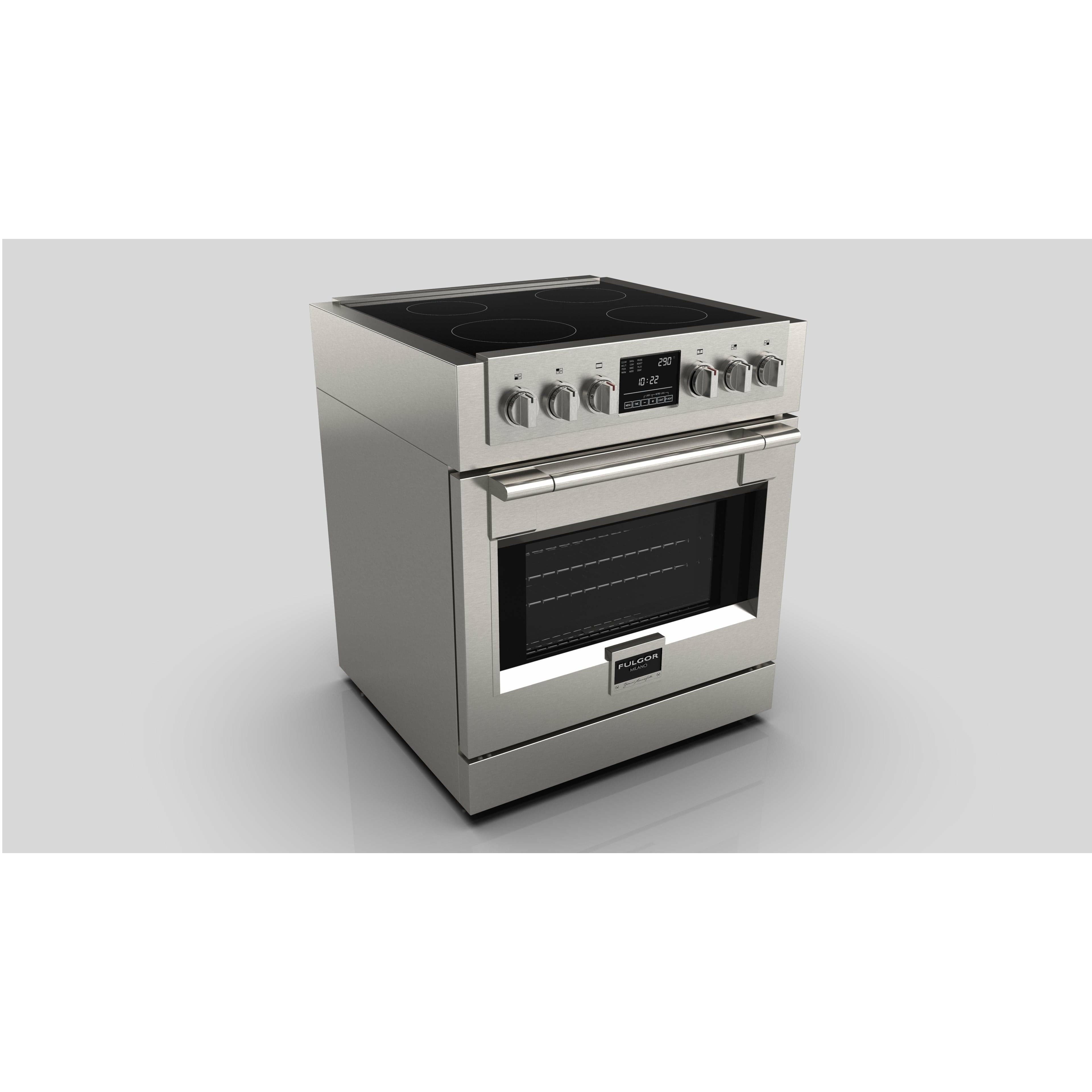
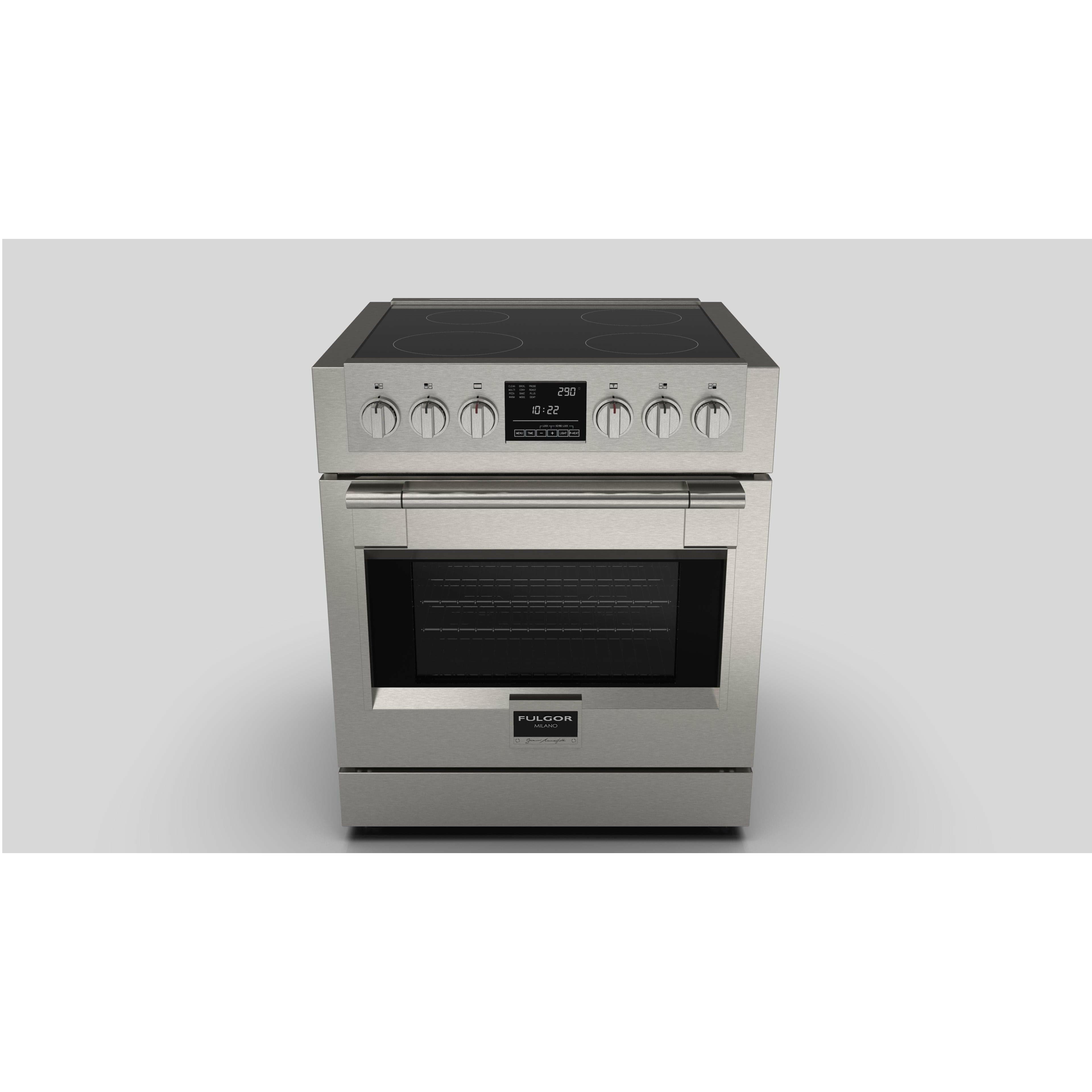
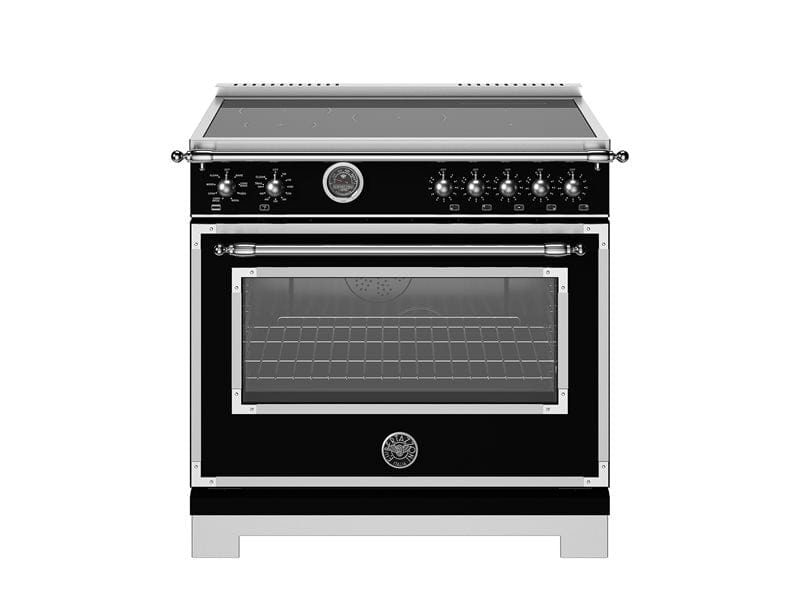
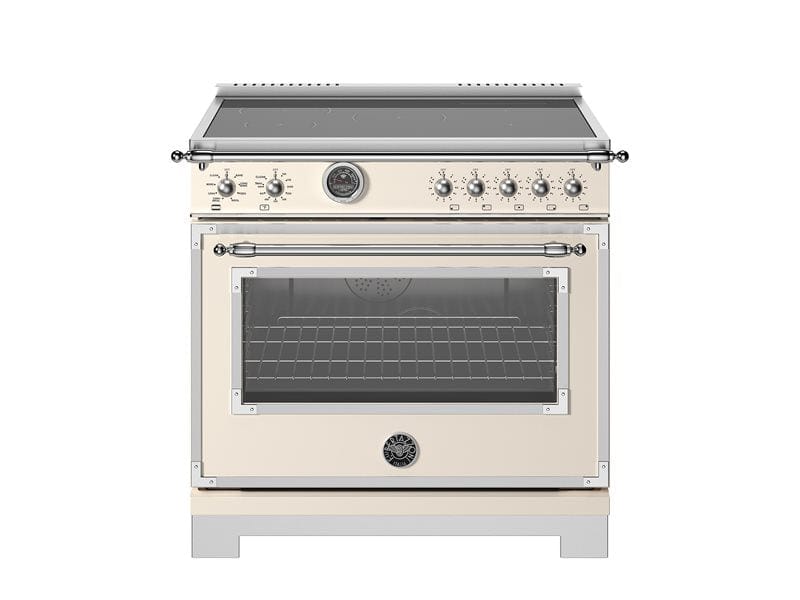
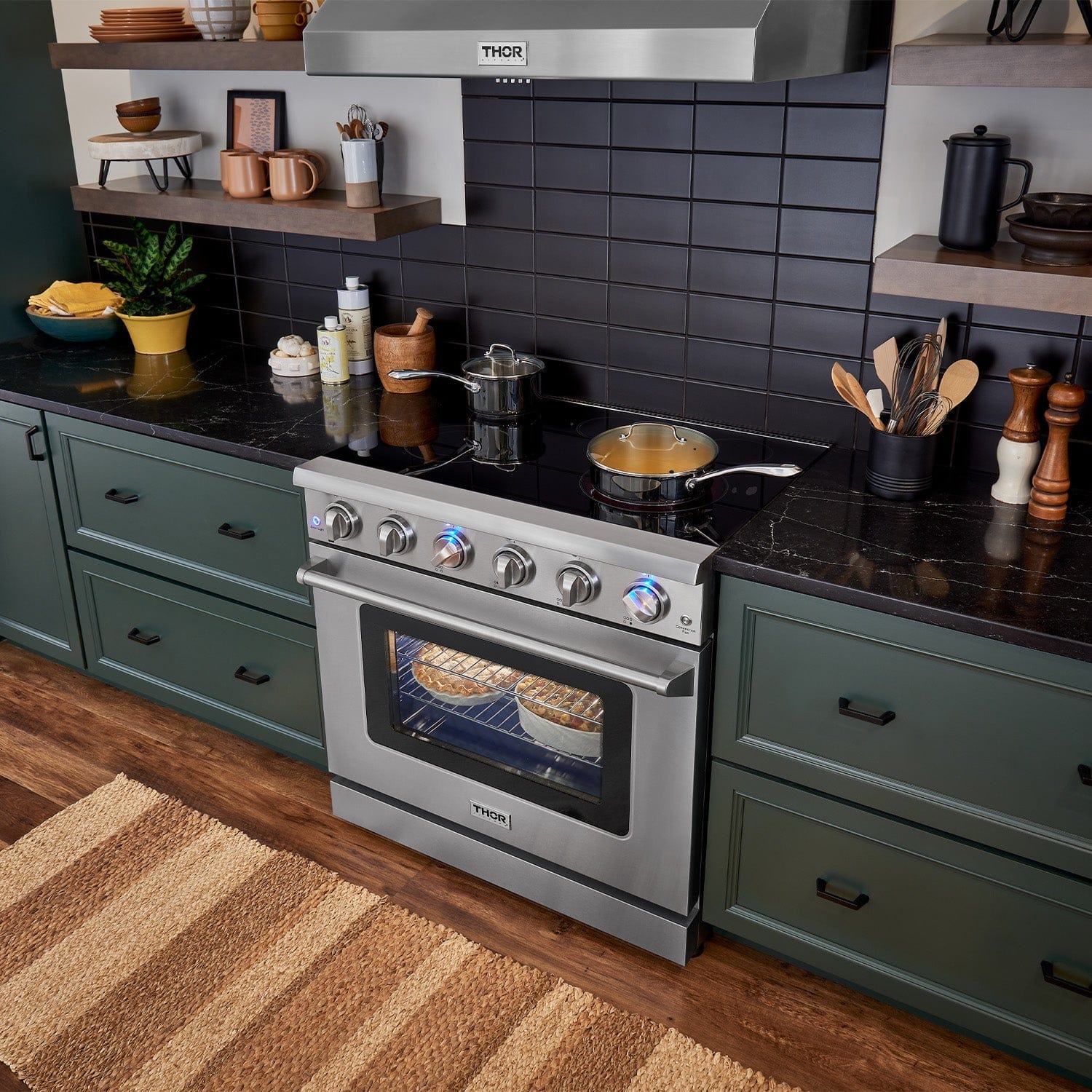
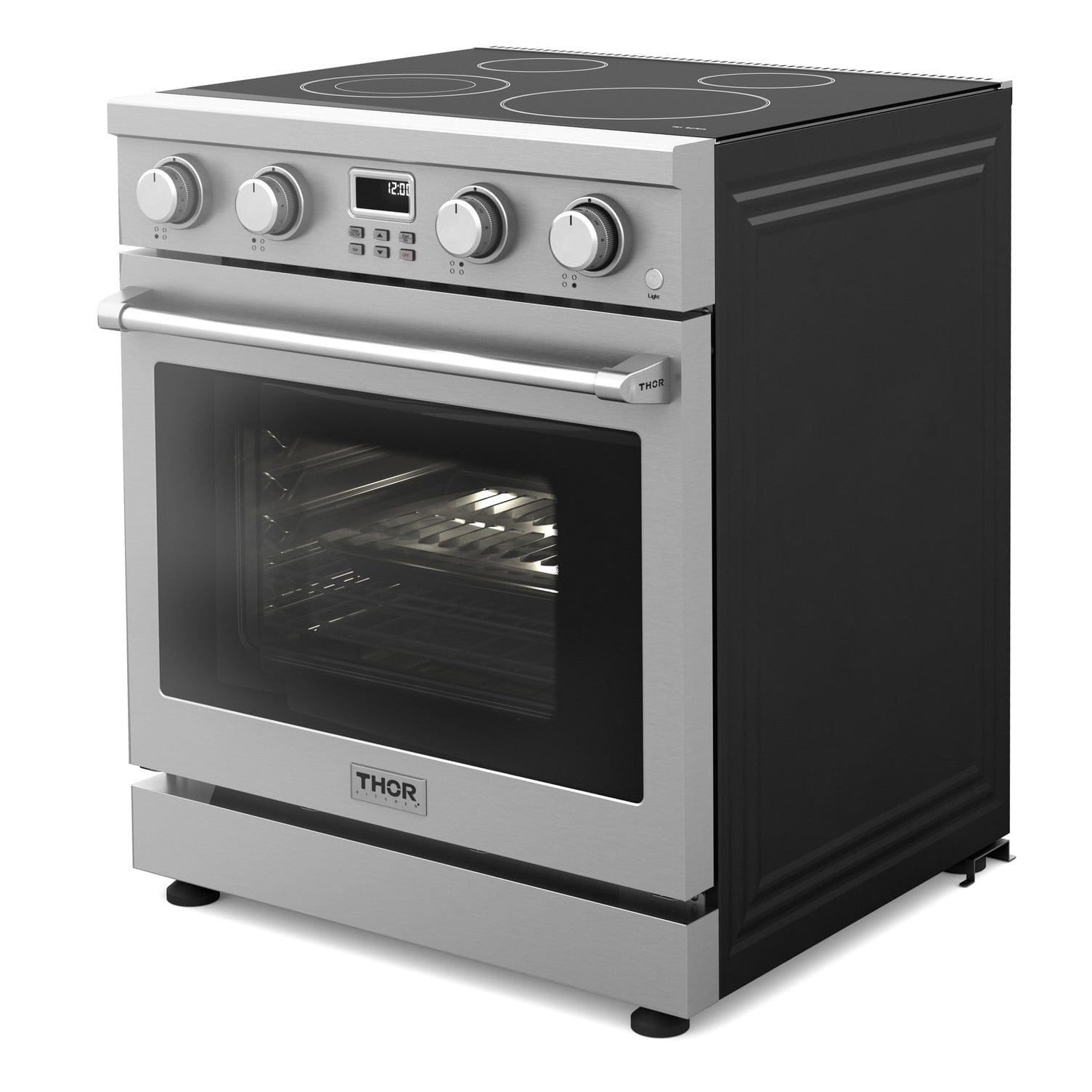
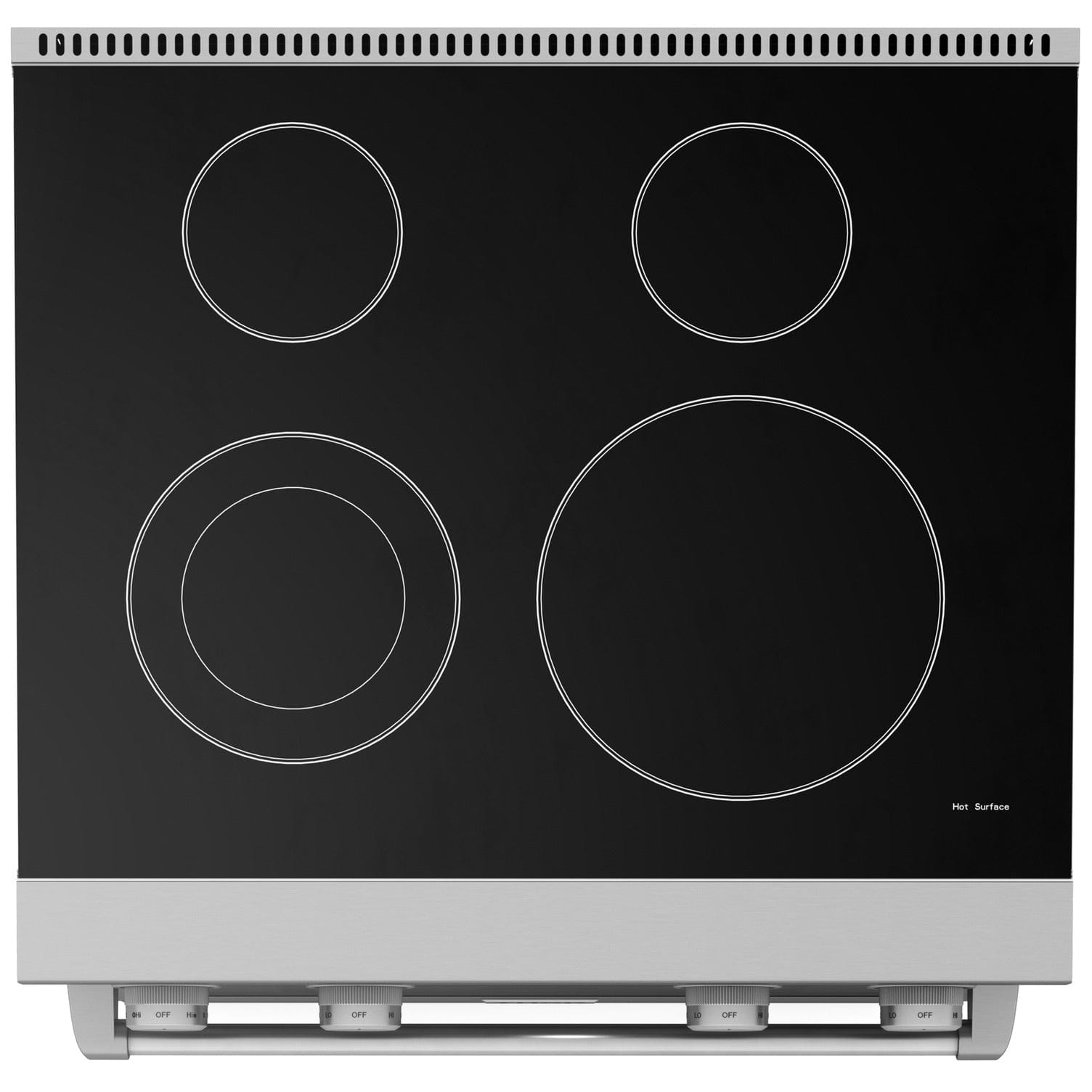
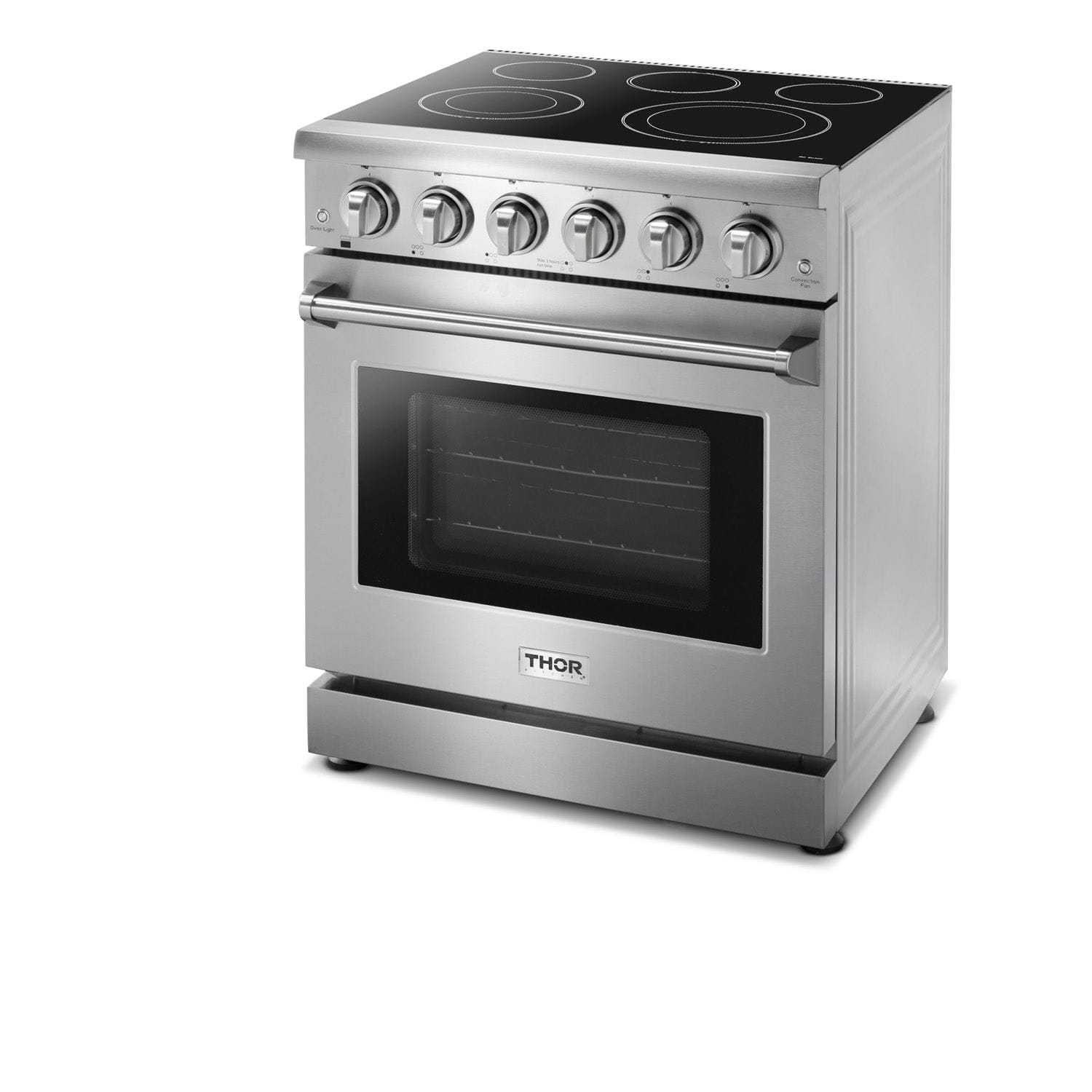
Yes. Electric ranges with smooth ceramic cooktops do not have open burners or grates, allowing spills to wipe clean with a flat surface cleaner.
Yes. Most full-size electric ranges require a dedicated 240-volt electrical connection installed by a licensed electrician.
Electric ranges convert most supplied energy directly into heat at the cooking surface. Older homes with outdated electrical systems may require panel upgrades before installation.
Yes. Electric ranges are designed for homes, apartments, and remodels where natural gas or propane connections are unavailable.
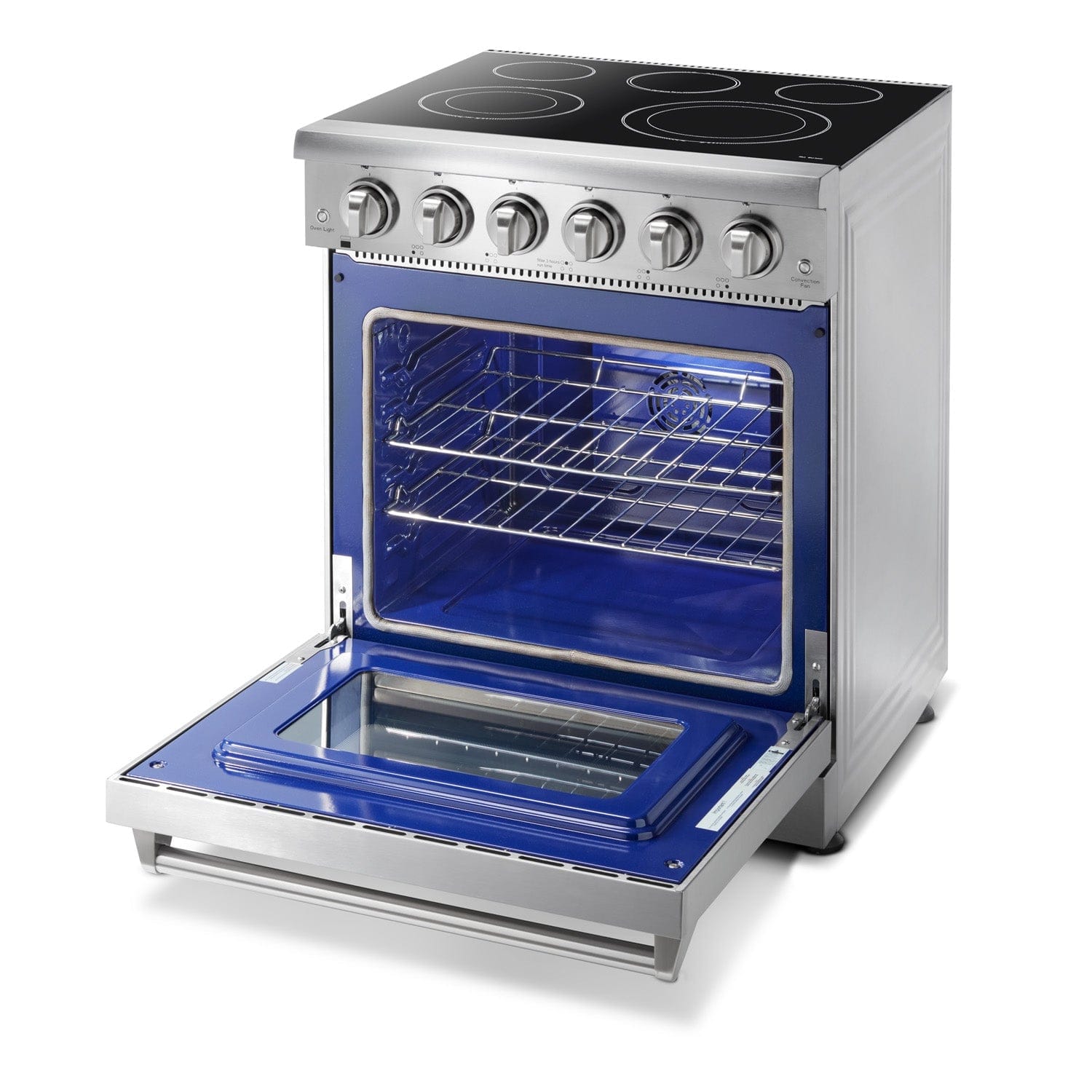
Standard electric ranges heat using radiant elements beneath the cooktop surface, while induction ranges heat compatible cookware through magnetic energy.
Modern electric ranges with high-output elements and convection ovens provide fast, consistent heating. Heat response adjustments are slower than induction cooking.
Yes. Cast iron cookware works on most electric cooktops, but rough or damaged pans can scratch ceramic glass surfaces.
Yes. Electric ranges still produce heat, grease vapor, and cooking smoke that require proper kitchen ventilation.
Electric ranges do not use open flames or combustible gas connections. Cooktop surfaces remain hot after use and require caution around children and pets.
Thirty-inch electric ranges fit most standard kitchens. Larger 36-inch and 48-inch models require additional cabinet clearance and higher electrical capacity.
Double oven electric ranges are ideal for households that cook multiple dishes at different temperatures simultaneously. They require more vertical interior space and typically cost more than single oven models.
No. Electric ranges require active electrical service and will not operate during outages unless connected to backup power systems.