Save 22%
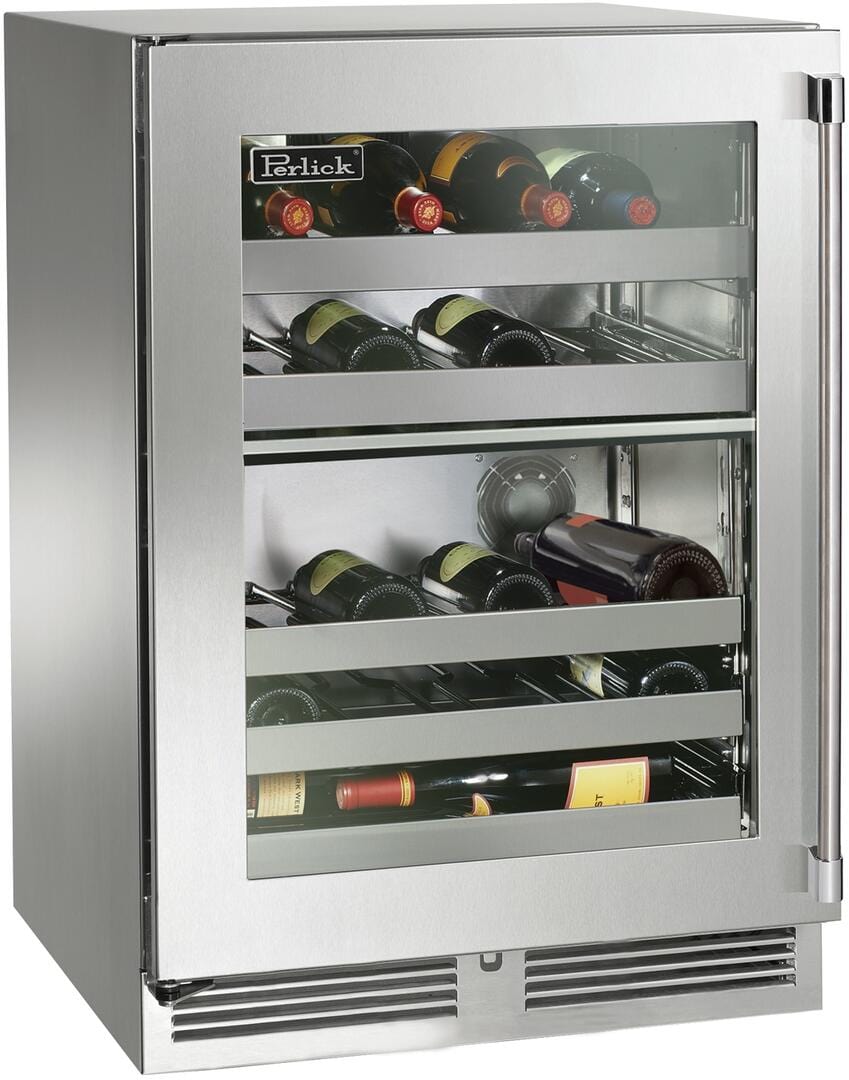
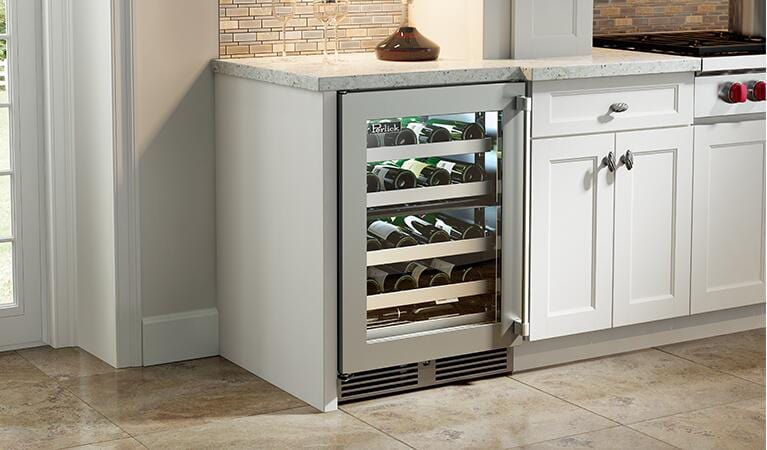
Sale priceFrom $7,106.40
Regular price$9,145.95
Perlick 24 inch Signature Series 32 Bottle Wine Cooler HP24DS-4-3Perlick
Save 22%
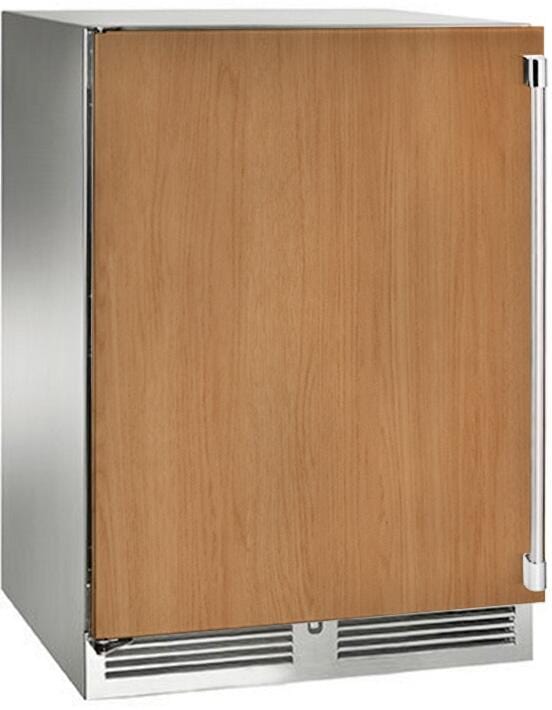
Sale priceFrom $6,627.60
Regular price$8,529.73
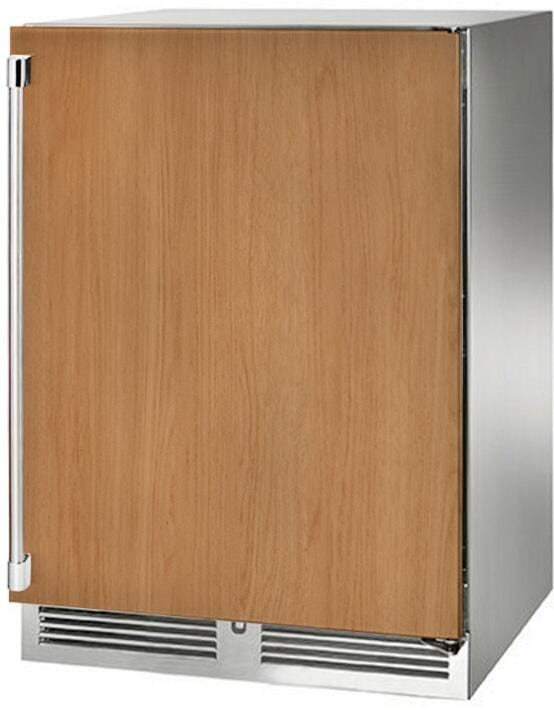
Perlick 24 inch Signature Series 32 Bottle Wine Cooler HP24DS-4-2Perlick
Save 22%
Sale priceFrom $6,848.10
Regular price$8,813.51
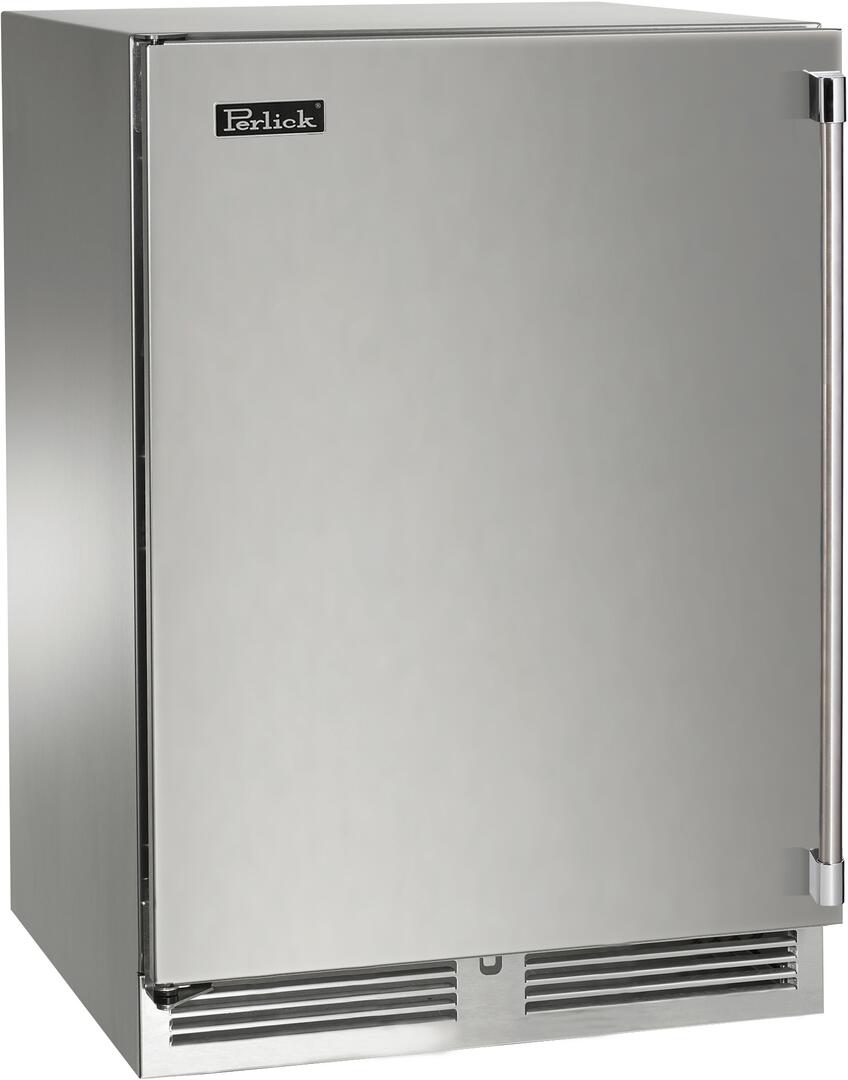
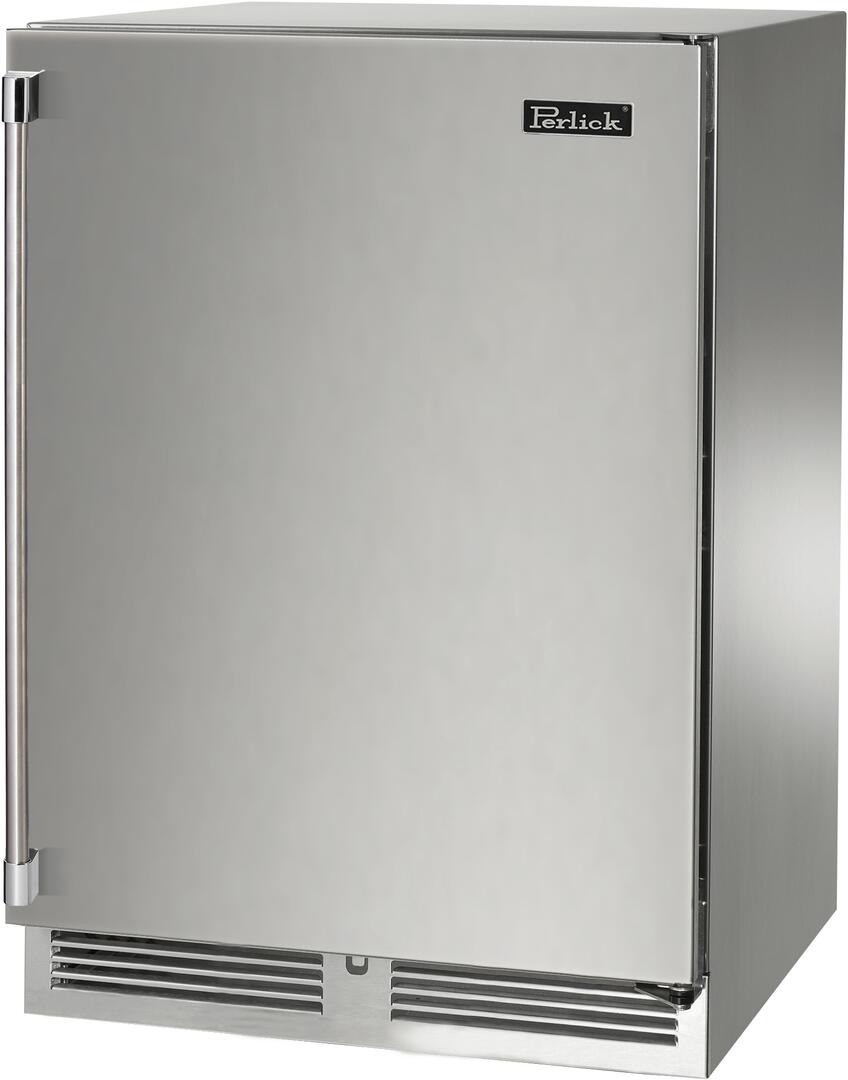
Perlick 24 inch Signature Series 32 Bottle Wine Cooler HP24DS-4-1Perlick
Save 22%
Sale priceFrom $6,463.80
Regular price$8,318.92
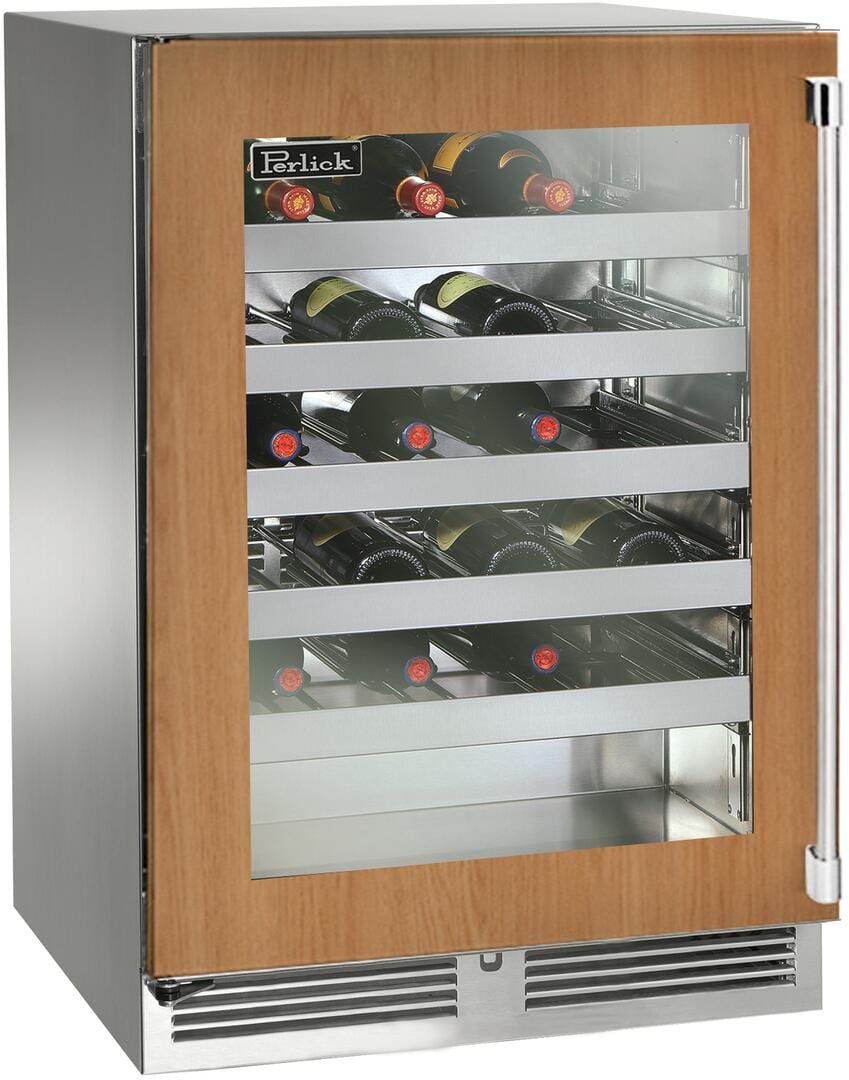
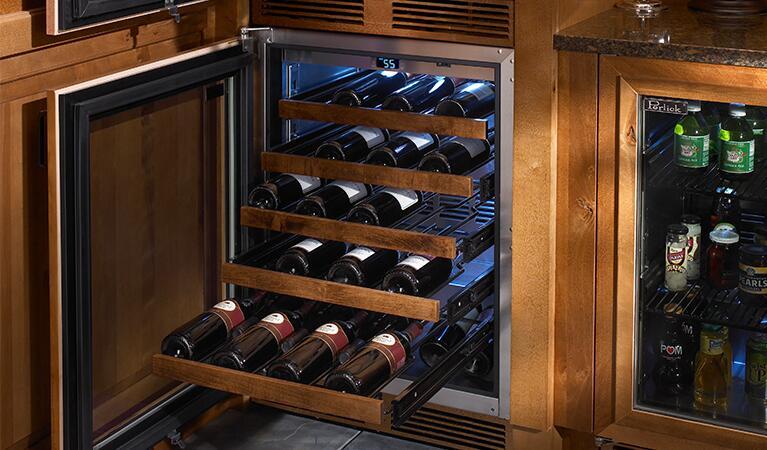
Perlick 24 inch Signature Series 45 Bottle Wine Cooler HP24WS-4-4Perlick
Save 22%
Sale priceFrom $6,665.40
Regular price$8,578.38
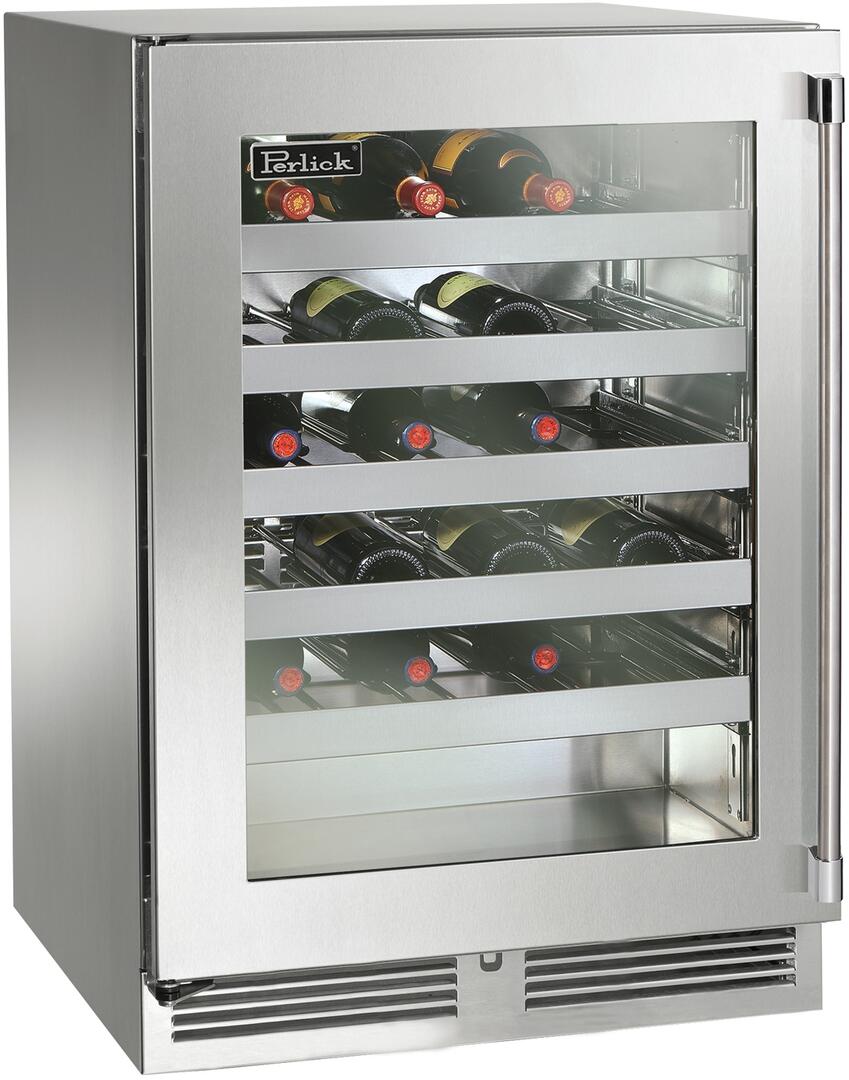
Perlick 24 inch Signature Series 45 Bottle Wine Cooler HP24WS-4-3Perlick
Save 22%
Sale priceFrom $6,199.20
Regular price$7,978.38
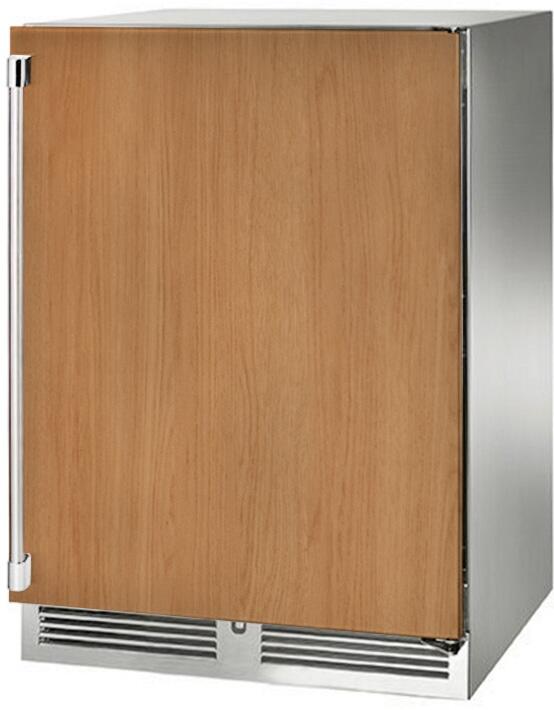
Perlick 24 inch Signature Series 45 Bottle Wine Cooler HP24WS-4-2Perlick
Save 22%
Sale priceFrom $6,413.40
Regular price$8,254.05
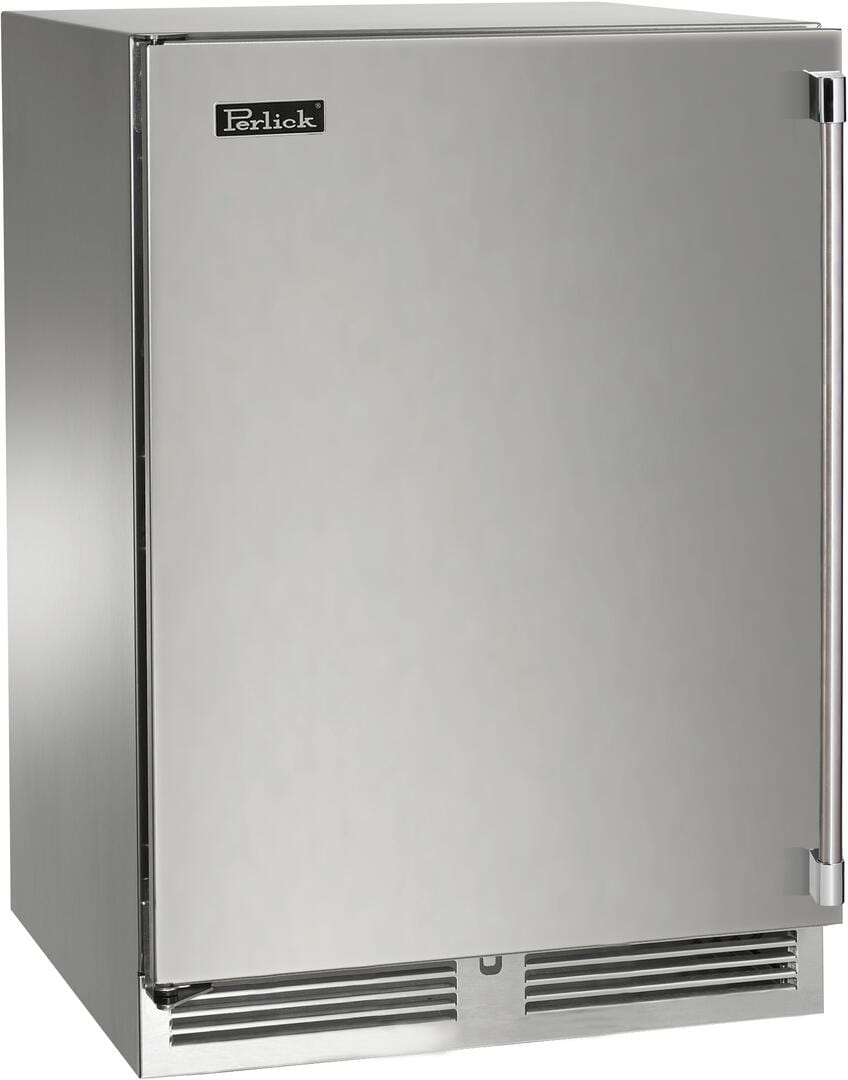
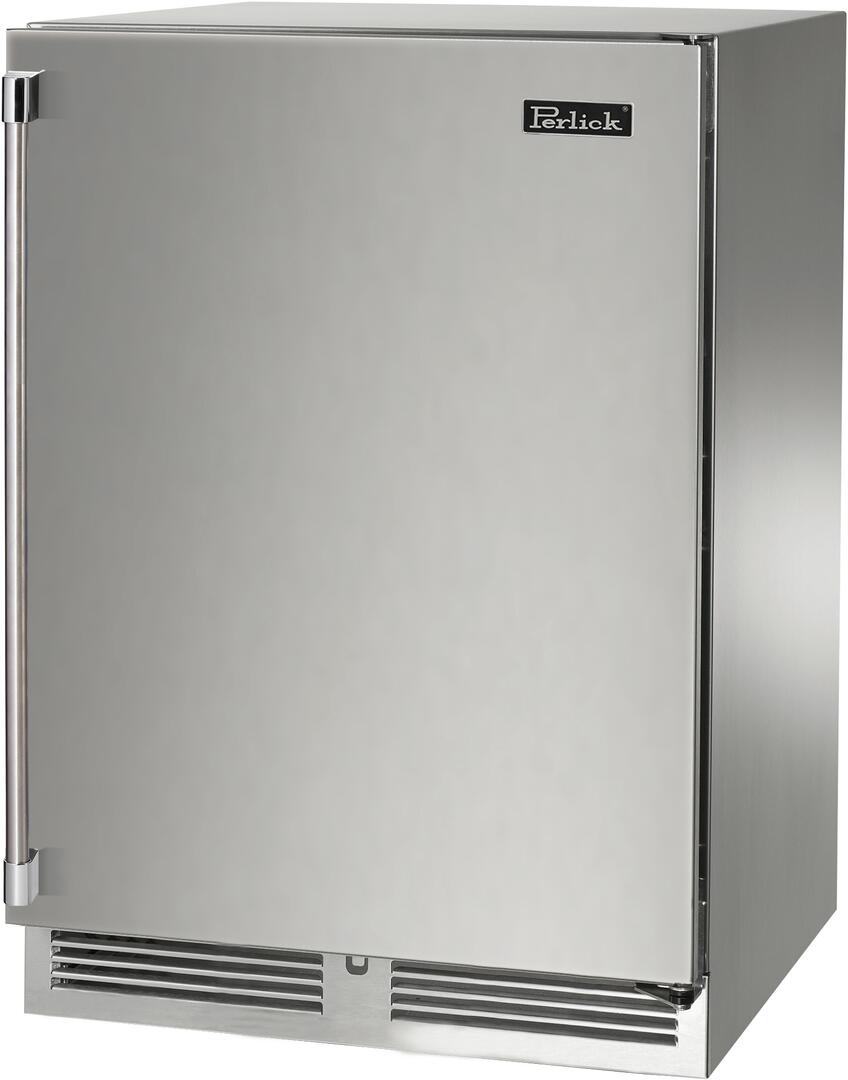
Perlick 24 inch Signature Series 45 Bottle Wine Cooler HP24WS-4-1Perlick
Save 22%
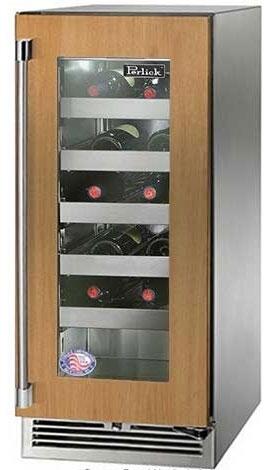
Sale priceFrom $6,331.50
Regular price$8,148.65
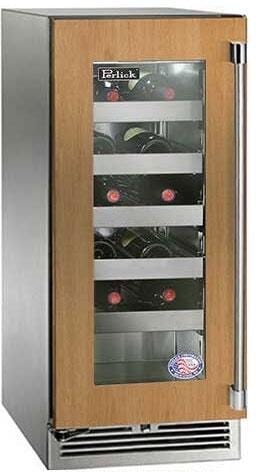
Perlick 15 inch Signature Series 20 Bottle Wine Cooler HP15WO-4-4Perlick
Save 22%
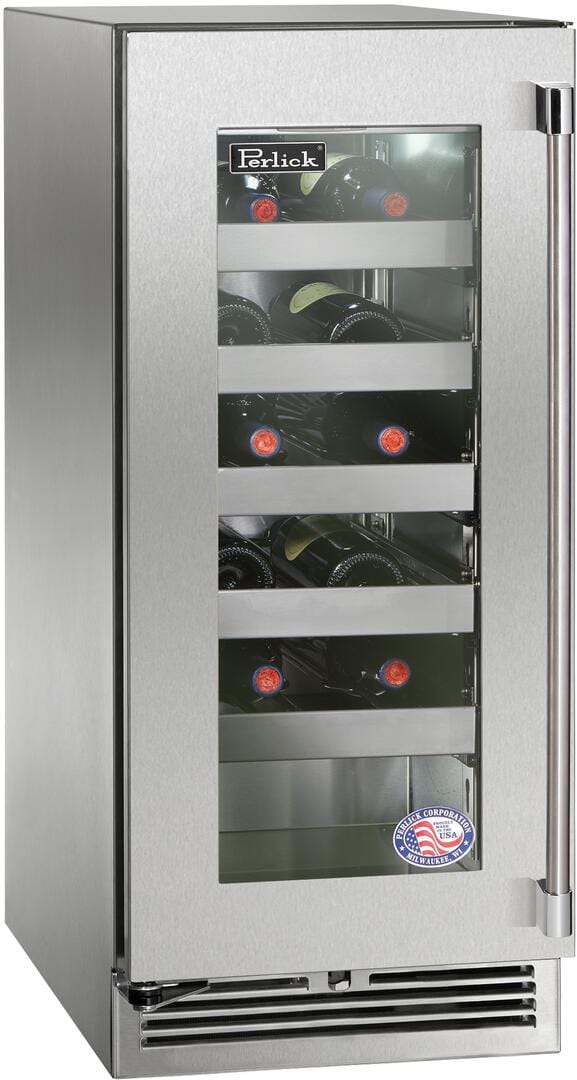
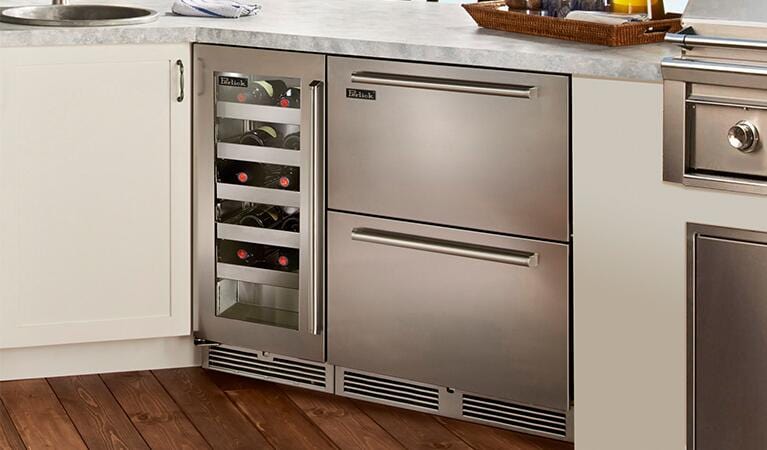
Sale priceFrom $6,552.00
Regular price$8,432.43
Perlick 15 inch Signature Series 20 Bottle Wine Cooler HP15WO-4-3Perlick
Save 22%
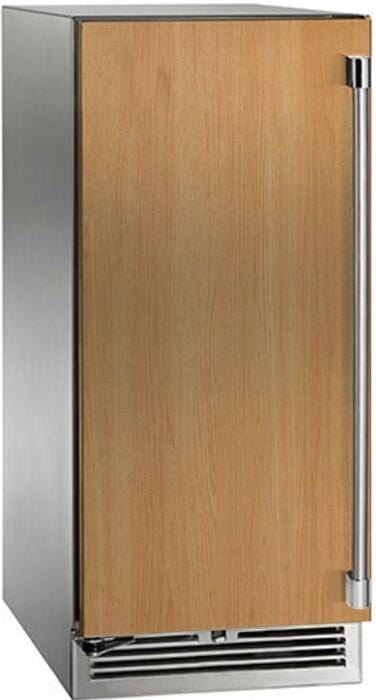
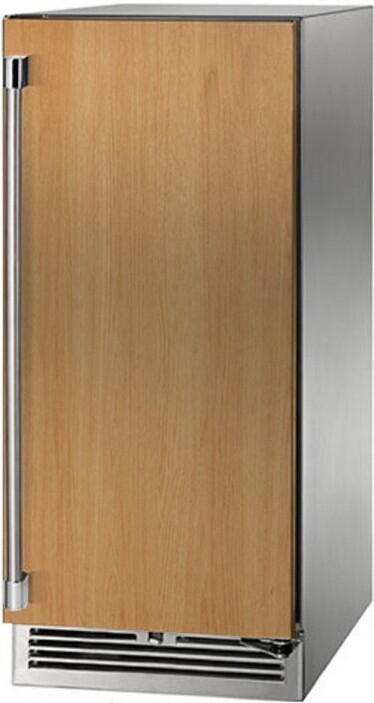
Sale priceFrom $6,066.90
Regular price$7,808.11
Perlick 15 inch Signature Series 20 Bottle Wine Cooler HP15WO-4-2Perlick
Save 22%
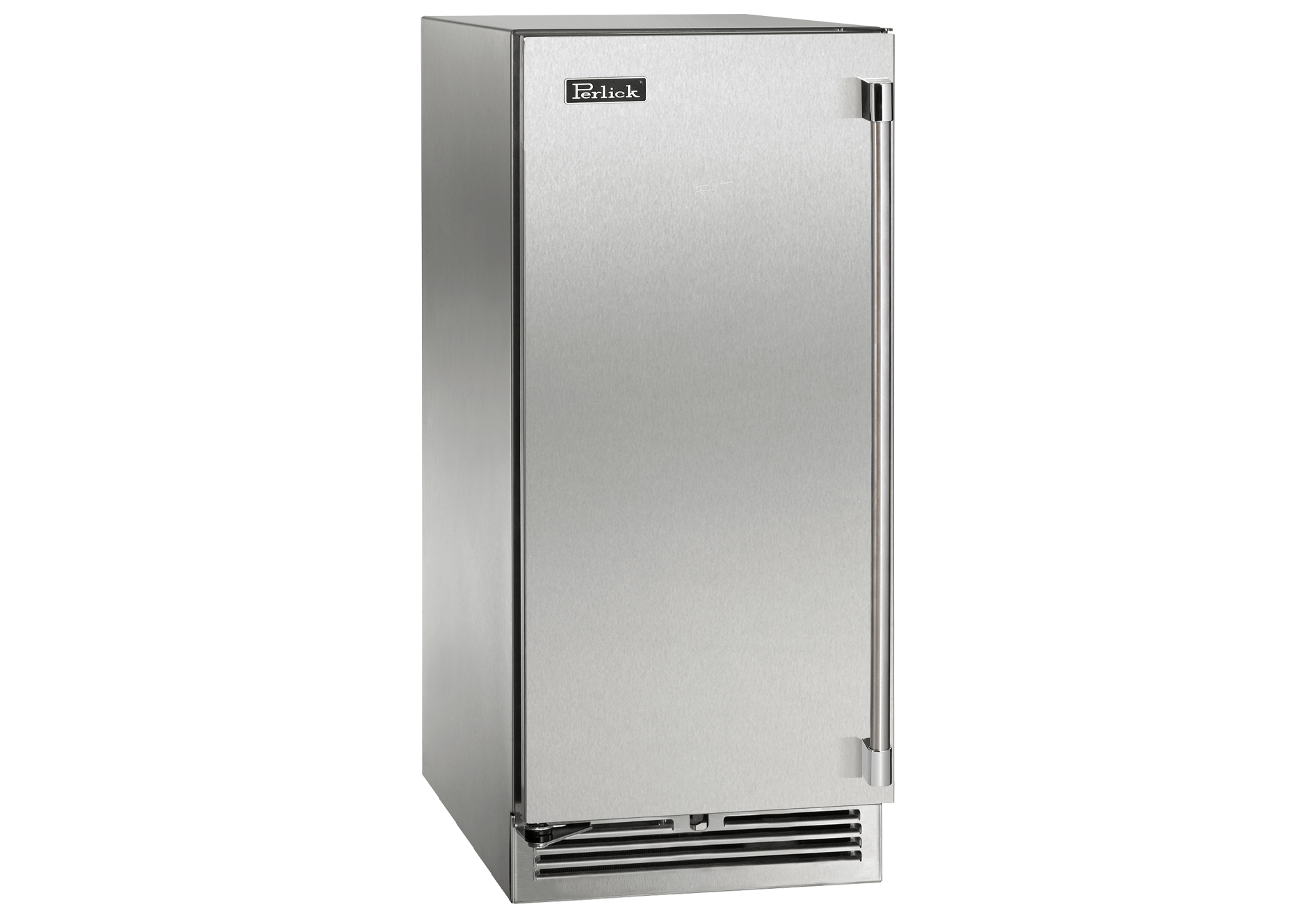
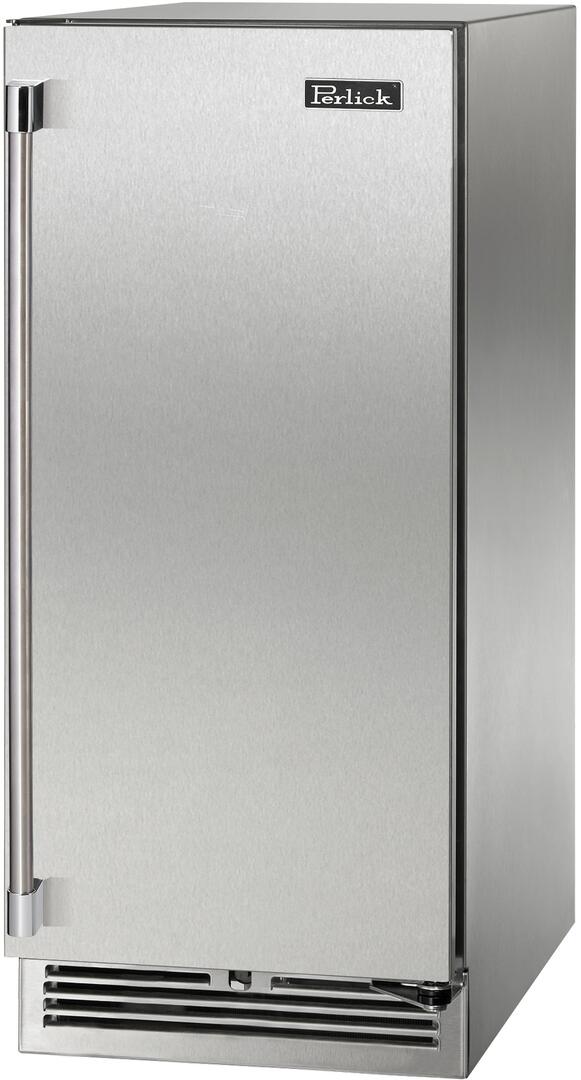
Sale priceFrom $6,281.10
Regular price$8,083.78
Perlick 15 inch Signature Series 20 Bottle Wine Cooler HP15WO-4-1Perlick
Save 22%
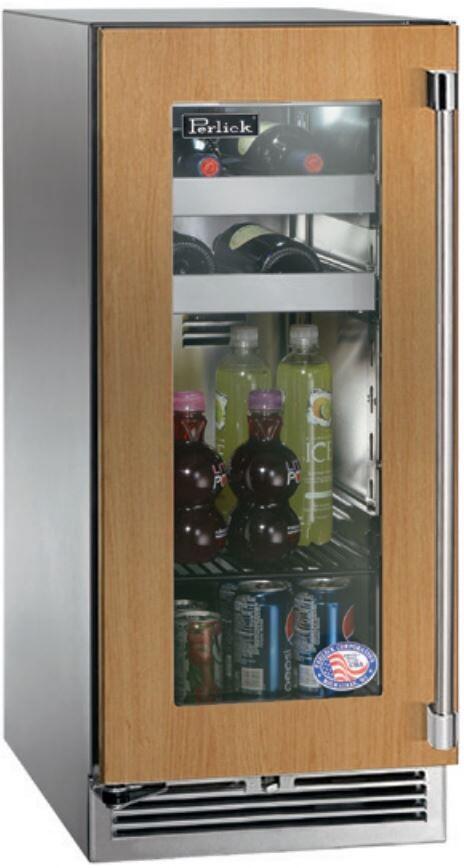
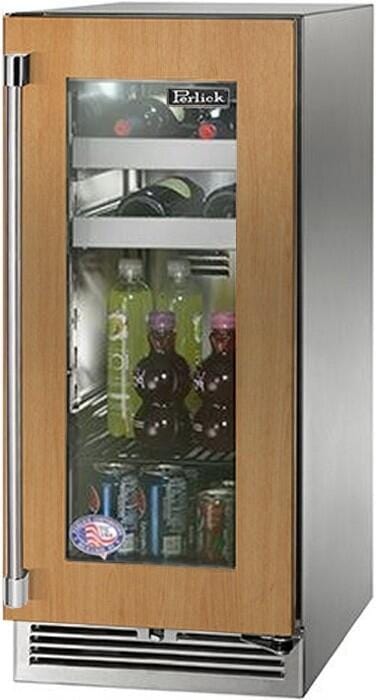
Sale priceFrom $5,884.20
Regular price$7,572.97
Perlick 15 inch Signature Series 20 Bottle Capacity Wine Cooler HP15WS-4-4Perlick
Save 22%
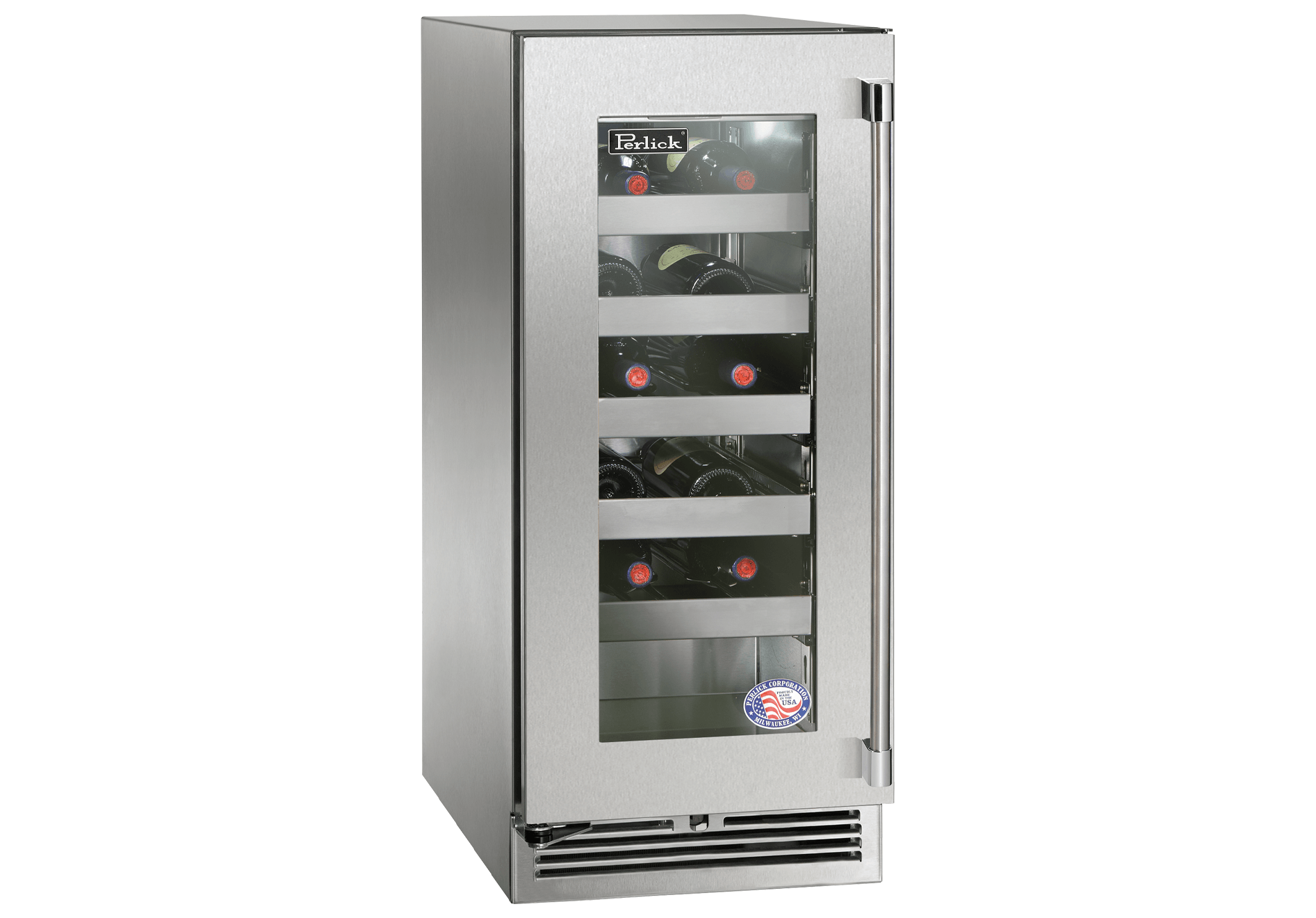
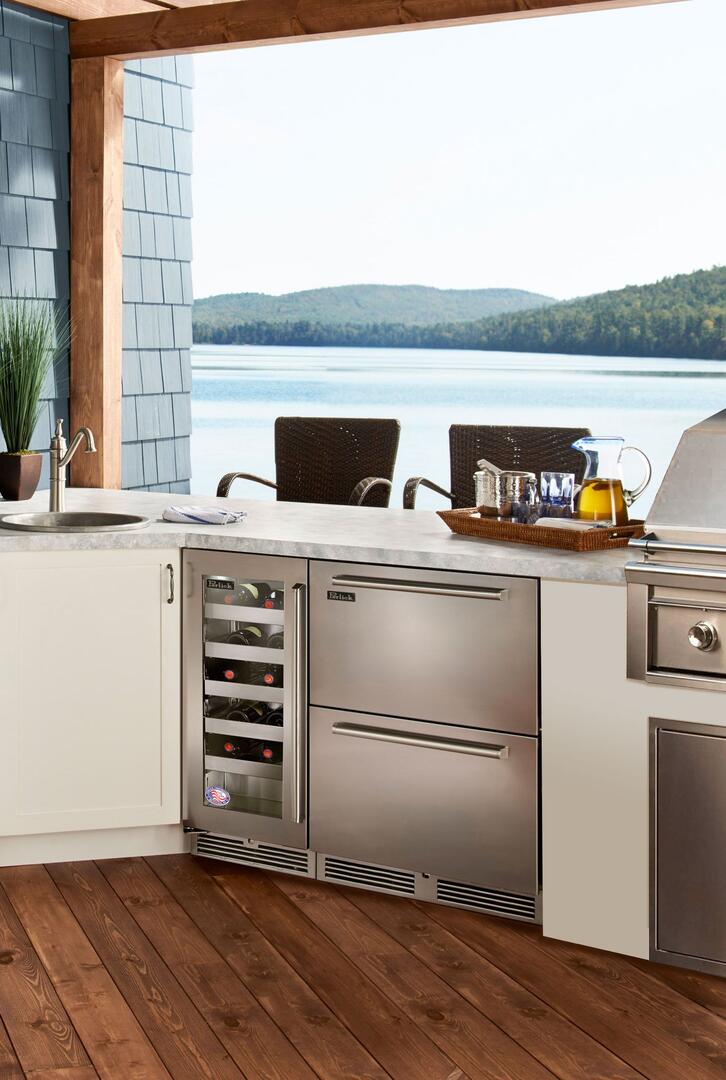
Sale priceFrom $6,098.40
Regular price$7,848.65
Perlick 15 inch Signature Series Single Zone Wine Cooler HP15WS-4-3Perlick
Save 22%
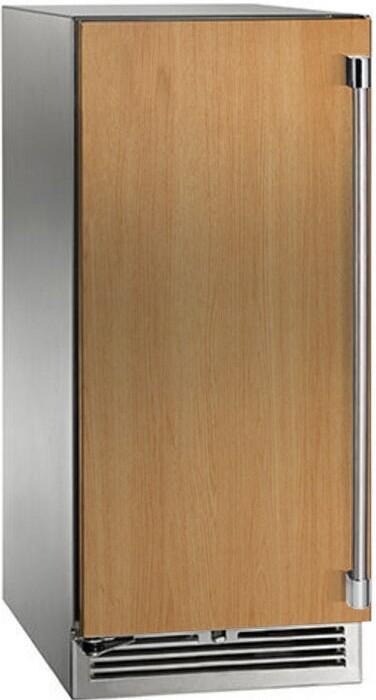
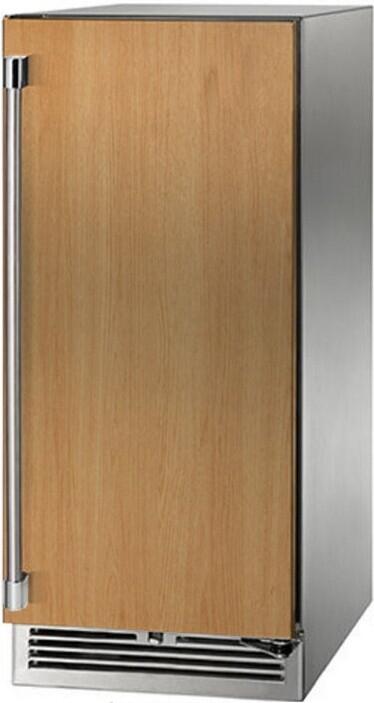
Sale priceFrom $5,619.60
Regular price$7,232.43
Perlick 15 inch Signature Series 20 Bottle Wine Cooler HP15WS-4-2Perlick
Save 22%
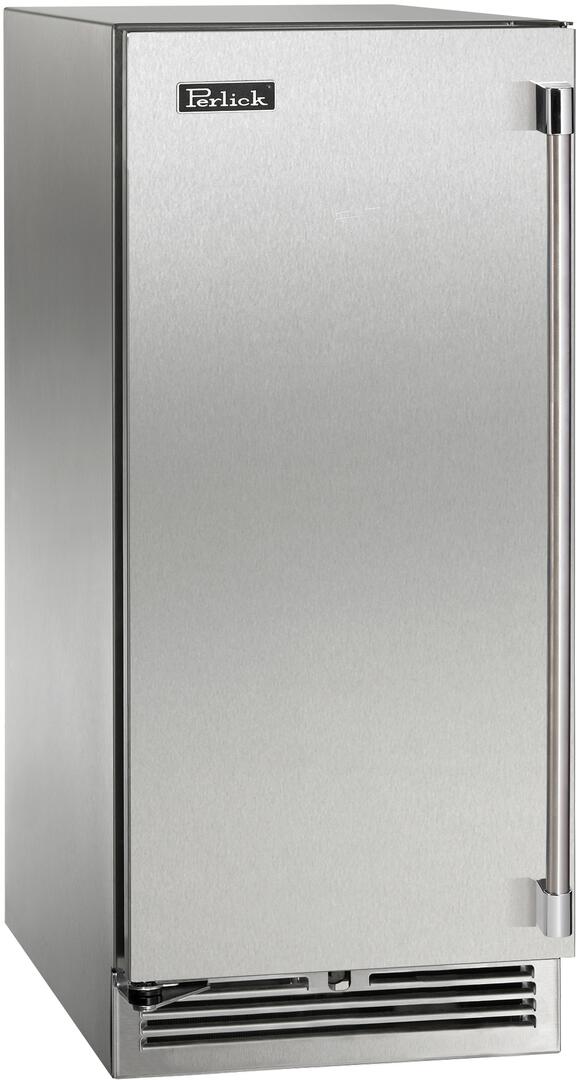
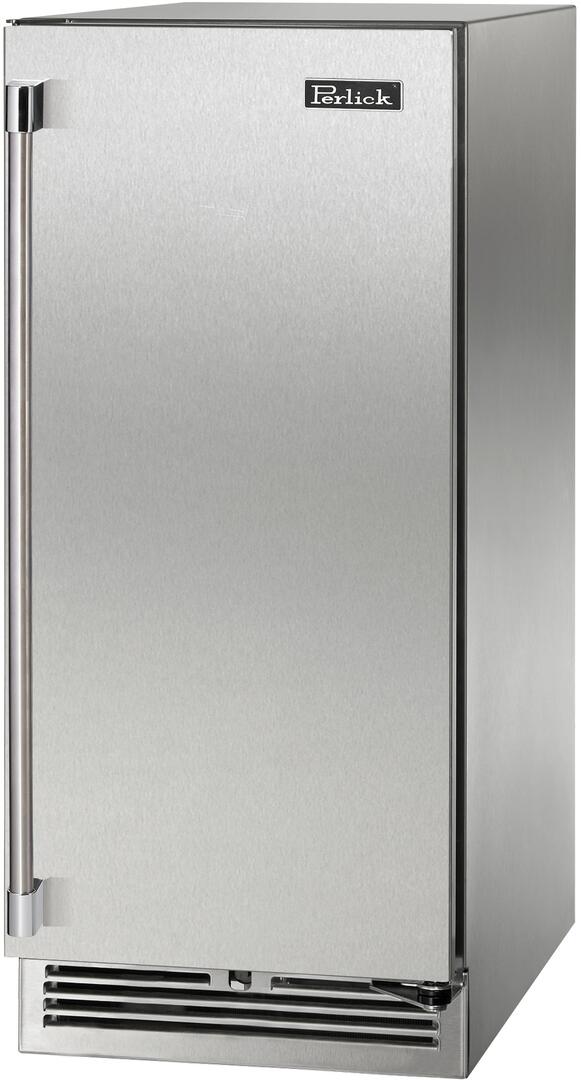
Sale priceFrom $5,833.80
Regular price$7,508.11
Perlick 15 inch Signature Series Single Zone Wine Cooler HP15WS-4-1Perlick
Save 22%
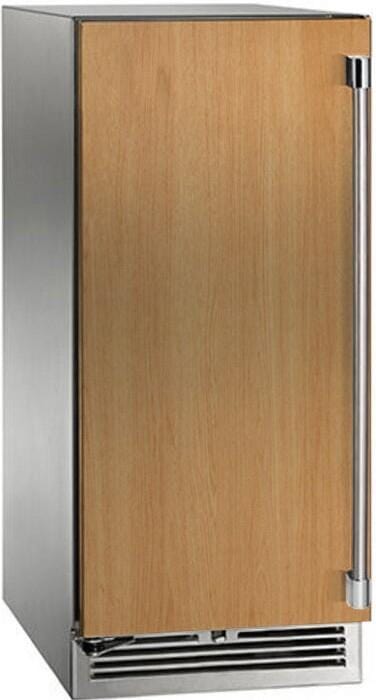
Sale price$7,692.30
Regular price$9,900.00
Perlick 15 inch Single Zone Built-In Wine Cooler HP15WM-4-2RPerlick
Save 22%
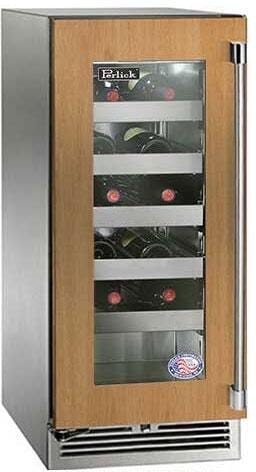
Sale price$7,956.90
Regular price$10,240.54
Perlick 15 inch Right Hinge Built-In Single Zone Wine Cooler HP15WM-4-4RPerlick
Save 22%
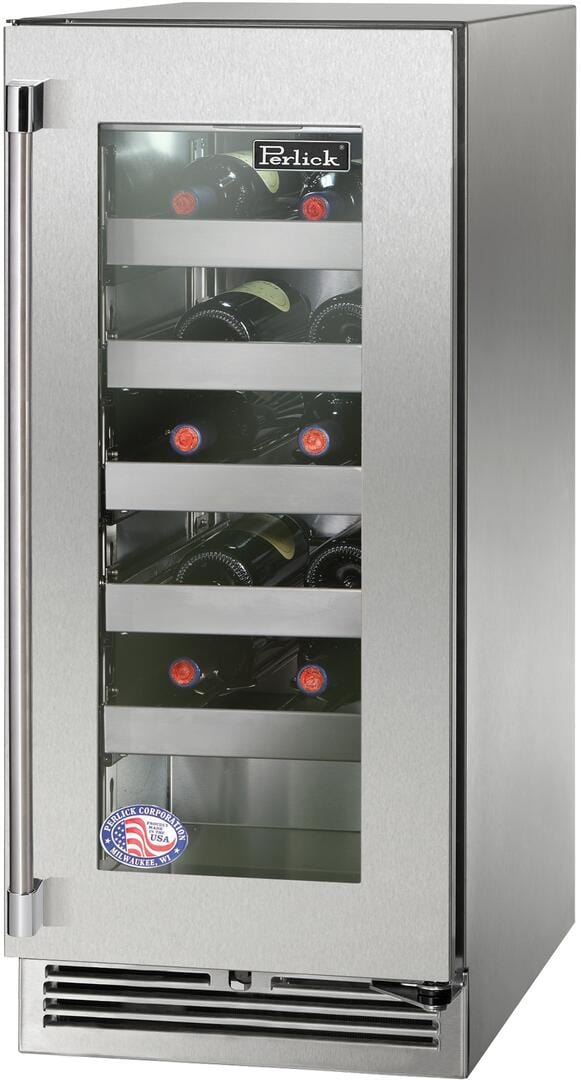
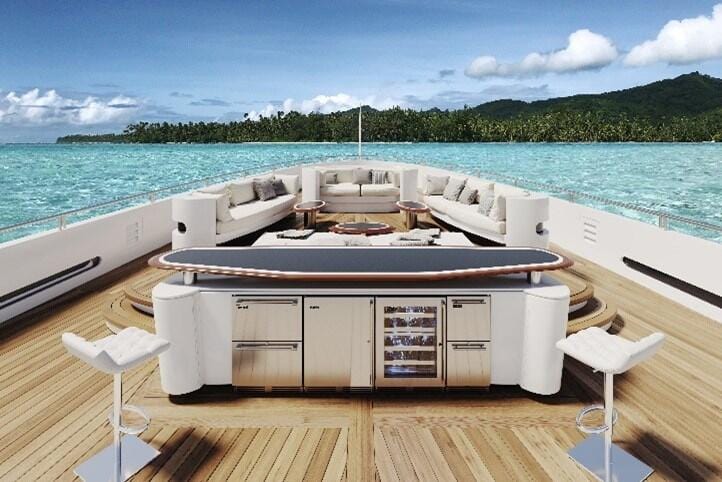
Sale price$8,177.40
Regular price$10,524.32
Perlick 15 inch Right Hinge Single Zone Built-In Wine Cooler HP15WM-4-3RPerlick
Save 11%
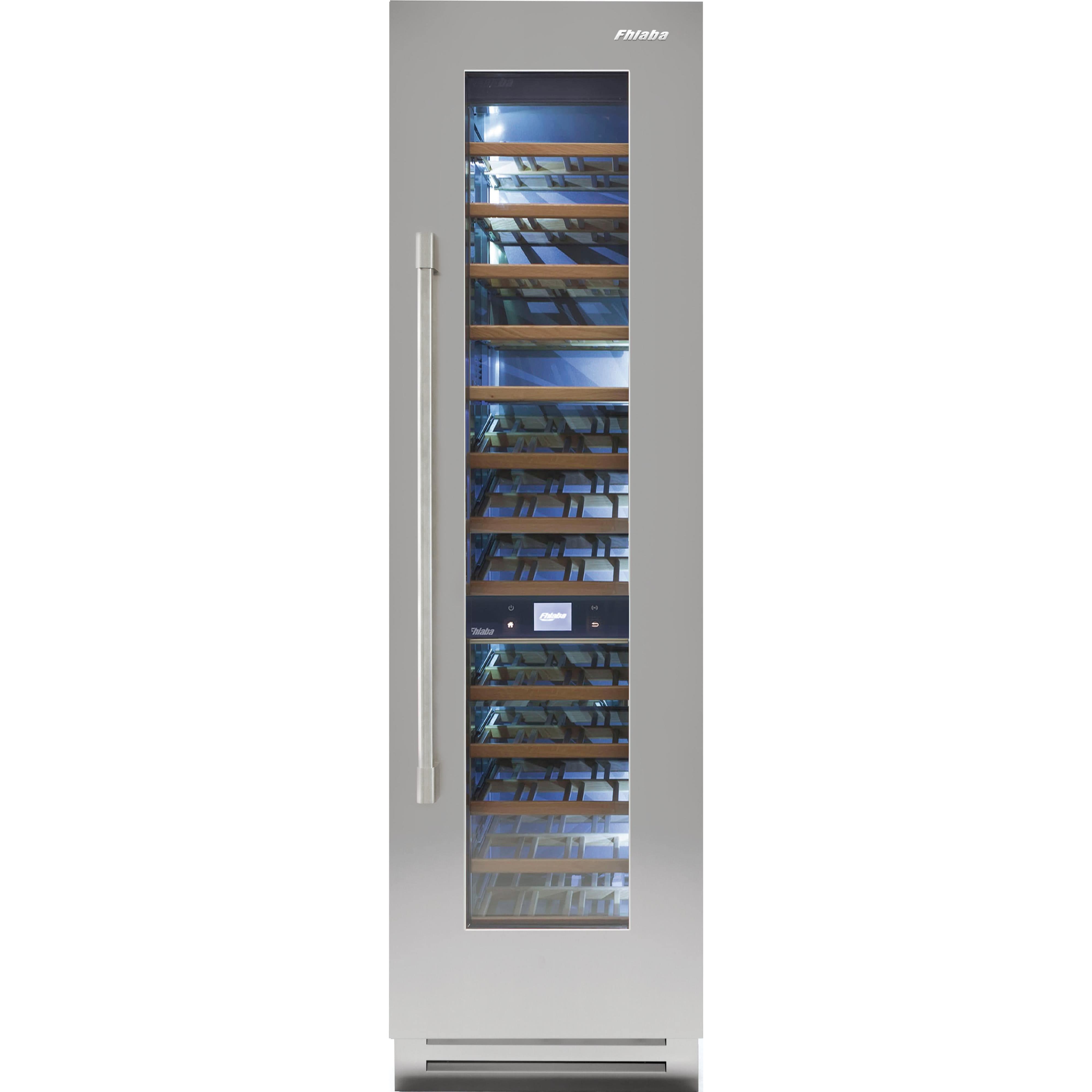
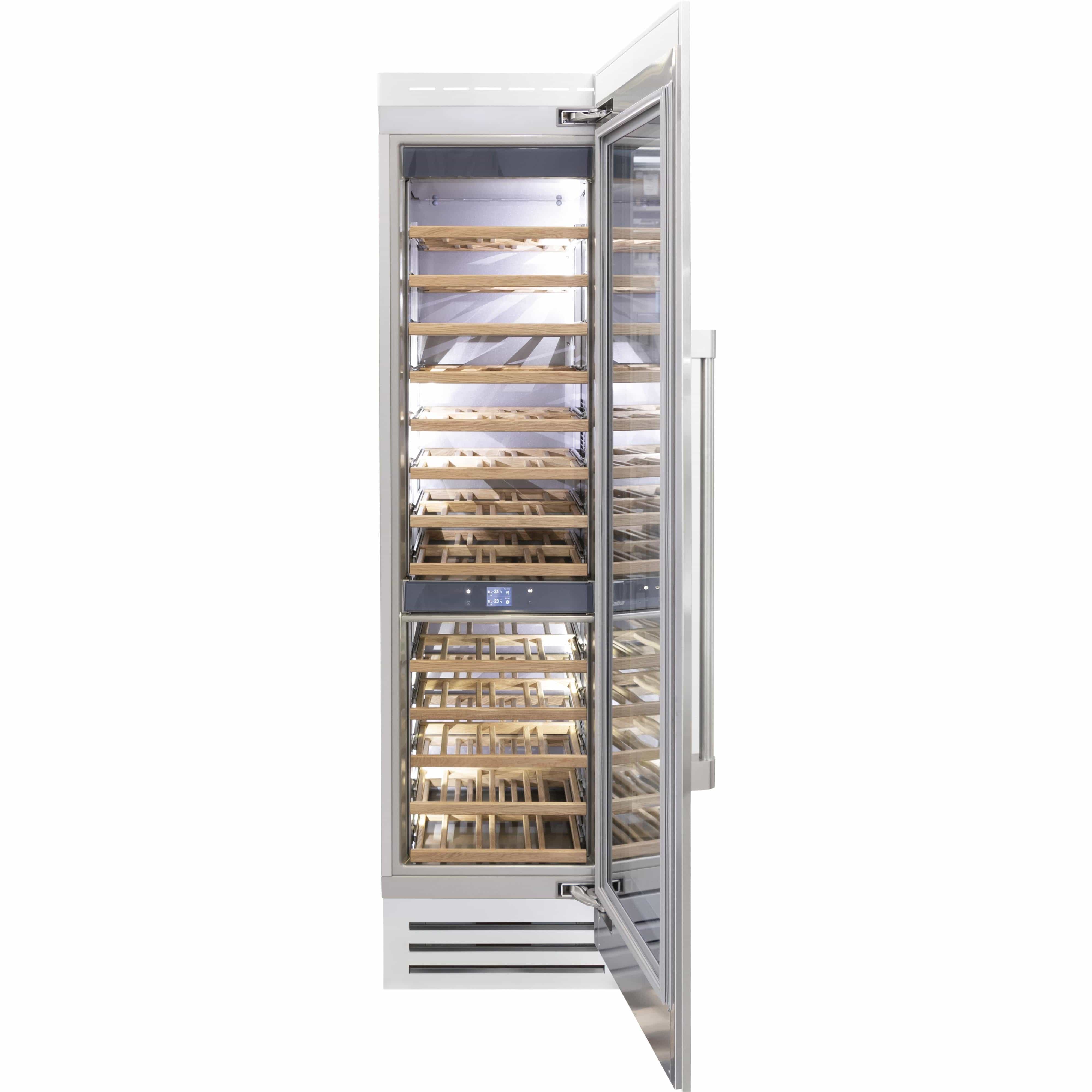
Sale price$14,710.80
Regular price$16,549.65
Fhiaba 78-Bottle Classic Series Wine Cellar with 2 Zones FK24WCC-RS2Fhiaba
Save 11%
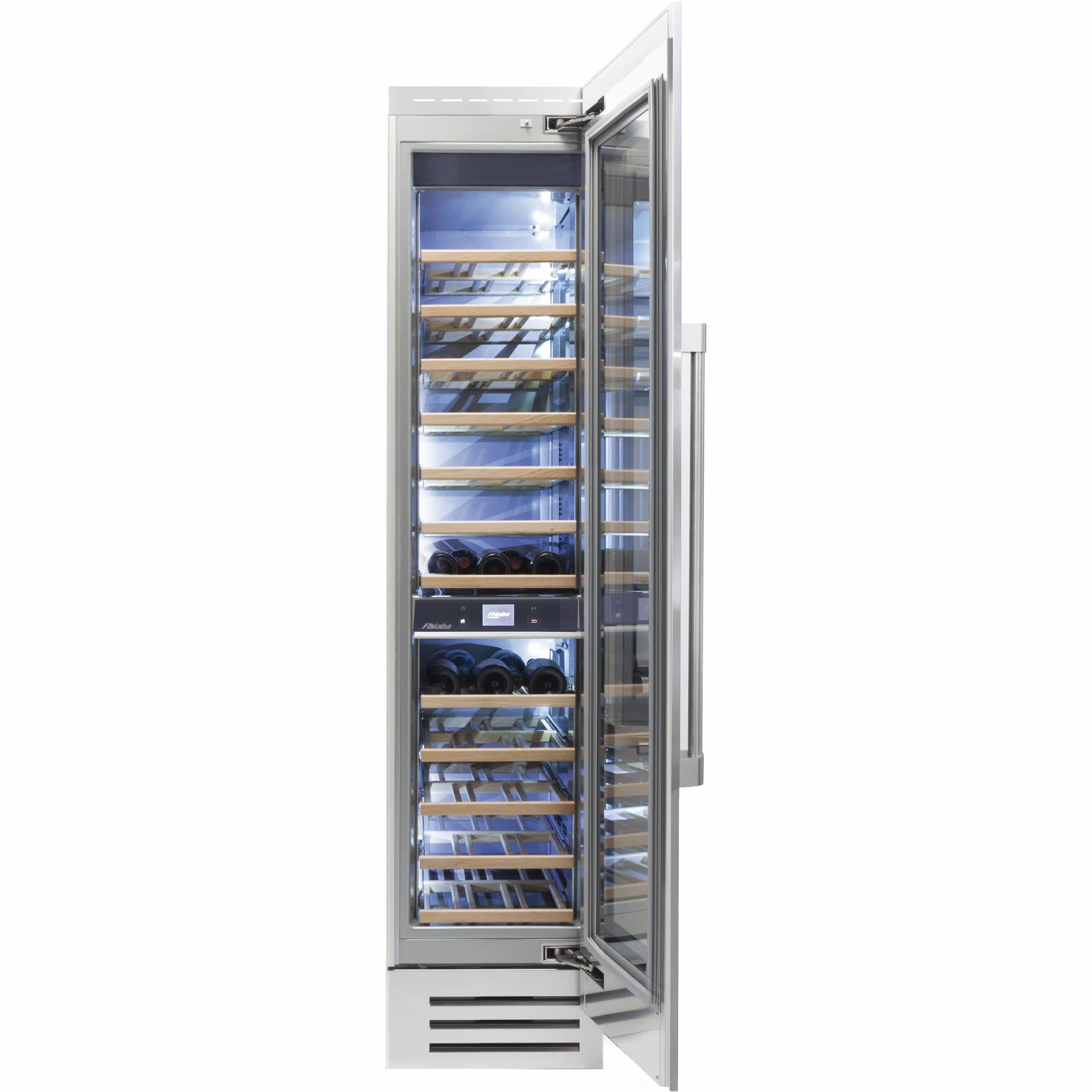
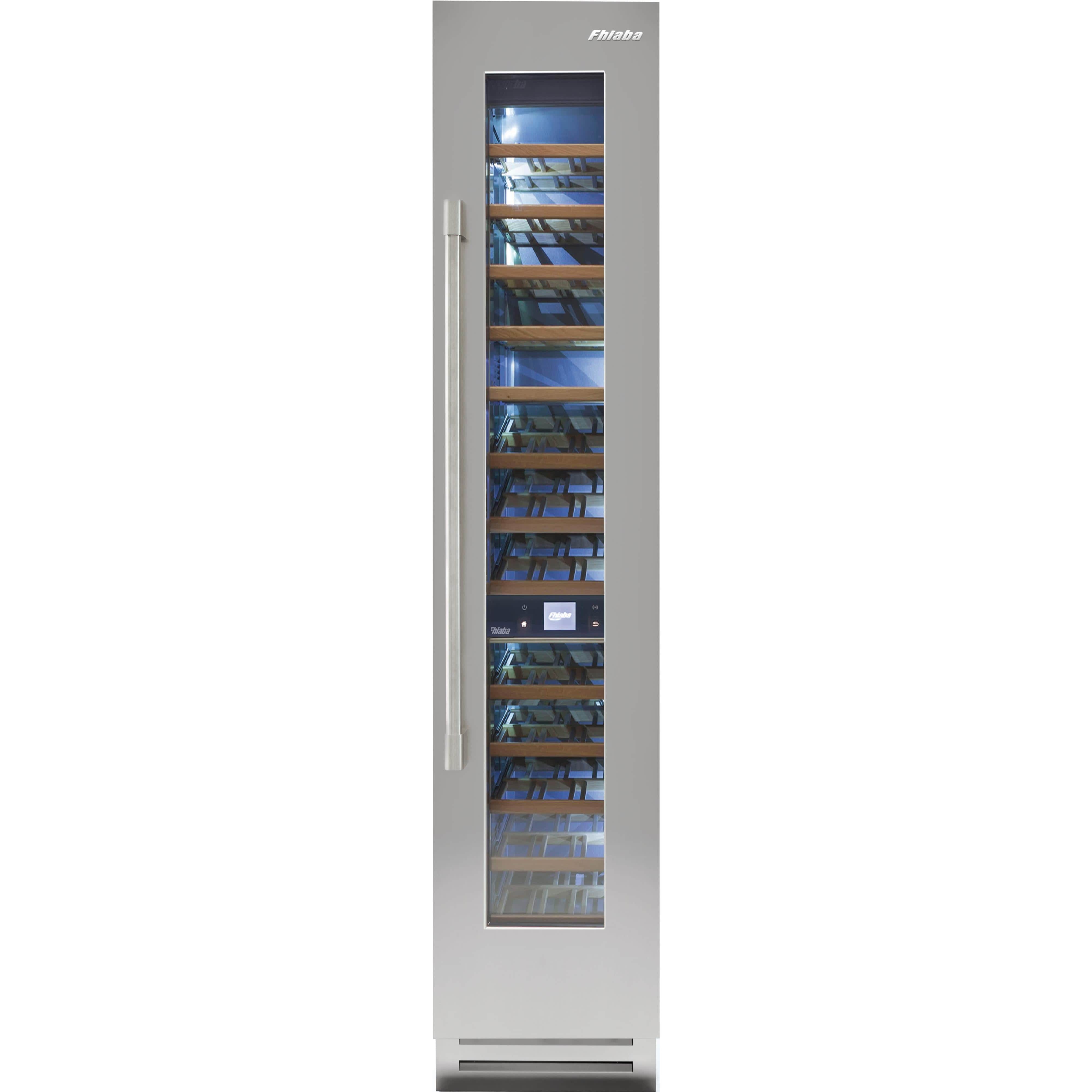
Sale price$14,434.80
Regular price$16,239.15
Fhiaba 52-Bottle Classic Series Wine Cellar with 2 Zones FK18WCC-RS2Fhiaba
Save 11%
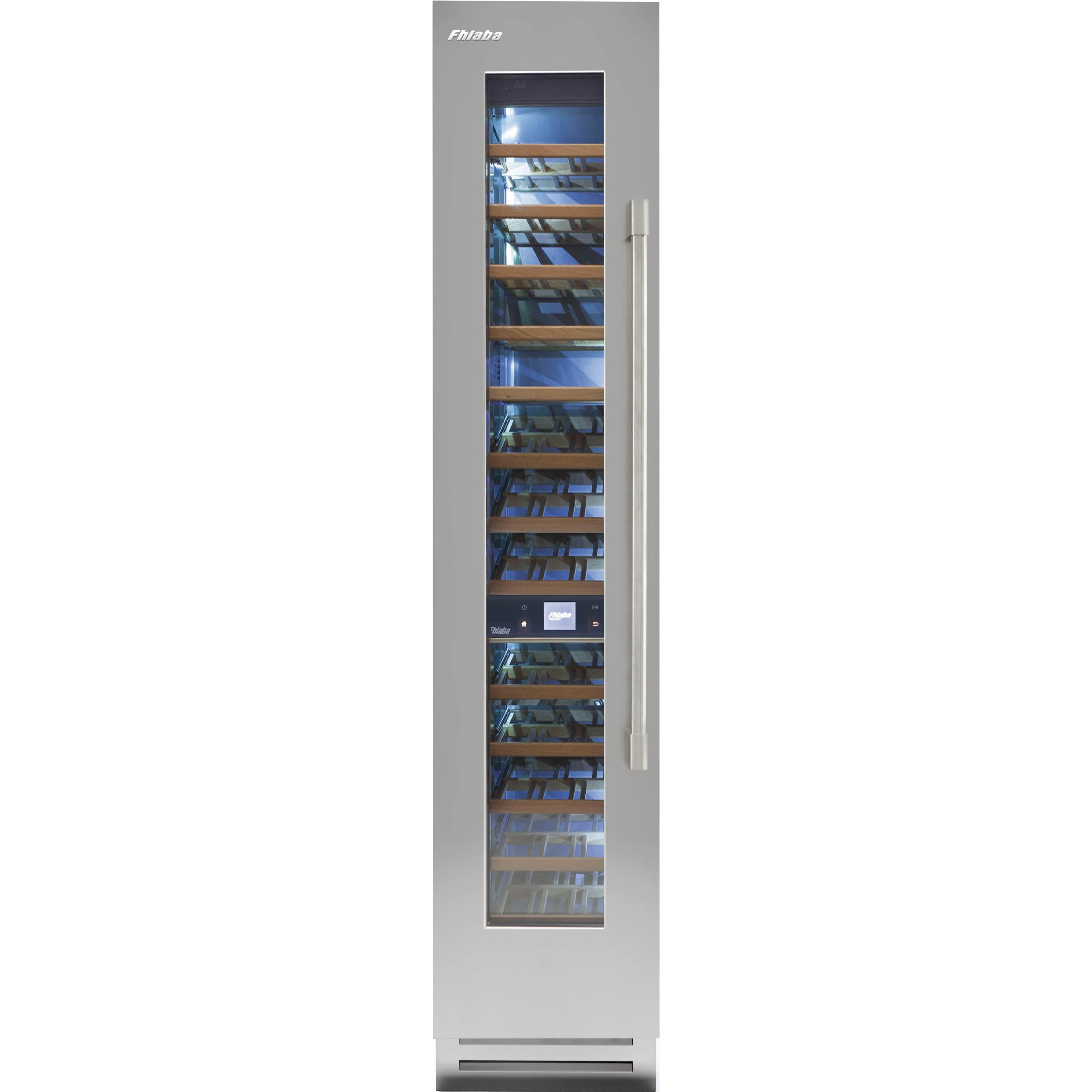
Sale price$14,434.80
Regular price$16,239.15
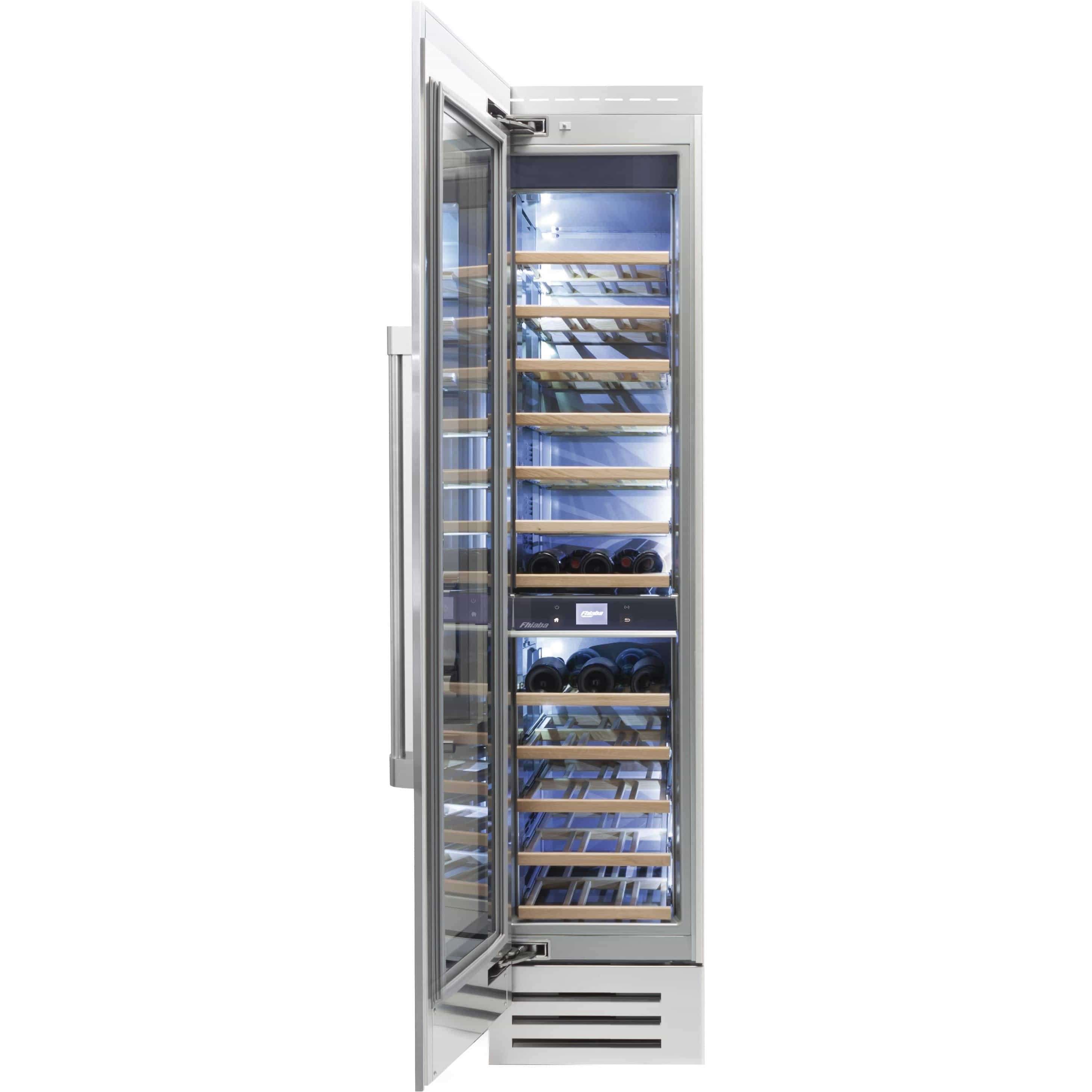
Fhiaba 52-Bottle Classic Series Wine Cellar with 2 Zones FK18WCC-LS2Fhiaba
Save 11%
Sale price$14,710.80
Regular price$16,549.65
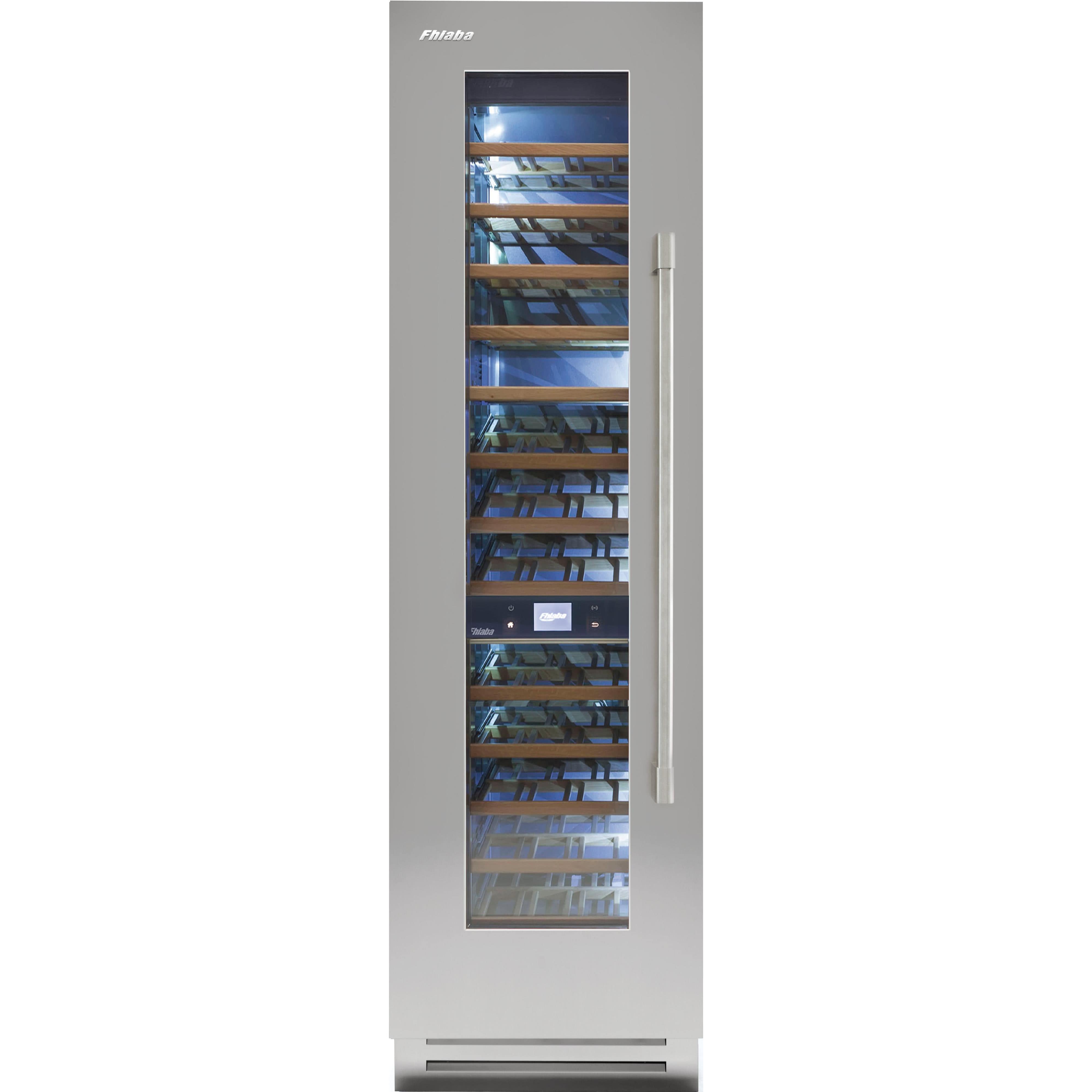
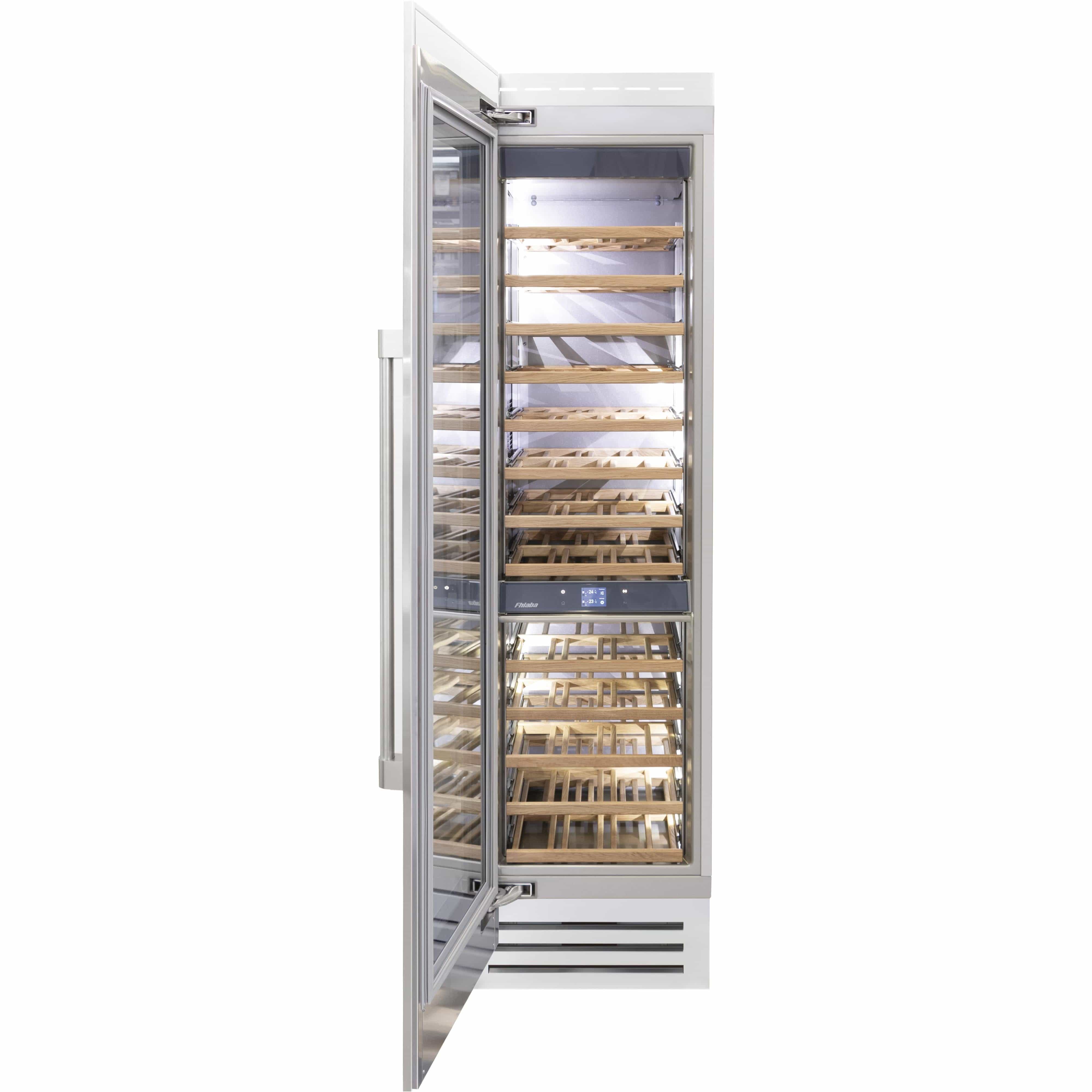
Fhiaba 78-Bottle Classic Series Wine Cellar with 2 Zones FK24WCC-LS2Fhiaba
Save 11%
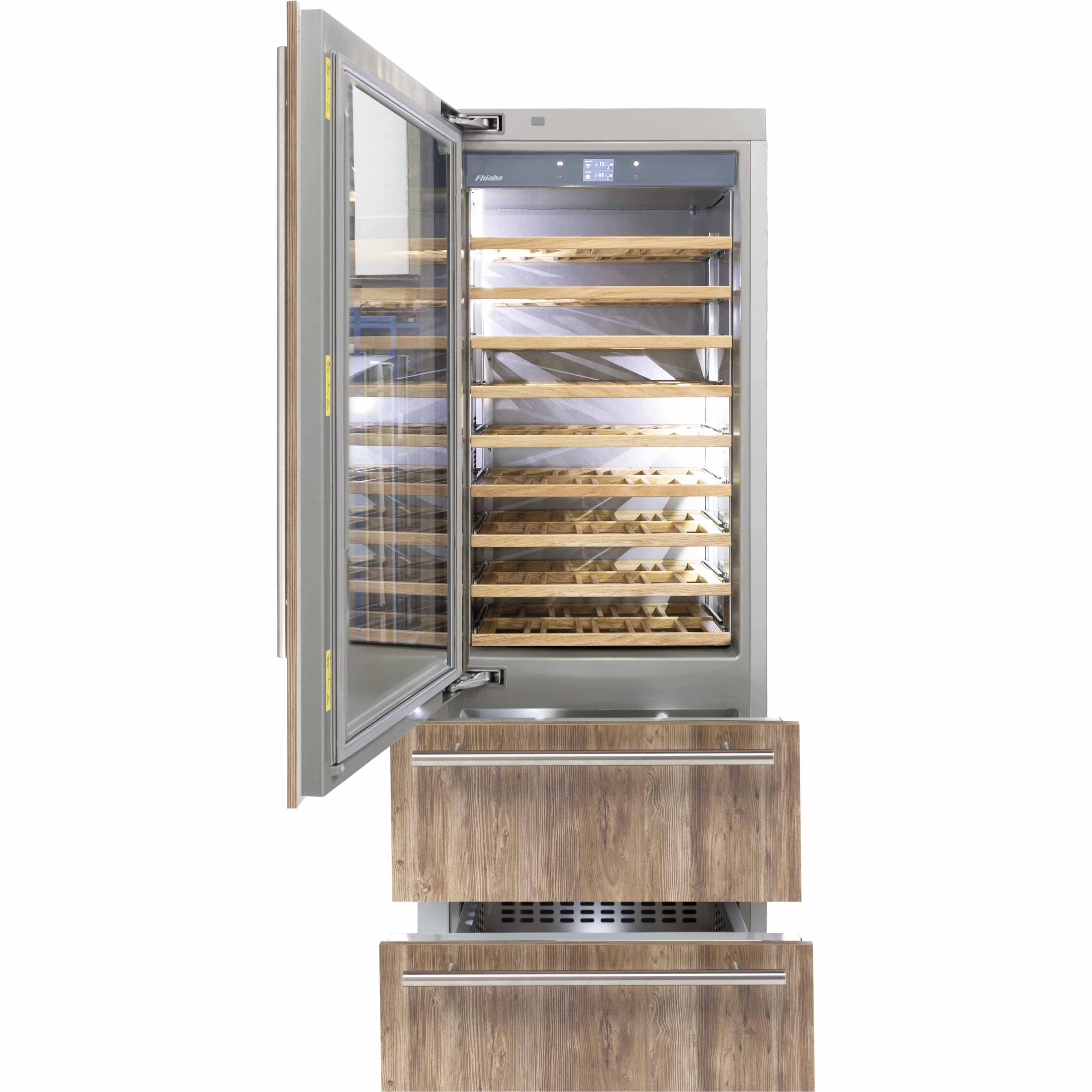
Sale price$12,574.80
Regular price$14,146.65
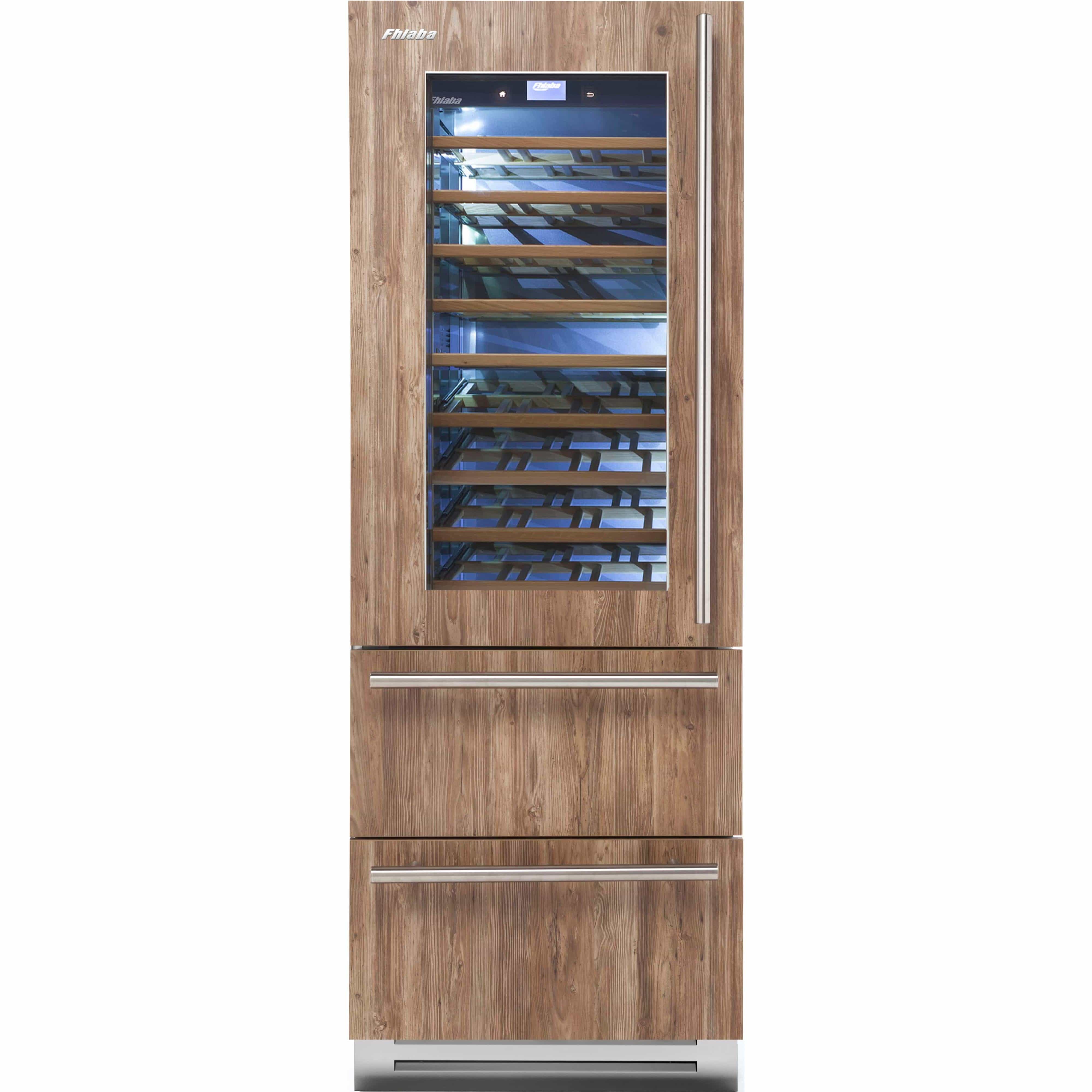
Fhiaba 30-inch, Built-in Refrigeration with Wine Storage FI30BDW-LGO1Fhiaba
Save 11%
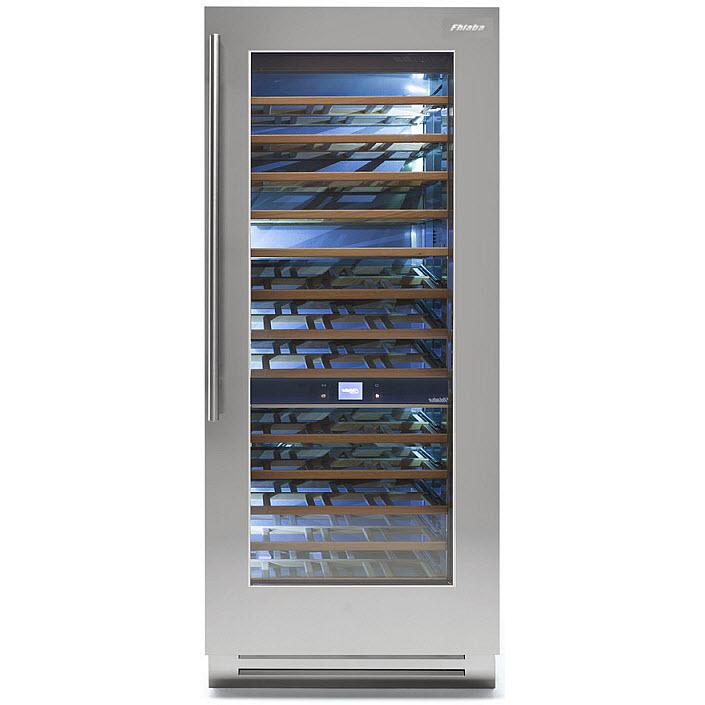
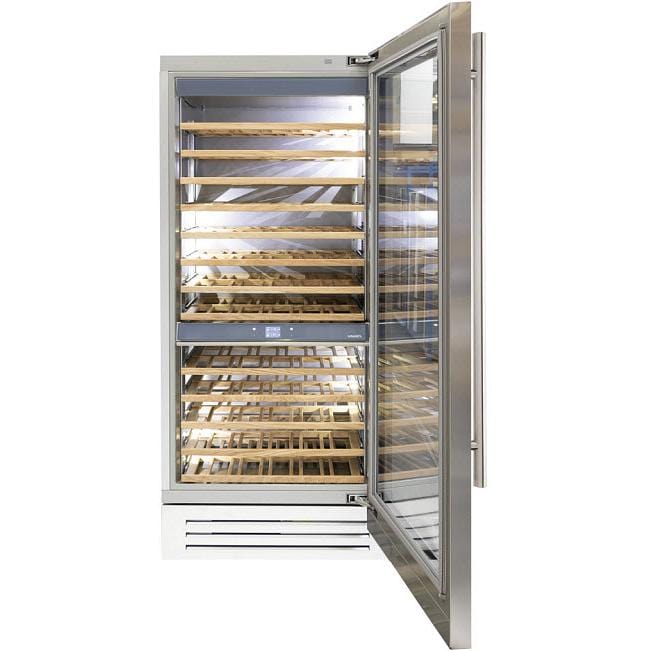
Sale price$15,238.80
Regular price$17,143.65
Fhiaba 186-Bottle Classic Series 36" Wine Cellar with 2 Zones FK36WCC-RS2Fhiaba
📚 Frequently Asked Questions (FAQs)
Yes, but only if the model supports dual installation. Some built-in units will not perform correctly outside enclosed cabinetry.
They require front ventilation only. Do not block the vent, or the unit will overheat and fail.
No. They are designed for storage and serving. Use a dedicated wine cellar cooling system for long-term aging.
Do not install in non-climate-controlled environments. Temperature fluctuations will prevent proper cooling.
Choose based on your current collection and future growth. Start with a compact model or move to a larger-capacity unit as needed.